All Questions
How Do Ptfe O-Rings Perform Under High Heat Conditions? Achieve Extreme Temperature Sealing
Learn how PTFE O-Rings maintain integrity up to 260°C (500°F) with unmatched thermal stability and chemical resistance for demanding applications.
What Are The Key Properties Of Ptfe That Make It Suitable For O-Rings? Unmatched Chemical & Temperature Resistance
Discover why PTFE's chemical inertness, extreme temperature range, and low friction make it ideal for demanding O-ring applications in harsh environments.
Can Ptfe Washers Be Customized For Specific Needs? Achieve Perfect Fit And Functionality
Learn how custom PTFE washers are engineered for unique shapes, adhesive backings, and precise dimensions in specialized industries.
Why Are Ptfe Washers Used In The Aerospace Industry? Ensure Reliability In Extreme Conditions
Discover why PTFE washers are critical in aerospace for their extreme temperature resistance, chemical inertness, and low friction in harsh environments.
What Makes Ptfe Washers Suitable For Electrical Applications? Achieve Superior Insulation And Reliability
Discover why PTFE is a top electrical insulator with high dielectric strength, thermal stability, and moisture resistance for reliable performance.
Why Are Ptfe Washers Commonly Used In Sealing Applications? Unlock Superior Chemical & Thermal Resistance
Discover why PTFE washers excel in sealing due to unmatched chemical inertness, extreme temperature stability, and low friction for demanding applications.
In Which Industries Are Ptfe Washers Commonly Used? Essential For Aerospace, Medical, And Chemical Processing
Discover why PTFE washers are critical in aerospace, medical, chemical, and other demanding industries due to their chemical inertness and temperature stability.
What Are Some Standard Sizes Available For Ptfe Washers? Find The Perfect Fit For Your Application
Discover common PTFE washer sizes (thickness & diameter) and learn how to select the right dimensions for chemical resistance, insulation, or low friction.
Why Are Ptfe Washers Used In Applications Requiring Low Friction? Unlock Superior Performance With Kintek
Discover why PTFE washers excel in low-friction applications, offering self-lubrication, chemical resistance, and electrical insulation for demanding industries.
What Makes Ptfe Washers Ideal For High And Low Temperature Applications? Ensuring Reliable Performance In Extreme Environments
Discover why PTFE washers excel in extreme temperatures, maintaining chemical resistance, low friction, and electrical insulation from cryogenic to 327°C.
Why Are Ptfe Washers Suitable For Harsh Environments? Unmatched Chemical & Temperature Resistance
Discover why PTFE washers excel in harsh environments with superior chemical inertness, extreme temperature stability, and low-friction properties.
What Are The Key Properties Of Ptfe Washers? Ensure Reliability In Extreme Environments
Discover the key properties of PTFE washers, including extreme chemical resistance, wide temperature tolerance, and low friction for demanding applications.
What Are Ptfe Washers Made Of? Unlocking The Power Of Carbon-Fluorine Chemistry
PTFE washers are made of Polytetrafluoroethylene, a fluoropolymer known for exceptional chemical resistance, low friction, and temperature stability.
What Factors Affect The Lifespan Of Ptfe Tubing And Rods? Ensure Long-Term Reliability For Your Critical Applications
Learn how thermal stress, chemical exposure, mechanical load, and radiation impact PTFE lifespan. Optimize your component selection for durability.
What Are The Applications Of Teflon Rods In Cnc Machining And 3D Printing? Solve Friction, Chemical, And Electrical Challenges
Discover how Teflon (PTFE) rods are CNC machined into custom parts like seals, bearings, and insulators for demanding industrial applications.
How Are Teflon Rods Applied In The Automotive And Aerospace Industries? Solve Friction, Heat, And Chemical Challenges
Discover how Teflon (PTFE) rods are machined into durable, self-lubricating components for automotive and aerospace applications, solving extreme challenges.
Why Are Teflon Rods Preferred In The Food And Pharmaceutical Sectors? Ensure Purity And Compliance
Discover why Teflon (PTFE) rods are the top choice for food and pharma, offering non-toxicity, chemical inertness, and easy sterilization for ultimate safety.
What Role Do Teflon Rods Play In The Electrical And Electronics Industry? Ensure Superior Insulation And Reliability
Discover how Teflon (PTFE) rods provide critical electrical insulation, high-frequency performance, and thermal stability for demanding electronics.
How Are Teflon Rods Utilized In The Chemical Processing Industry? For Seals, Liners & Valves That Resist Corrosion
Learn how Teflon (PTFE) rods are machined into custom seals, gaskets, and liners to withstand harsh chemicals and prevent process contamination.
What Are The Key Properties That Make Teflon Rods Suitable For Industrial Applications? Unlock Unmatched Chemical & Thermal Resistance
Explore Teflon (PTFE) rod properties: extreme chemical inertness, wide temperature range (-200°C to +260°C), low friction, and excellent electrical insulation.
What Are The Overall Advantages Of Using Teflon Bushes In Industrial Settings? Achieve Maintenance-Free Reliability
Discover how Teflon (PTFE) bushes offer low friction, chemical resistance, and thermal stability to reduce downtime and extend equipment life.
Why Are Teflon Bushes Suitable For Food And Pharmaceutical Manufacturing? Ensuring Purity And Safety
Discover why Teflon (PTFE) bushes are ideal for sterile manufacturing: chemical inertness, self-lubrication, and non-stick properties prevent contamination.
How Do Teflon Bushes Benefit The Automotive Industry? Enhance Performance And Durability
Explore how Teflon (PTFE) bushes reduce friction, resist heat & chemicals, and improve reliability in automotive suspension, brakes, and transmissions.
Which Industries Commonly Use Teflon Bushes? Solve Critical Engineering Challenges In Harsh Environments
Discover how Teflon (PTFE) bushes provide reliability in aerospace, automotive, chemical, food, and pharmaceutical industries with low friction and chemical inertness.
What Makes Teflon Bushes Durable In Industrial Applications? Unlock Superior Performance With Ptfe
Discover how Teflon (PTFE) bushes provide exceptional durability through low friction, chemical inertness, and thermal stability in harsh environments.
In What Types Of Mechanical Assemblies Are Teflon Bushes Particularly Valuable? Enhance Durability In Rotating And Sliding Parts
Discover the key applications for Teflon (PTFE) bushes in mechanical assemblies requiring low friction, chemical resistance, and long-term durability.
What Are The Advantages Of Teflon Bushes' Low Friction? Achieve Maintenance-Free, Long-Lasting Performance
Discover how Teflon (PTFE) bushes' self-lubricating, low-friction properties reduce wear, slash maintenance, and extend equipment lifespan.
How Do Teflon Bushes Perform In Chemically Harsh Environments? Unmatched Chemical Resistance For Critical Applications
Discover why Teflon (PTFE) bushes excel in harsh environments with superior chemical inertness against acids, solvents, and corrosive agents.
What Temperature Range Can Teflon Bushes Withstand? Unmatched Performance From -200°C To 260°C
Discover the exceptional thermal range of PTFE (Teflon) bushes, from cryogenic -200°C to high-heat 260°C, for reliable performance in demanding applications.
What Are The Key Benefits Of Teflon Bushes For Industrial Applications? Reduce Friction And Maintenance
Discover the top benefits of Teflon (PTFE) bushes: self-lubrication, chemical resistance, and durability for harsh industrial environments.
How Do Ptfe Gaskets Prevent The Ingress Of Corrosive Fluids Into Seals? Achieve Unmatched Chemical Containment
Learn how PTFE's chemical inertness and physical impermeability create an impenetrable barrier against corrosive fluids, gases, and vapors.
How Do Ptfe Gaskets Improve Coupling Efficiency? Maximize Uptime & Safety In Harsh Chemical Processes
Learn how PTFE gaskets create leak-proof seals for chemical/petrochemical systems, preventing product loss, reducing downtime, and enhancing safety.
How Do Ptfe Gaskets Prevent The Transfer Of Grit Into Gearboxes? Create An Impermeable Barrier Against Contaminants
Learn how PTFE gaskets use conformability and chemical resistance to seal gearboxes against grit, dust, and moisture, ensuring long-term reliability.
How Do Ptfe Gaskets Stabilize Pump And Gear Housing? Prevent Degradation For Long-Term Stability
Discover how PTFE gaskets stabilize mechanical housings by sealing out contaminants, reducing internal friction, and withstanding operational stresses.
What Are The Benefits Of Using Eptfe Joint Sealant? Achieve Superior Sealing For Demanding Applications
Discover the key benefits of EPTFE joint sealant, including extreme pressure resistance, vacuum compatibility, and superior adaptability for irregular surfaces.
In Which Industries Are Eptfe Gaskets Commonly Used? Critical Sealing Solutions For Demanding Environments
Discover the top industries using ePTFE gaskets for superior chemical resistance, purity, and sealing performance in harsh conditions.
What Are The Key Properties Of Eptfe Gaskets? Superior Sealing For Extreme Conditions
Discover the key properties of ePTFE gaskets: chemical inertness, high temperature resistance, and superior sealing for demanding applications.
What Are The Minimum And Maximum Sizes For Machining Ptfe Parts? Design For Success With No Universal Limits
Learn why PTFE part size limits depend on material properties and machining skill. Get expert tips for designing manufacturable components.
Can Machined Ptfe Parts Be Customized? Achieve Precision Solutions For Demanding Applications
Discover how custom PTFE parts offer superior chemical resistance, low friction, and high-temperature stability for semiconductor, medical, and industrial uses.
What Does The Machining Process For Ptfe Parts Involve? Mastering Precision For Soft, Heat-Sensitive Materials
Learn the specialized techniques for machining PTFE, including tool selection, speed/feed optimization, and cooling to manage thermal expansion and deformation.
In Which Industries Are Machined Ptfe Parts Commonly Used? Discover The Essential High-Performance Material
Explore the critical uses of machined PTFE parts in aerospace, medical, electronics, and chemical processing for superior performance.
What Temperature Range Can Machined Ptfe Parts Withstand? From Cryogenic -200°C To High-Temp +260°C
Learn about PTFE's impressive -200°C to +260°C temperature range and the critical design considerations for thermal expansion in machined parts.
What Are Machined Ptfe Parts Made Of? The Power Of Pure Carbon And Fluorine
Machined PTFE parts are made from 100% Virgin PTFE, a high-performance fluoropolymer. Learn how its unique chemical structure provides superior properties.
What Makes Teflon Suitable For Electrical Applications? Unmatched Insulation For Extreme Conditions
Teflon (PTFE) excels in electrical uses due to high dielectric strength, extreme temperature resistance (-200°C to +260°C), and chemical inertness.
Why Is Teflon Often Used In Products Requiring Reduced Friction? Leverage Its Extreme Slipperiness
Teflon (PTFE) offers the lowest coefficient of friction of any solid, reducing wear and energy use in demanding applications.
Why Is Ptfe Considered A Benchmark For Low-Friction Materials? Unmatched Performance For Smooth Motion
Discover why PTFE's exceptionally low coefficient of friction (as low as 0.04) makes it the industry standard for low-wear, self-lubricating components.
How Is Ptfe Applied In Electronics And Semiconductor Manufacturing? Ensure Purity And Performance
Discover how PTFE's chemical inertness, electrical insulation, and low friction are critical for semiconductor purity and high-performance electronics.
What Are The Aerospace And Defense Applications Of Ptfe? Essential For Extreme Reliability
Explore PTFE's critical roles in aerospace & defense, from seals and bearings to avionics insulation, for extreme temperature and chemical resistance.
What Advantages Does Ptfe Offer In Conveyor Systems And Wear Strips? Boost Efficiency & Slash Maintenance
Discover how PTFE's low friction, non-stick surface, and wear resistance make conveyor systems quieter, more efficient, and longer-lasting.
How Is Ptfe Utilized In Seals And Gaskets? Leverage Its Chemical & Temperature Resistance
Explore how PTFE seals and gaskets offer extreme chemical inertness, a wide temperature range, and low friction for demanding industrial applications.
What Are Some Key Applications Of Low-Friction Ptfe In Bearings And Bushings? Achieve Maintenance-Free Performance
Discover how PTFE bearings and bushings provide self-lubricating, chemical-resistant solutions for demanding industries like semiconductor and medical.
When Might Additional Lubrication Be Needed For Ptfe Applications? Understand The Exceptions To The Rule.
Learn why lubricating PTFE is usually a mistake and discover the specific, demanding applications where a dry lubricant filler is beneficial.
What Are The Considerations For Managing Ptfe's Creep And Thermal Expansion? Ensure Dimensional Stability & Performance
Learn how to manage PTFE's creep and thermal expansion with mechanical design, machining techniques, and filled PTFE materials for reliable performance.
What Are The Optimal Load And Speed Conditions For Ptfe Performance? Master The Pv Limit For Longevity
Learn how to calculate the critical PV value (Pressure × Velocity) to prevent PTFE failure from heat buildup. Essential guide for engineers.
How Does The Surface Roughness Of Materials In Contact With Ptfe Affect Friction? Find The Critical 'Sweet Spot'
Discover the optimal surface roughness (Ra 0.2-0.4 μm) for mating surfaces to minimize PTFE friction and maximize wear life.
What Are Tips For Using Ptfe In Low-Friction Applications? Optimize Performance And Durability
Learn expert tips for using PTFE in low-friction applications, including grade selection, surface preparation, and managing PV limits for optimal results.
How Is The Coefficient Of Friction For Ptfe Measured? A Guide To Precise Friction Data
Learn how PTFE's coefficient of friction is measured using ASTM standards like D1894 & D3702, and why the value depends on load, speed, and temperature.
How Does Ptfe Compare To Other Low-Friction Plastics Like Uhmw-Pe And Nylon? A Guide To Material Selection
Compare PTFE, UHMW-PE, and Nylon for friction, wear, strength, and chemical resistance. Make the right engineering choice for your application.
How Do Fillers Enhance Ptfe's Properties? Unlock Superior Wear Resistance & Stability
Discover how fillers transform PTFE into a high-performance composite with 1000x better wear resistance, improved creep resistance, and thermal conductivity.
What Are Common Applications Of Low-Friction Ptfe? Solve Friction & Corrosion Challenges
Explore key PTFE applications: self-lubricating bearings, chemical seals, non-stick liners, and medical devices. Ideal for harsh environments.
What Factors Influence Ptfe's Friction Performance? Optimize Your Design For Low Friction
Learn how load, speed, surface roughness, and temperature affect PTFE's dynamic coefficient of friction for better component performance.
How Does Ptfe's Friction Coefficient Compare To Other Materials? The Benchmark For Low-Friction Performance
PTFE has a remarkably low coefficient of friction (0.04-0.08), outperforming other plastics, metals, and elastomers. Learn when to choose PTFE.
What Are The Typical Friction Coefficient Values For Ptfe? A Guide To Low-Friction Performance
Learn the typical friction coefficients for PTFE (0.05-0.10 static, 0.04-0.08 dynamic) and how load, speed, and temperature affect performance.
What Is Ptfe And Why Is It Known For Low Friction? Harnessing The Power Of A Self-Lubricating Polymer
Discover why PTFE's unique molecular structure creates an ultra-low friction surface, offering self-lubrication, reduced wear, and higher efficiency.
What Are The Overall Benefits Of Using Ptfe Teflon Washers? Solve Extreme Sealing & Wear Challenges
Discover the key benefits of PTFE Teflon washers: extreme chemical resistance, temperature stability (-200°C to +260°C), low friction, and electrical insulation.
How Are Ptfe Teflon Washers Utilized In The Food Processing Industry? Ensuring Food Safety And Efficiency
Explore how FDA-approved PTFE Teflon washers enhance food safety, reduce contamination, and improve equipment uptime in demanding processing environments.
Why Are Ptfe Teflon Washers Used In Aerospace Applications? Solving Critical Engineering Challenges
Discover how PTFE washers provide lightweight, chemical-resistant, and high-temperature solutions for aerospace fuel, hydraulic, and electrical systems.
How Do Ptfe Teflon Washers Benefit Industrial Machinery? Reduce Friction, Corrosion, And Maintenance Costs
Discover how PTFE Teflon washers extend machinery lifespan, eliminate lubrication, and ensure reliability in harsh environments with low friction and chemical inertness.
What Role Do Ptfe Teflon Washers Play In Electrical Systems? Ensuring Superior Insulation & Safety
Learn how PTFE Teflon washers provide critical electrical insulation, prevent short circuits, and ensure system reliability in demanding environments.
How Are Ptfe Teflon Washers Used In The Automotive Industry? Essential For High-Temp, Corrosive Seals
Learn how PTFE Teflon washers solve automotive sealing challenges with extreme heat resistance, chemical inertness, and low friction.
What Are The Primary Applications Of Ptfe Teflon Washers In Plumbing? Ensure Leak-Proof Seals In Harsh Environments
Discover the critical uses of PTFE washers in plumbing for chemical resistance, high-temperature stability, and protecting delicate surfaces from leaks and damage.
How Does The Non-Absorbent Nature Of Ptfe Teflon Washers Affect Their Performance? Ensure Long-Term Sealing Reliability
Discover how PTFE Teflon washers' non-absorbent nature prevents swelling, degradation, and ensures consistent sealing in harsh environments.
Why Is Uv Resistance Important For Ptfe Teflon Washers? Ensure Long-Term Reliability In Outdoor And Harsh Environments
Learn why UV resistance is critical for PTFE washers to prevent degradation, cracking, and failure in outdoor applications, ensuring system integrity.
How Does The Mechanical Strength Of Ptfe Teflon Washers Benefit Their Use? Achieve Reliable Sealing In High-Pressure Systems
Explore how PTFE Teflon washers provide reliable sealing under compression, low friction, and wear resistance for demanding industrial applications.
What Makes Ptfe Teflon Washers Suitable For Electrical Applications? Superior Insulation For Harsh Environments
Discover why PTFE Teflon washers are ideal for electrical use, offering high dielectric strength, moisture resistance, and thermal stability.
How Does The Non-Stick Surface Of Ptfe Teflon Washers Contribute To Their Applications? Unlock Purity And Performance
Explore how PTFE Teflon washers' non-stick surface prevents contamination, reduces friction, and ensures reliability in demanding industrial applications.
Why Is The Low Friction Coefficient Of Ptfe Teflon Washers Advantageous? Achieve Peak Efficiency And Durability
Discover how PTFE Teflon washers' low friction reduces wear, saves energy, and extends component life in demanding applications.
What Is The Temperature Range That Ptfe Teflon Washers Can Withstand? From -200°C To +260°C For Extreme Conditions
PTFE Teflon washers operate from -200°C to +260°C. Learn about their thermal stability, chemical resistance, and ideal applications.
How Does Chemical Resistance Benefit Ptfe Teflon Washers? Ensure Leak-Free Seals In Harsh Environments
Discover how PTFE Teflon washers' chemical inertness prevents degradation, ensures long-term sealing, and protects systems from contamination.
What Are The Key Properties Of Ptfe Teflon Washers? Unlock Superior Chemical & Temperature Resistance
Explore the key properties of PTFE washers: extreme chemical inertness, low friction, wide temperature range, and excellent electrical insulation.
What Are Ptfe Teflon Washers? The Ultimate Guide To High-Performance Sealing
Explore the key properties and applications of PTFE Teflon washers, known for their extreme chemical resistance and low friction.
How Does The Application Of Ptfe Gaskets Improve Equipment Performance? Enhance Sealing Integrity & Reliability
Discover how PTFE gaskets improve equipment performance with superior sealing, chemical resistance, and low friction to extend machinery lifespan.
What Other Fields Can Ptfe Gaskets Be Used In? Beyond Chemical Plants To Electronics & Pharma
Explore PTFE gasket uses in electrical insulation, dynamic seals, and sensitive material sealing for industries like semiconductor, medical, and food processing.
What Applications Do Ptfe Gaskets Have In The Shipbuilding Industry? Ensure Leak-Free Performance In Harsh Marine Environments
Explore the critical uses of PTFE gaskets in shipbuilding for sealing pipelines, machinery, and hulls against seawater, chemicals, and extreme temperatures.
How Are Ptfe Gaskets Used In The Construction Field? Solve Sealing Challenges In Harsh Environments
Discover how PTFE gaskets provide superior chemical resistance, temperature stability, and low friction for critical seals in pipelines and steel structures.
Why Are Ptfe Gaskets Preferred In Aerospace Applications? Ensuring Reliability In Extreme Conditions
Discover why PTFE gaskets are ideal for aerospace, offering unmatched chemical inertness, extreme temperature resistance, and low-friction performance.
How Do Ptfe Gaskets Benefit The Mechanical Equipment Industry? Enhance Equipment Reliability And Longevity
Discover how PTFE gaskets provide superior sealing, reduce friction, withstand extreme conditions, and extend the service life of mechanical equipment.
What Role Do Ptfe Gaskets Play In The Energy And Power Industry? Ensuring Safety And Reliability In Critical Infrastructure
Explore how PTFE gaskets provide superior electrical insulation and sealing for power generation equipment, ensuring operational safety and minimizing downtime.
Why Are Ptfe Gaskets Suitable For Pharmaceutical And Food Equipment? Ensure Purity And Fda Compliance
Discover why PTFE gaskets are ideal for pharma and food equipment due to chemical inertness, non-toxicity, and FDA compliance, ensuring product purity and safety.
How Are Ptfe Gaskets Used In The Petroleum And Chemical Industry? Ensure Leak-Proof Sealing In Harsh Environments
Learn how PTFE gaskets provide critical chemical resistance and reliable sealing for reactors, pipelines, and tanks in corrosive industrial applications.
In Which Industries Are Ptfe Gaskets Commonly Used? Essential Sealing For Harsh Environments
Explore the key industries using PTFE gaskets, including chemical processing, pharmaceuticals, and aerospace, for superior chemical and temperature resistance.
What Is The Significance Of The Insulation Performance Of Ptfe Gaskets? Ensure Safety & Reliability
Learn why PTFE gasket insulation is critical for preventing short circuits, ensuring operational safety, and protecting sensitive electronics in harsh environments.
How Does The Anti-Adhesion Performance Of Ptfe Gaskets Benefit Equipment Operation? Ensure Purity And Reduce Wear
Discover how PTFE gaskets' non-stick surface prevents contamination, reduces friction, and extends equipment life in demanding industrial applications.
What Makes Ptfe Gaskets Resistant To Chemical Corrosion? The Molecular Fortress Explained
Discover how PTFE's unique carbon-fluorine bond structure creates a chemically inert gasket, resistant to acids, solvents, and alkalis.
How Do Ptfe Gaskets Perform Under Long-Term Operation And Cyclic Loads? Ensure Reliable Sealing In Demanding Applications
Learn how PTFE gaskets handle long-term use and cyclic loads, including their chemical inertness, thermal stability, and how to manage creep for optimal performance.
What Temperature Range Can Ptfe Gaskets Withstand? From Cryogenic -200°C To High-Temp 260°C
Learn the definitive temperature range for PTFE gaskets: -200°C to 260°C. Understand performance limits, trade-offs, and how to choose the right PTFE type.
Why Is The Low Friction Coefficient Of Ptfe Gaskets Important? Key To Durability And Efficiency
Discover how PTFE gaskets' low friction reduces wear, extends service life, and improves energy efficiency in demanding industrial applications.
How Does The Sealing Performance Of Ptfe Gaskets Benefit Industrial Applications? Ensure Leak-Free Reliability In Harsh Environments
Explore how PTFE gaskets provide superior chemical inertness, extreme temperature stability, and low friction for enhanced safety and reduced downtime.
What Are The Advantages Of Ptfe Gaskets? Superior Sealing For Extreme Chemical & Thermal Environments
Discover the key benefits of PTFE gaskets: unmatched chemical resistance, extreme temperature stability, low friction, and high purity for demanding applications.
What Are Ptfe Gaskets And How Are They Made? A Guide To High-Performance Sealing Solutions
Learn about PTFE gaskets: their types, manufacturing process, and how to select the right one for chemical resistance and high-temperature applications.
Related Products
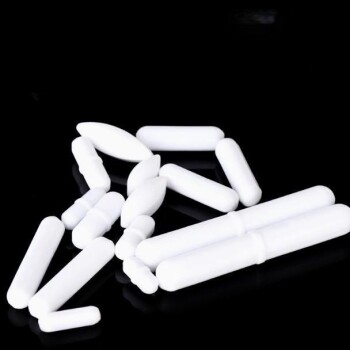
Custom PTFE Teflon Parts Manufacturer PTFE Magnetic Stirring Bar
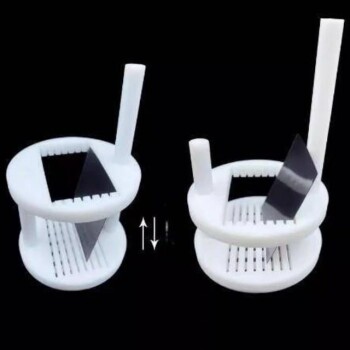
Custom PTFE Teflon Parts Manufacturer Adjustable Height Flower Basket
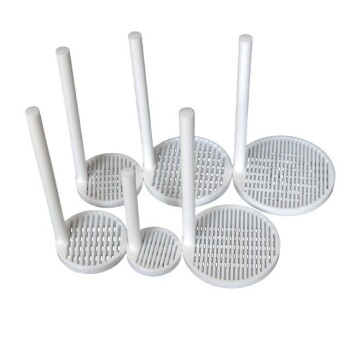
Custom PTFE Teflon Parts Manufacturer PTFE Cleaning Rack
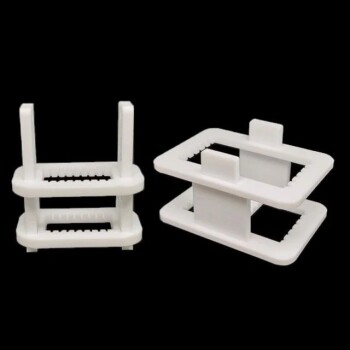
Custom PTFE Teflon Parts Manufacturer Conductive Glass Substrate Cleaning Rack
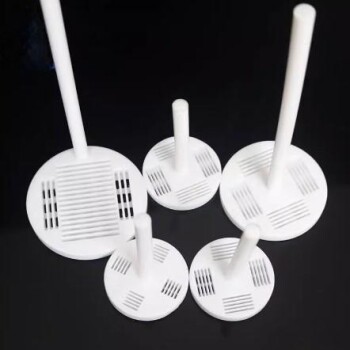
Custom Machined Molded PTFE Teflon Parts Manufacturer for Laboratory ITO FTO Conductive Glass Cleaning Flower Basket
