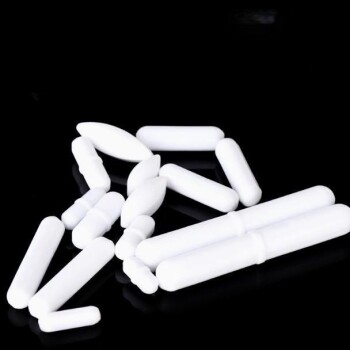
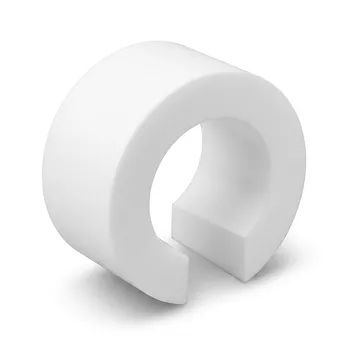
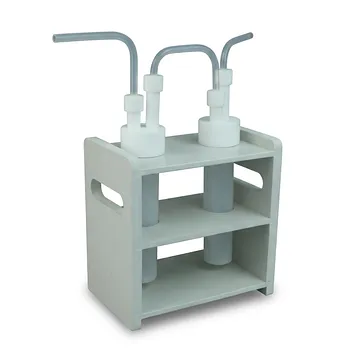
In both automotive and aerospace engineering, Teflon rods are machined into a range of high-performance components prized for their unique combination of properties. They are primarily used to create durable, low-friction parts like bushings, seals, bearings, and guide rings that often operate without traditional lubrication, significantly reducing wear and enhancing the reliability of critical assemblies.
The core value of Teflon in these demanding industries is not a single feature, but its unique ability to solve multiple engineering challenges at once: it creates reliable, self-lubricating parts that can withstand extreme temperatures, aggressive chemicals, and constant mechanical stress.

The Core Engineering Problems Solved by Teflon
The selection of a material like Teflon is never arbitrary; it is chosen because its intrinsic properties solve specific, persistent challenges in vehicle and aircraft design.
Eliminating Friction and Wear
Teflon (PTFE) has one of the lowest coefficients of friction of any solid material, making it an ideal choice for parts that slide against each other.
This self-lubricating nature allows components like bushings and bearings to operate smoothly without external oils or greases, which can fail at high temperatures or attract contaminants. This directly extends the lifespan of moving assemblies and improves overall mechanical efficiency.
Ensuring Performance Under Extreme Temperatures
Automotive engines and aerospace systems operate in environments with dramatic temperature fluctuations. Teflon maintains its stability and performance across a very wide thermal range.
This thermal stability makes it suitable for engine components, exhaust systems, and aerospace parts that must perform reliably from sub-zero temperatures to several hundred degrees.
Resisting Aggressive Chemicals
Components in fuel systems, engines, and hydraulic assemblies are constantly exposed to corrosive fluids like gasoline, motor oil, and hydraulic fluid.
Teflon is chemically inert, meaning it does not react with these aggressive substances. This prevents material degradation and ensures the long-term integrity of seals, gaskets, and fuel hoses.
Providing Reliable Sealing
Preventing leaks is a mission-critical function in both industries, whether it involves fuel, lubricants, or hydraulic pressure.
Teflon's flexibility and chemical resistance make it a superior material for seals and gaskets. It conforms to surfaces to create a tight, durable seal that won't break down over time.
Specific Applications: From Engine Block to Landing Gear
Understanding the core properties of Teflon helps clarify why it appears in such a diverse range of applications.
In the Automotive Sector
In vehicles, Teflon is used to improve performance, reduce maintenance, and extend component life.
Common applications machined from rod stock include low-friction bearings in steering systems, seals for transmissions, and bushings in suspension components. It is also used in fuel lines and as a coating on parts like pistons and brake pads to reduce wear and noise.
In the Aerospace Sector
In aerospace, reliability is paramount. Teflon's performance in extreme environments makes it a trusted material for critical functions.
It is used for high-performance seals and gaskets in engines and fuel systems, low-friction components in landing gear mechanisms, and as insulation for vital wiring due to its excellent non-conductive properties.
Understanding the Trade-offs
No material is a universal solution. An expert advisor must acknowledge the limitations of Teflon to ensure its proper application.
Low Mechanical Strength
Teflon is a relatively soft material with poor creep resistance, meaning it can deform under a sustained load. It is not suitable for high-load structural components.
This is why it is often used for liners, coatings, or in applications where the primary stresses are compressive, such as in a seal.
High Thermal Expansion
Teflon has a higher coefficient of thermal expansion than most metals. Engineers must account for this during the design phase to maintain precise tolerances as temperatures change.
Failing to consider expansion and contraction can lead to component failure, particularly in assemblies with tight clearances.
Making the Right Choice for Your Application
To apply Teflon effectively, align its key strengths with your primary engineering goal.
- If your primary focus is reducing friction in a moving assembly: Leverage Teflon's self-lubricating properties for bearings, bushings, and guide rings to extend service life.
- If your primary focus is sealing against harsh chemicals or fuels: Utilize its chemical inertness for gaskets, O-rings, and fuel system components that demand long-term stability.
- If your primary focus is reliability in a high-temperature environment: Rely on its thermal stability for use in engine parts, exhaust components, and other critical systems.
By understanding its fundamental properties and limitations, you can leverage Teflon not just as a material, but as a strategic solution to complex engineering challenges.
Summary Table:
| Application Area | Key Problem Solved | Teflon Component Example |
|---|---|---|
| Automotive | Low friction, chemical resistance | Bushings, seals, fuel line components |
| Aerospace | Extreme temperature stability, reliability | Engine seals, landing gear parts, wire insulation |
| Both Industries | Self-lubrication, wear reduction | Bearings, guide rings, gaskets |
Need high-performance PTFE components for your critical applications?
KINTEK specializes in precision machining of Teflon rods into custom seals, bushings, bearings, and labware for the semiconductor, medical, laboratory, and industrial sectors. We deliver solutions that meet extreme demands for temperature, chemical resistance, and low friction.
From prototyping to high-volume production, let us help you solve your toughest engineering challenges. Contact our experts today for a quote or to discuss your project requirements.
Visual Guide

Related Products
- Customizable PTFE Rods for Advanced Industrial Applications
- Custom Graphite Filled PTFE Rods for Advanced Industrial Applications
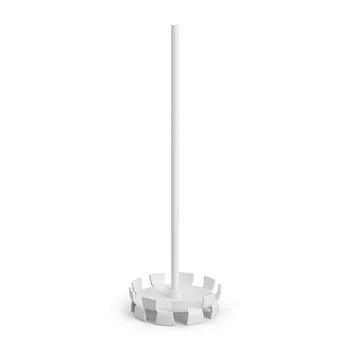
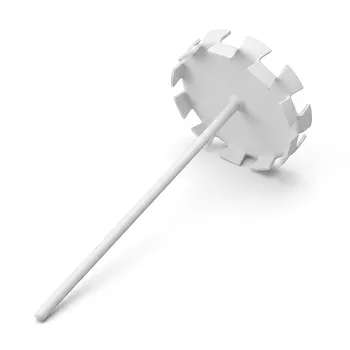
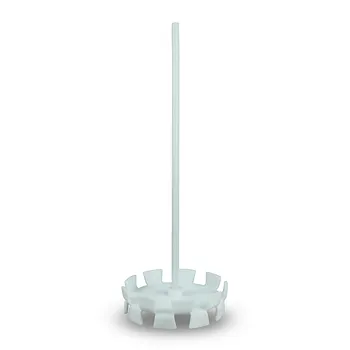
- Custom PTFE Dispersing Disc and Stirring Rod for Chemical Processing and Laboratory Mixing
- Custom PTFE Sleeves and Hollow Rods for Advanced Applications
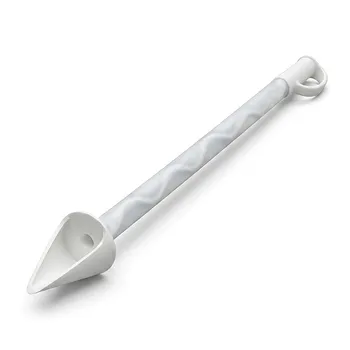
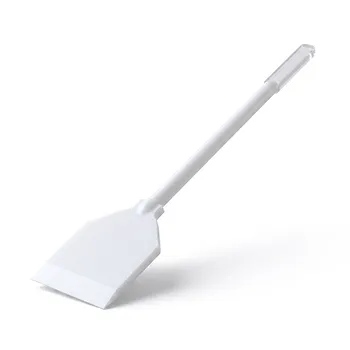
- Corrosion Resistant White PTFE Solid Sampler Manual Sampling Tool Customizable Length
People Also Ask
- How do PTFE rods contribute to energy efficiency in industrial applications? Reduce Friction & Power Consumption
- What are the different types of PTFE rods available based on manufacturing technology? Choose the Right Type for Your Project
- What are PTFE rods and how are they manufactured? A Guide to Their Properties and Production
- Why are PTFE rods suitable for medical applications? Unmatched Safety and Sterilization Performance
- How are PTFE rods utilized in electronic and electrical applications? Unlock Superior Performance & Reliability