Thematics Teflon Seal
Toggle Categories

Get Instant Support

Choose your preferred way to connect with our team

Response Time

Within 8 hours on working days, 24 hours on holidays

teflon seal

PTFE Teflon seals are essential components in industries requiring high chemical resistance and durability. Our product range includes:

  • Custom Machined Molded PTFE Parts: Ideal for semiconductor and lab use, offering high purity and custom designs.
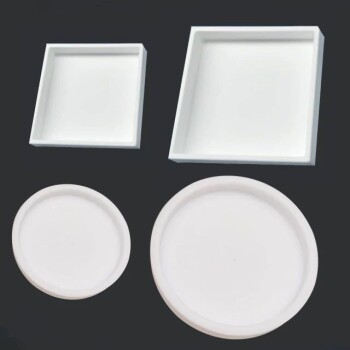
  • PTFE Containers & Components: Precision-made for labs and industry, resistant to harsh chemicals.
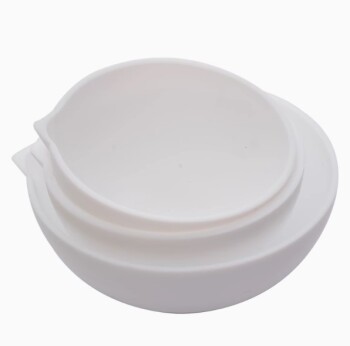
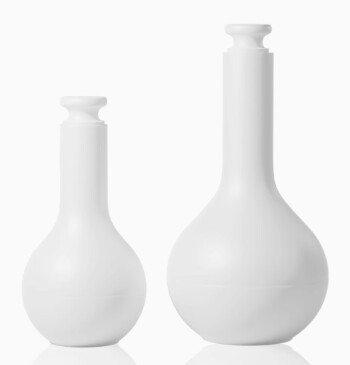
  • PTFE Bottles & Evaporating Dishes: Perfect for chemical storage and sample preparation, featuring non-stick surfaces.
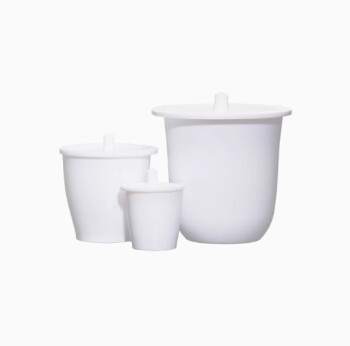
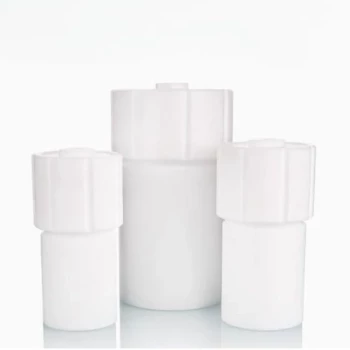
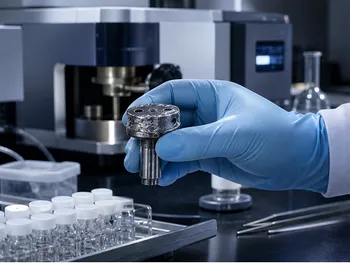
  • Microwave Digestion Vessels & Crucibles: Designed for contamination-free sample prep in analytical applications.
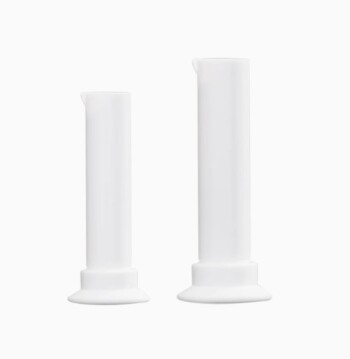
  • Measuring Cylinders & Volumetric Flasks: Engineered for precision in demanding environments.
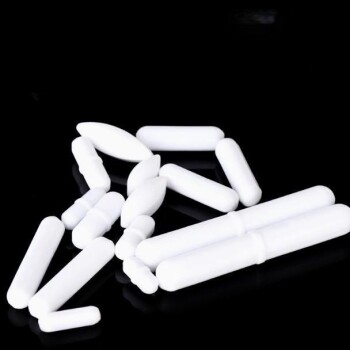
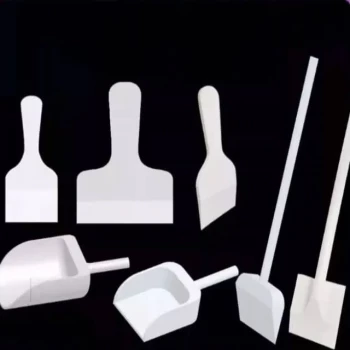
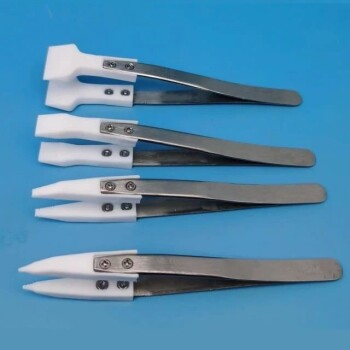
  • Scrapers, Shovels & Stirring Bars: Durable tools for precise material handling and mixing.

Premium PTFE Teflon Seals for Demanding Applications

PTFE (Polytetrafluoroethylene) Teflon seals are renowned for their exceptional chemical resistance, flexibility, and durability. These properties make them indispensable in industries such as semiconductor manufacturing, medical devices, laboratories, and industrial applications where exposure to harsh chemicals and extreme conditions is common.

Key Features of Our PTFE Teflon Seals

  1. Chemical Resistance: PTFE is inert to most chemicals, including strong acids, bases, and solvents, making it ideal for use in aggressive environments.
  2. Thermal Stability: With a wide operating temperature range (-200°C to +260°C), PTFE seals maintain their integrity under extreme conditions.
  3. Non-Stick Properties: The low friction coefficient of PTFE prevents material buildup, ensuring smooth operation and easy cleaning.
  4. Electrical Insulation: PTFE’s excellent dielectric properties make it suitable for electrical applications.
  5. Durability: Resistant to wear and tear, PTFE seals offer long service life even in high-stress applications.
  6. Customizability: We provide tailored solutions, from prototypes to high-volume production, to meet specific requirements.

Applications of PTFE Teflon Seals

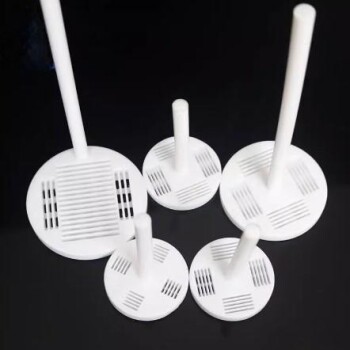
  • Semiconductor Industry: Used in wafer handling, cleaning baskets, and other components where purity and chemical resistance are critical.
  • Medical Devices: Ideal for implants, surgical tools, and diagnostic equipment due to biocompatibility and sterilization capabilities.
  • Laboratory Equipment: Essential for containers, evaporating dishes, and digestion vessels where contamination-free environments are necessary.
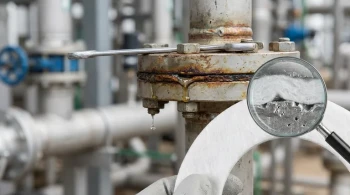
  • Industrial Components: Perfect for seals, gaskets, bearings, and coatings in automotive, aerospace, and chemical processing industries.

Why Choose KINTEK for Your PTFE Teflon Seals?

At KINTEK, we combine precision manufacturing with extensive expertise in PTFE fabrication. Our commitment to quality ensures that every product meets the highest standards. Whether you need standard components or custom-designed solutions, we deliver:

  • High-Purity Materials: Ensuring performance in sensitive applications.
  • Advanced Machining Techniques: For precise dimensions and finishes.
  • Rapid Prototyping: Accelerating your development process.
  • Scalable Production: From small batches to large-scale orders.

Get Started with Your Custom PTFE Solution

Ready to enhance your operations with high-performance PTFE Teflon seals? Contact us today to discuss your requirements. Our team of experts is here to provide tailored solutions that meet your exact needs. Let’s collaborate to create the perfect PTFE components for your application.

Experience the KINTEK difference – where precision meets performance.

FAQ

What Are The Main Applications Of Teflon Seals?

Teflon seals are widely used in various industries due to their versatility. Common applications include non-stick cookware (pans, skillets, baking sheets), industrial components like seals, gaskets, and bearings, electrical insulation, automotive coatings, medical devices, and aerospace components. They are also used in automotive parts, medical tools, and as padding due to their resistance to water, heat, and chemicals.

What Are The Key Features Of Teflon Seals?

Teflon seals are known for their exceptional chemical resistance, flexibility, and durability. These features make them highly suitable for demanding industrial applications where resistance to harsh chemicals and long-term performance are critical.

How Do Teflon Seals Work In Harsh Environments?

Teflon seals operate effectively in harsh environments due to their great chemical resistance. They can withstand exposure to a wide variety of chemicals without degrading, making them ideal for use in industries where chemical exposure is common.

What Are The Advantages Of Using Teflon Seals?

Teflon seals offer several advantages, including easy machinability due to their softness and density, and excellent thermal stability. These properties prevent part deformation and tool clogging during manufacturing, ensuring high-quality and reliable seals for various applications.

Are Teflon Seals Environmentally Friendly?

Yes, Teflon seals are environmentally friendly as they are made from renewable resources. Additionally, they are fire-safe, adding to their safety and sustainability benefits.

REQUEST A QUOTE

Our professional team will reply to you within one business day. Please feel free to contact us!


Related Articles

The Unseen Architect of Industrial Reliability: How PTFE Components Prevent Systemic Failure

The Unseen Architect of Industrial Reliability: How PTFE Components Prevent Systemic Failure

Discover how precision PTFE components mitigate the core drivers of mechanical failure—friction, corrosion, and heat—to build more reliable and efficient systems.

Read more
Beyond Sanitization: Why Your Material Choice Is the Real Key to Preventing Contamination

Beyond Sanitization: Why Your Material Choice Is the Real Key to Preventing Contamination

Recurring contamination in food & pharma isn't a process failure, but a material failure. Discover why PTFE is the key to lasting hygiene and uptime.

Read more
Beyond the Quarter-Turn: The Physics and Psychology of a PTFE Lined Ball Valve

Beyond the Quarter-Turn: The Physics and Psychology of a PTFE Lined Ball Valve

Discover how the simple mechanics and inert PTFE lining of a ball valve create absolute certainty in handling the world's most corrosive chemicals.

Read more
The Hidden Cost of Chemical Containers: Why Yours Are Failing and How to Fix It

The Hidden Cost of Chemical Containers: Why Yours Are Failing and How to Fix It

Discover the hidden molecular reason your plastic containers fail, leading to costly contamination and project delays. Learn how PTFE offers a secure fix.

Read more
Precision in the Margins: How a Tiny PTFE Seal Prevents Million-Dollar Failures

Precision in the Margins: How a Tiny PTFE Seal Prevents Million-Dollar Failures

Discover how the two-layer design of PTFE silicone septa protects sample integrity, prevents costly errors, and ensures data accuracy in pharma analysis.

Read more
The Hidden Risk of PTFE: Why Your Go-To Material Is Now a Liability—And What to Do About It

The Hidden Risk of PTFE: Why Your Go-To Material Is Now a Liability—And What to Do About It

Discover the hidden regulatory and performance risks of standard PTFE components. Learn why a strategic material choice is crucial for future-proofing your products.

Read more
The Fluorine Fortress: How PTFE's Molecular Simplicity Creates Unrivaled Performance

The Fluorine Fortress: How PTFE's Molecular Simplicity Creates Unrivaled Performance

Discover how PTFE's simple carbon-fluorine bond creates a molecular fortress, leading to extreme chemical inertness and low friction.

Read more
Why Your PTFE Expansion Joints Keep Failing—And It's Not for the Reason You Think

Why Your PTFE Expansion Joints Keep Failing—And It's Not for the Reason You Think

Discover the real reason your PTFE expansion joints fail. It's not the material, but the construction. Learn how to choose the right type for ultimate reliability.

Read more
Engineered for Trust: How High-Cycle PTFE Components Underpin Pharmaceutical Reliability

Engineered for Trust: How High-Cycle PTFE Components Underpin Pharmaceutical Reliability

High-cycle PTFE components aren't just durable; they mitigate risk by reducing maintenance interventions, ensuring process integrity and product purity.

Read more
The PTFE Trap: Why Your Team Is Debating the Wrong Question About "Forever Chemicals"

The PTFE Trap: Why Your Team Is Debating the Wrong Question About "Forever Chemicals"

Confused by the PTFE vs. PTFE-free debate? Learn why the real risk isn't the material itself but its lifecycle, and how to choose the right component.

Read more
The Silent Guardian: How PTFE's Physics of 'Doing Nothing' Secures Aerospace Reliability

The Silent Guardian: How PTFE's Physics of 'Doing Nothing' Secures Aerospace Reliability

Explore why PTFE's self-lubricating and inert properties make it a silent guardian against mechanical failure in extreme aerospace environments.

Read more
Beyond "Non-Stick": Why Your PTFE Components Fail and How to Fix It for Good

Beyond "Non-Stick": Why Your PTFE Components Fail and How to Fix It for Good

Learn the hidden engineering trade-off that causes PTFE parts to fail and how precision fabrication is the key to unlocking their true reliability.

Read more
When "High-Purity" Isn't Pure Enough: The Hidden Reason Your Critical Components Fail

When "High-Purity" Isn't Pure Enough: The Hidden Reason Your Critical Components Fail

Discover why standard high-performance components fail in critical applications and how precisely engineered PTFE is the key to eliminating costly process failures.

Read more
The Precision Trap: Understanding the Hidden Trade-offs of PTFE-Lined Globe Valves

The Precision Trap: Understanding the Hidden Trade-offs of PTFE-Lined Globe Valves

Explore the core trade-offs of PTFE-lined globe valves, from high pressure drop to material limits, and learn why component quality is key.

Read more
The Septum and the System: How a Tiny Seal Governs Laboratory Efficiency

The Septum and the System: How a Tiny Seal Governs Laboratory Efficiency

A deep dive into how PTFE/silicone septas protect sample integrity, prevent instrument downtime, and ensure data reliability in high-throughput labs.

Read more
Beyond Exotic Alloys: The Smarter Strategy for Corrosion-Proof Fluid Control

Beyond Exotic Alloys: The Smarter Strategy for Corrosion-Proof Fluid Control

Struggling with the high cost of alloy valves for corrosive media? Discover how precision-engineered PTFE components offer superior protection without breaking your budget.

Read more
The Art of Material Selection: A Pragmatic Guide to PTFE's Strengths and Weaknesses

The Art of Material Selection: A Pragmatic Guide to PTFE's Strengths and Weaknesses

Effective PTFE application requires a deep understanding of its trade-offs. This guide explores its unique properties and critical limitations.

Read more
Your Plant's Silent Killer: Why Standard Valves Fail with Corrosive Chemicals (And the One Fix That Works)

Your Plant's Silent Killer: Why Standard Valves Fail with Corrosive Chemicals (And the One Fix That Works)

Tired of costly downtime from failed valves? Discover the root cause of chemical corrosion and backflow, and how precision PTFE components offer a permanent solution.

Read more
Beyond the Spec Sheet: The Systemic Impact of PTFE in Pharmaceutical Manufacturing

Beyond the Spec Sheet: The Systemic Impact of PTFE in Pharmaceutical Manufacturing

Discover how PTFE's core properties—inertness and durability—systemically solve the critical pharma challenges of contamination, downtime, and cost.

Read more
Your Flanges Keep Leaking. The Problem Isn't the Gasket Material—It's the Compromise.

Your Flanges Keep Leaking. The Problem Isn't the Gasket Material—It's the Compromise.

Tired of flange leaks? Discover why choosing between chemical resistance & sealability is the problem, and how a hybrid PTFE gasket offers a permanent fix.

Read more