Thematics Ptfe Roller
Toggle Categories

Get Instant Support

Choose your preferred way to connect with our team

Response Time

Within 8 hours on working days, 24 hours on holidays

ptfe roller

PTFE rollers from KINTEK are engineered for superior performance in semiconductor, medical, and industrial applications. Our product range includes:

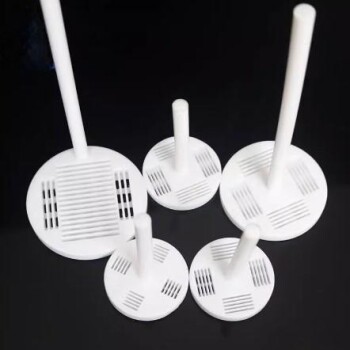
  • Custom Machined PTFE Parts: High-purity components for laboratory and semiconductor use, ideal for cleaning conductive glass and handling sensitive materials.
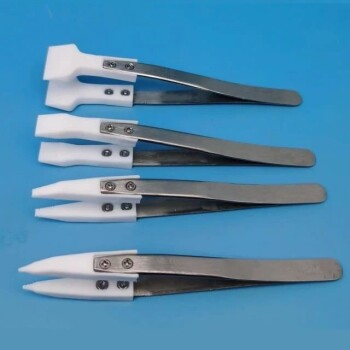
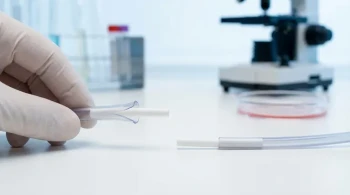
  • PTFE Tweezers & Tools: Precision instruments with chemical resistance, perfect for delicate operations in labs and cleanrooms.
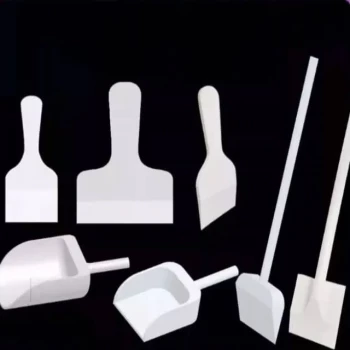
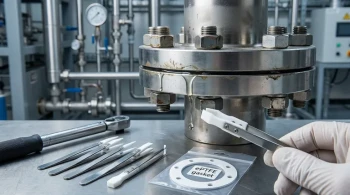
  • PTFE Scrapers & Shovels: Durable, non-stick tools designed for material handling in harsh chemical environments.
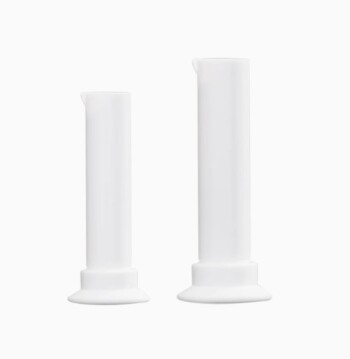
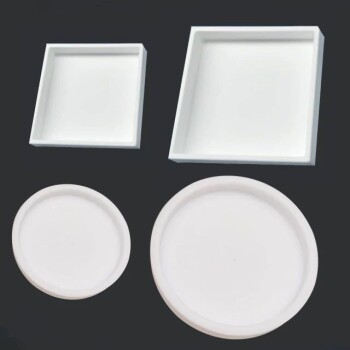
  • PTFE Containers & Cylinders: Customizable solutions for precise measurement and storage in scientific and industrial settings.
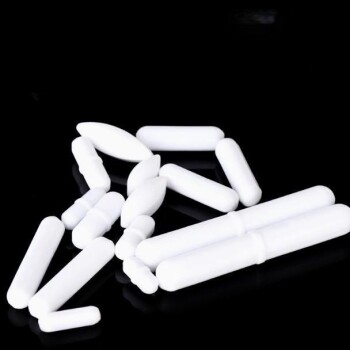
  • PTFE Magnetic Stirring Bars: High-temperature stable mixing tools for diverse laboratory applications.

Premium PTFE Rollers for Demanding Industrial Applications

KINTEK's PTFE rollers are crafted from high-performance polytetrafluoroethylene, offering unmatched properties for critical applications across industries. Our rollers combine advanced material science with precision engineering to deliver solutions that outperform conventional materials.

Key Characteristics of Our PTFE Rollers:

1. Exceptional Chemical Resistance

  • Withstands virtually all aggressive chemicals, including strong acids, bases, and solvents
  • Ideal for semiconductor processing, chemical manufacturing, and pharmaceutical applications
  • Maintains integrity in corrosive environments where metal rollers would degrade

2. Superior Non-Stick Properties

  • Ultra-low coefficient of friction (0.05-0.10) prevents material buildup
  • Reduces product contamination and maintenance downtime
  • Perfect for food processing, packaging, and adhesive applications

3. Extreme Temperature Stability

  • Operational range from -200°C to +260°C (-325°F to +500°F)
  • Maintains mechanical properties across the entire temperature spectrum
  • Suitable for cryogenic applications and high-temperature processing

4. Precision Engineering

  • Custom-designed to meet exact dimensional tolerances
  • Available in various diameters, lengths, and mounting configurations
  • Can be manufactured with specialized surface finishes for specific applications

5. Electrical Insulation Properties

  • Excellent dielectric strength for electronic manufacturing applications
  • Prevents static buildup in sensitive environments
  • Compliant with industry standards for cleanroom use

Manufacturing Process:

Our PTFE rollers are produced using advanced techniques:

  1. Material Preparation: High-purity PTFE powder is carefully selected and blended
  2. Preforming: Material is compressed into near-net shapes
  3. Sintering: Parts are heated to create the final molecular structure
  4. Machining: Precision CNC operations achieve exact specifications
  5. Quality Control: Rigorous testing ensures dimensional accuracy and material properties

Industry Applications:

  • Semiconductor Manufacturing: Wafer handling, cleanroom conveyors
  • Medical Device Production: Sterile packaging, drug delivery systems
  • Food Processing: Non-stick conveyor systems, packaging lines
  • Chemical Processing: Corrosion-resistant material handling
  • Printing & Converting: Precision web guiding, tension control

Why Choose KINTEK PTFE Rollers?

  1. Custom Solutions: From prototype to production, we engineer rollers to your exact requirements
  2. Material Expertise: Decades of experience in high-performance polymer applications
  3. Quality Assurance: ISO-certified manufacturing with traceability
  4. Technical Support: Application engineering assistance for optimal performance
  5. Rapid Prototyping: Accelerate your development cycle with our fast-turn capabilities

Performance Advantages:

  • Longer Service Life: Outlasts traditional materials 3-5x in demanding conditions
  • Reduced Maintenance: Minimizes cleaning requirements and downtime
  • Improved Product Quality: Eliminates contamination risks
  • Energy Efficiency: Lower friction reduces drive power requirements

Ready to upgrade your material handling systems with high-performance PTFE rollers? Contact our engineering team today to discuss your specific application requirements. Our experts will help you select or design the perfect PTFE roller solution for your operational challenges.

For critical applications where conventional materials fail, trust KINTEK's PTFE rollers to deliver reliable, maintenance-free performance. Request a quote or consultation today to discover how our advanced polymer solutions can optimize your processes.

FAQ

What Are The Main Applications Of PTFE Rollers?

PTFE rollers are widely used in food and drink production equipment, medical devices (such as catheters, syringes, and sutures), electrical insulation, electronic component protection, and chemical industry products (including gaskets, vessel linings, and tanks). They are also suitable for cooking equipment, conveyor belt rollers, temperature sensor casings, and non-stick surface covers due to their ability to withstand harsh environments.

What Are The Key Features Of PTFE Rollers?

PTFE rollers have a low coefficient of friction, excellent chemical inertness, a non-adhesive surface, and can withstand a wide temperature range from –200°C to +260°C. They also possess excellent dielectric properties, making them ideal for various demanding applications.

How Are PTFE Rollers Manufactured?

PTFE rollers are manufactured using raw PTFE in powder or liquid forms. Smaller items can be dipped and spun to remove excess material. Another method involves negatively charging PTFE particles with an electrode-equipped spray gun for an electrostatic coating. The final step is curing the coated object at high temperatures.

What Are The Advantages Of Using PTFE Rollers?

PTFE rollers offer numerous advantages, including exceptional corrosion resistance, a long shelf life, a wide temperature range (-325°F to above 500°F), no swelling (hydrophobic properties), FDA compliance, UV radiation resistance, and excellent electrical resistance. These properties make them highly durable and reliable in challenging environments.

Why Are PTFE Rollers Preferred In The Chemical Industry?

PTFE rollers are preferred in the chemical industry due to their excellent chemical inertness and corrosion resistance. They can withstand exposure to harsh chemicals and extreme temperatures, making them ideal for use in gaskets, vessel linings, tanks, and other chemical industry applications.

Can PTFE Rollers Be Customized For Specific Applications?

Yes, PTFE rollers can be customized for specific applications. Manufacturers offer custom fabrication from prototypes to high-volume orders, ensuring that the rollers meet the precise requirements of different industries, such as semiconductor, medical, and laboratory applications.

REQUEST A QUOTE

Our professional team will reply to you within one business day. Please feel free to contact us!


Related Articles

The Unseen Architect of Industrial Reliability: How PTFE Components Prevent Systemic Failure

The Unseen Architect of Industrial Reliability: How PTFE Components Prevent Systemic Failure

Discover how precision PTFE components mitigate the core drivers of mechanical failure—friction, corrosion, and heat—to build more reliable and efficient systems.

Read more
Beyond Sanitization: Why Your Material Choice Is the Real Key to Preventing Contamination

Beyond Sanitization: Why Your Material Choice Is the Real Key to Preventing Contamination

Recurring contamination in food & pharma isn't a process failure, but a material failure. Discover why PTFE is the key to lasting hygiene and uptime.

Read more
Beyond the Quarter-Turn: The Physics and Psychology of a PTFE Lined Ball Valve

Beyond the Quarter-Turn: The Physics and Psychology of a PTFE Lined Ball Valve

Discover how the simple mechanics and inert PTFE lining of a ball valve create absolute certainty in handling the world's most corrosive chemicals.

Read more
The Hidden Cost of Chemical Containers: Why Yours Are Failing and How to Fix It

The Hidden Cost of Chemical Containers: Why Yours Are Failing and How to Fix It

Discover the hidden molecular reason your plastic containers fail, leading to costly contamination and project delays. Learn how PTFE offers a secure fix.

Read more
Precision in the Margins: How a Tiny PTFE Seal Prevents Million-Dollar Failures

Precision in the Margins: How a Tiny PTFE Seal Prevents Million-Dollar Failures

Discover how the two-layer design of PTFE silicone septa protects sample integrity, prevents costly errors, and ensures data accuracy in pharma analysis.

Read more
The Hidden Risk of PTFE: Why Your Go-To Material Is Now a Liability—And What to Do About It

The Hidden Risk of PTFE: Why Your Go-To Material Is Now a Liability—And What to Do About It

Discover the hidden regulatory and performance risks of standard PTFE components. Learn why a strategic material choice is crucial for future-proofing your products.

Read more
The Fluorine Fortress: How PTFE's Molecular Simplicity Creates Unrivaled Performance

The Fluorine Fortress: How PTFE's Molecular Simplicity Creates Unrivaled Performance

Discover how PTFE's simple carbon-fluorine bond creates a molecular fortress, leading to extreme chemical inertness and low friction.

Read more
Why Your PTFE Expansion Joints Keep Failing—And It's Not for the Reason You Think

Why Your PTFE Expansion Joints Keep Failing—And It's Not for the Reason You Think

Discover the real reason your PTFE expansion joints fail. It's not the material, but the construction. Learn how to choose the right type for ultimate reliability.

Read more
Engineered for Trust: How High-Cycle PTFE Components Underpin Pharmaceutical Reliability

Engineered for Trust: How High-Cycle PTFE Components Underpin Pharmaceutical Reliability

High-cycle PTFE components aren't just durable; they mitigate risk by reducing maintenance interventions, ensuring process integrity and product purity.

Read more
The PTFE Trap: Why Your Team Is Debating the Wrong Question About "Forever Chemicals"

The PTFE Trap: Why Your Team Is Debating the Wrong Question About "Forever Chemicals"

Confused by the PTFE vs. PTFE-free debate? Learn why the real risk isn't the material itself but its lifecycle, and how to choose the right component.

Read more
The Silent Guardian: How PTFE's Physics of 'Doing Nothing' Secures Aerospace Reliability

The Silent Guardian: How PTFE's Physics of 'Doing Nothing' Secures Aerospace Reliability

Explore why PTFE's self-lubricating and inert properties make it a silent guardian against mechanical failure in extreme aerospace environments.

Read more
Beyond "Non-Stick": Why Your PTFE Components Fail and How to Fix It for Good

Beyond "Non-Stick": Why Your PTFE Components Fail and How to Fix It for Good

Learn the hidden engineering trade-off that causes PTFE parts to fail and how precision fabrication is the key to unlocking their true reliability.

Read more
When "High-Purity" Isn't Pure Enough: The Hidden Reason Your Critical Components Fail

When "High-Purity" Isn't Pure Enough: The Hidden Reason Your Critical Components Fail

Discover why standard high-performance components fail in critical applications and how precisely engineered PTFE is the key to eliminating costly process failures.

Read more
The Precision Trap: Understanding the Hidden Trade-offs of PTFE-Lined Globe Valves

The Precision Trap: Understanding the Hidden Trade-offs of PTFE-Lined Globe Valves

Explore the core trade-offs of PTFE-lined globe valves, from high pressure drop to material limits, and learn why component quality is key.

Read more
The Septum and the System: How a Tiny Seal Governs Laboratory Efficiency

The Septum and the System: How a Tiny Seal Governs Laboratory Efficiency

A deep dive into how PTFE/silicone septas protect sample integrity, prevent instrument downtime, and ensure data reliability in high-throughput labs.

Read more
Beyond Exotic Alloys: The Smarter Strategy for Corrosion-Proof Fluid Control

Beyond Exotic Alloys: The Smarter Strategy for Corrosion-Proof Fluid Control

Struggling with the high cost of alloy valves for corrosive media? Discover how precision-engineered PTFE components offer superior protection without breaking your budget.

Read more
The Art of Material Selection: A Pragmatic Guide to PTFE's Strengths and Weaknesses

The Art of Material Selection: A Pragmatic Guide to PTFE's Strengths and Weaknesses

Effective PTFE application requires a deep understanding of its trade-offs. This guide explores its unique properties and critical limitations.

Read more
Your Plant's Silent Killer: Why Standard Valves Fail with Corrosive Chemicals (And the One Fix That Works)

Your Plant's Silent Killer: Why Standard Valves Fail with Corrosive Chemicals (And the One Fix That Works)

Tired of costly downtime from failed valves? Discover the root cause of chemical corrosion and backflow, and how precision PTFE components offer a permanent solution.

Read more
Beyond the Spec Sheet: The Systemic Impact of PTFE in Pharmaceutical Manufacturing

Beyond the Spec Sheet: The Systemic Impact of PTFE in Pharmaceutical Manufacturing

Discover how PTFE's core properties—inertness and durability—systemically solve the critical pharma challenges of contamination, downtime, and cost.

Read more
Your Flanges Keep Leaking. The Problem Isn't the Gasket Material—It's the Compromise.

Your Flanges Keep Leaking. The Problem Isn't the Gasket Material—It's the Compromise.

Tired of flange leaks? Discover why choosing between chemical resistance & sealability is the problem, and how a hybrid PTFE gasket offers a permanent fix.

Read more