Thematics Custom Teflon Parts

custom teflon parts

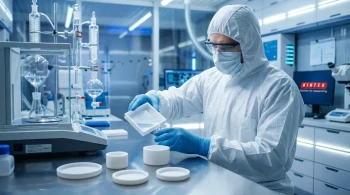
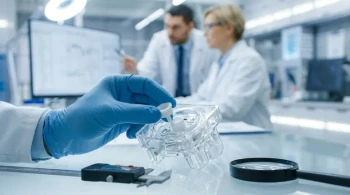
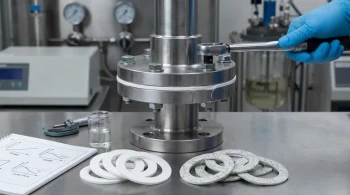
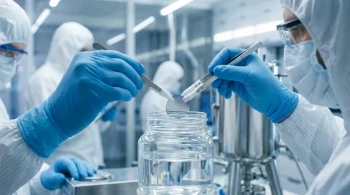
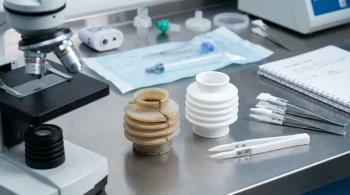
KINTEK specializes in high-precision custom PTFE (Teflon) parts designed for demanding applications across semiconductor, medical, laboratory, and industrial sectors. Our product range includes:

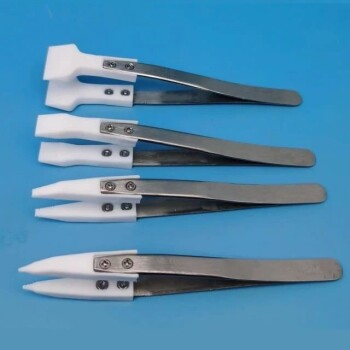
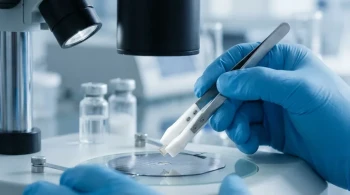
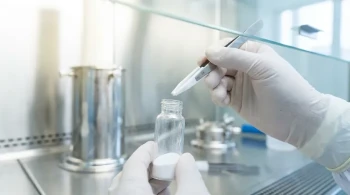
  • PTFE Tweezers: Precision tools for handling sensitive components
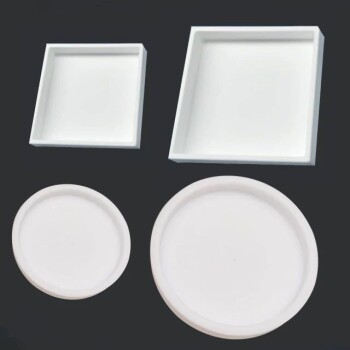
  • PTFE Containers: Chemical-resistant vessels for lab and industrial use
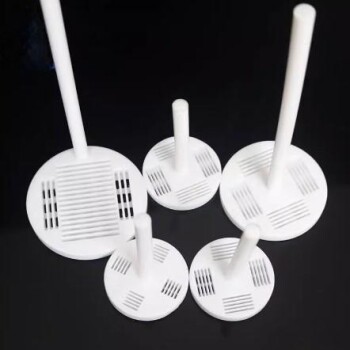
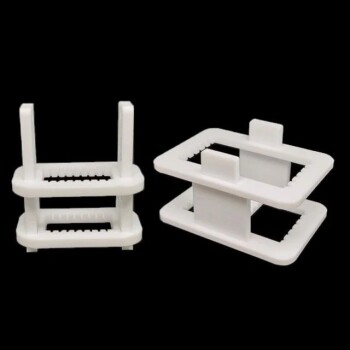
  • Cleaning Racks & Flower Baskets: Specialized designs for semiconductor wafer processing
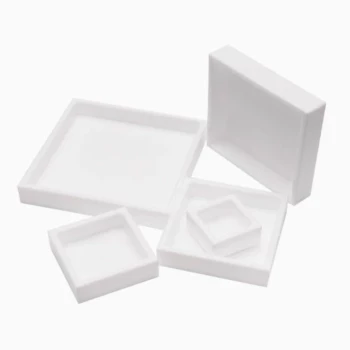
  • Square Trays: Non-stick work surfaces for laboratory environments
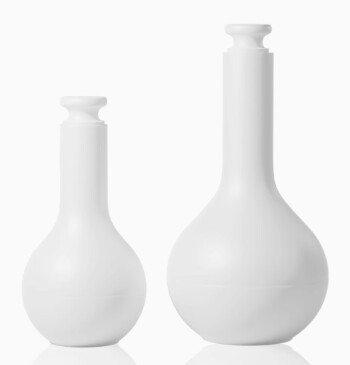
  • Volumetric Flasks: High-purity measurement vessels for analytical applications

All products are available in custom configurations to meet your specific requirements.


Why Choose KINTEK's Custom PTFE Parts?

Unmatched Material Properties

Our PTFE (Teflon) components leverage the material's exceptional properties:

  • Chemical Resistance: Withstands virtually all aggressive chemicals, including strong acids, bases, and solvents
  • Thermal Stability: Maintains integrity from -200°C to +260°C (-328°F to +500°F)
  • Low Friction: Coefficient of friction as low as 0.05 for smooth operation
  • Electrical Insulation: Excellent dielectric properties for electronic applications
  • Non-Stick Surface: Prevents material buildup and facilitates easy cleaning

Precision Engineering for Critical Applications

Each custom PTFE part is manufactured to exacting standards:

  1. Semiconductor Grade Components:

    • Ultra-clean processing for wafer handling
    • Static-dissipative formulations available
    • Precision-machined to ±0.001" tolerances
  2. Medical & Laboratory Solutions:

    • USP Class VI compliant materials
    • Autoclavable designs
    • Custom geometries for specialized equipment
  3. Industrial Applications:

    • Heavy-duty seals and bearings
    • Custom liners for chemical processing
    • Large-scale production capabilities

Custom Fabrication Process

Our end-to-end service ensures perfect-fit solutions:

  1. Design Consultation: Our engineers work with your team to optimize part geometry
  2. Material Selection: Choose from virgin PTFE, filled compounds, or conductive formulations
  3. Prototyping: Rapid turnaround for design validation
  4. Production: Scalable from single pieces to high-volume orders
  5. Quality Assurance: Full dimensional inspection and material certification

Industry-Specific Solutions

  • Semiconductor: Wafer carriers, cleaning baskets, FOUP components
  • Medical: Surgical instrument components, implant handling tools
  • Pharmaceutical: Mixing paddles, reaction vessel liners
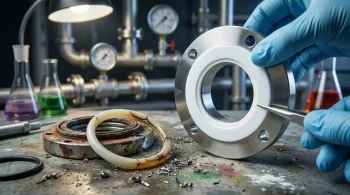
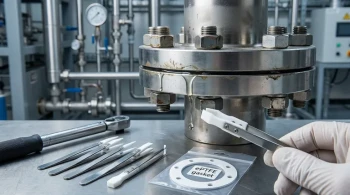
  • Chemical Processing: Pump components, valve seats, gaskets
  • Analytical: LC/MS components, sample handling tools

Competitive Advantages

  • 50+ Years of PTFE machining expertise
  • ISO 9001:2015 certified quality system
  • Short lead times with same-day quotes available
  • Domestic US production with global shipping
  • Comprehensive support from concept to delivery

Get Started With Your Custom PTFE Project

Whether you need a prototype or production quantities, KINTEK delivers precision PTFE solutions tailored to your exact specifications. Our team is ready to help you solve challenging application requirements with custom-engineered components.

Contact our engineers today to discuss your project requirements and receive a free consultation. Let us put our PTFE expertise to work for you!

FAQ

What Are The Main Applications Of Custom Teflon Parts?

Custom Teflon parts are widely used in various industries including aerospace, automotive, chemical processing, food and beverage, pharmaceuticals, heavy machinery, and marine and offshore applications. They are also used as coatings for non-stick surfaces, insulation for electrical components, and sealing materials for high-pressure systems.

What Are The Key Features Of Custom Teflon Parts?

Custom Teflon parts are known for their high chemical resistance, low friction coefficient, high-temperature stability, and excellent electrical insulation. These features make them suitable for demanding industrial and laboratory environments.

What Are The Advantages Of Using Custom Teflon Parts?

The advantages of custom Teflon parts include a long service life, cost-effectiveness, enhanced performance under harsh conditions, and versatility in design for multiple applications. These benefits make them a preferred choice in many industries.

Why Is Teflon Preferred For High-temperature Applications?

Teflon is preferred for high-temperature applications due to its high-temperature stability, which allows it to maintain its properties and performance even under extreme heat conditions.

Can Custom Teflon Parts Be Used In The Food And Beverage Industry?

Yes, custom Teflon parts are commonly used in the food and beverage industry due to their chemical inertness, non-stick properties, and ability to withstand high temperatures, making them safe and efficient for food processing applications.

What Makes Teflon Suitable For Electrical Insulation?

Teflon's excellent electrical insulation properties, combined with its high-temperature stability and chemical resistance, make it an ideal material for insulating electrical components in various industrial and laboratory settings.

REQUEST A QUOTE

Our professional team will reply to you within one business day. Please feel free to contact us!


Related Articles

Why Critical Aerospace Systems Fail in Extreme Conditions—and the Material Strategy That Prevents It

Discover why standard materials fail in aerospace environments and how high-precision PTFE components solve thermal, chemical, and vacuum challenges.

Read more

Why Flawless Displays Begin with the "Invisible" Physics of PTFE Flower Baskets

Discover why high-tech display yields often fail due to substrate contamination and how precision-engineered PTFE flower baskets solve the "ghost defect" problem.

Read more

Why Your Results Drift in Harsh Electrolytes—and the Atomic Armor That Fixes It

Discover how the molecular structure of PTFE prevents contamination and equipment failure in battery testing and chemical research, ensuring long-term data integrity.

Read more
The Phantom Contaminant: Why Your Metal Rotors Are Sabotaging Your ICP-MS Results

The Phantom Contaminant: Why Your Metal Rotors Are Sabotaging Your ICP-MS Results

Discover why PTFE rotors outperform metal in analytical instrumentation. Learn how to eliminate trace contamination and corrosion in ICP-MS and chemical research.

Read more

Why Your PTFE Connections Leak Under Pressure—And the Precision Engineering That Stops It

Discover why standard fittings fail in high-purity labs and how the four-part mechanics of a two-ferrule PTFE connector ensure a leak-proof, high-grip seal.

Read more

Why Traditional Plastic Molding Fails with PTFE—And the Secret to Precision Labware Fabrication

Learn why PTFE’s high melt viscosity makes injection molding impossible and how specialized sintering and CNC machining deliver high-precision lab components.

Read more

Beyond the Melting Point: Why Your PTFE Labware Fails Sooner Than You Think—And How to Fix It

Discover the real thermal limits of PTFE labware. Learn why "melting point" isn't the only safety metric and how to ensure reliability from -200°C to +260°C.

Read more

The Invisible Yield Killer: Why Standard Fluid Components Are Compromising Your Semiconductor Purity

Discover why microscopic contamination in fluid paths ruins semiconductor yields and how precision-engineered PTFE components provide the PPT-level purity required.

Read more

Why Your High-Acidity Mixing Fails—And How PTFE Rotors Solve the Contamination Crisis

Discover why standard laboratory stirrers fail in aggressive chemical environments and how PTFE rotors provide the ultimate solution for contamination-free mixing.

Read more
Beyond the Bolt: Why Your Flange Leaks Are a Material Science Problem, Not a Mechanical One

Beyond the Bolt: Why Your Flange Leaks Are a Material Science Problem, Not a Mechanical One

Tired of recurring flange leaks? Discover the hidden material failure causing them and how ePTFE gaskets provide a permanent solution for equipment reliability.

Read more
Your Recurring Nightmare: Why High-Purity Fluid Systems Fail and How to Stop It for Good

Your Recurring Nightmare: Why High-Purity Fluid Systems Fail and How to Stop It for Good

Discover the root cause of recurring pipe corrosion and contamination in critical systems. It's not wear and tear—it's a chemical war you can win.

Read more
When "Chemically Inert" Isn't Enough: The Hidden Cause of PTFE Component Failure

When "Chemically Inert" Isn't Enough: The Hidden Cause of PTFE Component Failure

Discover why standard PTFE components fail in critical applications, even with 'safe' chemicals. Learn the hidden role of fabrication quality and how to prevent costly downtime.

Read more
Why 'Medical-Grade' Isn't Enough: The Hidden Risk in Your PTFE Components

Why 'Medical-Grade' Isn't Enough: The Hidden Risk in Your PTFE Components

Generic 'medical-grade' PTFE poses hidden risks. Discover why material purity and manufacturing precision are the real keys to device safety.

Read more
When 'Tougher' Isn't Enough: The Hidden Reason Your Industrial Components Are Failing

When 'Tougher' Isn't Enough: The Hidden Reason Your Industrial Components Are Failing

Discover why conventional materials fail under combined stress and how PTFE components provide a definitive solution for chemical, thermal, and friction challenges.

Read more
The Gasket Keeps Leaking: Why Your Standard PTFE Seal Fails and How to Fix It for Good

The Gasket Keeps Leaking: Why Your Standard PTFE Seal Fails and How to Fix It for Good

Tired of PTFE gasket leaks? Discover the hidden flaw in standard PTFE and how expanded PTFE (ePTFE) provides a permanent fix for critical applications.

Read more
Why Your PTFE Gaskets Keep Leaking—And Why Tighter Bolts Won't Fix It

Why Your PTFE Gaskets Keep Leaking—And Why Tighter Bolts Won't Fix It

Tired of recurring PTFE gasket leaks? Discover the true cause of failure ('creep') and learn how to select the right material for a permanent, reliable seal.

Read more
The Unseen Guardian: How PTFE's Molecular Shield Protects Our Most Critical Systems

The Unseen Guardian: How PTFE's Molecular Shield Protects Our Most Critical Systems

An engineer's look at PTFE's chemical inertness and thermal stability, and why precision fabrication is key to its reliability.

Read more
Why Your Medical Device Components Fail Under Stress—And What to Do About It

Why Your Medical Device Components Fail Under Stress—And What to Do About It

Tired of component failures in medical devices? Discover why common elastomers fail under combined stress and how precision PTFE offers a permanent solution.

Read more
The Asymmetric Cost of Failure: Why Precision PTFE Is Your Last Line of Defense

The Asymmetric Cost of Failure: Why Precision PTFE Is Your Last Line of Defense

Learn how PTFE components save money not by being reusable, but by preventing catastrophic analytical failures and mitigating invisible financial risks.

Read more
The Silent Thief: How Component Surfaces Dictate Pharmaceutical Profitability

The Silent Thief: How Component Surfaces Dictate Pharmaceutical Profitability

Discover how PTFE's unique material properties in components combat product loss and contamination, directly boosting pharmaceutical yield and purity.

Read more