Within 8 hours on working days, 24 hours on holidays
teflon balls
PTFE Teflon balls are essential components in various industries due to their exceptional chemical resistance, low friction, and durability. These balls are widely used in ball valves, check valves, compressors, bearings, and medical devices. They are also found in food preparation, electronics, and pharmaceuticals. Our product range includes:
Custom PTFE Parts: Precision-machined Teflon balls for specialized applications.
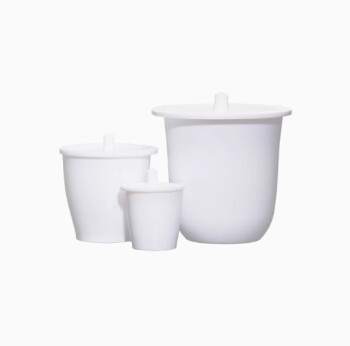
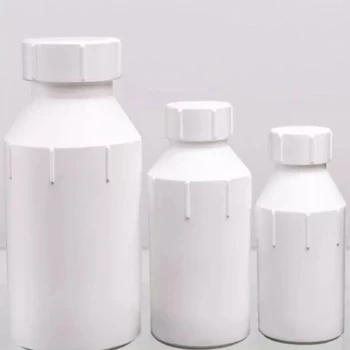
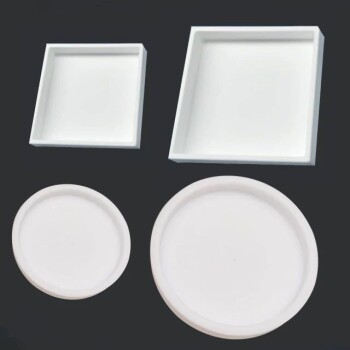
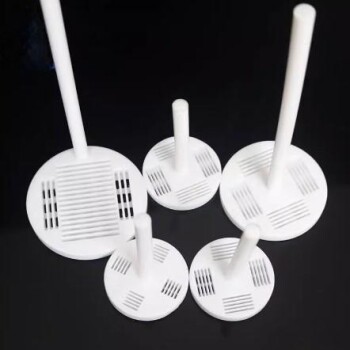
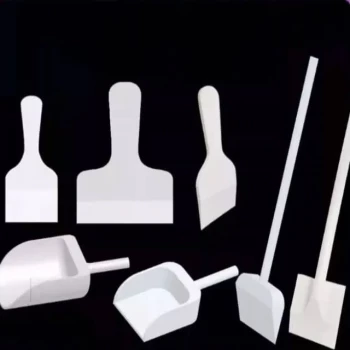
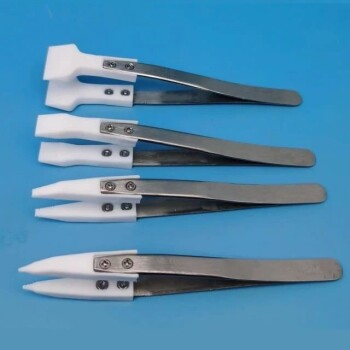
PTFE Containers & Components: High-purity solutions for labs and industry.
Premium PTFE Teflon Balls for Demanding Applications
PTFE (Polytetrafluoroethylene) Teflon balls are engineered to meet the highest standards of performance in critical environments. Their unique properties make them indispensable across multiple industries, from semiconductor manufacturing to medical device production.
Key Characteristics of Our PTFE Teflon Balls
Chemical Resistance: Impervious to virtually all industrial chemicals, acids, and solvents, ensuring longevity in harsh environments.
Temperature Stability: Operates effectively from cryogenic temperatures up to 260°C (500°F), with a melting point of 327°C (621°F).
Low Friction: Coefficient of friction as low as 0.110, reducing wear and energy consumption in moving parts.
Electrical Insulation: Dielectric constant of 2.1 makes them ideal for electronic applications.
Non-Stick Surface: Prevents material buildup, ensuring clean operation in valves and bearings.
Customizability: Available in any size or configuration, from precision micro-balls to large industrial spheres.
Technical Specifications
Specific Gravity: 2.10 – 2.20 g/cc
Hardness: 55D Shore
Tensile Strength: 2990-4970 psi
Flexural Strength: 2490 psi
Water Absorption: 0.01% over 24 hours
Industry-Specific Advantages
Semiconductor & Laboratory Use:
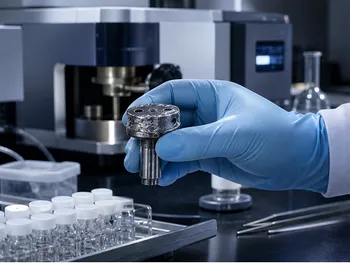
Contamination-free handling of wafers and substrates
Chemical resistance for aggressive cleaning processes
Precision components for analytical equipment
Medical & Pharmaceutical Applications:
Biocompatible material meeting FDA requirements
Sterilizable for surgical instruments and implants
Non-reactive with pharmaceuticals
Industrial & Automotive:
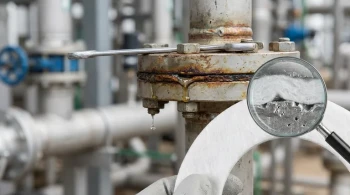
Long-lasting seals and bearings in corrosive environments
Reduced maintenance in pumps and valves
Lightweight alternative to metal components
Food Processing:
NSF-compliant materials for food contact
Easy-clean surfaces for hygienic production
No leaching of contaminants
Why Choose KINTEK for Your PTFE Needs?
With decades of experience in precision PTFE fabrication, we combine advanced manufacturing techniques with rigorous quality control to deliver components that outperform industry standards. Our capabilities include:
Prototype Development: Rapid turnaround for design validation
High-Volume Production: Scalable solutions with consistent quality
Material Expertise: Guidance on optimal PTFE formulations for your application
Secondary Operations: Machining, drilling, and finishing services
Custom Solutions for Unique Challenges
Every application has unique demands. Our engineering team works closely with clients to develop tailored solutions, whether you need:
Specialized coatings for enhanced performance
Composite materials with improved mechanical properties
Complex geometries with tight tolerances
FDA/USP Class VI or other certifications
Contact our specialists today to discuss your PTFE ball requirements. From initial consultation to final delivery, we're committed to providing the perfect solution for your technical challenges.
Quality Assurance & Compliance
All KINTEK PTFE products undergo comprehensive testing, including:
Dimensional verification
Material purity analysis
Performance testing under simulated conditions
Traceability documentation
We maintain ISO 9001 certification and adhere to industry-specific standards for semiconductor, medical, and food-grade applications.
Sustainable Manufacturing
Our PTFE products support environmental initiatives through:
Long service life reducing replacement frequency
Recyclable material at end-of-life
Energy-efficient manufacturing processes
Compliance with RoHS and REACH regulations
For mission-critical applications where failure is not an option, trust KINTEK's PTFE Teflon balls to deliver unmatched reliability. Request a quote now and experience the difference of working with a true PTFE solutions partner.
FAQ
What Are The Common Applications Of Teflon Balls?
Teflon balls are widely used in ball valves, check valves, compressors, bearings, gears, slide plates, and volume displacement. They are also utilized in medical devices, food preparation, electronics, pharmaceuticals, and various industrial applications due to their purity and chemical resistance.
What Are The Key Features Of Teflon Balls?
Teflon balls are waterproof, non-porous, and can be machined or molded to any desired size. They are inert, chemically resistant, and operate effectively across a wide temperature range. Additionally, they are corrosion-resistant against caustic chemicals, have a long surface life, and excellent ductility, making them ideal for sealing applications.
What Are The Technical Specifications Of Teflon Balls?
Teflon balls have a specific gravity of 2.10 – 2.20 g/cc, hardness shore of 55D, tensile strength of 2990-4970 psi, flexural strength of 2490 psi, melting point of 621°F (327°C), heat deflection temperature of 248°F (120°C), coefficient of friction of 0.110, water absorption of 0.01% over 24 hours, and a dielectric constant of 2.1.
What Are The Advantages Of Using Teflon Balls?
Teflon balls offer several advantages including high chemical resistance, excellent durability, and a low coefficient of friction. They are also waterproof, non-porous, and can withstand a wide range of temperatures. Their corrosion resistance and long surface life make them excellent for sealing and other demanding applications.
Why Are Teflon Balls Preferred In Medical And Food Industries?
Teflon balls are preferred in medical and food industries due to their high purity, chemical inertness, and non-toxic properties. They do not react with substances they come into contact with, ensuring safety and hygiene in sensitive applications like medical devices and food preparation.
Can Teflon Balls Be Customized For Specific Applications?
Yes, Teflon balls can be machined or molded to any desired size and shape to meet specific application requirements. Custom designs are available to suit various industrial, laboratory, and medical needs, ensuring optimal performance in specialized environments.
This website uses cookies to enhance your browsing experience,
analyze site traffic, and serve better user experiences. By continuing to use this site, you consent to our use of
cookies. Learn more in our cookie policy.