Within 8 hours on working days, 24 hours on holidays
ptfe labware
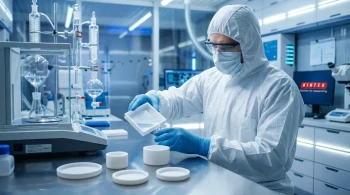
PTFE labware from KINTEK is engineered for precision and durability in demanding environments. Our products are ideal for semiconductor manufacturing, medical applications, and industrial processes where chemical resistance and purity are paramount. Our range includes:
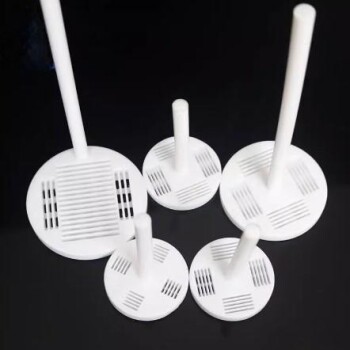
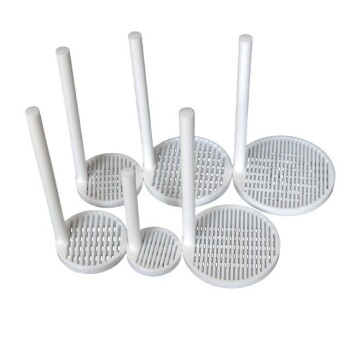
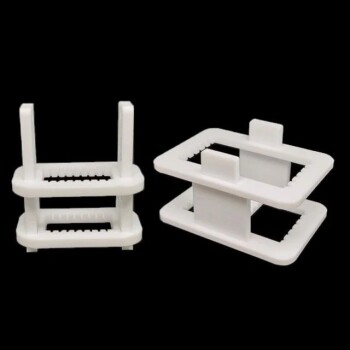
PTFE Flower Baskets: High-purity baskets for cleaning silicon wafers and glass substrates, resistant to harsh chemicals.
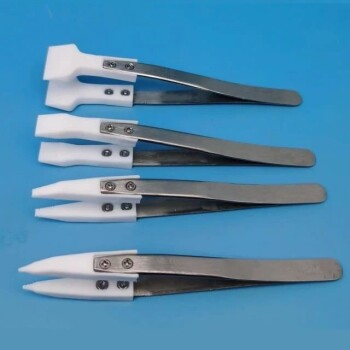
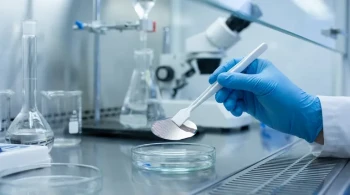
PTFE Tweezers and Scrapers: Non-stick, durable tools for precise material handling in labs and cleanrooms.
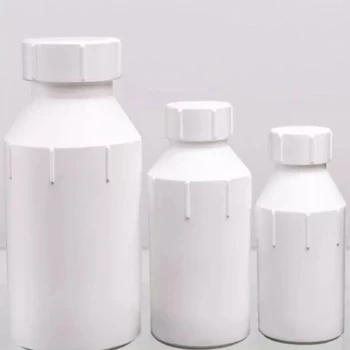
PTFE Containers and Bottles: Leak-proof, chemical-resistant storage solutions for acids and solvents.
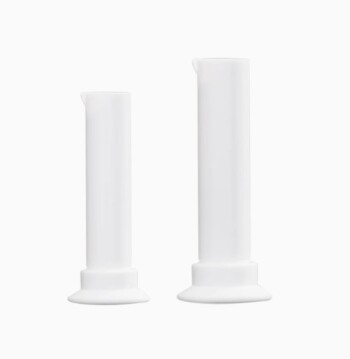
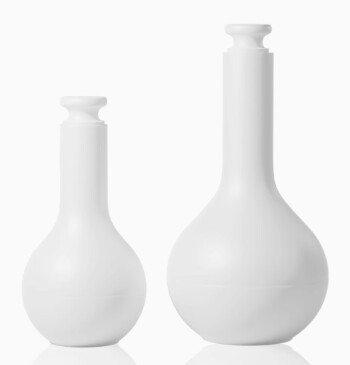
PTFE Volumetric Flasks and Measuring Cylinders: Precision instruments for accurate measurements in analytical applications.
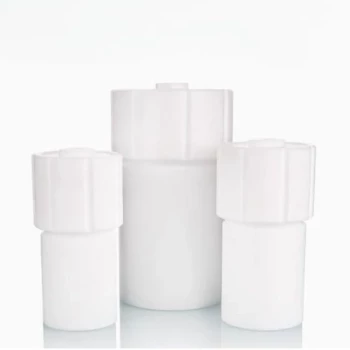
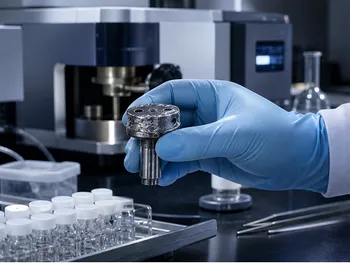
PTFE Microwave Digestion Vessels: Safe, contamination-free vessels for sample preparation in trace analysis.
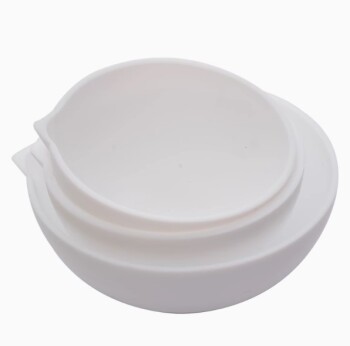
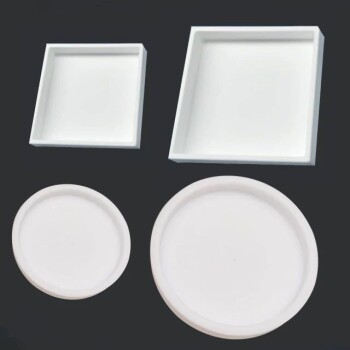
PTFE Evaporating Dishes: Non-stick, high-purity dishes for sample handling and evaporation.
Each product is designed to meet the highest standards of quality and performance, with custom options available to suit your specific needs.
PTFE (Polytetrafluoroethylene) is renowned for its exceptional chemical resistance, thermal stability, and non-stick properties, making it the material of choice for high-performance labware. At KINTEK, we leverage these properties to create labware that excels in the most demanding applications.
Unmatched Chemical Resistance
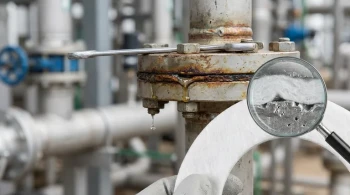
PTFE's molecular structure, with a helical polymer chain sheathed by fluorine atoms, provides unparalleled resistance to strong acids, bases, and solvents. This makes our labware ideal for handling corrosive substances like aqua regia, hydrofluoric acid, and other aggressive chemicals. Unlike glass or metal, PTFE does not react with or contaminate your samples, ensuring purity and accuracy in your processes.
Wide Temperature Range
Our PTFE labware operates seamlessly across a broad temperature range, from -200°C (-390°F) to +300°C (+570°F). Whether you're working in cryogenic conditions or high-temperature environments, KINTEK labware maintains its integrity and performance. This thermal stability is critical for applications like microwave digestion, where vessels must withstand extreme heat without degrading.
Non-Stick and Low Contamination
PTFE's non-stick surface prevents sample adhesion, making it easy to clean and reducing cross-contamination. This is particularly valuable in semiconductor manufacturing and medical applications, where even trace contaminants can compromise results. Our labware ensures that your samples remain pure and your workflows efficient.
Custom Solutions for Every Need
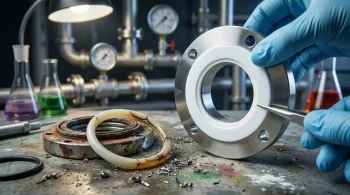
At KINTEK, we understand that standard solutions don't always fit unique challenges. That's why we offer custom fabrication for all our PTFE labware. Whether you need a specific size, shape, or feature, our team can design and manufacture labware tailored to your exact requirements. From prototypes to high-volume orders, we deliver precision and consistency.
Applications Across Industries
Our PTFE labware is trusted in diverse fields:
Semiconductor: Cleaning racks, tweezers, and containers for wafer handling.
Medical: Bacteria-resistant tools and containers for sterile environments.
Laboratory: Flasks, dishes, and vessels for chemical analysis and sample preparation.
Industrial: Durable, chemical-resistant components for manufacturing processes.
Commitment to Quality
Every KINTEK product is manufactured to the highest standards, ensuring reliability and longevity. Our labware is tested for performance under rigorous conditions, so you can trust it to deliver consistent results. With KINTEK, you're not just buying labware—you're investing in precision, durability, and peace of mind.
Get Started Today
Ready to enhance your lab with high-performance PTFE labware? Contact us to discuss your needs or request a quote. Our experts are here to help you find the perfect solution, whether you need a standard product or a custom design. Let KINTEK be your partner in precision and innovation.
FAQ
What Are The Main Applications Of PTFE Labware?
PTFE labware is widely used in various fields including engineering (e.g., tube lining), non-stick equipment (e.g., pans and bearings), medical applications (e.g., bacteria prevention on catheters), rainwear, and as lubricants in machinery. In laboratories, it is ideal due to its resistance to strong acids and bases, steam resistance, and ability to withstand a wide temperature range from -200°C to +300°C.
What Are The Key Features Of PTFE Labware?
PTFE labware is known for its legendary resistance to strong acids and bases, steam resistance, and a wide temperature range from -200°C to +300°C. Its three-dimensional molecular structure makes it highly resistant to most solvents, and the helical polymer chain sheathed by fluorine atoms protects the carbon-carbon bonds, enhancing its chemical resistance. However, it can be attacked by molten alkali metals and fluorine at high temperatures.
What Makes PTFE Suitable For Labware?
PTFE is chemically inert, durable under load, stable across temperature fluctuations, forms excellent seals, is flexible, and can be moulded with a magnetic core. These properties make it ideal for labware items like stopcocks, beakers, pipes, test tubes, stirrers, petri dishes, and stands. Its resistance to strong acids and bases, steam, and a wide temperature range further enhance its suitability for laboratory use.
What Are The Advantages Of Using PTFE Labware?
PTFE labware offers high strength, moisture resistance, temperature resistance, and thermal expansion resistance. It is suitable for storing strong acids, aqua regia, and various chemical liquids. PTFE coatings also provide resistance to extreme temperatures, non-stick properties, chemical resistance, and excellent electrical insulation. These advantages make PTFE labware a preferred choice in demanding laboratory and industrial environments.
What Types Of PTFE Labware Are Available?
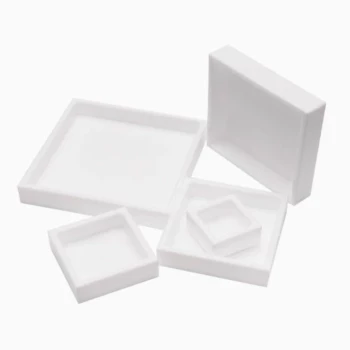
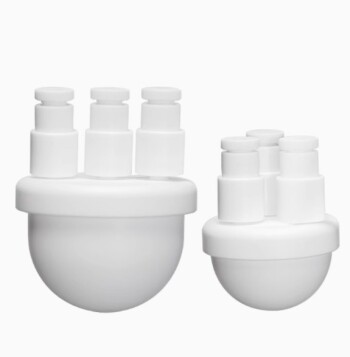
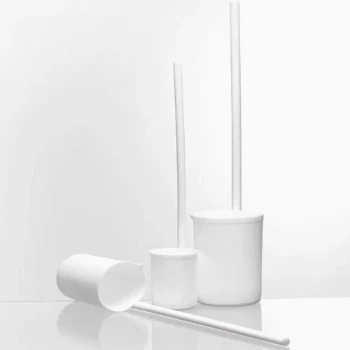
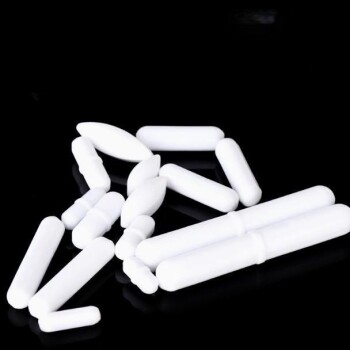
PTFE labware includes a wide range of products such as custom machined parts, tweezers, scrapers, shovels, containers, volumetric flasks, microwave digestion vessels, sampling spoons, square trays, bottles, measuring cylinders, evaporating dishes, three-neck flasks, magnetic stirring bars, and cleaning racks. These items are designed for precision and resilience in demanding environments.
This website uses cookies to enhance your browsing experience,
analyze site traffic, and serve better user experiences. By continuing to use this site, you consent to our use of
cookies. Learn more in our cookie policy.