Products PTFE(Teflon) Products PTFE(Teflon) Labware Customizable PTFE Scrapers and Shovels for Demanding Applications
Toggle Categories
Customizable PTFE Scrapers and Shovels for Demanding Applications

PTFE(Teflon) Labware

Customizable PTFE Scrapers and Shovels for Demanding Applications

Item Number : PL-1017

Price varies based on specs and customizations


Material
PTFE
ISO & CE icon

Shipping:

Contact us to get shipping details Enjoy On-time Dispatch Guarantee.

View Specs

Why Choose Us

Easy ordering process, quality products, and dedicated support for your business success.

Easy Process Quality Assured Dedicated Support

Introduction

KINTEK offers a comprehensive range of high-purity PTFE (Teflon) Scrapers and Flat Shovels, meticulously designed for use in semiconductor manufacturing, medical facilities, laboratories, industrial settings, and other specialized professional environments. Our tools are engineered to meet the rigorous demands of applications in chemical processing, automotive, aerospace, food production, and electronics.

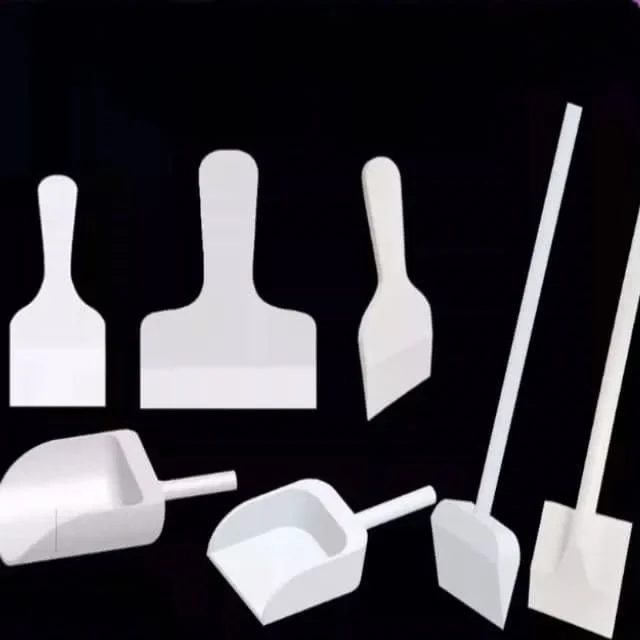
Our selection, as depicted, includes:

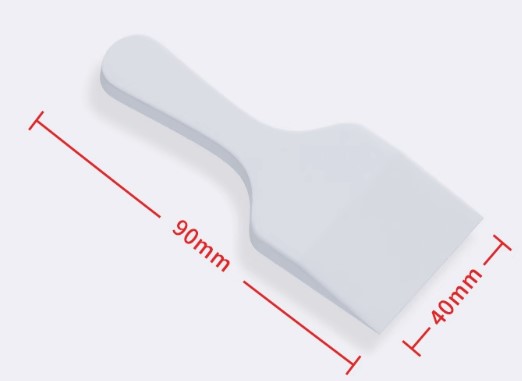
  • Handheld Scrapers: Various designs including T-shaped scrapers of different widths and standard flat blade scrapers, perfect for manual surface cleaning, mixing, or material transfer.
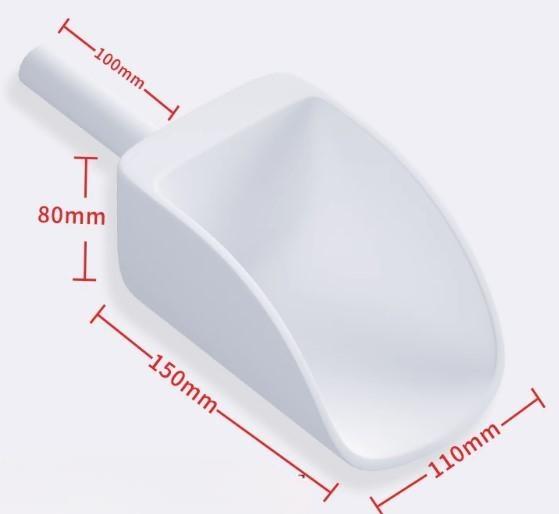
  • Scoops/Hand Shovels: Available with both flat and curved bottoms, these tools feature integrated handles for easy manipulation of powders, granules, or viscous substances.
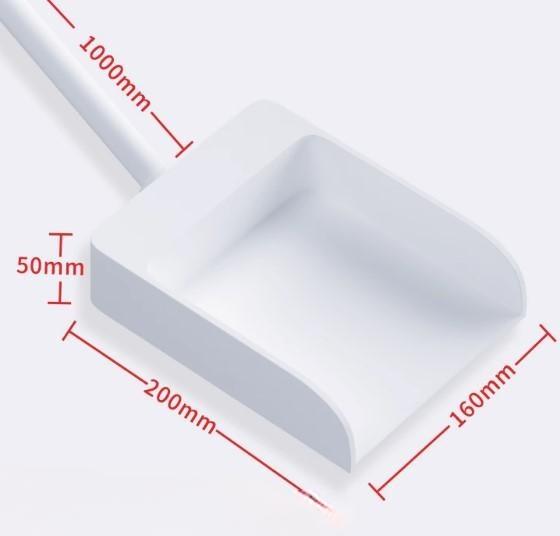
  • Long-Handled Shovels/Scrapers: Designed for tasks requiring extended reach, such as cleaning larger surfaces, vats, or transferring bulk materials safely.

Detail & Parts

PTFE scraper flat spatula details

PTFE scraper flat spatula details

PTFE scraper flat spatula details

PTFE scraper flat spatula details

PTFE scraper flat spatula details

PTFE scraper flat spatula details

Product Specifications

Type Width (mm) Length (mm) Thickness/Height (mm) Handle Length (mm)
Scraper 40mm 90mm 5mm -
Scraper 60mm 120mm 5mm -
Scraper 100mm 150mm 5mm -
Scraper 150mm 200mm 5mm -
Scraper 200mm 200mm 5mm -
Scraper Board (T-Scraper) 150mm 120mm 5mm -
Scraper Rod 10mm 120mm 10mm -
Scraper Strip 15mm 120mm 5mm -
Shovel (Flat Bottom) 60mm 120mm 30mm 1000mm
Shovel (Flat Bottom) 100mm 120mm 40mm 120mm
Shovel (Flat Bottom) 120mm 150mm 60mm 100mm
Shovel (Flat Bottom) 160mm 200mm 50mm 1000mm
Shovel (Flat Bottom) 170mm 220mm 70mm 115mm
Shovel (Curved Bottom) 110mm 150mm 80mm 100mm
Shovel (Curved Bottom) 110mm 220mm 100mm 120mm
Flat Shovel (Long Handle) 150mm 80mm 10mm 900mm
Flat Shovel (Long Handle) 150mm 100mm 30mm 800mm
Flat Shovel (Long Handle) 200mm 150mm 15mm 500mm

Note: Product dimensions are manually measured; slight deviations may exist. Please refer to the actual product for exact specifications.

Key Features and Advantages

Leveraging the exceptional properties of PTFE, our scrapers and shovels offer:

  • Superior Chemical Resistance: Virtually inert to most chemicals and solvents, ensuring tool integrity and preventing sample contamination even with aggressive substances.
  • Excellent Thermal Stability: Suitable for a wide range of temperatures, maintaining structural integrity and performance in both hot and cold applications.
  • Non-Stick, Low-Friction Surface: Minimizes material adhesion, making them easy to clean and ideal for handling sticky or viscous materials without residue buildup.
  • High Purity and Non-Contaminating: Essential for sensitive applications in laboratories, semiconductor, and pharmaceutical industries where purity is paramount.
  • Durability and Robustness: PTFE's inherent toughness ensures a long service life even under demanding conditions.
  • Customization: We offer tailored solutions from prototype to large-volume orders, ensuring the tool perfectly fits your specific application needs.

Versatile Applications

Our PTFE scrapers and shovels are indispensable in various sectors:

  • Laboratories: Ideal for sample handling, mixing reagents, scraping residues from glassware, and general lab work.
  • Semiconductor Industry: Used in cleanroom environments for handling wafers, cleaning equipment, and processing sensitive electronic components.
  • Chemical Processing: Safely handling corrosive chemicals, scraping reactors, and transferring materials in harsh chemical environments.
  • Food and Beverage Production: Perfect for scraping vats, mixing ingredients, and handling food products due to PTFE's non-toxic and non-stick properties.
  • Pharmaceutical and Medical: Suitable for handling sensitive compounds, preparing formulations, and applications requiring easy sterilization and biocompatibility.
  • Industrial Manufacturing: General purpose scraping, cleaning of machinery, and material handling where chemical resistance and non-stick properties are beneficial.

Trusted by Industry Leaders
Our Cooperated Clients

FAQ

What Are The Main Applications Of Custom PTFE Products?

Custom PTFE products are widely used in aerospace and computer wiring due to their excellent dielectric properties. In industrial settings, they are used for low friction parts like bearings and gears. In the medical field, PTFE is used for grafts, catheter coatings, and medical-grade components. The semiconductor industry utilizes PTFE for its resistance to strong acids. Additionally, PTFE is used in chemical processing equipment and as coatings for pipes carrying corrosive chemicals.

What Are The Main Applications Of PTFE Rollers?

PTFE rollers are widely used in food and drink production equipment, medical devices (such as catheters, syringes, and sutures), electrical insulation, electronic component protection, and chemical industry products (including gaskets, vessel linings, and tanks). They are also suitable for cooking equipment, conveyor belt rollers, temperature sensor casings, and non-stick surface covers due to their ability to withstand harsh environments.

What Are The Main Applications Of PTFE Brushes?

PTFE brushes are widely used in food and drink production equipment, medical devices (such as catheters, syringes, and sutures), electrical insulation, electronic component protection, and chemical industry products (including gaskets, vessel linings, and tanks). They are also suitable for cooking equipment, conveyor belt rollers, temperature sensor casings, and non-stick surface covers due to their ability to withstand harsh environments.

What Are The Main Applications Of PTFE Labware?

PTFE labware is widely used in various fields including engineering (e.g., tube lining), non-stick equipment (e.g., pans and bearings), medical applications (e.g., bacteria prevention on catheters), rainwear, and as lubricants in machinery. In laboratories, it is ideal due to its resistance to strong acids and bases, steam resistance, and ability to withstand a wide temperature range from -200°C to +300°C.

What Are The Main Applications Of PTFE Parts?

PTFE parts are widely used in various industries including medical (surgical instruments, prosthetic devices), electrical (wiring, electrical components), and food and beverage (equipment in direct contact with food). Their biocompatibility, insulating properties, and non-toxic nature make them versatile across these fields.

What Are The Main Applications Of PTFE Components?

PTFE components are widely used as sealing materials in gaskets, O-rings, seals, and bearings, especially in applications that require chemical resistance and high-temperature capabilities. They are also used for non-stick cookware coatings and electrical insulation.

What Are The Main Applications Of PTFE Rings?

PTFE rings are widely used in aerospace and computer wiring due to their excellent dielectric properties. They are also used in industrial applications for low-friction parts like bearings and gears, in medicine as graft materials and catheter coatings, and in the semiconductor industry for their resistance to strong acids. Additionally, they are used in liners for engineering, non-stick equipment, medical applications, rainwear, and as lubricants in machinery.

What Are The Main Applications Of PTFE Glands?

PTFE glands are widely used in various industries including food and drink production equipment, medical devices (such as catheters, syringes, and sutures), electrical insulation, electronic component protection, and chemical industry products (like gaskets, vessel linings, and tanks). They are also utilized in cooking equipment, conveyor belt rollers, temperature sensor casings, and non-stick surface covers due to their ability to withstand harsh environments.

What Are The Common Applications Of PTFE Barrels?

PTFE barrels are widely used in various industries including plumbing (washers and sealing tapes), petrochemical (pipelines, valves, and fittings), food processing (hygienic conditions), pharmaceutical (product purity), aerospace (engines and components), and electrical (insulation and leak prevention). They are also ideal for chemical storage and handling due to their resistance to corrosive substances.

What Are The Main Applications Of PTFE Discs?

PTFE discs are widely used in laboratory glassware, chemical processing equipment, and industrial piping systems. They are also applied in shock absorbers, agriculture, food and beverage, robotics, maintenance, injection presses, presses, and pneumatics.

What Are The Main Applications Of PTFE Gaskets?

PTFE gaskets are widely used in conveying pipes, exhaust pipes, steam pipes, high-pressure oil pipes in steel rolling mills, aircraft hydraulic systems, cold-pressing systems, distillation towers, heat exchangers, kettles, tank linings, valves, and other chemical equipment. They are also used in machinery, heat exchangers, high-pressure vessels, large-diameter vessels, pumps, and seals for grooved flanges, glass reactors, flat flanges, and large-diameter flange seals. Additionally, they are used in industries requiring chemical or heat resistance, including chemical processing, automotive, industrial, electrical, and medical sectors.

What Are The Main Applications Of Teflon Seals?

Teflon seals are widely used in various industries due to their versatility. Common applications include non-stick cookware (pans, skillets, baking sheets), industrial components like seals, gaskets, and bearings, electrical insulation, automotive coatings, medical devices, and aerospace components. They are also used in automotive parts, medical tools, and as padding due to their resistance to water, heat, and chemicals.

What Are The Common Applications Of Teflon Balls?

Teflon balls are widely used in ball valves, check valves, compressors, bearings, gears, slide plates, and volume displacement. They are also utilized in medical devices, food preparation, electronics, pharmaceuticals, and various industrial applications due to their purity and chemical resistance.

What Are The Key Features Of PTFE That Make It Suitable For These Applications?

PTFE has a high melting point of around 347 °C, high resistance to water, and a very low coefficient of friction. It remains flexible even at low temperatures. These properties make it ideal for applications requiring chemical resistance, low friction, and durability, such as wire insulation, surface coatings, and chemical processing equipment.

What Are The Key Features Of PTFE Rollers?

PTFE rollers have a low coefficient of friction, excellent chemical inertness, a non-adhesive surface, and can withstand a wide temperature range from –200°C to +260°C. They also possess excellent dielectric properties, making them ideal for various demanding applications.

What Are The Key Features Of PTFE Brushes?

PTFE brushes have several unique characteristics, including extremely high working temperatures, nonstick properties, a low friction surface, high resistance to chemicals and solvents, excellent electrical resistance, and resistance to weather, UV light, and corrosion. They are also non-toxic, inert, and biocompatible. PTFE is known for being the most slippery material, withstanding extreme temperatures, and providing excellent insulation.

What Are The Key Features Of PTFE Labware?

PTFE labware is known for its legendary resistance to strong acids and bases, steam resistance, and a wide temperature range from -200°C to +300°C. Its three-dimensional molecular structure makes it highly resistant to most solvents, and the helical polymer chain sheathed by fluorine atoms protects the carbon-carbon bonds, enhancing its chemical resistance. However, it can be attacked by molten alkali metals and fluorine at high temperatures.

What Are The Key Features Of PTFE?

PTFE has several notable features: a high melting point of around 347 °C, high resistance to water, a very low coefficient of friction, and flexibility even at low temperatures. It also offers outstanding chemical resistance, is soft and formable, has good weathering resistance, and performs well at elevated temperatures.

What Are The Key Features Of PTFE Components?

PTFE components are known for their low friction coefficient, ability to function at extreme temperatures, excellent moisture resistance, good cryogenic capabilities, and strong tensile strength.

What Are The Key Features Of PTFE Rings?

PTFE rings have a high melting point of around 347°C, high resistance to water, a very low coefficient of friction, and remain flexible even at low temperatures. They are known for being the most slippery material, withstanding extreme temperatures, and providing excellent insulation. They are also resistant to nearly all industrial chemicals and solvents, have outstanding dielectric properties, and resist ignition and flame spread.

What Are The Key Features Of PTFE Glands?

PTFE glands are known for their outstanding chemical resistance, extremely low friction, soft and formable nature, good weathering resistance, and excellent performance at elevated temperatures. Key performance parameters include temperature resistance up to 280°C, a pH range of 0 to 14, pressure resistance of 15 to 25 MPa, and line speed of 8 to 21 m/s.

What Are The Key Features Of PTFE Barrels?

PTFE barrels feature a high melting point (around 347°C), excellent resistance to water and chemicals, a very low coefficient of friction, and flexibility even at low temperatures. They can be used continuously from -270°C up to 250°C, with a maximum use temperature of 280°C. Their heavy wall construction and smooth internal finish ensure leak-free performance.

What Are The Key Features Of PTFE Discs?

PTFE discs combine the properties of PTFE and rubber, offering excellent chemical resistance, low friction, heat resistance, and good compression set. They also feature a low coefficient of friction, excellent chemical inertness, a non-adhesive surface, a wide temperature range (-200°C to +260°C), and excellent dielectric properties.

What Are The Key Features Of PTFE Gaskets?

PTFE gaskets come in various types including virgin, expanded, and modified options. They can handle nearly all chemicals and temperatures up to 500 degrees Fahrenheit. They are available for any need from small batch to high-volume production while meeting demanding standards. PTFE has a high melting point of around 347 °C, high resistance to water, a very low coefficient of friction, and flexibility even at low temperatures.

What Are The Key Features Of Teflon Seals?

Teflon seals are known for their exceptional chemical resistance, flexibility, and durability. These features make them highly suitable for demanding industrial applications where resistance to harsh chemicals and long-term performance are critical.

What Are The Key Features Of Teflon Balls?

Teflon balls are waterproof, non-porous, and can be machined or molded to any desired size. They are inert, chemically resistant, and operate effectively across a wide temperature range. Additionally, they are corrosion-resistant against caustic chemicals, have a long surface life, and excellent ductility, making them ideal for sealing applications.

How Is PTFE Processed Into Custom Parts?

PTFE resin does not flow when melted, so it cannot be injection molded. The best methods for processing PTFE are molding and machining, which allow for the creation of custom parts with precise dimensions and properties.

How Are PTFE Rollers Manufactured?

PTFE rollers are manufactured using raw PTFE in powder or liquid forms. Smaller items can be dipped and spun to remove excess material. Another method involves negatively charging PTFE particles with an electrode-equipped spray gun for an electrostatic coating. The final step is curing the coated object at high temperatures.

What Is The Principle Behind PTFE Brushes?

PTFE brushes are made from a low friction, soft fluoropolymer with superior chemical and weathering resistance. They are hydrophobic, non-wetting, heavy, and resistant to high temperatures. Additionally, PTFE brushes have good electrical insulating characteristics, making them ideal for various industrial and laboratory applications.

What Makes PTFE Suitable For Labware?

PTFE is chemically inert, durable under load, stable across temperature fluctuations, forms excellent seals, is flexible, and can be moulded with a magnetic core. These properties make it ideal for labware items like stopcocks, beakers, pipes, test tubes, stirrers, petri dishes, and stands. Its resistance to strong acids and bases, steam, and a wide temperature range further enhance its suitability for laboratory use.

How Do PTFE O-ring Seals Work?

PTFE O-ring seals have a circular cross-section and are typically made of elastic rubber material. They achieve sealing through elastic properties and preload. When placed between connected parts, the O-ring fills the sealing gap and forms a sealing interface due to its elasticity. External stress causes the O-ring to maintain sealing interface stability, preventing liquid or gas leakage.

What Are The Key Components Of PTFE (Polytetrafluoroethylene)?

The primary components of PTFE are fluorine and carbon, which contribute to its unique properties such as chemical resistance and high-temperature stability.

How Are PTFE Rings Manufactured?

PTFE rings can be made from raw PTFE, which comes in powder or liquid forms. Smaller items can be dipped and spun to remove excess material. Another method involves using an electrostatic spray gun to apply negatively charged PTFE particles. The coated object is then cured at high temperatures to finalize the product.

How Does A PTFE Lined Butterfly Valve Work?

A PTFE lined butterfly valve operates on the quick shut off principle. It consists of a circular disc (butterfly) placed in the center of the pipe, with a rod connected to an actuator on the outer side of the valve. By rotating the handwheel, the metal disc can be positioned parallel or perpendicular to the flow, thereby allowing or closing the flow of materials.

How Do PTFE Discs Work In Sealing Applications?

PTFE O-ring seals, which have a circular cross-section, achieve sealing through their elastic properties and preload. When placed between connected parts, the O-ring fills the sealing gap and forms a sealing interface due to its elasticity. External stress ensures the O-ring maintains sealing interface stability, preventing liquid or gas leakage.

What Is The Principle Behind PTFE Gaskets?

PTFE gasket materials are known for their non-reactive characteristics, making them impervious to attack and degradation by aggressive gases, vapors, and fluids. They exhibit excellent dielectric properties, a very low coefficient of friction, and can operate across a wide temperature range from -400°F to 500°F. PTFE is among the most chemically resistant materials available.

How Do Teflon Seals Work In Harsh Environments?

Teflon seals operate effectively in harsh environments due to their great chemical resistance. They can withstand exposure to a wide variety of chemicals without degrading, making them ideal for use in industries where chemical exposure is common.

What Are The Technical Specifications Of Teflon Balls?

Teflon balls have a specific gravity of 2.10 – 2.20 g/cc, hardness shore of 55D, tensile strength of 2990-4970 psi, flexural strength of 2490 psi, melting point of 621°F (327°C), heat deflection temperature of 248°F (120°C), coefficient of friction of 0.110, water absorption of 0.01% over 24 hours, and a dielectric constant of 2.1.

What Are The Advantages Of Using PTFE Gaskets?

PTFE gaskets offer excellent sealing performance, low friction, and high-temperature resistance. They are also resistant to wear, fatigue, and chemical corrosion. Additionally, PTFE gaskets have anti-adhesion properties, are electrically insulating, and are easy to install and maintain.

What Are The Advantages Of Using PTFE Rollers?

PTFE rollers offer numerous advantages, including exceptional corrosion resistance, a long shelf life, a wide temperature range (-325°F to above 500°F), no swelling (hydrophobic properties), FDA compliance, UV radiation resistance, and excellent electrical resistance. These properties make them highly durable and reliable in challenging environments.

What Are The Advantages Of Using PTFE Brushes?

PTFE brushes offer numerous benefits, including a wide operating temperature range (-30°C to +200°C), high flexural strength due to strong carbon-fluorine bonds, outstanding electrical insulation, weatherability, non-adhesiveness, water resistance, and the lowest coefficient of friction of any solid. They also provide the best price-to-performance ratio and can withstand continuous working temperatures up to +260°C. Their extremely low coefficient of friction reduces resistance during movement, making them ideal for bearings, bushings, and gears, which minimizes wear and tear, extends component lifespan, and reduces maintenance costs.

What Are The Advantages Of Using PTFE Labware?

PTFE labware offers high strength, moisture resistance, temperature resistance, and thermal expansion resistance. It is suitable for storing strong acids, aqua regia, and various chemical liquids. PTFE coatings also provide resistance to extreme temperatures, non-stick properties, chemical resistance, and excellent electrical insulation. These advantages make PTFE labware a preferred choice in demanding laboratory and industrial environments.

What Are The Advantages Of Using PTFE Parts?

PTFE parts are easy to machine, affordable, and long-lasting. They have a low coefficient of friction and wear resistance, making them ideal for mechanisms that rotate or slide. Additionally, PTFE has non-stick properties, is moisture and chemical resistant, has a high strength-to-weight ratio, is easily machinable with excellent dielectric properties, and has a relatively high melting point. They are also FDA approved for food-related applications.

What Are The Advantages Of Using PTFE Components?

PTFE components offer several advantages, including resistance to extreme temperatures, non-stick properties, excellent chemical resistance, and superior electrical insulation. They also have a low friction coefficient and good tensile strength.

What Are The Advantages Of Using PTFE Rings?

PTFE rings offer numerous advantages, including corrosion resistance, a long shelf life, and the ability to withstand a wide temperature range (-325°F to above 500°F). They are hydrophobic (do not swell), FDA compliant, resistant to UV radiation, and provide excellent electrical resistance. Additionally, they are non-stick, chemically resistant, and provide great electrical insulation.

What Are The Advantages Of Using PTFE Glands?

PTFE glands offer several advantages including resistance to extreme temperatures, non-stick properties, excellent chemical resistance, and great electrical insulation. They enhance performance and efficiency across various industries while supporting sustainability by reducing the use of harmful chemicals and extending the lifespan of products.

What Are The Advantages Of Using PTFE Barrels?

PTFE barrels offer numerous advantages including corrosion resistance, a wide temperature range (-325°F to above 500°F), no swelling (hydrophobic properties), FDA compliance, UV radiation resistance, and excellent electrical insulation. They also provide non-stick properties and are resistant to extreme temperatures and chemicals.

What Are The Advantages Of Using PTFE Discs?

PTFE discs offer numerous advantages, including chemical resistance, temperature resistance, versatility, non-corrosive properties, electrical and thermal insulation, and easy availability. These properties make them suitable for a wide range of industrial applications.

What Are The Advantages Of Using Teflon Seals?

Teflon seals offer several advantages, including easy machinability due to their softness and density, and excellent thermal stability. These properties prevent part deformation and tool clogging during manufacturing, ensuring high-quality and reliable seals for various applications.

What Are The Advantages Of Using Teflon Balls?

Teflon balls offer several advantages including high chemical resistance, excellent durability, and a low coefficient of friction. They are also waterproof, non-porous, and can withstand a wide range of temperatures. Their corrosion resistance and long surface life make them excellent for sealing and other demanding applications.

Why Is PTFE Preferred In The Medical And Food Industries?

PTFE is preferred in the medical and food industries because it is non-toxic, complies with FDA regulations, and has excellent chemical and friction resistance. Its food-grade approval and ease of cleaning make it ideal for applications requiring high hygiene standards.

Why Are PTFE Rollers Preferred In The Chemical Industry?

PTFE rollers are preferred in the chemical industry due to their excellent chemical inertness and corrosion resistance. They can withstand exposure to harsh chemicals and extreme temperatures, making them ideal for use in gaskets, vessel linings, tanks, and other chemical industry applications.

Are PTFE Brushes Safe For Food And Medical Applications?

Yes, PTFE brushes are non-toxic, inert, and biocompatible, making them safe for food and medical applications. They are FDA approved for food contact and are commonly used in medical devices such as catheters, syringes, and sutures.

What Types Of PTFE Labware Are Available?

PTFE labware includes a wide range of products such as custom machined parts, tweezers, scrapers, shovels, containers, volumetric flasks, microwave digestion vessels, sampling spoons, square trays, bottles, measuring cylinders, evaporating dishes, three-neck flasks, magnetic stirring bars, and cleaning racks. These items are designed for precision and resilience in demanding environments.

Why Is PTFE Suitable For CNC Machining?

PTFE's machinability allows for precise CNC customization to meet specific industrial requirements. This enables the creation of specialized components like chemical-resistant tank linings, food-grade cutting boards, and precision seals that optimize performance for unique operational challenges while maintaining all of PTFE's beneficial properties.

Why Are PTFE Components Ideal For Chemical And High-temperature Applications?

PTFE components are ideal for chemical and high-temperature applications due to their exceptional chemical resistance and ability to function at extreme temperatures, making them suitable for environments where other materials might degrade or fail.

Why Are PTFE Rings Preferred In The Semiconductor Industry?

PTFE rings are preferred in the semiconductor industry due to their exceptional chemical resistance, particularly to strong acids. Their ability to withstand harsh chemical environments while maintaining structural integrity makes them ideal for use in semiconductor manufacturing and processing equipment.

Are Custom PTFE Glands Available For Specific Applications?

Yes, custom PTFE glands are available to meet specific application requirements. Manufacturers offer custom fabrication from prototypes to high-volume orders, ensuring precision and suitability for diverse applications such as semiconductor, medical, and laboratory uses.

Why Are PTFE Barrels Suitable For Laboratory Use?

PTFE barrels are ideal for laboratory use due to their excellent chemical, mechanical, and heat resistance. They are perfect for dissolutions and digestions with acids and corrosive agents, and their non-reactive nature ensures sample purity. Additionally, their durability and leak-proof design make them reliable for various lab applications.

Why Are PTFE Discs Preferred In High-temperature Environments?

PTFE discs can withstand extreme temperatures ranging from -200°C to +260°C, making them ideal for high-temperature environments. Their heat resistance ensures they maintain their properties and performance even under such conditions.

How Are PTFE Gaskets Installed?

The installation process includes preparing the flange surfaces, inspecting the gasket, positioning it correctly, using alignment tools if necessary, applying lubrication if required, assembling the flanges, tightening the bolts in a crisscross pattern, and conducting a final check for leaks or misalignment.

Are Teflon Seals Environmentally Friendly?

Yes, Teflon seals are environmentally friendly as they are made from renewable resources. Additionally, they are fire-safe, adding to their safety and sustainability benefits.

Why Are Teflon Balls Preferred In Medical And Food Industries?

Teflon balls are preferred in medical and food industries due to their high purity, chemical inertness, and non-toxic properties. They do not react with substances they come into contact with, ensuring safety and hygiene in sensitive applications like medical devices and food preparation.

What Types Of Custom PTFE Products Are Available?

Custom PTFE products include scrapers, shovels, cleaning racks, evaporating dishes, flower baskets, tweezers, containers, three-neck flasks, and bottles. These products are customizable in size and design to meet specific industrial, laboratory, and medical needs.

Can PTFE Rollers Be Customized For Specific Applications?

Yes, PTFE rollers can be customized for specific applications. Manufacturers offer custom fabrication from prototypes to high-volume orders, ensuring that the rollers meet the precise requirements of different industries, such as semiconductor, medical, and laboratory applications.

How Does The Chemical Resistance Of PTFE Brushes Benefit Industrial Applications?

PTFE brushes are highly resistant to nearly all industrial chemicals and solvents, which makes them ideal for use in harsh chemical environments. This resistance ensures durability and longevity in applications such as chemical industry products, laboratory equipment, and semiconductor manufacturing.

What Types Of PTFE Parts Are Commonly Manufactured?

Commonly manufactured PTFE parts include containers, flower baskets, tweezers, magnetic stirring bars, measuring cylinders, scrapers, shovels, square trays, bottles, microwave digestion vessels, crucibles, three-neck flasks, volumetric flasks, cleaning racks, evaporating dishes, and sampling spoons. These parts are used in labs, semiconductor industries, and medical applications.

How Do PTFE Components Perform In Cryogenic Conditions?

PTFE components perform well in cryogenic conditions due to their good cryogenic capabilities, maintaining their structural integrity and functionality even at very low temperatures.

Are PTFE Rings Suitable For Medical Applications?

Yes, PTFE rings are suitable for medical applications. They are used as graft materials and catheter coatings due to their biocompatibility, flexibility, and resistance to bacteria. Their non-reactive nature and ability to prevent bacterial growth make them ideal for various medical uses.

Are PTFE Discs Resistant To Chemicals?

Yes, PTFE discs are highly resistant to a wide range of chemicals, making them suitable for use in harsh chemical environments. Their excellent chemical inertness ensures they do not react with most substances.

Can Teflon Balls Be Customized For Specific Applications?

Yes, Teflon balls can be machined or molded to any desired size and shape to meet specific application requirements. Custom designs are available to suit various industrial, laboratory, and medical needs, ensuring optimal performance in specialized environments.

What Makes PTFE Brushes Suitable For High-temperature Environments?

PTFE brushes can withstand extreme temperatures, with a continuous working temperature range up to +260°C. This makes them suitable for high-temperature environments such as cooking equipment, industrial machinery, and laboratory applications where heat resistance is critical.

What Makes PTFE Discs Non-stick?

PTFE discs have a non-adhesive surface due to the inherent properties of PTFE, which prevent materials from sticking to them. This makes them ideal for applications where easy cleaning and minimal contamination are required.

Why Are PTFE Brushes Preferred For Electrical Insulation?

PTFE brushes have outstanding dielectric properties and excellent electrical insulation, which makes them ideal for protecting electronic components and ensuring safe electrical insulation in various applications.

Can PTFE Discs Be Used In Electrical Applications?

Yes, PTFE discs have excellent dielectric properties, making them suitable for electrical insulation applications. They provide great electrical insulation and are often used in electrical and electronic components.

How Do PTFE Discs Perform In Low-temperature Environments?

PTFE discs can perform reliably in low-temperature environments, as they can withstand temperatures as low as -200°C. Their properties remain stable, ensuring consistent performance even in extreme cold.

Are PTFE Discs Customizable For Specific Applications?

Yes, PTFE discs can be customized in terms of size, shape, and other specifications to meet the requirements of specific applications. This versatility makes them suitable for a wide range of industrial and laboratory uses.
View more faqs for this product

Product Datasheet

Customizable PTFE Scrapers and Shovels for Demanding Applications

Category Catalog

Ptfe(Teflon) Labware


REQUEST A QUOTE

Our professional team will reply to you within one business day. Please feel free to contact us!

Related Products
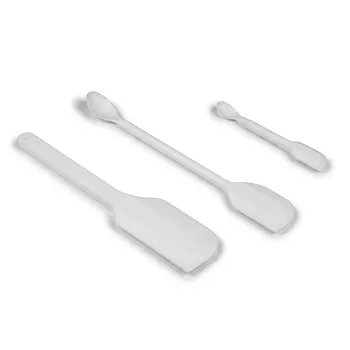
Custom PTFE Scraper Shovel and Sampling Spoon Dual Use Corrosion Resistant Low Background White Fluoropolymer Tool

Custom PTFE Scraper Shovel and Sampling Spoon Dual Use Corrosion Resistant Low Background White Fluoropolymer Tool

Optimize your laboratory sampling with our custom PTFE scraper shovels and dual-use spoons. These corrosion-resistant, low-background tools ensure high-purity trace analysis and chemical stability across demanding industrial environments. Contact us for bespoke fluoropolymer fabrication and high-volume orders.

View Details
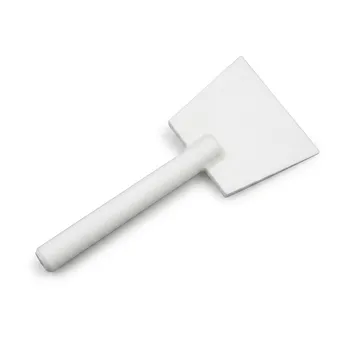
Corrosion Resistant PTFE Pharmaceutical Scoop Non Stick Bio-Pharmaceutical Material Shovel for High Purity Chemical Handling

Corrosion Resistant PTFE Pharmaceutical Scoop Non Stick Bio-Pharmaceutical Material Shovel for High Purity Chemical Handling

Discover high-purity corrosion resistant PTFE pharmaceutical scoops designed for sterile material handling. These non-stick, easy-clean shovels provide ultimate chemical inertness for demanding bio-pharmaceutical and laboratory applications. Customize your high-performance material shovel today for superior process integrity.
View Details
Corrosion Resistant PTFE Laboratory Material Scoop for Biopharmaceutical Use Non Stick Easy Clean Fluoropolymer Shovel

Corrosion Resistant PTFE Laboratory Material Scoop for Biopharmaceutical Use Non Stick Easy Clean Fluoropolymer Shovel

Optimize your biopharmaceutical and laboratory workflows with our premium, corrosion-resistant PTFE material scoops. These non-stick, easy-clean shovels offer superior chemical inertness, antistatic properties, and biocompatibility, ensuring contamination-free material handling for demanding industrial and research environments worldwide.

View Details
PTFE Shovel Pharmaceutical Chemical Material Shovel Strong Corrosion Resistant 1m Handle

PTFE Shovel Pharmaceutical Chemical Material Shovel Strong Corrosion Resistant 1m Handle

Procure the ultimate chemical-resistant solution with our PTFE material shovel. Designed for pharmaceutical and industrial chemical handling, this customizable 1m handle tool offers unmatched purity, non-stick performance, and durability in the most aggressive corrosive environments available for global shipping today.

View Details
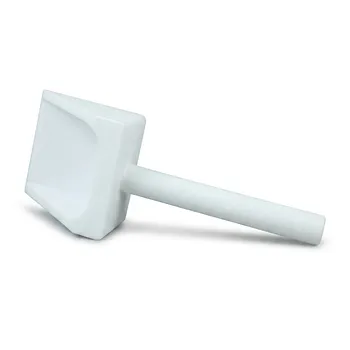
High Purity PTFE Material Shovel Non Stick Chemically Inert Pharmaceutical Scoop for Trace Analysis

High Purity PTFE Material Shovel Non Stick Chemically Inert Pharmaceutical Scoop for Trace Analysis

Engineered for zero-contamination, this high-purity PTFE shovel offers universal chemical resistance and a non-stick surface. Ideal for pharmaceutical processing and trace analysis, it provides superior thermal stability and customizable dimensions for demanding industrial laboratory environments.
View Details
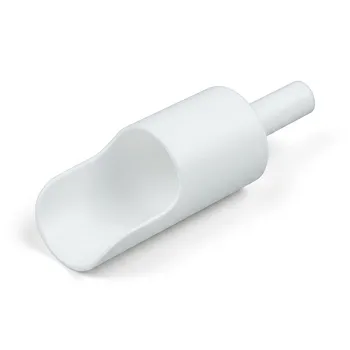
Customized PTFE Sampling Scoop Corrosion Resistant High Purity Low Background Chemical Pharmaceutical Laboratory Shovel

Customized PTFE Sampling Scoop Corrosion Resistant High Purity Low Background Chemical Pharmaceutical Laboratory Shovel

High-purity customized PTFE sampling scoop designed for trace analysis and pharmaceutical processes. Features exceptional corrosion resistance and low background levels for contamination-free material handling. Precision-engineered for demanding chemical environments requiring bespoke dimensions and high-performance fluoropolymer durability for professional lab use.
View Details
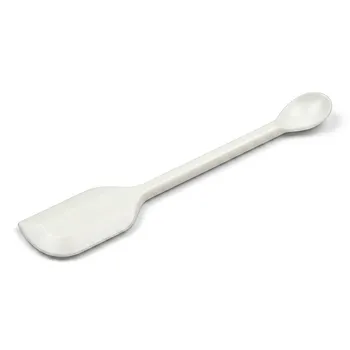
Custom PTFE Pharmaceutical Sampling Scoop Low Leaching Cylindrical Chemical Powder Sampler Zero Contamination High Purity Laboratory Shovel

Custom PTFE Pharmaceutical Sampling Scoop Low Leaching Cylindrical Chemical Powder Sampler Zero Contamination High Purity Laboratory Shovel

Premium custom PTFE sampling scoops engineered for high-purity pharmaceutical and chemical applications. These ultra-pure, low-leaching tools ensure zero contamination during material transfer, offering exceptional chemical resistance and non-stick performance for demanding industrial sampling and critical laboratory testing research processes.
View Details
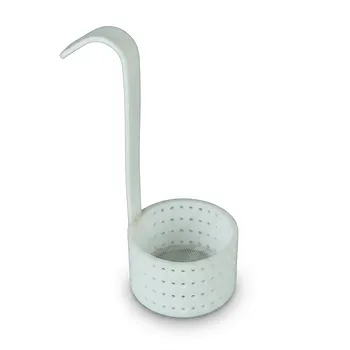
Custom PTFE Double Head Lab Spatula Scraper Non Stick Corrosion Resistant Chemical Handling Tool

Custom PTFE Double Head Lab Spatula Scraper Non Stick Corrosion Resistant Chemical Handling Tool

Premium custom PTFE double-headed laboratory spatulas engineered for rigorous pharmaceutical and food testing. These chemically inert, non-stick instruments provide superior heat resistance and simplified cleaning for high-purity sample manipulation across demanding industrial processes and advanced scientific research environments.
View Details
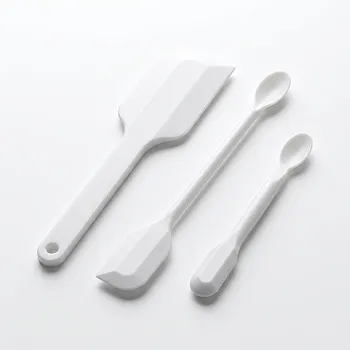
Corrosion Resistant PTFE Sampling Spoon and Cleaning Basket for Acid Tank Reagent Handling

Corrosion Resistant PTFE Sampling Spoon and Cleaning Basket for Acid Tank Reagent Handling

High-purity PTFE sampling spoon and cleaning basket designed for corrosive environments. Ensure reagent integrity and operator safety with chemically inert, non-contaminating fluoropolymer construction. Customizable designs available for trace analysis, acid leaching, and demanding laboratory workflows.
View Details
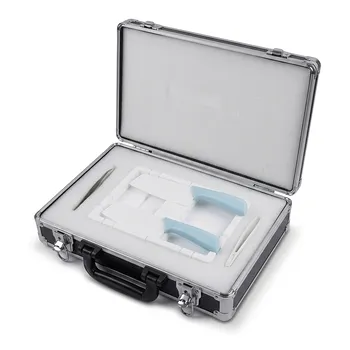
Custom PTFE Double Headed Lab Spatula Chemical Resistant Non Stick Pharmaceutical Grade Fluoropolymer Sampling Tool

Custom PTFE Double Headed Lab Spatula Chemical Resistant Non Stick Pharmaceutical Grade Fluoropolymer Sampling Tool

Premium custom PTFE double-headed lab spatulas offer exceptional chemical resistance and non-stick performance for pharmaceutical and food-grade applications. These high-purity fluoropolymer sampling tools ensure contamination-free handling and are fully customizable to meet your specific industrial laboratory requirements.
View Details
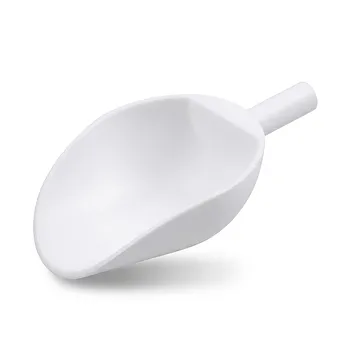
High Purity PTFE Square Membrane Cutter Equipartition Device for Trace Analysis and Disease Control Centers Clean Non Stick No Leaching

High Purity PTFE Square Membrane Cutter Equipartition Device for Trace Analysis and Disease Control Centers Clean Non Stick No Leaching

Optimize laboratory precision with this high-purity PTFE square membrane cutter. Engineered for disease control centers, this non-stick, zero-leaching equipartition device ensures sample integrity during critical trace analysis and filtration tasks across diverse demanding chemical environments.
View Details
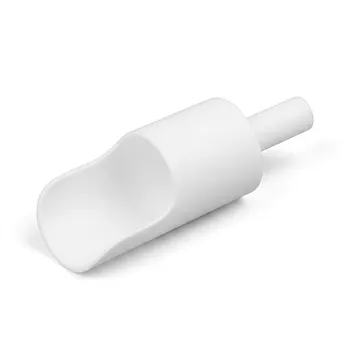
Customized PTFE Lab Spatula Corrosion Resistant Food Grade Non Polluting Material Scoop Round Head

Customized PTFE Lab Spatula Corrosion Resistant Food Grade Non Polluting Material Scoop Round Head

Customizable PTFE lab spatulas and material scoops provide unmatched chemical resistance and food-grade purity. Engineered for trace analysis and aggressive environments, these non-polluting tools ensure low-background results and superior durability across diverse industrial and laboratory applications.
View Details
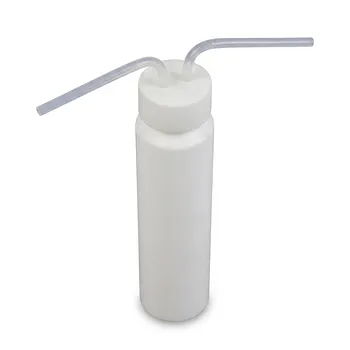
Custom Food Grade PTFE Scoops Cylindrical Chemical Spatulas Bio Pharmaceutical Non Polluting Material Handling Tools

Custom Food Grade PTFE Scoops Cylindrical Chemical Spatulas Bio Pharmaceutical Non Polluting Material Handling Tools

Ensure zero-contamination material handling with custom food-grade PTFE scoops. Designed for chemical, pharmaceutical, and food industries, these inert cylindrical spatulas offer superior chemical resistance and temperature stability for demanding laboratory and industrial processing environments.
View Details
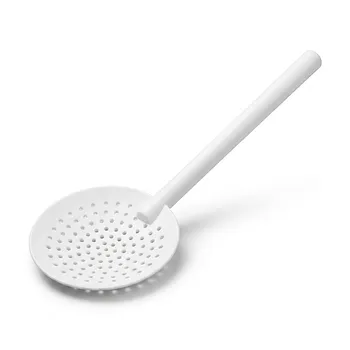
High Purity PTFE Gas Washing Bottle with Sintered Filter Ball Corrosion Resistant Slender Laboratory Scrubber Customizable Height and Width

High Purity PTFE Gas Washing Bottle with Sintered Filter Ball Corrosion Resistant Slender Laboratory Scrubber Customizable Height and Width

Precision engineered PTFE gas washing bottle featuring a sintered filter ball and fully customizable slender profile. This corrosion-resistant scrubber offers exceptional thermal stability and chemical inertness for demanding industrial laboratory gas purification and trace analysis workflows delivering superior results consistently.
View Details
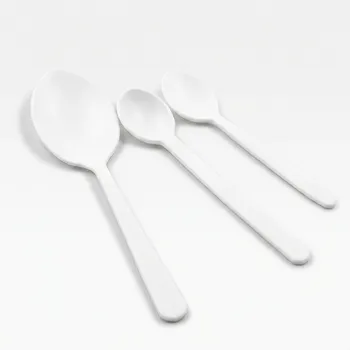
High Temperature Resistant PTFE Slotted Spoon Customizable Hole Size and Count for Biochemical Laboratory Use High Purity Zero Leaching Teflon Skimmer

High Temperature Resistant PTFE Slotted Spoon Customizable Hole Size and Count for Biochemical Laboratory Use High Purity Zero Leaching Teflon Skimmer

Achieve superior purity with our customizable high-temperature PTFE slotted spoon designed for biochemical laboratories. This chemically inert, non-stick skimmer features customizable hole patterns and zero leaching, ensuring process integrity across extreme thermal environments and demanding industrial chemical applications.
View Details
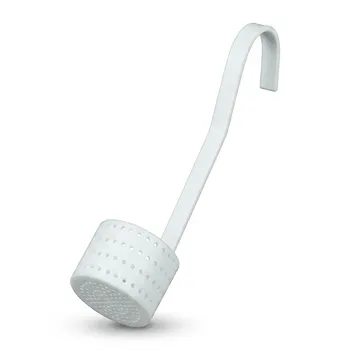
Corrosion Resistant PTFE Sampling Spoon for Pharmaceutical Research and Trace Analysis

Corrosion Resistant PTFE Sampling Spoon for Pharmaceutical Research and Trace Analysis

Premium food-grade PTFE sampling spoons for pharmaceutical R&D and chemical labs. These 10ml corrosion-resistant spatulas offer ultra-low background levels for trace analysis and high-purity applications. Customizable designs are available to meet specific industrial laboratory requirements.
View Details
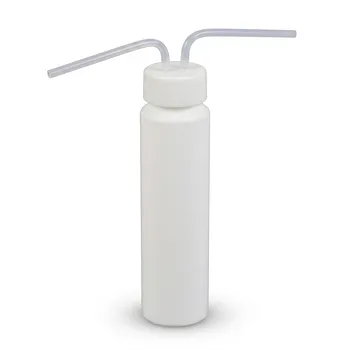
Corrosion Resistant High Purity PTFE Skimmer Perforated Draining Spoon for Chemical Trace Analysis

Corrosion Resistant High Purity PTFE Skimmer Perforated Draining Spoon for Chemical Trace Analysis

Engineered for extreme chemical resistance and trace analysis applications, this high-purity PTFE skimmer offers unmatched durability in corrosive acids while ensuring zero metal contamination for sensitive semiconductor and pharmaceutical lab processes.
View Details
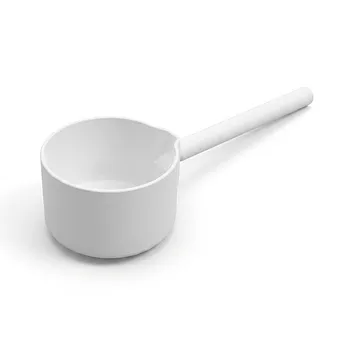
Custom PTFE Gas Washing Bottle Corrosion Resistant Low Background Fluoropolymer Gas Absorption Vessel

Custom PTFE Gas Washing Bottle Corrosion Resistant Low Background Fluoropolymer Gas Absorption Vessel

These premium custom PTFE gas washing bottles offer exceptional corrosion resistance and ultra-low background levels for trace analysis. Precision-machined for industrial gas scrubbing and absorption applications, they ensure maximum purity and long-term durability across global laboratory environments.
View Details
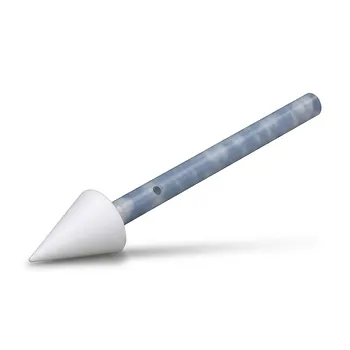
Corrosion Resistant PTFE Sampling Cup Custom Fabricated PTFE Sampling Scoop Laboratory Fluoropolymer Sampling Tools

Corrosion Resistant PTFE Sampling Cup Custom Fabricated PTFE Sampling Scoop Laboratory Fluoropolymer Sampling Tools

Discover high-purity custom PTFE sampling cups and scoops engineered for extreme chemical resistance and thermal stability. Our precision-machined laboratory tools ensure zero contamination in trace analysis and aggressive chemical handling across specialized industrial applications.
View Details
High Temperature Resistant PTFE Solid Sampler Corrosion Resistant Non Leaching Reusable Biopharmaceutical White Powder Sampling Device

High Temperature Resistant PTFE Solid Sampler Corrosion Resistant Non Leaching Reusable Biopharmaceutical White Powder Sampling Device

High-performance PTFE solid sampler engineered for biopharmaceutical trace analysis. This corrosion-resistant, reusable, and non-leaching sampling tool ensures sample integrity across extreme temperatures. Customizable designs available to meet specific industrial laboratory requirements for sterile, contamination-free powder and solid collection.

View Details

Related Articles

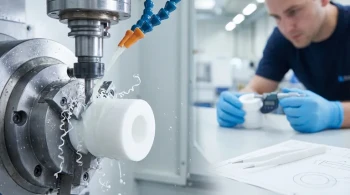
The PTFE Paradox: Why the 'Perfect' Material Fails—And How to Make It Work

The PTFE Paradox: Why the 'Perfect' Material Fails—And How to Make It Work

Your high-performance parts fail despite using advanced materials like PTFE. Discover the hidden design flaw and how expert fabrication unlocks true reliability.
Find out more
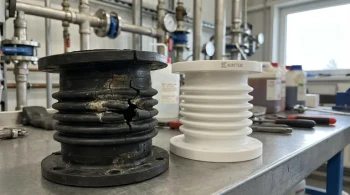
Why Your High-Performance PTFE Parts Fail—And Why It's Not the Material's Fault

Why Your High-Performance PTFE Parts Fail—And Why It's Not the Material's Fault

Discover the hidden reason your critical PTFE components fail. It's not the material, but the fabrication. Learn how to get reliable parts.
Find out more
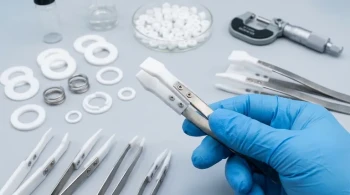
Why Your Flexible Connectors Keep Failing—And It's Not a Mechanical Issue

Why Your Flexible Connectors Keep Failing—And It's Not a Mechanical Issue

Discover the hidden reason your bellows and flexible joints fail. It's not mechanical stress, but a material science issue. Learn how to fix it for good.
Find out more
Beyond the Bolt: The Physics and Psychology of Choosing the Right PTFE Washer

Beyond the Bolt: The Physics and Psychology of Choosing the Right PTFE Washer

A deep dive into PTFE washers, exploring how plain, spring, and lock types solve distinct mechanical problems of pressure, vibration, and loosening.
Find out more
Beyond "Non-Stick": Why Your PTFE Components Fail and How to Fix It for Good

Beyond "Non-Stick": Why Your PTFE Components Fail and How to Fix It for Good

Learn the hidden engineering trade-off that causes PTFE parts to fail and how precision fabrication is the key to unlocking their true reliability.
Find out more
Beyond Friction: Why Your PTFE Components Fail and How to Engineer for Reliability

Beyond Friction: Why Your PTFE Components Fail and How to Engineer for Reliability

Tired of bushing failures? Learn why focusing only on low friction is a mistake and discover how to engineer PTFE components for true long-term reliability.
Find out more
When 'Chemically Inert' Isn't Enough: Why Your PTFE Components Fail and How to Prevent It

When 'Chemically Inert' Isn't Enough: Why Your PTFE Components Fail and How to Prevent It

Discover why even high-quality PTFE components can unexpectedly fail. Learn the hidden chemical exceptions and how to select the right material.
Find out more
Why 'Medical-Grade' Isn't Enough: The Hidden Risk in Your PTFE Components

Why 'Medical-Grade' Isn't Enough: The Hidden Risk in Your PTFE Components

Generic 'medical-grade' PTFE poses hidden risks. Discover why material purity and manufacturing precision are the real keys to device safety.

Find out more
Beyond the Coating: The Physics of a Perfect Pitch and the Role of PTFE Components

Beyond the Coating: The Physics of a Perfect Pitch and the Role of PTFE Components

Discover how Polytetrafluoroethylene (PTFE) enhances sports equipment through precision-engineered, low-friction components, not just coatings.

Find out more
The Asymmetric Cost of Failure: Why Precision PTFE Is Your Last Line of Defense

The Asymmetric Cost of Failure: Why Precision PTFE Is Your Last Line of Defense

Learn how PTFE components save money not by being reusable, but by preventing catastrophic analytical failures and mitigating invisible financial risks.

Find out more
The Unseen Architect of Industrial Reliability: How PTFE Components Prevent Systemic Failure

The Unseen Architect of Industrial Reliability: How PTFE Components Prevent Systemic Failure

Discover how precision PTFE components mitigate the core drivers of mechanical failure—friction, corrosion, and heat—to build more reliable and efficient systems.
Find out more

The Invisible Yield Killer: Why Standard Fluid Components Are Compromising Your Semiconductor Purity

Discover why microscopic contamination in fluid paths ruins semiconductor yields and how precision-engineered PTFE components provide the PPT-level purity required.

Find out more