Within 8 hours on working days, 24 hours on holidays
Reagent Bottles & Wash Bottles
KINTEK Reagent Bottles & Wash Bottles are built for laboratories and industrial processes where ordinary plastic or glass containers can compromise chemical purity, safety, or service life. Our PTFE and PFA fluoropolymer vessels support trace metal analysis, semiconductor wet processing, pharmaceutical research, environmental monitoring, corrosive reagent storage, sample collection, extraction, gas washing, and custom reaction workflows.
This category includes wide-mouth and narrow-mouth reagent bottles, wash bottles, sampling containers, large-capacity storage tanks, volumetric flasks, rotary-agitator-compatible reaction bottles, and PTFE gas washing bottles with sintered filter balls or 1/4-inch tubing connections. Available in standard and custom capacities, these containers are engineered for aggressive acids, bases, solvents, buffers, and high-purity process media.
High-Purity PTFE & PFA Bottles for Chemical Storage, Washing, Sampling, and Gas Absorption
Reagent bottles and wash bottles are not passive accessories in a demanding laboratory. The material, closure, geometry, internal surface, and connection design can directly affect sample integrity, operator safety, process consistency, and the credibility of analytical results. KINTEK designs and manufactures PTFE and PFA reagent bottles, wash bottles, reaction vessels, gas washing bottles, volumetric containers, sampling vessels, and large-capacity fluoropolymer storage tanks for applications where conventional containers are inadequate.
PTFE and PFA are high-performance fluoropolymers valued for their exceptional chemical inertness, broad corrosion resistance, thermal stability, low surface energy, and low extractable background. These properties make them particularly valuable when storing or transferring strong acids, alkaline solutions, oxidizing media, high-purity solvents, buffers, reactive chemicals, and samples that must remain free from container-derived contamination. Whether the task is routine chemical dispensing or ultra-trace analytical preparation, the container must protect the liquid from leakage, evaporation, adsorption, contamination, and unwanted chemical interaction.
Fluoropolymer Containers Built for Aggressive Laboratory Media
Many laboratory bottles are suitable only for moderate-duty storage. They can become brittle, swell, crack, discolor, or release contaminants when exposed to harsh chemicals or extended service conditions. Glass may be attacked by certain alkaline or fluoride-containing solutions, while standard plastics can introduce organic extractables, absorb analytes, or lack the temperature and chemical resistance required for aggressive process media.
KINTEK PTFE and PFA bottles are designed to address these limitations. PTFE offers outstanding resistance across a wide range of acids, bases, solvents, and corrosive reagents, together with a naturally non-stick, low-friction surface. PFA provides comparable fluoropolymer chemical resistance while offering a smooth, high-purity surface and useful transparency for applications in which liquid-level visibility is important. Material selection can be matched to the chemical, temperature, volume, cleanliness target, mechanical handling requirement, and required configuration of the final vessel.
Typical uses include:
Storage of high-purity acids, alkaline solutions, solvents, standards, and buffer solutions
Preparation and retention of trace-analysis samples and reference materials
Rinsing, dispensing, washing, and controlled delivery of corrosive liquids
Sampling in chemical processing, environmental monitoring, and industrial research
Chemical extraction, digestion support, and reaction workflows
Collection and storage of low-background analytical media
Gas absorption, gas washing, humidity adjustment, and scrubber applications
High-purity liquid handling for semiconductor, electronics, pharmaceutical, and materials laboratories
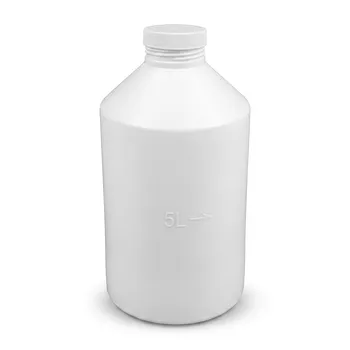
Our range includes compact bottles for bench-scale work as well as large-capacity vessels, including 2 L reaction bottles and 5 L storage tanks. Wide-mouth designs simplify loading solids, handling viscous liquids, cleaning internal surfaces, and accessing the vessel during preparation or reaction work. Narrow-mouth or controlled-opening formats can be selected where more deliberate dispensing and reduced exposure are preferred. Screw-cap closures are designed for secure, leak-resistant storage and transport when paired with an appropriate vessel design and operating procedure.
Low Background for Trace Metal and Sensitive Analytical Work
In trace heavy metal analysis and other contamination-sensitive workflows, every wetted component matters. A container that contributes ions, releases impurities, adsorbs analytes, or retains residues from prior use can distort results. These risks are especially serious when working at very low analyte concentrations, where a small amount of background contamination may create false positives, poor repeatability, or unreliable calibration performance.
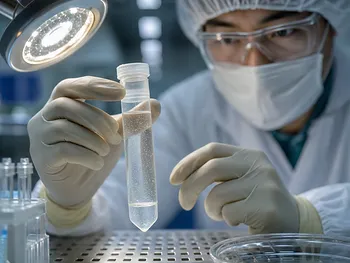
High-purity PTFE and PFA reagent bottles and wash bottles help reduce these risks because fluoropolymer surfaces offer extremely low background interference and near-zero ion leaching under suitable use conditions. Their chemically inert, non-reactive surfaces are well suited to liquids that must remain compositionally stable during storage, washing, transfer, or analysis. They also help minimize the adsorption of metal ions onto vessel walls, which is important when preserving representative sample concentrations and when preparing analytical standards.
This makes fluoropolymer containers a strong choice for workflows involving trace heavy metal detection, including sample and buffer handling associated with highly sensitive electrochemical sensor platforms. For example, PBS and acetate buffer solutions used in analytical preparation must remain stable and free from secondary contamination. PFA or PTFE containers can support long-term handling of high-purity acids, bases, and buffers, including pH 4.5 acetate buffer, while helping laboratories control background interference. In applications involving Ti3C2Tx-rGO sensors and other highly responsive detection methods, choosing low-background reagent and wash bottles is an important practical step toward improving confidence in measured results.
The benefit is not simply material compatibility. It is analytical control. By reducing the risk that the storage container becomes a source of contamination or analyte loss, laboratories can improve blank performance, support more stable calibration, simplify contamination-control protocols, and make results more defensible across repeated tests.
Reagent Bottles for Storage, Sampling, and Reaction Tasks
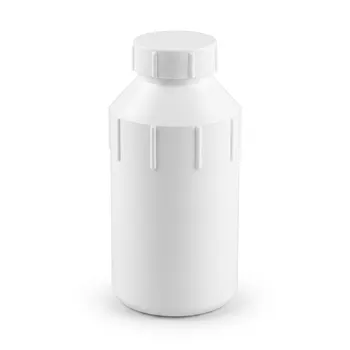
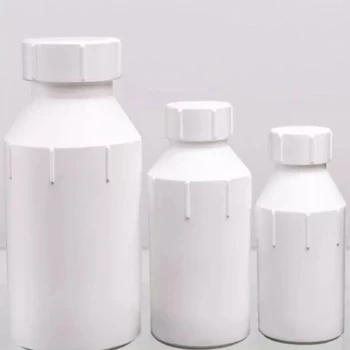
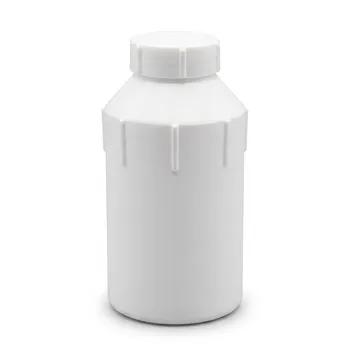
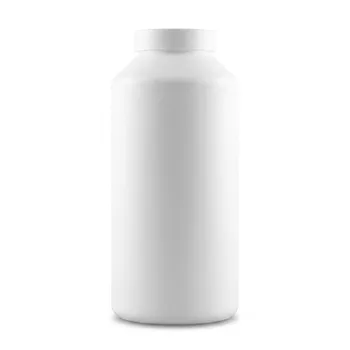
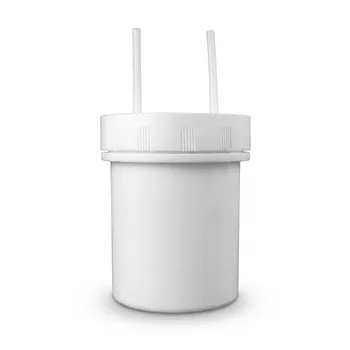
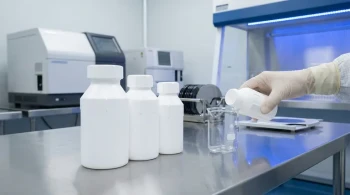
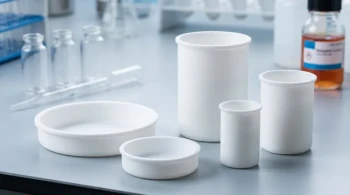
KINTEK reagent bottles are available as high-purity PTFE and PFA vessels for chemical storage, sample retention, reaction work, and custom laboratory handling. Options can include standard bottle forms, wide-mouth reaction bottles, low-background sampling containers, opaque white PTFE barrels, and large-capacity tanks. The right format depends on how the liquid enters, exits, mixes, reacts, and is ultimately sampled from the vessel.
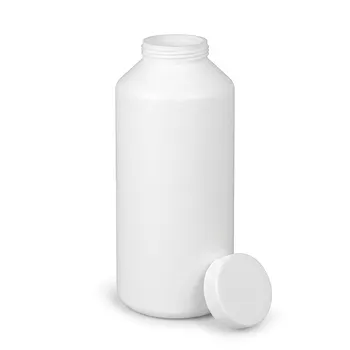
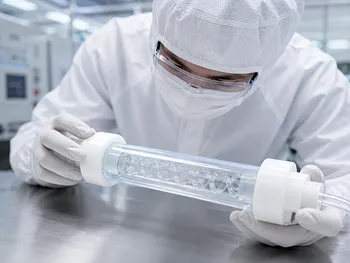
Wide-mouth PTFE reagent and reaction bottles are particularly useful where personnel need to add powders, catalysts, solid samples, or larger transfer volumes. The larger opening can also make manual cleaning and visual inspection more practical. For extraction workflows, a robust fluoropolymer reaction bottle provides a chemically resistant environment for corrosive or solvent-based media. Selected configurations can be designed for compatibility with rotary agitation systems, supporting consistent mixing while retaining the chemical resistance expected from PTFE construction.
For high-volume storage, KINTEK can provide large-capacity PTFE storage tanks and reagent bottles with secure screw-seal designs. These vessels suit laboratory and industrial operations that need dependable storage for aggressive liquids without relying on materials that may corrode or contaminate the contents. Opaque PTFE formats can also be useful where a durable, non-transparent chemical storage or sampling vessel is preferred.
PFA Volumetric Flasks for High-Purity Measurement Work
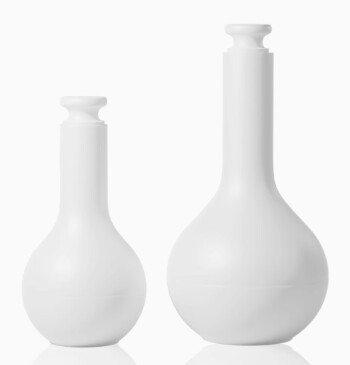
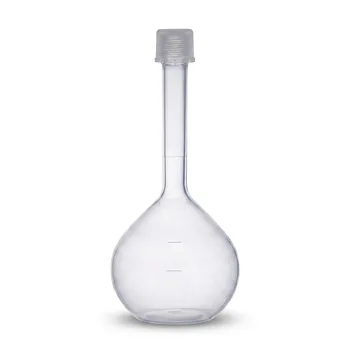
Volumetric preparation requires more than a chemical-resistant container. It requires a vessel shape and capacity suited to preparing solutions consistently, while avoiding material-related interference. KINTEK PFA volumetric flasks are intended for high-purity analytical and industrial applications, including trace analysis, semiconductor-related chemical work, medical research, and other processes where material cleanliness is critical.
PFA is an excellent choice for volumetric containers used with aggressive reagents because it combines fluoropolymer resistance with a smooth surface and useful visual clarity. Available capacities can include larger formats such as 1000 mL and 2000 mL, and custom mold fabrication can be considered where a specific flask form, fill volume, opening dimension, or process interface is needed. Customers should define the required metrology, calibration approach, operating temperature, and chemical exposure when requesting a volumetric solution so the vessel can be designed for the actual application rather than assumed to be a universal measurement standard.
PTFE Gas Washing Bottles for Absorption and Scrubbing
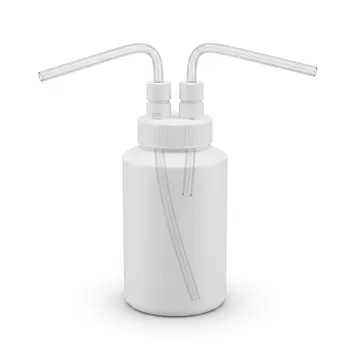
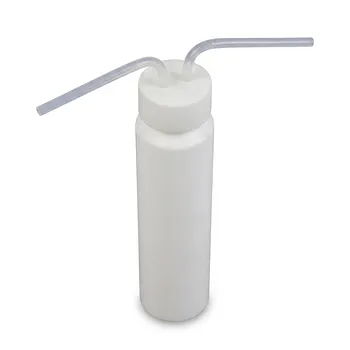
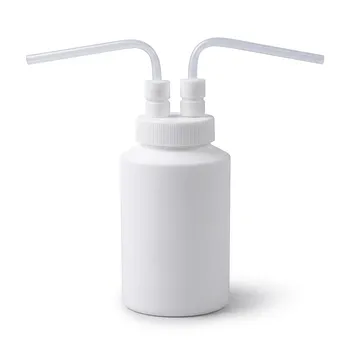
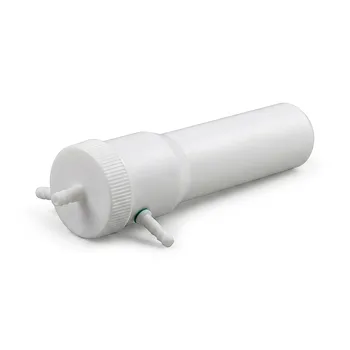
Gas washing bottles are used to bring gases into controlled contact with liquids for absorption, purification, humidification, trapping, or analytical sampling. In corrosive gas service, the vessel and its wetted fittings must withstand the chemical environment while maintaining reliable gas flow and secure connections. KINTEK PTFE gas washing bottles are designed for these high-demand conditions.
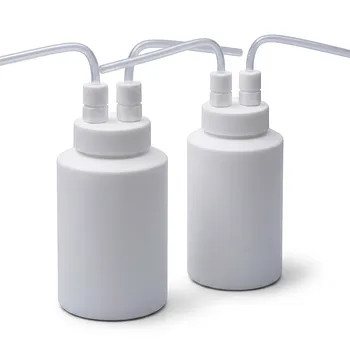
Our gas washing bottle configurations can incorporate 1/4-inch tubing connections, precision fittings, sintered filter balls, slender vessel profiles, and series-connection capability. A sintered PTFE filter ball can diffuse incoming gas into smaller bubbles, increasing gas-liquid contact area and supporting more effective absorption or washing. The exact performance depends on the gas composition, liquid medium, flow rate, pressure, bubble size, immersion depth, and system arrangement; KINTEK can help configure the vessel around these operating variables.
For multi-stage gas treatment, series-connected gas washing bottles can support sequential absorption steps or different treatment liquids. This may be useful when a process requires staged scrubbing, gas purification, moisture conditioning, or collection of particular analytes. PTFE construction is well suited to difficult media, including acid gases and corrosive chemical absorption solutions, where less resistant bottle materials may degrade or compromise process reliability.
A representative application is hydrogen chloride sampling and solid-waste gas detection. In these workflows, material inertness is essential because the sampling apparatus must not introduce interfering substances or react with the gas and absorbent in a way that undermines detection quality. A high-purity PTFE bubble absorption bottle can provide a corrosion-resistant, low-contamination component within the sampling train and may be integrated with compatible filtration or downstream collection equipment.
Why PTFE and PFA Improve Fluid-Handling Reliability
The value of PTFE and PFA reagent bottles extends through the entire liquid-handling cycle. Chemical compatibility helps the vessel maintain its integrity. Low surface energy helps reduce sticking and residue retention. High purity helps protect sensitive liquids from background contamination. Thermal durability broadens the range of laboratory environments in which the vessel can be used. A well-specified closure, port, or fitting helps maintain containment while making the vessel easier to integrate into existing workflows.
Key advantages include:
Exceptional corrosion resistance: PTFE and PFA are suited to a broad range of aggressive acids, bases, solvents, and chemical solutions.
Low contamination potential: High-purity fluoropolymer construction helps reduce ion leaching and extractables that can affect sensitive analysis.
Reduced analyte adsorption: Low-energy surfaces help limit interaction between the vessel wall and many dissolved species.
Thermal stability: Fluoropolymer vessels can support conditions beyond the practical range of many ordinary laboratory plastics, subject to the complete assembly design and operating limits.
Non-stick internal surfaces: Smooth, low-friction surfaces can make cleaning, rinsing, and recovery of valuable or sensitive media easier.
Leak-resistant storage options: Screw closures and custom sealing designs can be specified for reliable containment needs.
Application-specific geometry: Wide mouths, slender scrubber bodies, large-capacity tanks, custom heights, custom diameters, and specialized connections can be engineered for the actual process.
Long service life: Robust chemical resistance can reduce replacement frequency in corrosive service when vessels are properly selected and maintained.
Custom Bottle Design from KINTEK
Standard containers are often only a starting point. A laboratory may need a bottle with a non-standard capacity, a wider loading opening, a custom cap, a side port, a bottom outlet, multiple tube connections, a defined internal dip-tube length, or geometry that fits a particular instrument, agitator, rack, enclosure, or automated handling system. Industrial users may require a larger fluoropolymer tank, reinforced mounting features, special thread compatibility, or a vessel designed around process plumbing.
KINTEK is exclusively focused on high-performance PTFE and PFA laboratory supplies and provides end-to-end custom CNC machining capabilities. This allows us to move beyond off-the-shelf bottle dimensions and develop fluoropolymer vessels that address practical process constraints. We can support custom reagent bottles, reaction vessels, gas absorption units, storage containers, sampling bottles, and integrated laboratory setups, from individual specialized parts to high-volume orders.
When planning a custom design, useful information includes the chemical media, concentration, operating temperature, intended capacity, required neck and cap style, tubing size, number and position of ports, pressure or vacuum conditions, mixing method, cleanliness target, and any required external dimensions. Sharing a drawing, sample photo, installation space, or existing vessel specification can further speed technical evaluation. For high-purity applications, it is also useful to describe the analytical method, target detection range, cleaning procedure, and contamination-control requirements.
Select the Right Reagent or Wash Bottle Configuration
The right fluoropolymer bottle should be chosen as part of the process, not only by volume. A wash bottle used for dispensing acids may need a different closure and outlet arrangement than a storage bottle. A trace-analysis sample bottle may prioritize low background and cleanability. A reaction bottle may require a wide mouth, larger volume, and agitator compatibility. A gas washing bottle needs properly positioned inlet and outlet paths, suitable fittings, and effective gas dispersion. Large storage tanks may require a design that considers transfer, handling, support, and access for cleaning.
KINTEK can help match these requirements to a PTFE or PFA solution. We combine fluoropolymer material knowledge with practical manufacturing capability to deliver containers that are chemically resistant, high purity, and tailored to the way your laboratory or process actually operates. To discuss a standard product, request a custom size, or obtain engineering support for a specialized vessel, contact KINTEK through our inquiry form. Include your application requirements, media, dimensions, and connection details, and our team will help develop an appropriate PTFE or PFA reagent bottle, wash bottle, reaction vessel, storage tank, or gas washing assembly.
FAQ
What Are The Main Applications Of PTFE Labware?
PTFE labware is widely used in various fields including engineering (e.g., tube lining), non-stick equipment (e.g., pans and bearings), medical applications (e.g., bacteria prevention on catheters), rainwear, and as lubricants in machinery. In laboratories, it is ideal due to its resistance to strong acids and bases, steam resistance, and ability to withstand a wide temperature range from -200°C to +300°C.
What Are The Main Applications Of PTFE Parts?
PTFE parts are widely used in various industries including medical (surgical instruments, prosthetic devices), electrical (wiring, electrical components), and food and beverage (equipment in direct contact with food). Their biocompatibility, insulating properties, and non-toxic nature make them versatile across these fields.
What Are The Common Applications Of PTFE Barrels?
PTFE barrels are widely used in various industries including plumbing (washers and sealing tapes), petrochemical (pipelines, valves, and fittings), food processing (hygienic conditions), pharmaceutical (product purity), aerospace (engines and components), and electrical (insulation and leak prevention). They are also ideal for chemical storage and handling due to their resistance to corrosive substances.
What Are The Main Applications Of Teflon Seals?
Teflon seals are widely used in various industries due to their versatility. Common applications include non-stick cookware (pans, skillets, baking sheets), industrial components like seals, gaskets, and bearings, electrical insulation, automotive coatings, medical devices, and aerospace components. They are also used in automotive parts, medical tools, and as padding due to their resistance to water, heat, and chemicals.
What Are The Main Applications Of PTFE Discs?
PTFE discs are widely used in laboratory glassware, chemical processing equipment, and industrial piping systems. They are also applied in shock absorbers, agriculture, food and beverage, robotics, maintenance, injection presses, presses, and pneumatics.
What Are The Main Applications Of Custom Teflon Parts?
Custom Teflon parts are widely used in various industries including aerospace, automotive, chemical processing, food and beverage, pharmaceuticals, heavy machinery, and marine and offshore applications. They are also used as coatings for non-stick surfaces, insulation for electrical components, and sealing materials for high-pressure systems.
What Are The Main Applications Of Custom PTFE Products?
Custom PTFE products are widely used in aerospace and computer wiring due to their excellent dielectric properties. In industrial settings, they are used for low friction parts like bearings and gears. In the medical field, PTFE is used for grafts, catheter coatings, and medical-grade components. The semiconductor industry utilizes PTFE for its resistance to strong acids. Additionally, PTFE is used in chemical processing equipment and as coatings for pipes carrying corrosive chemicals.
What Are The Main Applications Of PTFE Gaskets?
PTFE gaskets are widely used in conveying pipes, exhaust pipes, steam pipes, high-pressure oil pipes in steel rolling mills, aircraft hydraulic systems, cold-pressing systems, distillation towers, heat exchangers, kettles, tank linings, valves, and other chemical equipment. They are also used in machinery, heat exchangers, high-pressure vessels, large-diameter vessels, pumps, and seals for grooved flanges, glass reactors, flat flanges, and large-diameter flange seals. Additionally, they are used in industries requiring chemical or heat resistance, including chemical processing, automotive, industrial, electrical, and medical sectors.
What Are The Common Applications Of Teflon Balls?
Teflon balls are widely used in ball valves, check valves, compressors, bearings, gears, slide plates, and volume displacement. They are also utilized in medical devices, food preparation, electronics, pharmaceuticals, and various industrial applications due to their purity and chemical resistance.
What Are The Main Applications Of PTFE Components?
PTFE components are widely used as sealing materials in gaskets, O-rings, seals, and bearings, especially in applications that require chemical resistance and high-temperature capabilities. They are also used for non-stick cookware coatings and electrical insulation.
What Are The Main Applications Of PTFE Rings?
PTFE rings are widely used in aerospace and computer wiring due to their excellent dielectric properties. They are also used in industrial applications for low-friction parts like bearings and gears, in medicine as graft materials and catheter coatings, and in the semiconductor industry for their resistance to strong acids. Additionally, they are used in liners for engineering, non-stick equipment, medical applications, rainwear, and as lubricants in machinery.
What Are The Key Features Of PTFE Labware?
PTFE labware is known for its legendary resistance to strong acids and bases, steam resistance, and a wide temperature range from -200°C to +300°C. Its three-dimensional molecular structure makes it highly resistant to most solvents, and the helical polymer chain sheathed by fluorine atoms protects the carbon-carbon bonds, enhancing its chemical resistance. However, it can be attacked by molten alkali metals and fluorine at high temperatures.
What Are The Key Features Of PTFE?
PTFE has several notable features: a high melting point of around 347 °C, high resistance to water, a very low coefficient of friction, and flexibility even at low temperatures. It also offers outstanding chemical resistance, is soft and formable, has good weathering resistance, and performs well at elevated temperatures.
What Are The Key Features Of PTFE Barrels?
PTFE barrels feature a high melting point (around 347°C), excellent resistance to water and chemicals, a very low coefficient of friction, and flexibility even at low temperatures. They can be used continuously from -270°C up to 250°C, with a maximum use temperature of 280°C. Their heavy wall construction and smooth internal finish ensure leak-free performance.
What Are The Key Features Of Teflon Seals?
Teflon seals are known for their exceptional chemical resistance, flexibility, and durability. These features make them highly suitable for demanding industrial applications where resistance to harsh chemicals and long-term performance are critical.
What Are The Key Features Of PTFE Discs?
PTFE discs combine the properties of PTFE and rubber, offering excellent chemical resistance, low friction, heat resistance, and good compression set. They also feature a low coefficient of friction, excellent chemical inertness, a non-adhesive surface, a wide temperature range (-200°C to +260°C), and excellent dielectric properties.
What Are The Key Features Of Custom Teflon Parts?
Custom Teflon parts are known for their high chemical resistance, low friction coefficient, high-temperature stability, and excellent electrical insulation. These features make them suitable for demanding industrial and laboratory environments.
What Are The Key Features Of PTFE That Make It Suitable For These Applications?
PTFE has a high melting point of around 347 °C, high resistance to water, and a very low coefficient of friction. It remains flexible even at low temperatures. These properties make it ideal for applications requiring chemical resistance, low friction, and durability, such as wire insulation, surface coatings, and chemical processing equipment.
What Are The Key Features Of PTFE Gaskets?
PTFE gaskets come in various types including virgin, expanded, and modified options. They can handle nearly all chemicals and temperatures up to 500 degrees Fahrenheit. They are available for any need from small batch to high-volume production while meeting demanding standards. PTFE has a high melting point of around 347 °C, high resistance to water, a very low coefficient of friction, and flexibility even at low temperatures.
What Are The Key Features Of Teflon Balls?
Teflon balls are waterproof, non-porous, and can be machined or molded to any desired size. They are inert, chemically resistant, and operate effectively across a wide temperature range. Additionally, they are corrosion-resistant against caustic chemicals, have a long surface life, and excellent ductility, making them ideal for sealing applications.
What Are The Key Features Of PTFE Components?
PTFE components are known for their low friction coefficient, ability to function at extreme temperatures, excellent moisture resistance, good cryogenic capabilities, and strong tensile strength.
What Are The Key Features Of PTFE Rings?
PTFE rings have a high melting point of around 347°C, high resistance to water, a very low coefficient of friction, and remain flexible even at low temperatures. They are known for being the most slippery material, withstanding extreme temperatures, and providing excellent insulation. They are also resistant to nearly all industrial chemicals and solvents, have outstanding dielectric properties, and resist ignition and flame spread.
What Makes PTFE Suitable For Labware?
PTFE is chemically inert, durable under load, stable across temperature fluctuations, forms excellent seals, is flexible, and can be moulded with a magnetic core. These properties make it ideal for labware items like stopcocks, beakers, pipes, test tubes, stirrers, petri dishes, and stands. Its resistance to strong acids and bases, steam, and a wide temperature range further enhance its suitability for laboratory use.
How Do PTFE O-ring Seals Work?
PTFE O-ring seals have a circular cross-section and are typically made of elastic rubber material. They achieve sealing through elastic properties and preload. When placed between connected parts, the O-ring fills the sealing gap and forms a sealing interface due to its elasticity. External stress causes the O-ring to maintain sealing interface stability, preventing liquid or gas leakage.
How Does A PTFE Lined Butterfly Valve Work?
A PTFE lined butterfly valve operates on the quick shut off principle. It consists of a circular disc (butterfly) placed in the center of the pipe, connected to an actuator via a rod. By rotating the disc using a handwheel, the flow can be either allowed (disc parallel to flow) or closed (disc perpendicular to flow).
How Do Teflon Seals Work In Harsh Environments?
Teflon seals operate effectively in harsh environments due to their great chemical resistance. They can withstand exposure to a wide variety of chemicals without degrading, making them ideal for use in industries where chemical exposure is common.
How Do PTFE Discs Work In Sealing Applications?
PTFE O-ring seals, which have a circular cross-section, achieve sealing through their elastic properties and preload. When placed between connected parts, the O-ring fills the sealing gap and forms a sealing interface due to its elasticity. External stress ensures the O-ring maintains sealing interface stability, preventing liquid or gas leakage.
What Are The Advantages Of Using Custom Teflon Parts?
The advantages of custom Teflon parts include a long service life, cost-effectiveness, enhanced performance under harsh conditions, and versatility in design for multiple applications. These benefits make them a preferred choice in many industries.
How Is PTFE Processed Into Custom Parts?
PTFE resin does not flow when melted, so it cannot be injection molded. The best methods for processing PTFE are molding and machining, which allow for the creation of custom parts with precise dimensions and properties.
What Is The Principle Behind PTFE Gaskets?
PTFE gasket materials are known for their non-reactive characteristics, making them impervious to attack and degradation by aggressive gases, vapors, and fluids. They exhibit excellent dielectric properties, a very low coefficient of friction, and can operate across a wide temperature range from -400°F to 500°F. PTFE is among the most chemically resistant materials available.
What Are The Technical Specifications Of Teflon Balls?
Teflon balls have a specific gravity of 2.10 – 2.20 g/cc, hardness shore of 55D, tensile strength of 2990-4970 psi, flexural strength of 2490 psi, melting point of 621°F (327°C), heat deflection temperature of 248°F (120°C), coefficient of friction of 0.110, water absorption of 0.01% over 24 hours, and a dielectric constant of 2.1.
What Are The Key Components Of PTFE (Polytetrafluoroethylene)?
The primary components of PTFE are fluorine and carbon, which contribute to its unique properties such as chemical resistance and high-temperature stability.
How Are PTFE Rings Manufactured?
PTFE rings can be made from raw PTFE, which comes in powder or liquid forms. Smaller items can be dipped and spun to remove excess material. Another method involves using an electrostatic spray gun to apply negatively charged PTFE particles. The coated object is then cured at high temperatures to finalize the product.
What Are The Advantages Of Using PTFE Labware?
PTFE labware offers high strength, moisture resistance, temperature resistance, and thermal expansion resistance. It is suitable for storing strong acids, aqua regia, and various chemical liquids. PTFE coatings also provide resistance to extreme temperatures, non-stick properties, chemical resistance, and excellent electrical insulation. These advantages make PTFE labware a preferred choice in demanding laboratory and industrial environments.
What Are The Advantages Of Using PTFE Parts?
PTFE parts are easy to machine, affordable, and long-lasting. They have a low coefficient of friction and wear resistance, making them ideal for mechanisms that rotate or slide. Additionally, PTFE has non-stick properties, is moisture and chemical resistant, has a high strength-to-weight ratio, is easily machinable with excellent dielectric properties, and has a relatively high melting point. They are also FDA approved for food-related applications.
What Are The Advantages Of Using PTFE Barrels?
PTFE barrels offer numerous advantages including corrosion resistance, a wide temperature range (-325°F to above 500°F), no swelling (hydrophobic properties), FDA compliance, UV radiation resistance, and excellent electrical insulation. They also provide non-stick properties and are resistant to extreme temperatures and chemicals.
What Are The Advantages Of Using Teflon Seals?
Teflon seals offer several advantages, including easy machinability due to their softness and density, and excellent thermal stability. These properties prevent part deformation and tool clogging during manufacturing, ensuring high-quality and reliable seals for various applications.
What Are The Advantages Of Using PTFE Discs?
PTFE discs offer numerous advantages, including chemical resistance, temperature resistance, versatility, non-corrosive properties, electrical and thermal insulation, and easy availability. These properties make them suitable for a wide range of industrial applications.
Why Is Teflon Preferred For High-temperature Applications?
Teflon is preferred for high-temperature applications due to its high-temperature stability, which allows it to maintain its properties and performance even under extreme heat conditions.
What Are The Advantages Of Using PTFE Gaskets?
PTFE gaskets offer excellent sealing performance, low friction, and high-temperature resistance. They are also resistant to wear, fatigue, and chemical corrosion. Additionally, PTFE gaskets have anti-adhesion properties, are electrically insulating, and are easy to install and maintain.
What Are The Advantages Of Using Teflon Balls?
Teflon balls offer several advantages including high chemical resistance, excellent durability, and a low coefficient of friction. They are also waterproof, non-porous, and can withstand a wide range of temperatures. Their corrosion resistance and long surface life make them excellent for sealing and other demanding applications.
What Are The Advantages Of Using PTFE Components?
PTFE components offer several advantages, including resistance to extreme temperatures, non-stick properties, excellent chemical resistance, and superior electrical insulation. They also have a low friction coefficient and good tensile strength.
What Are The Advantages Of Using PTFE Rings?
PTFE rings offer numerous advantages, including corrosion resistance, a long shelf life, and the ability to withstand a wide temperature range (-325°F to above 500°F). They are hydrophobic (do not swell), FDA compliant, resistant to UV radiation, and provide excellent electrical resistance. Additionally, they are non-stick, chemically resistant, and provide great electrical insulation.
What Types Of PTFE Labware Are Available?
PTFE labware includes a wide range of products such as custom machined parts, tweezers, scrapers, shovels, containers, volumetric flasks, microwave digestion vessels, sampling spoons, square trays, bottles, measuring cylinders, evaporating dishes, three-neck flasks, magnetic stirring bars, and cleaning racks. These items are designed for precision and resilience in demanding environments.
Why Is PTFE Suitable For CNC Machining?
PTFE's machinability allows for precise CNC customization to meet specific industrial requirements. This enables the creation of specialized components like chemical-resistant tank linings, food-grade cutting boards, and precision seals that optimize performance for unique operational challenges while maintaining all of PTFE's beneficial properties.
Why Are PTFE Barrels Suitable For Laboratory Use?
PTFE barrels are ideal for laboratory use due to their excellent chemical, mechanical, and heat resistance. They are perfect for dissolutions and digestions with acids and corrosive agents, and their non-reactive nature ensures sample purity. Additionally, their durability and leak-proof design make them reliable for various lab applications.
Are Teflon Seals Environmentally Friendly?
Yes, Teflon seals are environmentally friendly as they are made from renewable resources. Additionally, they are fire-safe, adding to their safety and sustainability benefits.
Why Are PTFE Discs Preferred In High-temperature Environments?
PTFE discs can withstand extreme temperatures ranging from -200°C to +260°C, making them ideal for high-temperature environments. Their heat resistance ensures they maintain their properties and performance even under such conditions.
Can Custom Teflon Parts Be Used In The Food And Beverage Industry?
Yes, custom Teflon parts are commonly used in the food and beverage industry due to their chemical inertness, non-stick properties, and ability to withstand high temperatures, making them safe and efficient for food processing applications.
Why Is PTFE Preferred In The Medical And Food Industries?
PTFE is preferred in the medical and food industries because it is non-toxic, complies with FDA regulations, and has excellent chemical and friction resistance. Its food-grade approval and ease of cleaning make it ideal for applications requiring high hygiene standards.
How Are PTFE Gaskets Installed?
The installation process includes preparing the flange surfaces, inspecting the gasket, positioning it correctly, using alignment tools if necessary, applying lubrication if required, assembling the flanges, tightening the bolts in a crisscross pattern, and conducting a final check for leaks or misalignment.
Why Are Teflon Balls Preferred In Medical And Food Industries?
Teflon balls are preferred in medical and food industries due to their high purity, chemical inertness, and non-toxic properties. They do not react with substances they come into contact with, ensuring safety and hygiene in sensitive applications like medical devices and food preparation.
Why Are PTFE Components Ideal For Chemical And High-temperature Applications?
PTFE components are ideal for chemical and high-temperature applications due to their exceptional chemical resistance and ability to function at extreme temperatures, making them suitable for environments where other materials might degrade or fail.
Why Are PTFE Rings Preferred In The Semiconductor Industry?
PTFE rings are preferred in the semiconductor industry due to their exceptional chemical resistance, particularly to strong acids. Their ability to withstand harsh chemical environments while maintaining structural integrity makes them ideal for use in semiconductor manufacturing and processing equipment.
What Types Of PTFE Parts Are Commonly Manufactured?
Commonly manufactured PTFE parts include containers, flower baskets, tweezers, magnetic stirring bars, measuring cylinders, scrapers, shovels, square trays, bottles, microwave digestion vessels, crucibles, three-neck flasks, volumetric flasks, cleaning racks, evaporating dishes, and sampling spoons. These parts are used in labs, semiconductor industries, and medical applications.
Are PTFE Discs Resistant To Chemicals?
Yes, PTFE discs are highly resistant to a wide range of chemicals, making them suitable for use in harsh chemical environments. Their excellent chemical inertness ensures they do not react with most substances.
What Makes Teflon Suitable For Electrical Insulation?
Teflon's excellent electrical insulation properties, combined with its high-temperature stability and chemical resistance, make it an ideal material for insulating electrical components in various industrial and laboratory settings.
What Types Of Custom PTFE Products Are Available?
Custom PTFE products include scrapers, shovels, cleaning racks, evaporating dishes, flower baskets, tweezers, containers, three-neck flasks, and bottles. These products are customizable in size and design to meet specific industrial, laboratory, and medical needs.
Can Teflon Balls Be Customized For Specific Applications?
Yes, Teflon balls can be machined or molded to any desired size and shape to meet specific application requirements. Custom designs are available to suit various industrial, laboratory, and medical needs, ensuring optimal performance in specialized environments.
How Do PTFE Components Perform In Cryogenic Conditions?
PTFE components perform well in cryogenic conditions due to their good cryogenic capabilities, maintaining their structural integrity and functionality even at very low temperatures.
Are PTFE Rings Suitable For Medical Applications?
Yes, PTFE rings are suitable for medical applications. They are used as graft materials and catheter coatings due to their biocompatibility, flexibility, and resistance to bacteria. Their non-reactive nature and ability to prevent bacterial growth make them ideal for various medical uses.
What Makes PTFE Discs Non-stick?
PTFE discs have a non-adhesive surface due to the inherent properties of PTFE, which prevent materials from sticking to them. This makes them ideal for applications where easy cleaning and minimal contamination are required.
Can PTFE Discs Be Used In Electrical Applications?
Yes, PTFE discs have excellent dielectric properties, making them suitable for electrical insulation applications. They provide great electrical insulation and are often used in electrical and electronic components.
How Do PTFE Discs Perform In Low-temperature Environments?
PTFE discs can perform reliably in low-temperature environments, as they can withstand temperatures as low as -200°C. Their properties remain stable, ensuring consistent performance even in extreme cold.
Are PTFE Discs Customizable For Specific Applications?
Yes, PTFE discs can be customized in terms of size, shape, and other specifications to meet the requirements of specific applications. This versatility makes them suitable for a wide range of industrial and laboratory uses.
This website uses cookies to enhance your browsing experience,
analyze site traffic, and serve better user experiences. By continuing to use this site, you consent to our use of
cookies. Learn more in our cookie policy.