The Frustration of the "Ghost" Leak
You’ve spent weeks perfecting your fluidic path for a high-purity chemical assay or a semiconductor etching process. The flow rates are calculated, the timing is set, and the sensors are calibrated. But mid-run, you notice a drift. A baseline shift in your trace analysis indicates cross-contamination, or a drop in pressure suggests a micro-leak.
You check the connections. You tighten the fittings. You even replace the tubing. But the problem persists. In high-precision research, the most common culprit isn't a visible crack—it is the subtle failure of the internal seal within your rotor valve.
The "Tighten It Further" Trap
When a valve begins to weep or leak internally, the natural instinct is to increase the torque. However, in the world of PTFE (Polytetrafluoroethylene), this often does more harm than good.
Because PTFE is a "soft" fluoropolymer, it is susceptible to "cold flow" or creep. Excessive manual tightening can permanently deform the sealing surfaces, creating new leak paths rather than closing old ones. For labs in the new energy or chemical sectors, these "common fixes" lead to a cycle of frequent maintenance, unpredictable downtime, and the potential ruin of expensive, high-purity samples. The cost isn't just the price of a valve; it’s the price of a failed project.
The Root Cause: Why Static Seals Aren't Enough
To understand why simple valves fail, we must look at the physics of the seal. A rotor valve must do two contradictory things: it must move (rotate) to switch fluid paths, and it must stay perfectly sealed against a stationary surface under pressure.
If the valve relied solely on the "fit" of two plastic pieces, the friction of rotation would eventually wear down the material, creating microscopic gaps. This is where the three primary components of a standard PTFE rotor valve assembly come into play to solve the fundamental physics of wear:
- The Precision-Machined Rotor: Usually a flat disc or cylinder containing the specific flow pathways. It must be machined to extreme tolerances to ensure the "map" of the fluid path aligns perfectly with the ports.
- The Stationary Stator: Typically made from chemically resistant materials like PTFE, PCTFE, or PEEK. This component houses the inlet and outlet ports. The interface between the rotor and stator is where the magic (or the failure) happens.
- The Pressure-Loaded Mechanism: This is the "unsung hero" of the assembly. A spring or a Belleville washer stack applies a constant axial force. This ensures that even as the PTFE surfaces experience minor wear or thermal expansion, the rotor and stator are "pushed" together with consistent pressure, maintaining a leak-tight seal without needing manual adjustment.
Failure usually occurs because one of these three elements is compromised—often due to inferior machining or a lack of understanding of how the pressure-loading mechanism compensates for material behavior.
The KINTEK Solution: Engineering for Chemical Resilience
At KINTEK, we don't treat a rotor valve as a simple plastic part; we treat it as a high-precision mechanical assembly. Our approach addresses the root causes of valve failure through superior material science and manufacturing:
- Custom CNC Fabrication: Unlike molded components that may have internal stresses or surface irregularities, our PTFE and PFA components are CNC-machined. This ensures that the mating surfaces of your rotor and stator are perfectly flat, minimizing the "break-in" period and maximizing seal longevity.
- Material Synergy: We specialize in combining the ultra-high purity of PFA and PTFE with the structural rigidity of PCTFE or PEEK stators where necessary, ensuring your valve can handle corrosive media without deforming under pressure.
- Integrated Design: Our valve assemblies are designed from the ground up to incorporate robust pressure-loading mechanisms. Whether it’s for a battery testing fixture or a trace analysis labware system, we ensure the axial force is calibrated to the specific pressures of your application.
Beyond the Fix: Unlocking New Research Potential
When you move away from "good enough" components to a precision-engineered rotor valve assembly, the conversation changes from "how do we stop the leak?" to "what can we achieve next?"
Reliable fluidics allow for longer, unattended testing cycles in battery research. They enable the detection of parts-per-trillion (ppt) levels in trace analysis because cross-contamination is virtually eliminated. In the semiconductor industry, it means tighter process control and higher yields. By solving the underlying mechanical struggle of the valve, you free your team to focus on the science, not the hardware.
The complexity of modern chemical research demands more than off-the-shelf solutions. Whether you are developing a specialized prototype for electrochemical cells or scaling up an industrial fluid transfer system, our team is ready to help you engineer the perfect flow path. Let’s move your project from "problem-solving mode" to "discovery mode" together. Contact Our Experts
Related Products
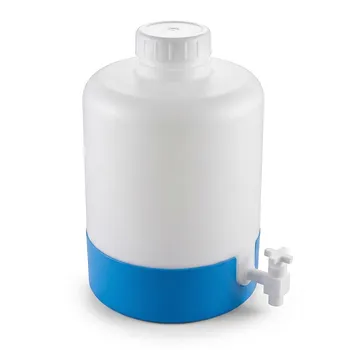
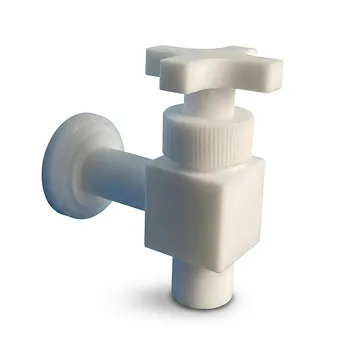
- High Corrosion Resistant PTFE Faucet Polytetrafluoroethylene Valve for Chemical Storage Drums and Fluid Transfer Systems Customizable Industrial Grade
- High Purity PTFE Faucet Corrosion Resistant Polytetrafluoroethylene Drum Valve Customizable Lab Chemical Fluid Control
- Corrosion Resistant PTFE Polytetrafluoroethylene Valve and Customizable Laboratory Fluid Dispensing Faucet for Aggressive Chemical Handling in Industrial Storage Tanks and Plastic Drums
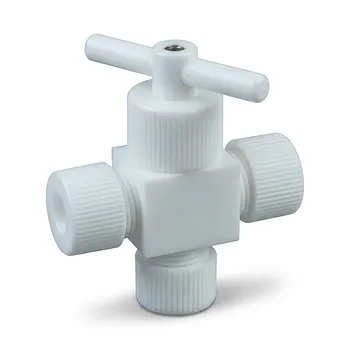
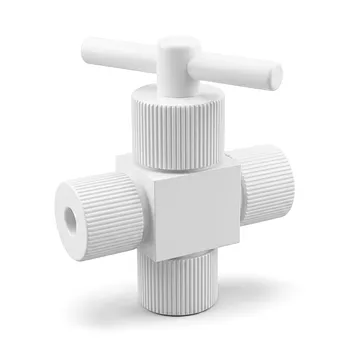
- Custom PTFE Valve 2-Way 3-Way Corrosion Resistant Low Background Virgin Fluoropolymer Industrial Fluid Control
- Corrosion Resistant PTFE Valves Customizable 2 Way 3 Way 4 Way High Temperature Teflon Fluid Control Solutions
Related Articles
- Your Plant's Silent Killer: Why Standard Valves Fail with Corrosive Chemicals (And the One Fix That Works)
- Why Your PTFE Valves Leak at High Temperatures—and How to Master the "Creep" Factor
- Beyond Exotic Alloys: The Smarter Strategy for Corrosion-Proof Fluid Control
- The Hidden Culprit Behind Batch Contamination: Why Your Sterilization Protocol Might Not Be Enough
- Why Your Samples Stick and Your Valves Jam: Solving Laboratory Inefficiencies Through Surface Science