KINTEK Caps & Septa support sample preparation, trace elemental analysis, corrosive chemical synthesis, acid evaporation, fluid handling, and electrochemical research where a dependable seal is essential. The category includes high-temperature TFM microwave digestion vessel lids; custom PTFE multi-port GL32 and GL45 reaction bottle caps; PTFE sealing caps and low-background adapters; and PFA/FEP bottle cap systems with integrated valves and fittings. For advanced electrochemical workflows, it also includes anion exchange membranes for alkaline water electrolysis and CO2 reduction. Each solution is designed around fluoropolymer purity, chemical compatibility, controlled fluid access, and application-specific customization.
Toggle Categories
Get Instant Support
Choose your preferred way to connect with our team
Response Time
Within 8 hours on working days, 24 hours on holidays
Caps & Septa
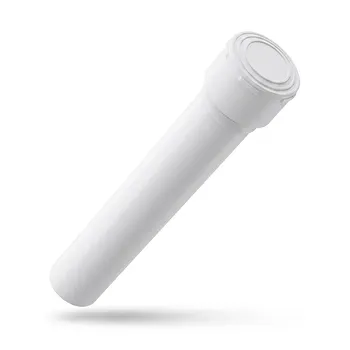
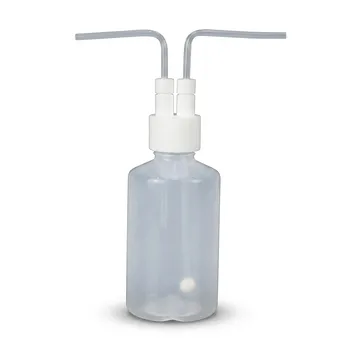
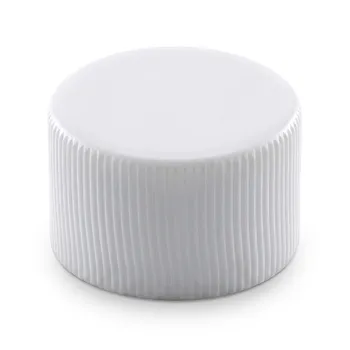
Custom PTFE Sealing Caps and Corrosion Resistant Low Background Teflon Adapters
Item Number: PL-CP221
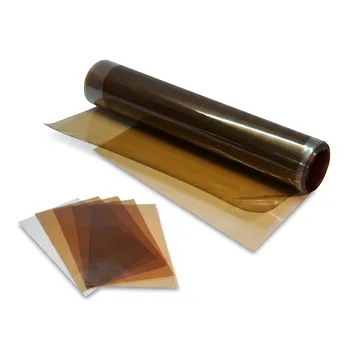
High-Performance Anion Exchange Membrane for Green Hydrogen Production
Item Number: PL-GM02

High-Purity Caps, Septa, and Custom Closure Systems for Demanding Laboratory Workflows
A laboratory closure is more than a cover. In aggressive, high-purity, pressure-sensitive, or trace-level workflows, the cap, septum, adapter, valve connection, and sealing surface can directly affect safety, sample integrity, contamination control, process repeatability, and analytical confidence. A poorly matched closure may permit vapor loss, liquid leakage, airborne contamination, pressure instability, or chemical attack. It may also introduce extractables or particles that are insignificant in routine work but unacceptable for ultra-trace analysis, semiconductor-related chemistry, high-purity reagent handling, or regulated research environments.
KINTEK develops fluoropolymer-based caps and sealing components for laboratories and industrial users who need reliable performance around highly corrosive media and demanding operating conditions. Our core expertise is PTFE and PFA laboratory products, supported by custom CNC machining capabilities for non-standard configurations. This enables users to specify not only a thread or bottle size, but also the functional details that determine whether a closure works in the real process: port quantity, port location, internal geometry, fitting interface, dip-tube provisions, valve integration, sealing profile, material selection, and compatibility with installed equipment.
The Caps & Septa category is centered on purpose-built closure solutions for reaction vessels, reagent bottles, sample-preparation systems, digestion equipment, and fluid-transfer assemblies. It also includes specialized anion exchange membrane products used in electrochemical systems, where chemical resistance, ion transport, mechanical integrity, and dimensional consistency are fundamental to device performance. Together, these products support laboratories building cleaner, safer, and more controllable chemical workflows.
Why Fluoropolymer Closures Matter
PTFE, PFA, FEP, and related fluoropolymers are selected for critical laboratory equipment because they offer a combination of properties that conventional plastics, rubbers, and many metals cannot consistently provide. Their broad chemical inertness makes them well suited to acids, alkalis, oxidizing solutions, solvents, digestion reagents, and other challenging media. Their low surface energy reduces adhesion and residue retention, helping users clean components effectively between batches. Their high purity and low-background behavior can be especially valuable when sample handling and analytical measurements are performed at very low concentration levels.
For users working with concentrated acids, mixed acid systems, hot reagents, reactive intermediates, or high-value samples, closure material compatibility should be considered as early as vessel selection. The bottle body may be chemically resistant, but the practical reliability of the assembly depends on its closure, interfaces, and connections. A compatible cap system helps maintain a contained path from reagent addition through reaction, transfer, sampling, and storage.
Fluoropolymer closures can help users address several recurring laboratory requirements:
- Secure containment for corrosive liquids, vapors, and reaction mixtures.
- Reduced risk of contamination from unsuitable closure materials.
- Reliable sealing for acid evaporation, digestion, synthesis, storage, and transfer tasks.
- Durable interfaces for tubing, fittings, valves, and probes.
- Flexible access to multiple fluid, gas, sampling, or monitoring lines through one cap.
- Cleaner product-contact surfaces for trace analysis and high-purity chemistry.
- Practical replacement or retrofit options for specialized laboratory systems.
The appropriate design always depends on the operating conditions. Temperature, pressure or vacuum, reagent composition, bottle geometry, thread standard, connection type, cleaning method, and expected service cycle all influence the final selection. KINTEK works from these application parameters to provide closure components that fit the intended system rather than forcing the system to conform to a generic part.
Microwave Digestion Vessel Lids for High-Temperature Sample Preparation
Microwave digestion and other high-energy sample-preparation methods place exceptional demands on vessel lids and seals. The goal of digestion is to break down difficult matrices using carefully controlled chemical and thermal conditions, often in the presence of strong acids or oxidizing reagents. During this process, the vessel closure must support the designed operating environment while helping maintain repeatability from run to run.
KINTEK high-temperature TFM microwave digestion vessel lids are intended for compatible acid evaporation systems, laboratory pretreatment equipment, and specialized digestion workflows. TFM is a modified PTFE material known for favorable processing characteristics and strong performance in chemical environments. In appropriate designs, it can support precision-machined lid geometries and sealing features required by demanding sample-preparation equipment.
A well-designed digestion vessel lid contributes to process control in several ways. It provides a consistent seating interface with the vessel, helps contain the reaction environment, and protects the workflow from loss of sample or reagent caused by poor closure alignment. For laboratories handling multiple samples, consistent closure behavior can reduce variation introduced during loading, heating, cooling, and transfer. This is particularly important when digestion quality influences downstream measurements such as elemental analysis, environmental testing, metals screening, geological analysis, food testing, pharmaceutical impurity work, or materials characterization.
When evaluating a replacement or custom digestion lid, users should consider the exact vessel geometry, thread or retention mechanism, working temperature profile, reagent type, pressure conditions defined by the equipment manufacturer, and the intended analytical cleanliness requirement. A visually similar lid is not necessarily functionally interchangeable. KINTEK can assess drawings, dimensions, samples, or equipment requirements to develop compatible custom fluoropolymer components for specialized laboratory pretreatment systems.
Multi-Port PTFE Reaction Bottle Caps for Controlled Fluid Access
Many reaction and transfer processes require more than a single opening. A reaction bottle may need separate paths for reagent addition, gas introduction, venting, sampling, temperature sensing, liquid withdrawal, condenser connection, or inert-gas blanketing. Using several loosely adapted openings can create a complicated assembly with more potential leak paths, poor line organization, and difficult cleaning. A custom multi-port cap consolidates these functions into a single engineered closure.
KINTEK custom PTFE multi-port reaction bottle caps are available for common GL32 and GL45 laboratory bottle formats and can be adapted for other vessel interfaces. PTFE is highly valued for chemically aggressive and high-purity applications because it is broadly inert and resistant to many laboratory reagents. The material also provides an excellent foundation for custom-machined components where precise port positioning, controlled passage geometry, and stable sealing interfaces are required.
A multi-port reaction cap can be configured around the actual process sequence. For example, one port may receive a reagent feed line, another may connect to a gas inlet, a third may support a vent or condenser line, and an additional port may accommodate a probe or sample withdrawal path. This configuration allows users to keep the bottle closed while managing the reaction environment. It can improve containment, reduce unnecessary exposure, and make bench-scale assemblies more orderly and repeatable.
Common application areas include corrosive reagent dispensing, acid-base reactions, wet chemical synthesis, catalyst preparation, controlled atmosphere chemistry, high-purity solution preparation, and process development. Multi-port closures may also be useful in pilot environments where operators need to adapt a laboratory bottle into a compact reaction or transfer vessel without changing the vessel material itself.
Customization matters because the best arrangement is rarely universal. Port diameters must correspond to tubing, fittings, probes, or other accessories. Port spacing must allow the attached hardware to be installed and serviced. Internal extensions may need to reach near the bottom of a bottle, remain above the liquid level, or avoid contact with a stir bar or other internal hardware. KINTEK can manufacture customized designs that account for these practical factors, helping customers move from an improvised bench setup toward an integrated fluoropolymer assembly.
PTFE Sealing Caps and Low-Background Teflon Adapters
Standard closures may be suitable for routine storage, yet applications involving corrosive chemistry or trace-level measurement often require more careful control of wetted materials and sealing interfaces. PTFE sealing caps and fluoropolymer adapters provide a robust option where chemical compatibility, low extractable contribution, cleanability, and precision fit are priorities.
KINTEK custom PTFE sealing caps and Teflon adapters are manufactured for critical laboratory and industrial applications that demand dependable containment. They can serve as end closures, protective covers, transition pieces, thread adapters, vessel interfaces, or custom connection elements. Their role may appear simple, but they often solve important integration problems: joining legacy equipment to modern fittings, replacing a chemically vulnerable component, providing a clean cap for sample storage, or closing an unused port without creating a contamination concern.
Low-background performance is especially relevant in trace analysis. When laboratories measure metals, ionic species, or other analytes at very low levels, every material in contact with a sample or reagent should be assessed for suitability. A closure can influence blank values, carryover risk, and cleaning burden. Fluoropolymer materials are frequently preferred where users aim to minimize interference from the sample-contact pathway, subject to their method requirements and validation procedures.
Precision CNC machining enables custom adapters that are difficult to source as catalog products. This can include unusual thread combinations, reduced or enlarged transitions, specialized shoulders, recesses, sealing lands, internal bores, probe pass-throughs, and geometries built around existing apparatus. Rather than asking a laboratory to redesign a working process around an unavailable standard component, KINTEK can manufacture a component engineered for the interface already in use.
Integrated Valve and Fitting Caps for PFA and FEP Bottles
Reaction, dispensing, and transfer operations often benefit from keeping a bottle closed while enabling controlled access through fittings and valves. An integrated cap system can combine the chemical resistance of a fluoropolymer closure with the utility of a purpose-designed fluid path. This approach is useful when transferring liquids, introducing gases, feeding reagents, withdrawing samples, or managing a closed reaction setup.
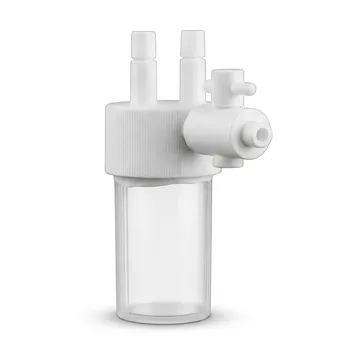
KINTEK custom PTFE reaction lids with integrated valves and fittings are designed for PFA and FEP bottle systems used in corrosive and high-purity workflows. Depending on the configuration, the cap can incorporate one or more connection points for tubing and fittings, as well as valve elements selected for the desired handling sequence. The result is a more cohesive assembly than a conventional cap modified with incompatible accessories.
The operational principle is straightforward: the cap creates the primary closure at the bottle opening, while integrated ports establish controlled pathways through the cap. These pathways can be configured to support fluid delivery, withdrawal, venting, inert gas supply, or recirculation. Valves allow operators to open or isolate a line without removing the entire closure. This can help preserve containment and reduce the number of manual interventions during a process.
For applications involving high-purity reagents, the choice of wetted materials and internal design is particularly important. Smooth, chemically compatible fluoropolymer contact surfaces can support cleaning and help minimize concerns related to reactive or contaminating components. For corrosive applications, material selection helps maintain reliable operation where conventional metal or commodity-plastic fittings might be unsuitable.
These cap systems are relevant to reagent storage and dispensing, sample transfer, acid handling, synthetic chemistry, semiconductor wet processes, electrochemical solution handling, and custom laboratory skids. They can be designed for PFA/FEP bottle geometries and tailored to the user’s preferred tubing size, fitting standard, port count, valve arrangement, and liquid-handling requirements. The exact performance of an assembly depends on the selected components and conditions, so KINTEK reviews the intended chemical, temperature, pressure, and connection requirements before finalizing a custom design.
Anion Exchange Membranes for Electrochemical Research and Green Hydrogen Development
This category also includes anion exchange membranes (AEMs) for specialized electrochemical applications. While an AEM is not a bottle closure, it performs an equally essential separation and transport function within an electrochemical cell. In alkaline water electrolysis, fuel-cell-related research, and carbon dioxide reduction, the membrane influences ionic conduction, separation of reaction environments, mechanical durability, and the overall stability of the device.
An anion exchange membrane contains functional groups that enable the transport of anions, commonly hydroxide ions in alkaline systems, while acting as a physical separator between electrode compartments. This controlled ion transport is central to the operation of anion exchange membrane water electrolyzers. The membrane helps complete the ionic circuit while separating products generated at different electrodes. Its properties can affect resistance, voltage efficiency, water management, gas crossover behavior, mechanical handling, and long-term operational stability.
KINTEK offers high-performance and Grade RT anion exchange membrane options for alkaline water electrolysis and carbon dioxide reduction research. These products are developed for users seeking stable conductivity, alkali resistance, mechanical strength, and reliable operation under appropriately specified conditions. The Grade RT membrane is positioned for electrochemical research applications requiring operational stability up to 60 degrees C, while custom thicknesses and PTFE reinforcement options provide additional flexibility for device development.
For green hydrogen research, AEM technology attracts attention because it can support alkaline electrolysis architectures while creating opportunities for material and system optimization. Researchers and developers evaluate AEMs based on conductivity, chemical stability, dimensional behavior, tensile properties, reinforcement, thickness, and compatibility with catalyst layers, electrodes, frames, gaskets, and balance-of-plant design. No membrane should be selected from a single performance metric alone. The best choice depends on the cell architecture, electrolyte conditions, temperature, current density targets, test duration, and the practical assembly method.
In carbon dioxide reduction systems, membrane behavior can influence local ionic conditions, reactant transport, product distribution, and system stability. As with water electrolysis, a membrane must balance conductivity with physical durability and chemical resistance. Users developing new cell designs may need multiple membrane variants or customized dimensions to evaluate material behavior across prototypes.
KINTEK can support research and development teams with membrane options and customization discussions that consider thickness, reinforcement, cut size, and intended electrochemical operating environment. This is valuable for laboratories moving from small-scale screening to repeatable cell assembly, as well as for organizations developing pilot-scale concepts that require closer control over component dimensions and materials.
Selection Factors for Caps, Seals, and Membranes
The most reliable component choice begins with a clear understanding of the complete system. For closure products, chemical compatibility is a primary consideration, but it is not the only one. A cap that is suitable for storage may not be appropriate for heated digestion, vacuum transfer, pressurized reaction conditions, or continuous dispensing. Likewise, a fitting configuration that works with one tubing material or diameter may be unsuitable for another.
Key information for selecting a custom cap, sealing adapter, or integrated closure assembly includes:
- Vessel type, neck thread, outer diameter, opening dimensions, and available drawings.
- Required standard, such as GL32, GL45, or a non-standard proprietary interface.
- Reagents and concentrations, including acids, bases, oxidizers, solvents, and mixtures.
- Normal and maximum process temperature.
- Whether the system operates under ambient pressure, positive pressure, vacuum, or changing pressure conditions.
- Number and purpose of ports, such as inlet, outlet, vent, sampling, sensor, or gas line.
- Tubing dimensions, fitting style, valve requirements, and connection orientation.
- Cleanliness requirements, including trace-analysis or high-purity considerations.
- Required quantity, expected use frequency, and whether the project is a prototype, replacement part, or volume production program.
For anion exchange membranes, selection should additionally account for cell design, electrode and catalyst configuration, alkaline operating conditions, membrane thickness, reinforcement requirements, target temperature, active area, and desired sheet or custom-cut dimensions. This application information makes it possible to recommend or manufacture a solution that supports meaningful testing rather than simply supplying a nominally similar material.
Custom CNC Machining for Non-Standard Laboratory Components
Many laboratories eventually encounter an interface that cannot be solved with a standard catalog item. An older instrument may have a proprietary vessel neck. A research reactor may require a specific arrangement of probes and feed lines. A production group may need a clean, corrosion-resistant replacement for a metal manifold component. A new process may require a cap with a non-standard number of ports, custom center spacing, internal dip tubes, or a sealing profile designed around a specialized vessel.
KINTEK’s fluoropolymer-focused CNC machining capability is intended for exactly these cases. We manufacture custom PTFE and PFA components from concept through production, supporting individual experimental parts as well as repeat orders and higher-volume programs. Custom work can be based on technical drawings, dimensional requirements, sample parts, or a functional description of the assembly. Where appropriate, the design can be refined around manufacturability, assembly access, chemical exposure, and the practical needs of operators.
Our scope can extend beyond a cap itself. A custom project may involve a coordinated assembly of a reaction lid, fitting ports, tubing interfaces, valves, bottle adapters, seals, and related fluoropolymer parts. Keeping these elements within a unified material and design strategy can simplify procurement and improve consistency across the process. It also gives customers a clearer path from a bench-scale prototype to a repeatable laboratory or production configuration.
For quality-sensitive work, customization should not mean improvisation. It should mean defining the critical dimensions, selecting the appropriate fluoropolymer material, considering the process environment, and producing a component that can be inspected and reproduced. This is the value of working with a supplier dedicated to high-performance fluoropolymer laboratory equipment rather than treating the closure as an afterthought.
Build a More Reliable Containment and Fluid-Handling System
Whether you need a replacement TFM digestion lid, a multi-port GL45 reaction cap, a low-background PTFE sealing adapter, a PFA bottle cap with integrated valves, or an AEM cut to your electrochemical cell dimensions, KINTEK can help translate your application requirements into a practical fluoropolymer solution. Our team understands the demands of corrosive chemistry, trace-level analysis, custom apparatus, and high-purity fluid handling.
Share your vessel drawing, thread specification, operating medium, temperature range, port layout, fitting requirements, or electrochemical membrane target through our contact form. We will review the application and provide professional support for standard products, custom PTFE/PFA machining, prototype development, and scalable supply. A properly engineered cap, septum-compatible closure, adapter, or membrane can improve the reliability of the entire system.
REQUEST A QUOTE
Our professional team will reply to you within one business day. Please feel free to contact us!
Related Articles
Why Your PTFE Valves Leak at High Temperatures—and How to Master the "Creep" Factor
Discover the real-world temperature and pressure limits of PTFE valves. Learn why "cold flow" causes leaks and how precision engineering solves it.
Read more
Why Your High-Performance PTFE Seals Are Leaking—And How to Restore Their "Memory"
Discover why PTFE seals fail due to creep and cold flow, and how spring-energized designs provide the permanent resilience needed for extreme environments.
Read more
Stop Chasing Leaks: Mastering PTFE Sealing Performance Across Extreme Temperatures
Learn why PTFE seals fail at temperature extremes and how precision engineering—from spring energizers to custom CNC fabrication—ensures leak-free performance.
Read more
Why Your "Perfect" PTFE Seals Are Leaking Under Pressure—and How to Stop the Flow
Discover how PTFE fillers like glass, carbon, and bronze eliminate "cold flow" and increase wear resistance by 1000x for high-pressure industrial sealing.
Read more
Why Your PTFE Connections Leak Under Pressure—And the Precision Engineering That Stops It
Discover why standard fittings fail in high-purity labs and how the four-part mechanics of a two-ferrule PTFE connector ensure a leak-proof, high-grip seal.
Read more
Why Your High-Purity Fluid Systems Keep Failing: The Hidden Culprit in Your Connectors
Discover why standard fluid connectors fail in corrosive environments and how precision-machined PTFE components ensure leak-free, high-purity performance.
Read more
The Hidden Culprit Behind Batch Contamination: Why Your Sterilization Protocol Might Not Be Enough
Discover how high-precision PTFE valves eliminate leaching and cross-contamination in pharma and biotech, ensuring USP Class VI compliance and process purity.
Read more
Why Your Samples Stick and Your Valves Jam: Solving Laboratory Inefficiencies Through Surface Science
Discover how PTFE’s low friction coefficient (0.05–0.10) and non-stick properties prevent sample loss, contamination, and mechanical failure in high-precision labs.
Read more
The Hidden Physics of Leak-Proof Experiments: Why Over-Tightening Won't Save Your PTFE Seals
Stop fighting leaks with a wrench. Discover the fundamental science of PTFE sealing—from viscoelasticity to self-energization—to ensure reliability in your high-pressure lab applications.
Read more
The Anatomy of Precision: Why Your PTFE Rotor Valves Fail and How Understanding Their Structure Fixes It
Stop fluid system leakage and cross-contamination. Learn the 3 essential components of a PTFE rotor valve and why precision engineering is the key to reliability.
Read more
Beyond the Boiling Point: Why Closed-Vessel Design is Non-Negotiable for Trace Analysis
Discover why closed-vessel microwave digestion outperforms open-vessel methods by mastering pressure and temperature for faster, more accurate trace analysis.
Read more
The Invisible Creep: Why Your PTFE Battery Clamps Fail and How to Achieve Perfect Contact
Discover why over-tightening PTFE battery fixtures leads to material creep and data inaccuracy, and learn the engineering balance for stable electrochemical testing.
Read more
Beyond the Bolt: Why Your Flange Leaks Are a Material Science Problem, Not a Mechanical One
Tired of recurring flange leaks? Discover the hidden material failure causing them and how ePTFE gaskets provide a permanent solution for equipment reliability.
Read more
Why Your High-Performance Seals Keep Leaking—And Why It's Not the Seal's Fault
Stop the cycle of failed PTFE seals. Discover the real reason for chronic leaks isn't the part, but the installation system, and how to fix it for good.
Read more
The Gasket Keeps Leaking: Why Your Standard PTFE Seal Fails and How to Fix It for Good
Tired of PTFE gasket leaks? Discover the hidden flaw in standard PTFE and how expanded PTFE (ePTFE) provides a permanent fix for critical applications.
Read more
Why Your PTFE Gaskets Keep Leaking—And Why Tighter Bolts Won't Fix It
Tired of recurring PTFE gasket leaks? Discover the true cause of failure ('creep') and learn how to select the right material for a permanent, reliable seal.
Read more
Torque, Tension, and Trust: The Engineering Case for PTFE-Coated Fasteners
Discover how PTFE coatings solve the critical engineering problems of friction and corrosion, ensuring predictable clamp force and easy maintenance.
Read more
Beyond Exotic Alloys: The Real Secret to Defeating Corrosion in Your Fluid Systems
Discover why 'corrosion-resistant' valves fail and how precision-engineered PTFE liners offer a more reliable, cost-effective solution than exotic alloys.
Read more
Why Your High-Performance Seals Keep Failing—And Why a Better O-Ring Isn't the Answer
Frustrated by failing seals in extreme environments? Discover the root cause and learn how a different sealing technology offers a permanent solution.
Read more
Why Your PTFE Gasket Keeps Leaking—And Why Overtightening Makes It Worse
Stop the cycle of failed PTFE seals. Discover the hidden cause of leaks (it's not a bad gasket) and learn how proper installation and precision components solve it for good.
Read more