The Frustration of the "Incomplete" Digestion
Imagine a typical morning in the lab: You are preparing complex food or biological samples for trace element analysis. You’ve followed the protocol, added the concentrated nitric acid, and spent hours monitoring the heating process. Yet, when you look at the final solution, it remains slightly cloudy—a sign of residual carbon—or worse, your subsequent ICP-MS results show suspiciously low recoveries for critical elements like Mercury (Hg) or Arsenic (As).
You are left with a difficult choice: Do you re-run the samples and delay the project by another 24 hours, or do you attempt to "math" your way around the missing data? For many labs in the semiconductor, new energy, and chemical sectors, this isn't just a technical hiccup; it’s a bottleneck that leads to project delays, wasted high-purity reagents, and unreliable data.
The Common Struggle: The "More Acid" Trap
When digestion fails to clear a sample, the instinctual reaction is often to "brute force" the chemistry. This usually involves adding more acid, increasing the reflux time, or working in open-beaker setups under a fume hood.
While these methods are traditional, they come with a heavy business cost:
- Contamination Risks: Open vessels are an invitation for airborne dust and cross-contamination, which can ruin trace-level analysis.
- Reagent Waste: Open systems require a massive excess of acid because so much is lost to evaporation.
- The Volatility Gap: Elements with low boiling points simply vanish into the fume hood exhaust before they can be measured.
Despite these efforts, the fundamental problem remains: you are fighting against the laws of atmospheric physics.
The Root Cause: The Atmospheric Ceiling
The "secret" reason most open-vessel digestions fail or take too long is the Atmospheric Ceiling. In an open vessel, the maximum temperature you can achieve is limited by the boiling point of the acid at sea level. For example, nitric acid boils at approximately 120°C. No matter how much heat you apply, the liquid will not get hotter; it will simply evaporate faster.
However, many organic matrices and inorganic oxides require temperatures between 180°C and 300°C to achieve complete oxidative decomposition.
By transitioning to a closed-vessel design, we change the physics of the reaction. In a sealed environment, the pressure increases as the temperature rises. This internal pressure prevents the acid from boiling at its usual temperature, allowing the liquid phase to reach much higher thermal energy levels. This isn't just a slight improvement; it’s an exponential acceleration. A reaction that takes six hours in an open beaker can often be completed in 30 minutes in a pressurized closed vessel.
The Solution: A Pressurized Chemical Reactor
To break through the atmospheric ceiling, you need more than just a container; you need a precision-engineered pressure vessel. This is where KINTEK’s expertise in high-performance polymers like PTFE and PFA becomes critical.
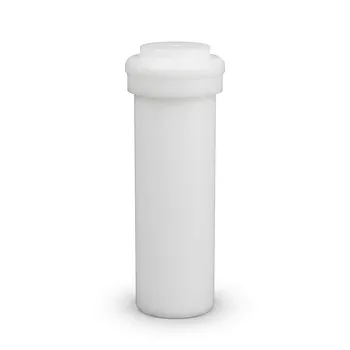
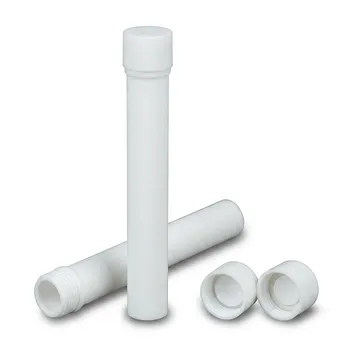
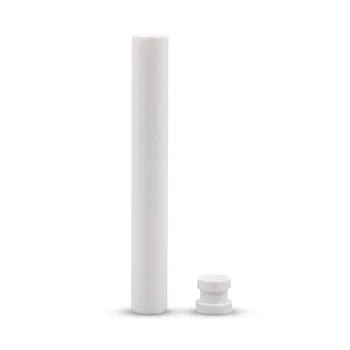
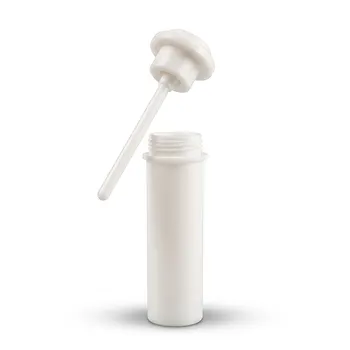
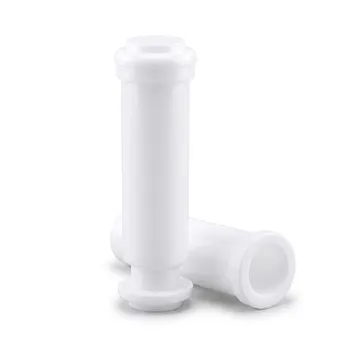
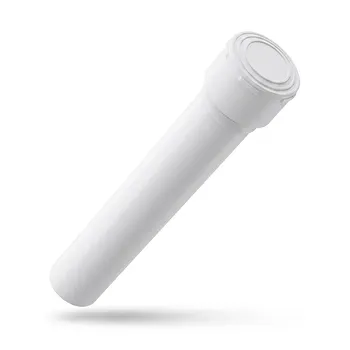
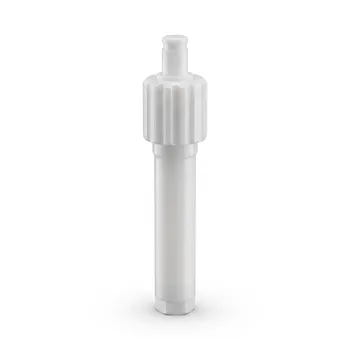
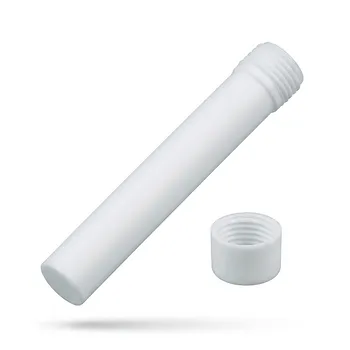
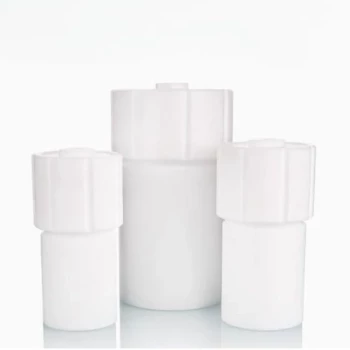
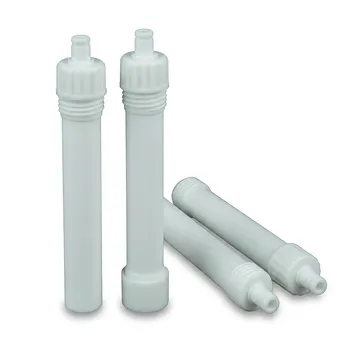
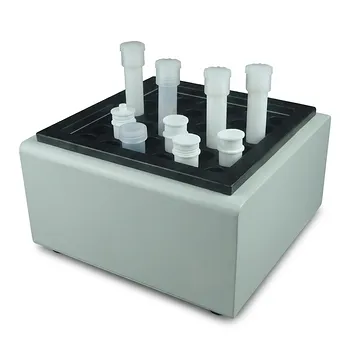
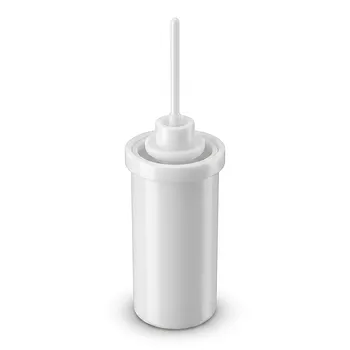
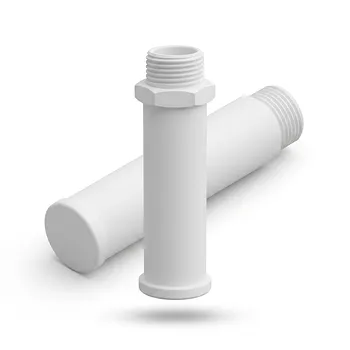
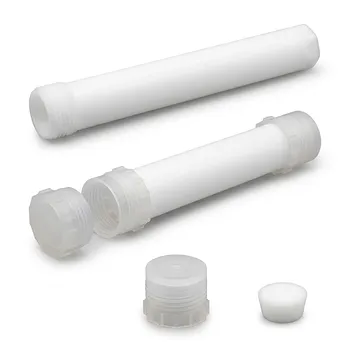
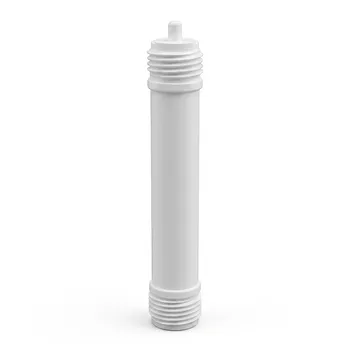
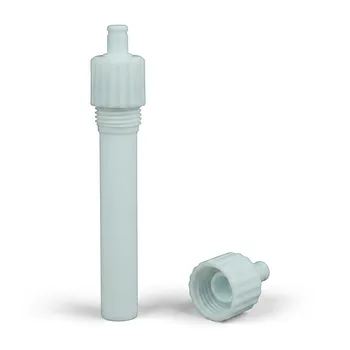
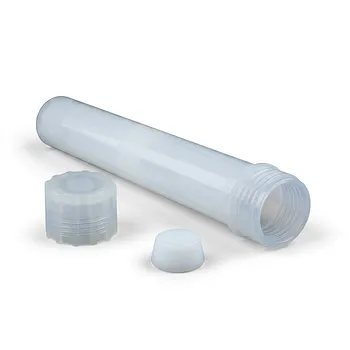
Our microwave digestion vessels are designed to act as controlled chemical reactors. Because they are crafted via high-precision CNC fabrication, they offer:
- Quantitative Retention: The hermetic seal ensures that volatile elements (like Mercury and Selenium) are trapped within the vessel, ensuring 100% recovery for your analysis.
- Thermal Extremes: Our materials are engineered to withstand the 180–300°C range required to eliminate residual carbon content, resulting in the "particle-free" solutions necessary for sensitive downstream instruments.
- Zero Contamination: Using high-purity PFA and PTFE means the vessel itself adds nothing to your sample, which is vital for the parts-per-trillion (ppt) requirements of the semiconductor industry.
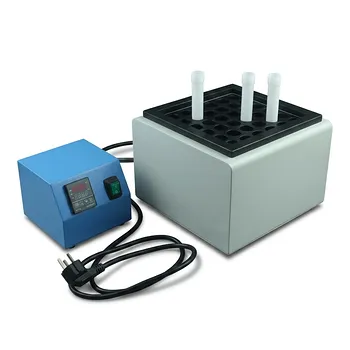
By moving the digestion into a closed, programmable microwave environment, the process shifts from an "art" prone to human error into a repeatable, scientific protocol.
Beyond the Fix: Unlocking Lab Throughput
Solving the digestion problem does more than just "clear up" your samples. It transforms the economic output of your laboratory.
When you eliminate the Atmospheric Ceiling, you unlock new possibilities:
- Accelerated R&D: Shorten sample prep cycles from days to hours, allowing your team to iterate on new battery chemistries or semiconductor materials faster.
- Instrument Protection: Achieving low residual carbon means fewer spectral interferences and less wear-and-tear on your ICP-MS cones and detectors.
- Resource Efficiency: Reduce acid consumption by up to 70%, lowering both procurement costs and hazardous waste disposal volumes.
Whether you are analyzing complex biological tissues or high-purity chemicals for the energy sector, the goal is the same: absolute certainty in your data. The closed-vessel design is the bridge that gets you there.
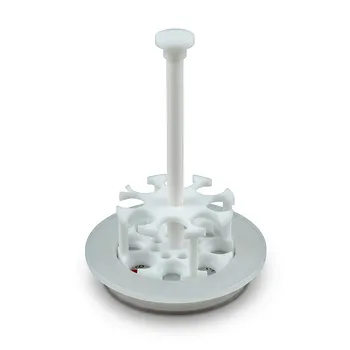
Mastering sample preparation is the first step toward a more efficient and accurate laboratory workflow. At KINTEK, we specialize in helping researchers overcome the physical limitations of traditional labware through custom CNC-fabricated PFA and PTFE solutions. If you are struggling with inconsistent digestion results or need specialized fixtures for high-pressure environments, our engineering team is ready to help you design a solution that fits your specific application. Contact Our Experts to discuss your project requirements today.
Related Products
- High Purity TFM Microwave Digestion Vessels for Trace Analysis and Custom Sample Preparation Systems
- High Purity PTFE Microwave Digestion Vessels for 44 Position Systems Trace Analysis Acid Digestion and Evaporation
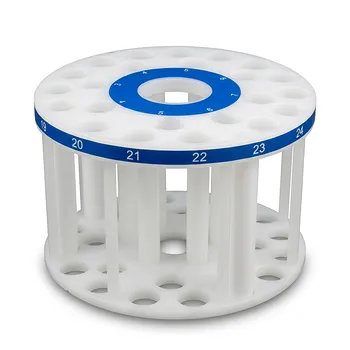
- 15 Position Customizable Microwave Digestion Vessel Rack High Purity PTFE PFA Non Stick Laboratory Sample Preparation System
- Custom TFM Microwave Digestion Vessels for ICP-OES Analysis High Purity Fluoropolymer Sample Preparation Labware
- Custom High Purity TFM Microwave Digestion Vessel 100ml for Analytical Laboratory Sample Preparation