Within 8 hours on working days, 24 hours on holidays
ptfe parts
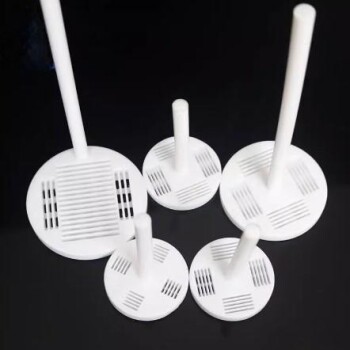
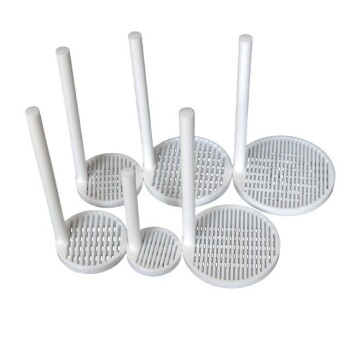
PTFE (Polytetrafluoroethylene) parts from KINTEK are engineered for demanding applications across semiconductor, medical, laboratory, and industrial sectors. Our product line includes:
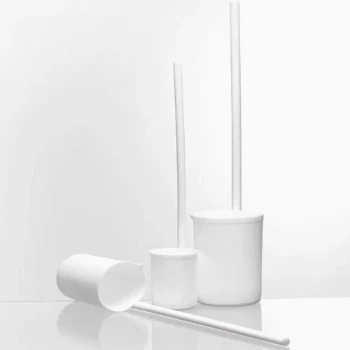
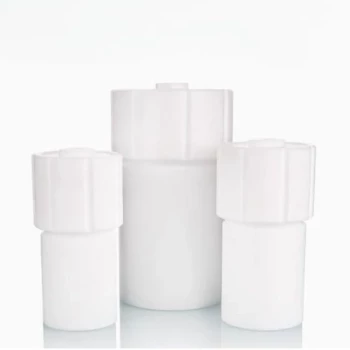
PTFE Containers & Components: High-precision vessels for chemical processing
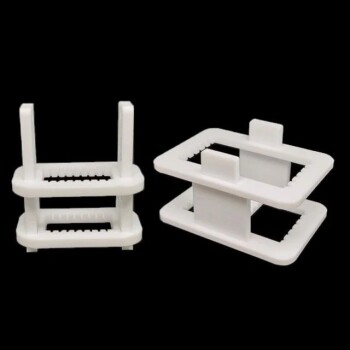
Cleaning Solutions: Specialized flower baskets and racks for semiconductor wafer cleaning
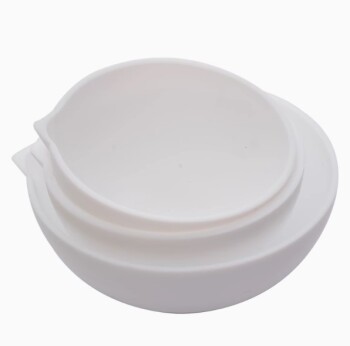
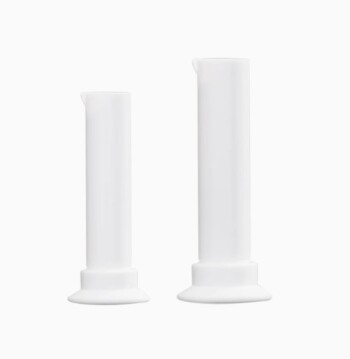
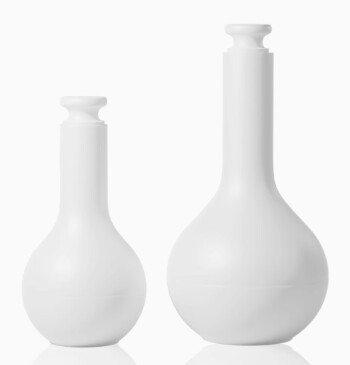
Labware: Measuring cylinders, volumetric flasks, and evaporating dishes
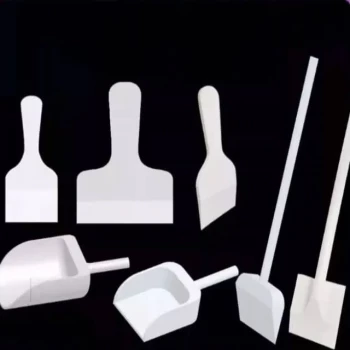
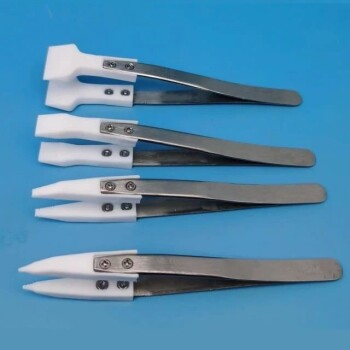
Processing Tools: Scrapers, shovels, and tweezers for material handling
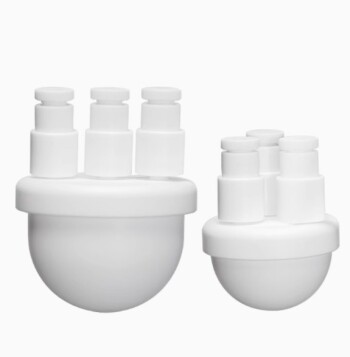
Reaction Vessels: Three-neck flasks and microwave digestion systems
All products feature PTFE's signature chemical resistance and can be customized to your exact specifications.
At KINTEK, we manufacture precision PTFE parts that leverage the material's exceptional properties to solve challenging industrial problems. Our expertise spans from prototype development to full-scale production, ensuring you get components tailored to your exact requirements.
Unmatched Material Properties
PTFE (Teflon®) offers unique characteristics that make it indispensable for demanding environments:
Chemical Resistance: Withstands virtually all aggressive chemicals, including strong acids, bases, and solvents
Temperature Stability: Performs consistently from -180°C to +250°C without degradation
Non-Stick Surface: Prevents material buildup and ensures easy cleaning
Electrical Insulation: Excellent dielectric properties for electronic applications
Biocompatibility: FDA-approved for medical and food contact applications
Precision Engineering Capabilities
Our manufacturing process combines advanced CNC machining with extensive material knowledge to create components that meet strict tolerances:
Custom Geometries: From simple seals to complex multi-port vessels
Surface Finishes: Varied textures for specific applications
Material Modifications: Filled or reinforced PTFE for enhanced properties
Quality Assurance: Rigorous testing for dimensional accuracy and performance
Industry-Specific Solutions
Semiconductor Manufacturing
Our PTFE cleaning racks and flower baskets provide contamination-free processing for wafer cleaning, with:
Ultra-high purity materials
Custom configurations for different wafer sizes
Chemical resistance for aggressive cleaning agents
Laboratory Applications
From sample preparation to analysis, our PTFE labware includes:
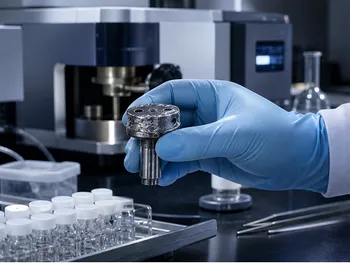
Microwave digestion vessels for trace metal analysis
Non-stick evaporating dishes for sample concentration
Precision volumetric equipment
Industrial Processing
We supply durable components for chemical processing:
Tank linings and pipe components
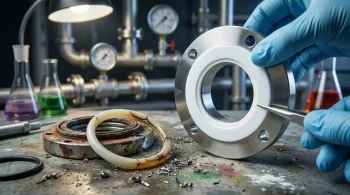
Custom seals and gaskets
Material handling tools
Why Choose KINTEK PTFE Parts?
Technical Expertise: Decades of experience in PTFE fabrication
Custom Solutions: Tailored designs for unique applications
Rapid Prototyping: Accelerate your product development
Scalable Production: From single prototypes to high-volume orders
Get Started With Your Custom PTFE Solution
Ready to enhance your operations with precision PTFE components? Contact our engineering team today to discuss your project requirements. We'll work with you to develop the ideal solution, whether you need:
Standard PTFE parts from our catalog
Modified PTFE formulations
Completely custom designed components
Our team is standing by to provide technical consultation, material recommendations, and prototyping services. Submit your specifications now for a prompt quote and expert guidance on your PTFE application needs.
FAQ
What Are The Main Applications Of PTFE Parts?
PTFE parts are widely used in various industries including medical (surgical instruments, prosthetic devices), electrical (wiring, electrical components), and food and beverage (equipment in direct contact with food). Their biocompatibility, insulating properties, and non-toxic nature make them versatile across these fields.
What Are The Key Features Of PTFE?
PTFE has several notable features: a high melting point of around 347 °C, high resistance to water, a very low coefficient of friction, and flexibility even at low temperatures. It also offers outstanding chemical resistance, is soft and formable, has good weathering resistance, and performs well at elevated temperatures.
How Do PTFE O-ring Seals Work?
PTFE O-ring seals have a circular cross-section and are typically made of elastic rubber material. They achieve sealing through elastic properties and preload. When placed between connected parts, the O-ring fills the sealing gap and forms a sealing interface due to its elasticity. External stress causes the O-ring to maintain sealing interface stability, preventing liquid or gas leakage.
What Are The Advantages Of Using PTFE Parts?
PTFE parts are easy to machine, affordable, and long-lasting. They have a low coefficient of friction and wear resistance, making them ideal for mechanisms that rotate or slide. Additionally, PTFE has non-stick properties, is moisture and chemical resistant, has a high strength-to-weight ratio, is easily machinable with excellent dielectric properties, and has a relatively high melting point. They are also FDA approved for food-related applications.
Why Is PTFE Suitable For CNC Machining?
PTFE's machinability allows for precise CNC customization to meet specific industrial requirements. This enables the creation of specialized components like chemical-resistant tank linings, food-grade cutting boards, and precision seals that optimize performance for unique operational challenges while maintaining all of PTFE's beneficial properties.
What Types Of PTFE Parts Are Commonly Manufactured?
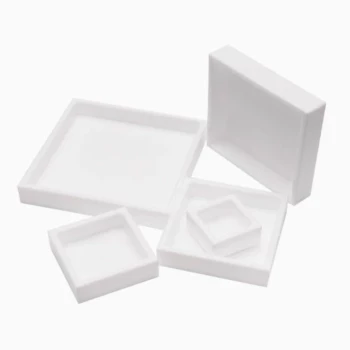
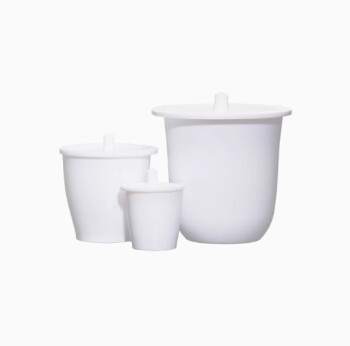
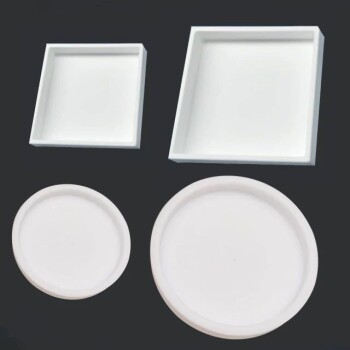
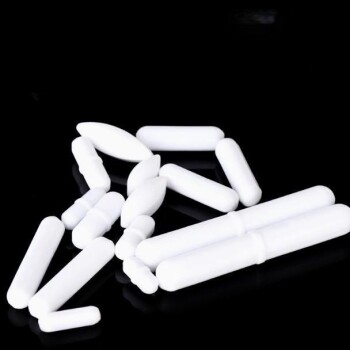
Commonly manufactured PTFE parts include containers, flower baskets, tweezers, magnetic stirring bars, measuring cylinders, scrapers, shovels, square trays, bottles, microwave digestion vessels, crucibles, three-neck flasks, volumetric flasks, cleaning racks, evaporating dishes, and sampling spoons. These parts are used in labs, semiconductor industries, and medical applications.
This website uses cookies to enhance your browsing experience,
analyze site traffic, and serve better user experiences. By continuing to use this site, you consent to our use of
cookies. Learn more in our cookie policy.