High-Purity PTFE and PFA Tubes for Reliable Sample Preparation
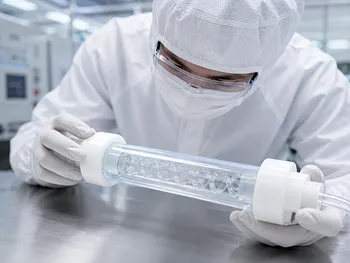
Centrifuge tubes and digestion tubes are often treated as routine consumables, yet the vessel can directly influence the validity of a result. In trace analysis, aggressive acid processing, elemental testing, and sensitive biological workflows, the container must do more than hold a sample. It must resist the reagent, preserve the sample composition, limit outside contamination, support a dependable seal, and perform consistently through repeated handling. KINTEK manufactures PTFE and PFA centrifuge tubes, digestion tubes, reaction vessels, and associated accessories for these high-consequence laboratory conditions.
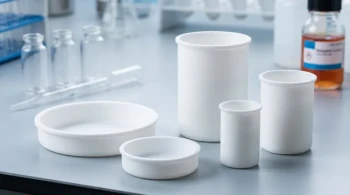
PTFE and PFA are high-performance fluoropolymers selected for their exceptional chemical inertness, broad thermal capability, low extractable background, and non-wetting surface behavior. These properties make fluoropolymer vessels particularly valuable when glass, common plastics, or metal-containing components may create compatibility issues or introduce unwanted variables. Our tube and vessel designs support workflows involving strong acids, corrosive media, high-purity reagents, heated digestion, centrifugation, evaporation, storage, sampling, and transfer.
Lower Background for Trace and Ultra-Trace Analysis
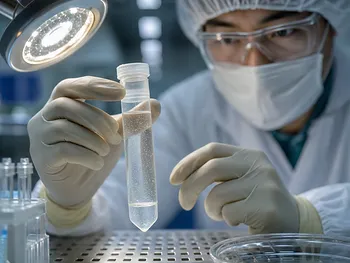
When laboratories measure trace metals or other low-level analytes, every material that touches the sample becomes part of the analytical system. A vessel that releases impurities, degrades under acid exposure, or retains residual liquid can compromise blanks, increase variability, and make it harder to distinguish a true sample signal from background contamination. High-purity PTFE and PFA provide an effective material platform for controlling these risks.
KINTEK fluoropolymer digestion and centrifuge tubes are designed for applications such as ICP-OES and ICP-MS sample preparation, environmental-water testing, soil and mineral digestion, food and agricultural analysis, petrochemical testing, semiconductor-related chemical handling, and research involving high-purity reagents. Their resistance to many corrosive acids and bases helps users manage challenging digestion chemistries while keeping the vessel material stable. The low-background fluoropolymer construction is especially relevant where metallic contamination from conventional materials is unacceptable.
Material purity alone is not the entire solution. Geometry, closure design, surface finish, cleaning practices, reagent quality, and the operating procedure all affect analytical performance. KINTEK supports custom tube dimensions, capacities, wall thicknesses, bottom shapes, closures, and accessories so laboratories can specify equipment around their established methods rather than forcing a critical method into a generic container format.
Chemical Resistance for Acid Digestion and Corrosive Processing
Digestion tubes must withstand the chemical and thermal demands of sample decomposition without becoming a weak point in the workflow. PTFE and PFA are widely used for handling corrosive reagents because they offer strong resistance across a broad range of acids, alkalis, and laboratory chemicals. This makes them practical choices for wet digestion, acid evaporation, reflux-assisted processing, reagent preparation, and corrosive sample storage.
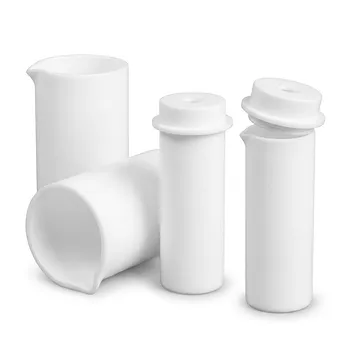
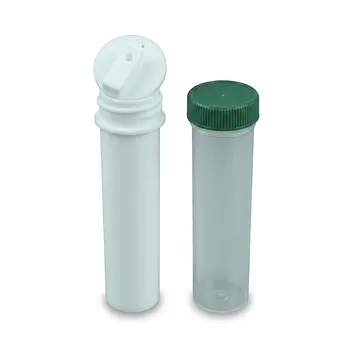
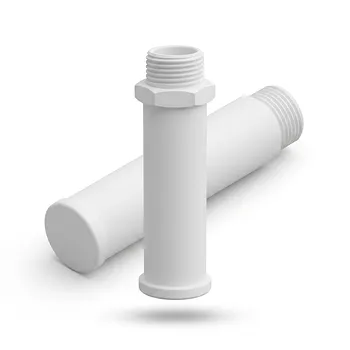
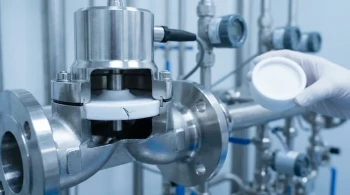
Our PTFE digestion tubes can be configured for graphite digestion systems, including designs with acid reflux caps. In a controlled heating process, the digestion vessel holds the sample and reagent while the heating platform delivers energy to promote dissolution, mineralization, or concentration. A reflux-cap configuration can help return condensate to the vessel during appropriate procedures, reducing avoidable reagent loss and helping preserve the intended reaction conditions. Actual operating limits must always be matched to the specific digestion chemistry, temperature program, pressure condition, and equipment manufacturer requirements.
For microwave-digestion workflows, KINTEK offers high-purity PFA replacement vessels and custom PTFE digestion vessels designed around relevant system interfaces and laboratory requirements. Microwave digestion relies on controlled energy input to heat a sample and reagent mixture efficiently. Vessel selection is critical because pressure, temperature, chemical exposure, fill volume, and sealing requirements must be considered together. We work from the relevant dimensions and operating details to develop compatible fluoropolymer components for appropriate microwave and pressure-driven sample-preparation applications.
Precise Centrifuge Handling With Secure, Customizable Designs
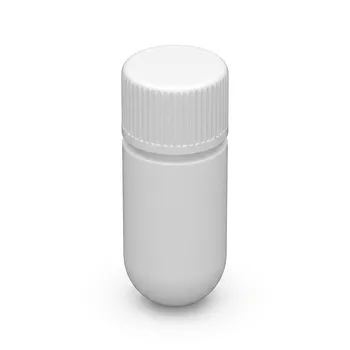
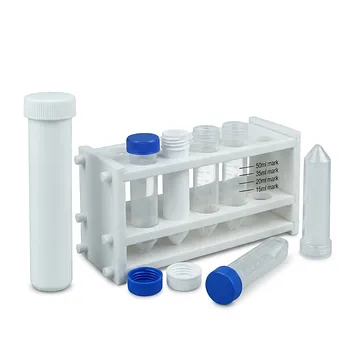
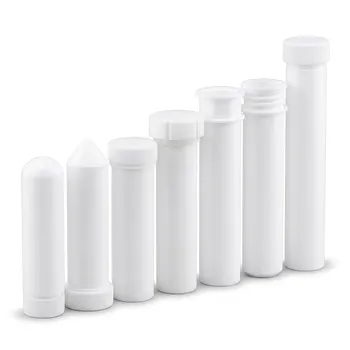
Centrifugation separates phases or concentrates materials by applying centrifugal force. While the principle is straightforward, tube selection affects safe, repeatable operation. Capacity, bottom profile, sealing method, centrifuge compatibility, chemical exposure, balancing requirements, and cleaning needs all matter. KINTEK PTFE centrifuge tubes are available in compact and custom formats, including 1.5 ml U-bottom screw-seal designs and larger 60 ml vessel configurations for specialized laboratory workflows.
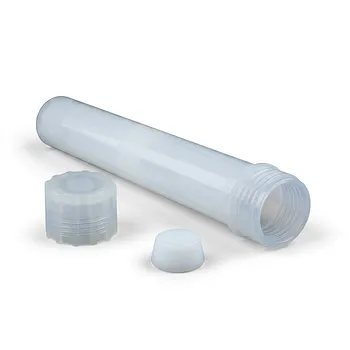
A U-bottom tube can support collection and handling of small liquid volumes, sediments, or precipitates in procedures where a compact bottom geometry is beneficial. A screw-seal closure helps protect samples during storage, transport within the laboratory, mixing, or centrifugation when used within the tube's specified operating conditions. The closure should be selected and operated according to the actual process requirements; sealing performance depends on factors such as thread design, cap condition, torque, temperature, chemical exposure, internal pressure, and correct assembly.
For laboratories that require nonstandard volumes or process-specific configurations, KINTEK can develop custom PTFE centrifuge vessels with tailored diameters, heights, capacities, wall sections, bottom shapes, cap structures, and support solutions. This is valuable when a standard tube does not fit a rotor, fixture, digestion block, reaction setup, or established sample-preparation sequence. Before production, our team can evaluate supplied drawings, samples, key dimensions, equipment interfaces, chemical media, and temperature requirements to align the vessel with the intended use.
PFA Performance for Acid Solutions and Quantitative Handling
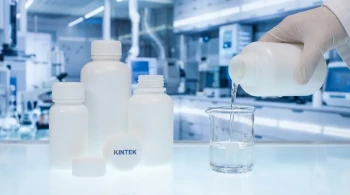
PFA is often preferred where users need high purity, strong chemical resistance, and a smooth fluoropolymer surface in vessels used for corrosive liquid handling. PFA centrifuge and graduated tube formats can be particularly useful for acid digestion solutions, standards, dilutions, and transfers. The fluoropolymer surface has hydrophobic, non-wetting characteristics that can help reduce liquid adhesion to the wall compared with more wettable materials. In practical work, this may help users pour and transfer samples more cleanly, although complete recovery always depends on the liquid properties, vessel geometry, technique, and validated laboratory procedure.
Reducing residual droplets on vessel walls is important in analytical workflows because a small retained amount can affect transfer efficiency, dilution accuracy, or volume adjustment. For multi-element analysis and statistical testing, consistent preparation is fundamental. A vessel material that remains chemically stable and easy to clean gives analysts a more controlled starting point for their methods.
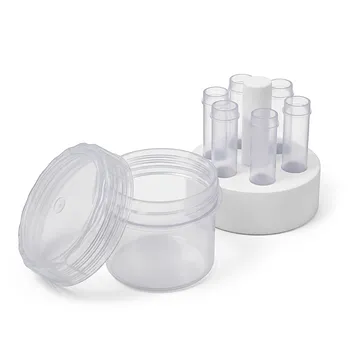
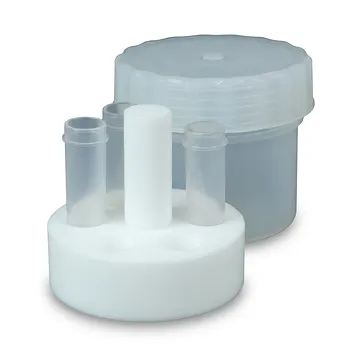
High-purity PFA reaction vessels with PTFE holders and integrated sampling-tube options extend this capability beyond standalone tubes. These systems can support controlled reactions, high-purity fluid sampling, and transfer arrangements in corrosive environments. PTFE holders provide chemical-resistant mechanical support, while an integrated sampling path can simplify the collection or transfer stage for a suitably designed process. Dimensions, ports, connections, sampling-tube placement, holder style, and vessel capacity can be customized to match laboratory equipment and operational needs.
Support for Sensitive Molecular-Biology Workflows
Fluoropolymer tube selection can also be relevant in biological research involving sensitive DNA or RNA samples. High-purity PTFE and PFA surfaces are associated with low chemical reactivity and can help minimize the risk of extraneous substances interfering with delicate enzymatic workflows. In applications such as eccDNA extraction, library construction, PCR-related preparation, DNA ligation, or other nucleic-acid processing, laboratories seek containers that are clean, chemically stable, and appropriate for their validated protocol.
The low-adsorption behavior commonly associated with fluoropolymer surfaces can be useful when handling biological macromolecules, particularly where preserving available sample material is important. However, performance in molecular workflows depends on the full protocol, including surface treatment requirements, reagent compatibility, sample concentration, sterile handling, cleaning or preconditioning, and assay validation. KINTEK can provide material and design options for teams developing specialized sample-handling hardware, but customers should validate the final component within their own biological method.
Integrated Equipment for Digestion, Evaporation, and Organization
A dependable tube is more effective when it is part of a well-matched preparation system. In addition to digestion and centrifuge vessels, this category includes corrosion-resistant PTFE tube racks, graphite digestion hot plates, and graphite acid evaporators. These components help laboratories organize samples and control processing stages in harsh chemical environments.
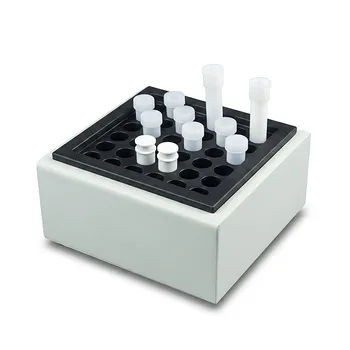
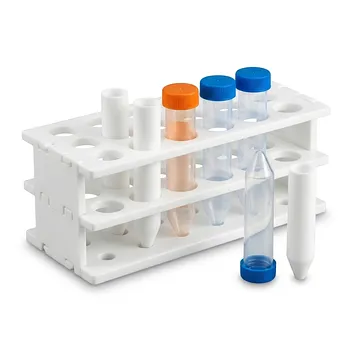
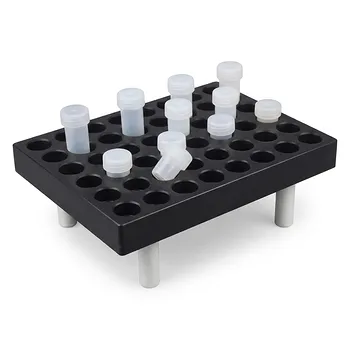
PTFE sample injection tube racks and custom centrifuge tube racks provide a stable, chemically resistant way to hold compatible vessels. For trace analysis, rack material matters because accessories can also become contamination sources. Fluoropolymer racks offer a low-background alternative for laboratories seeking to reduce metal exposure around high-purity samples. Hole quantity, diameter, spacing, overall dimensions, and compatibility with reaction vessels or injection tubes can be customized for the laboratory's process layout.
Graphite digestion hot plates provide controlled heating for multi-sample processing. Graphite is valued in these systems for thermal conductivity and corrosion-resistant utility when appropriately designed for the application. KINTEK hot plates can be specified with customizable hole diameters and depths so digestion tubes sit correctly for efficient heat transfer and secure positioning. PID digital temperature control supports consistent setpoint management, while a suitable block design promotes more even heating across the working area. The correct temperature program and loading pattern should always be established through method validation.
Graphite acid evaporators are used where a procedure requires controlled acid removal or sample concentration. A split-design evaporator can improve access for setup, removal, maintenance, or cleaning, while a customized aperture accommodates the selected vessel geometry. When paired with compatible PTFE digestion tubes and appropriate ventilation, acid evaporation equipment can help laboratories build a more orderly, repeatable preparation process for trace analysis and corrosive sample handling.
Custom CNC Manufacturing for Nonstandard Requirements
Laboratory workflows rarely remain perfectly standard. A tube may need to fit an existing graphite block. A microwave vessel may require a particular interface. A reaction vessel may need a sampling tube, custom holder, or connection. A rack may need to accommodate an unusual number of tubes. A research team may need a one-off apparatus before scaling to a larger purchase. KINTEK's PTFE and PFA CNC machining capability is designed for precisely these requirements.
We manufacture both standard fluoropolymer labware and custom components, from individual machined parts to coordinated laboratory setups and volume production. Customization can include:
- Tube and vessel capacity, internal diameter, external diameter, height, and wall thickness.
- U-bottom, round-bottom, conical, flat-bottom, or application-specific internal geometry.
- Threaded closures, screw caps, reflux caps, seals, and customized opening configurations.
- PFA or PTFE material selection based on chemical, thermal, purity, and transparency requirements.
- Digestion-block compatibility, including custom hole diameter, depth, pitch, and fixture dimensions.
- Integrated sampling tubes, ports, fittings, holders, and fluid-transfer features.
- PTFE racks with custom tube count, spacing, labelling provisions, and equipment-fit dimensions.
- Prototype development, drawing-based production, and repeat orders for established designs.
To obtain the right result, provide as much operating information as possible: the chemical media, expected temperature range, sample volume, pressure considerations, centrifuge or digestion-system model, required external dimensions, closure preference, purity expectations, and intended quantity. For replacement parts, photographs, measured dimensions, or a physical reference sample can help define a compatible design. Our team will review the practical constraints and recommend a fluoropolymer solution suitable for your application.
Choose a Tube System That Fits the Entire Method
The best centrifuge or digestion tube is not simply the one with the right volume. It should fit the chemistry, the instrument, the sample-preparation sequence, the contamination-control target, and the operator's daily workflow. KINTEK combines fluoropolymer material expertise with manufacturing flexibility to help laboratories specify tubes and vessels that perform as part of a complete process.
Whether you need high-purity PTFE digestion tubes for graphite-block acid digestion, PFA replacement vessels for microwave systems, screw-seal centrifuge tubes for corrosive samples, low-background tube racks, or a completely custom reaction and sampling assembly, KINTEK can support the project from concept through production. Contact our team to discuss your drawings, equipment dimensions, chemical conditions, custom-machining requirements, or bulk-order needs. We will help you develop a PTFE or PFA centrifuge and digestion solution built for reliable laboratory use.