The Invisible Point of Failure in Modern Engineering
Imagine a prototype electric vehicle (EV) undergoing its final stress test. On paper, the cooling system is perfect. Yet, under sustained high-voltage load, the thermal management system begins to degrade. Subtle leaks appear, or worse, a dielectric breakdown occurs between the cooling loop and the high-voltage battery pack.
Engineers often spend months chasing "design flaws" in the pump or the battery architecture, only to realize the culprit is much humbler: the tubing. In the race to build faster, more efficient, and longer-range vehicles, the materials we once considered "commodities" have become the most common points of failure.
The "Commodity Trap" and the Cost of Compromise
In traditional automotive engineering, fluid transfer components like brake lines and fuel hoses were often treated as secondary concerns. For decades, standard rubber or lower-grade polymers were "good enough."
However, as the industry shifts toward high-efficiency internal combustion engines and high-voltage EV architectures, these traditional materials are hitting a wall. Many teams attempt to fix leaks or performance drops by adding more insulation, using heavier clamps, or increasing the thickness of standard hoses.
These "band-aid" solutions often lead to:
- Excessive Weight: Bulky, multi-layered hoses reduce vehicle range and increase assembly complexity.
- Premature Degradation: Road salts and petroleum-based fluids eat away at standard polymers, leading to costly recalls and safety liabilities.
- Thermal Bottlenecks: Standard materials soften or become brittle when exposed to the 200°C+ environments of modern engine compartments or concentrated battery heat.
The Root of the Problem: Why "Generic" Plastics Fail
The fundamental issue isn't a lack of engineering talent; it’s a mismatch between material science and environmental stress. Modern automotive systems present a "Triple Threat" that standard materials simply cannot survive:
- Thermal Extremes: Modern battery packs and compact engines generate localized heat that exceeds the melting point of common plastics.
- Chemical Aggression: Today’s fuels, lubricants, and aggressive road de-icers create a corrosive cocktail that causes standard rubber to swell and crack.
- Dielectric Breakdown: In EVs, the cooling loop sits precariously close to high-voltage components. If the tubing material cannot provide absolute electrical isolation, the risk of a catastrophic short circuit increases exponentially.
Standard tubing fails because it is designed for a single variable. It might be flexible, but it isn't chemically inert. It might be cheap, but it isn't a high-performance insulator.
The Solution: Precision-Engineered PTFE as a Strategic Asset
To solve these interconnected problems, the industry is moving away from generic hoses and toward High-Precision Polytetrafluoroethylene (PTFE). At KINTEK, we don’t view PTFE as just "plastic tubing"—we treat it as a critical engineering component.
PTFE addresses the root causes of system failure through its unique molecular structure:
- Thermal Resilience: With a working temperature range up to 260 °C, PTFE remains stable where other materials melt or off-gas.
- Absolute Chemical Inertness: It is virtually immune to petroleum, road salts, and synthetic lubricants, ensuring a service life that often outlasts the vehicle itself.
- Superior Dielectric Strength: For EV manufacturers, PTFE provides the critical electrical isolation needed between battery cooling loops and high-voltage electronics, preventing interference and shorts.
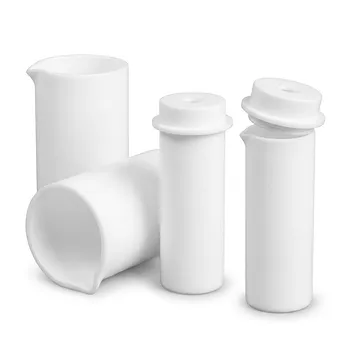
By utilizing KINTEK’s custom CNC-fabricated PTFE and PFA components, engineers can move beyond "good enough" prototypes to industrial-grade solutions that are lighter, safer, and infinitely more durable.
Beyond the Fix: Unlocking New Engineering Frontiers
When you stop worrying about whether your fluid lines will survive the next test cycle, you gain the freedom to innovate. Solving the "tubing problem" with high-precision PTFE opens up possibilities that were previously out of reach:
- Higher Power Density: Design more compact battery packs with confidence, knowing your cooling lines can handle the increased thermal and electrical load.
- Enhanced Fuel Efficiency: Use low-friction PTFE linings in fuel and transmission systems to reduce internal drag and mechanical wear.
- Zero-Maintenance Reliability: Eliminate the most common leak points in brake and cooling systems, significantly reducing the total cost of ownership for the end-user.
The transition to next-generation mobility requires more than just better software and bigger batteries; it requires a foundation of materials that can handle the pressure.
Whether you are scaling a semiconductor process, optimizing a new energy battery pack, or designing a high-purity chemical fluid path, the right material choice is the difference between a successful launch and a costly setback. Our team at KINTEK specializes in turning these complex material challenges into streamlined, high-precision solutions. To discuss how our custom PTFE and PFA fabrication can secure your next project, Contact Our Experts.
Related Products
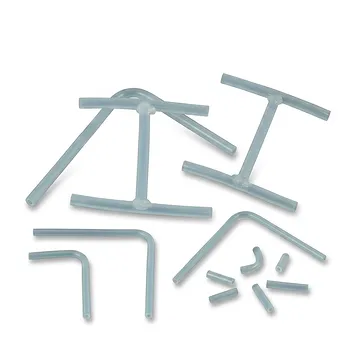
- High Performance PFA Coiled Spring Tubing and Custom PTFE Fabrication Services with Welded Fittings and Precision Bent Components
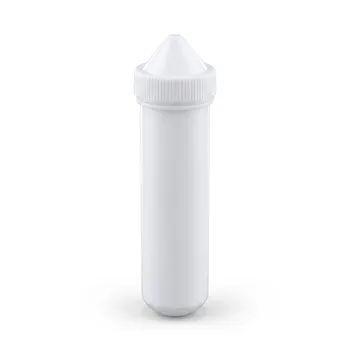
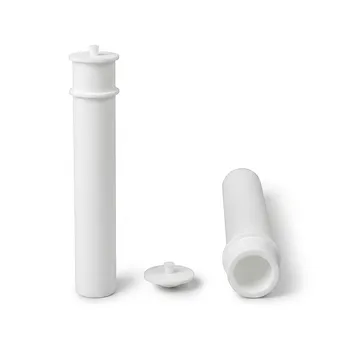
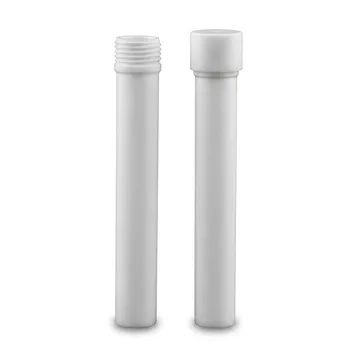
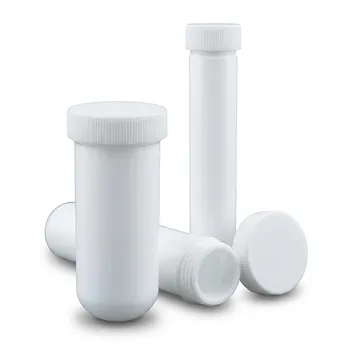
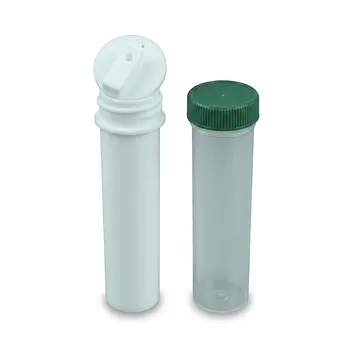
- Custom High Purity PTFE Digestion Tubes and Centrifuge Tubes for Trace Metal Analysis
- High Purity PTFE Digestion Tubes and Custom Centrifuge Tubes 100ml for Trace Analysis and Chemical Digestion
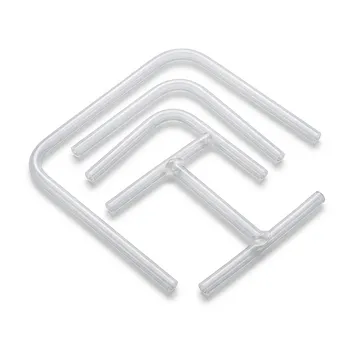
- High Purity PFA Coiled Tubing Custom PTFE Machining PFA Welding and Precision Bending Solutions
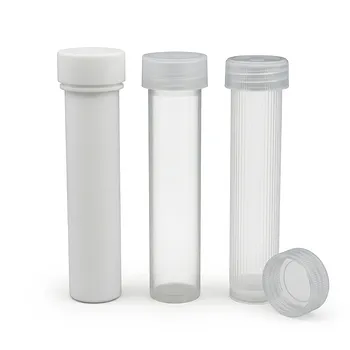
- High Purity PTFE Centrifuge Tubes for Trace Analysis Custom Laboratory Centrifugation Containers with Racks
Related Articles
- The Hidden Risks of Medical Fluid Transfer: Why Standard Tubing Fails and How to Solve the Purity Puzzle
- Why Invisible Contamination Still Ruins Your High-Purity Process—and How PTFE Stops It
- The Physics of Failure: Where Metal Fails, PTFE Prevails
- When 'Tougher' Isn't Enough: The Hidden Reason Your Industrial Components Are Failing
- Why Critical Aerospace Systems Fail in Extreme Conditions—and the Material Strategy That Prevents It