The High Stakes of "Stubborn" Samples
In geological and mining laboratories, the stakes for accuracy couldn't be higher. Whether you are quantifying rare earth elements (REEs) in a new deposit or performing trace analysis on precious metal ores, the process begins with a hurdle: breaking down the sample.
You’ve likely experienced the frustration: a refractory mineral that refuses to dissolve, "ghost peaks" in your ICP-MS results that shouldn't be there, or recovery rates for volatile elements like mercury and arsenic that simply don't add up. When the laboratory data is inconsistent, it’s not just a scientific headache—it’s a business risk that can lead to undervalued assets, delayed exploration projects, and costly reprocessing.
The Common Struggle: Why "Trying Harder" Doesn't Work
When digestion fails, the instinctive reaction is often to increase the "aggression"—more heat, more pressure, or more concentrated acid cocktails. However, many labs find themselves trapped in a cycle of diminishing returns.
Common "solutions" often include using traditional glass or quartz vessels with higher temperatures. But in the presence of the hydrofluoric acid (HF) required to dissolve silicates, glass doesn't just fail; it becomes part of the problem, leaching contaminants into your sample or, worse, physically degrading. Furthermore, open-beaker methods aimed at speeding up the process often lead to the unintended loss of volatile species, leaving you with a sample that no longer represents the original ore. These failures lead to project delays and a lack of confidence in the final assay.
The Reveal: The Hidden Physics of Sample Contamination
Why do these standard approaches fall short? The answer lies in the fundamental chemistry of the decomposition process.
To break down the lattice of silicates, oxides, and refractory minerals, you need two things: high thermal energy and aggressive chemical reagents, specifically hydrofluoric acid (HF).
- The Material Conflict: Glass and quartz are primarily silicon dioxide. HF is designed to dissolve silicon dioxide. Using them together is a recipe for vessel failure and sample contamination.
- The Contamination Trap: At the high temperatures required for mineral digestion, most standard polymers and materials begin to "leach." Even trace amounts of metals embedded in the container walls can migrate into your sample, skewing your trace analysis results for elements like Lead, Zinc, or Rare Earths.
- The Volatility Gap: Without a closed-vessel system that can withstand internal pressure and heat, critical volatile elements escape into the atmosphere. You aren't measuring what was in the rock; you're measuring what was left behind.
The Solution: Engineering the Inert Environment
To solve the root cause of inconsistent geological assays, you need a material that is chemically "invisible" to the digestion process. This is where high-precision PTFE (Polytetrafluoroethylene) and PFA (Perfluoroalkoxy) become indispensable.
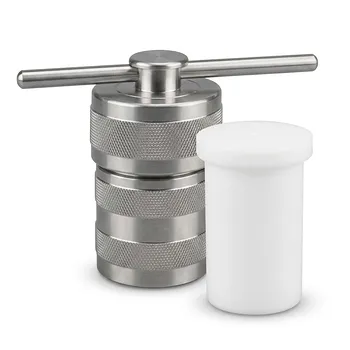
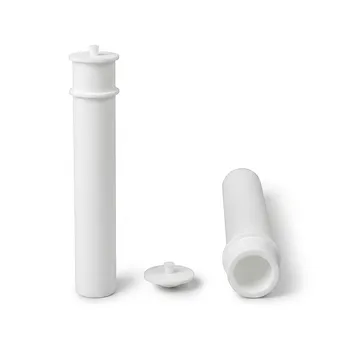
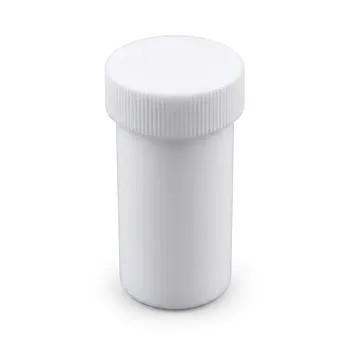
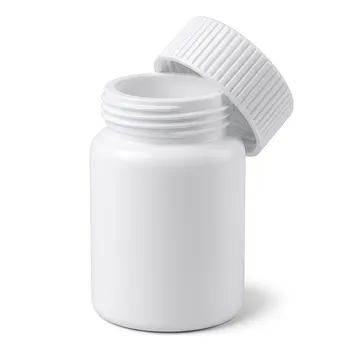
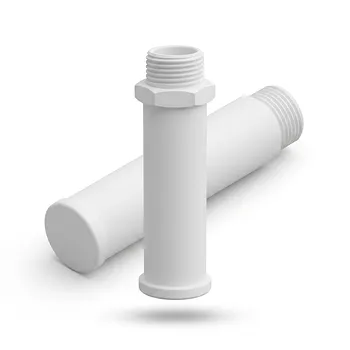
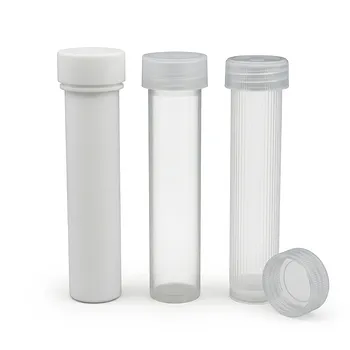
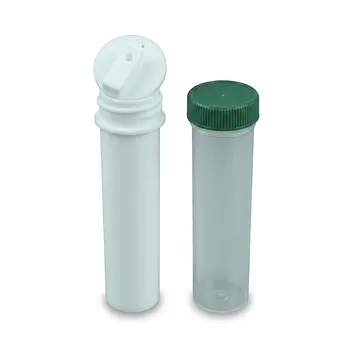
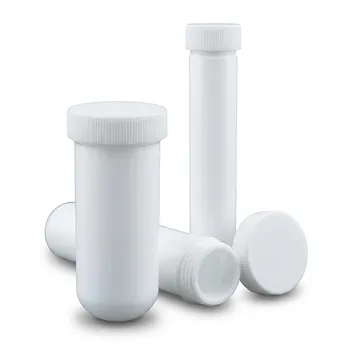
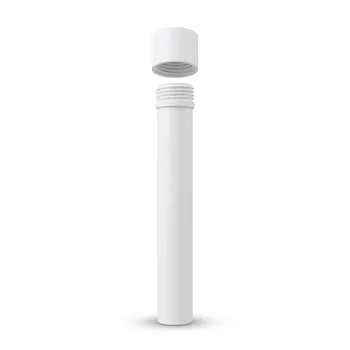
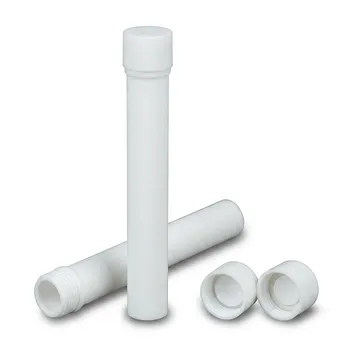
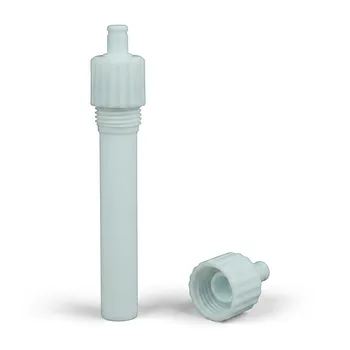
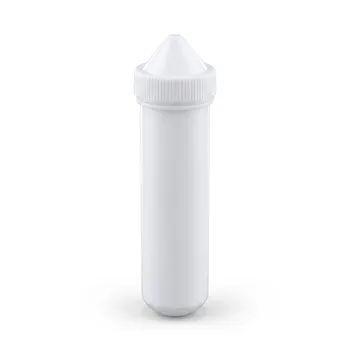
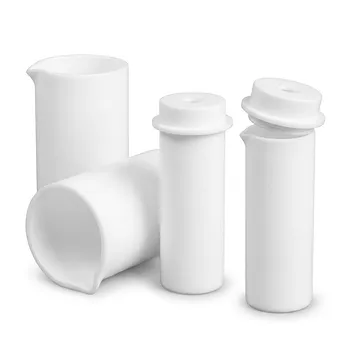
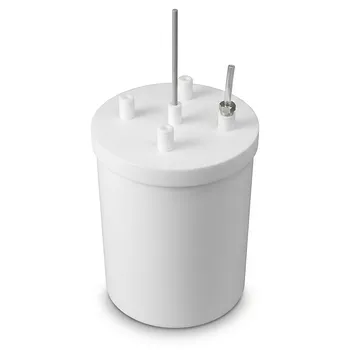
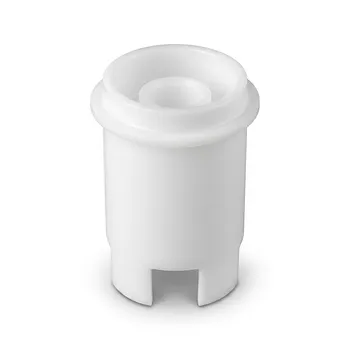
At KINTEK, we don’t just provide containers; we engineer the environment where your science happens. Our PTFE digestion vessels and hydrothermal synthesis liners are designed specifically to overcome the physical limitations of traditional labware:
- Absolute HF Compatibility: Unlike glass, PTFE is powered by the strongest bond in organic chemistry—the carbon-fluorine bond. It remains completely inert to HF, ensuring your vessel stays intact and your sample remains pure.
- Thermal Stability up to 260°C: Our vessels allow for continuous high-temperature digestion, providing the thermal energy needed to decompose even the most stubborn catalysts and ceramics without the material softening or failing.
- Contamination-Free Trace Analysis: Because of its high purity and non-leaching properties, KINTEK’s PTFE labware ensures that when you see a peak on your spectrometer, you know it came from your sample, not your vessel.
- Microwave Transparency: For labs looking to increase throughput, our PTFE materials are microwave-transparent, allowing for rapid, volumetric heating that speeds up the digestion of refractory ores.
Beyond the Fix: Unlocking New Analytical Potential
When you solve the problem of sample integrity at the digestion stage, the entire workflow changes. You are no longer limited by the "safe" acids or the temperatures your vessels can handle.
By transitioning to high-precision PTFE and PFA components, mining and geological labs can achieve quantitative recovery of precious metals and rare earth elements with a level of repeatability that was previously impossible. This means faster project lifecycles, more accurate ore body modeling, and the ability to detect trace elements at the parts-per-billion (ppb) level with absolute certainty.
Whether you need specialized prototypes for a new research method or high-volume industrial orders for a global mining operation, KINTEK’s custom CNC fabrication ensures that your labware is a precision tool, not a bottleneck.
At KINTEK, we understand that your data is only as good as the vessel that holds it. Our team specializes in translating complex material requirements into high-performance labware that stands up to the harshest chemical environments in the world. If you are facing challenges with sample recovery, contamination, or vessel durability in your geological or chemical research, we are here to help you engineer a more reliable process. Contact Our Experts today to discuss your specific project requirements and discover how our custom PTFE solutions can elevate your analytical precision.
Related Products
- 5ml High Pressure PTFE Digestion Vessel for Geological Mineral Analysis Corrosion Resistant Polytetrafluoroethylene TFM Digestion Inner Liner
- PTFE Lined High Pressure Digestion Vessel 50ml High Temperature Hydrothermal Synthesis Tank
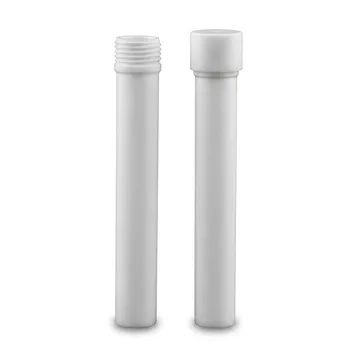
- Custom 100ml PTFE Digestion Tube for Heavy Metal Trace Analysis and High Temperature Acid Digestion
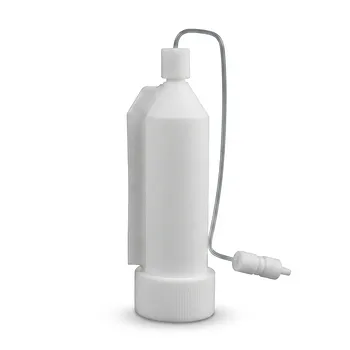
- Corrosion Resistant PTFE Digestion Bottle Solid Liquid Reaction Vessel High Purity Trace Analysis Mineral Labware
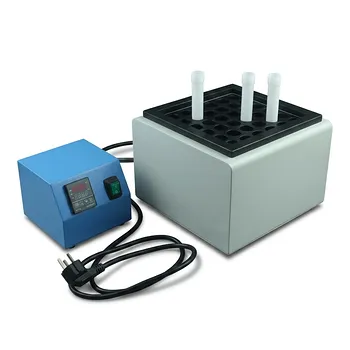
- Custom High Purity PTFE Microwave Digestion Vessels and Graphite Block Compatible Acid Evaporation Tanks for Trace Metal Analysis