The Invisible Failure in the Fluid Path
Imagine a high-stakes pharmaceutical production run or a critical medical procedure. On the surface, everything looks perfect. But beneath the exterior, at the microscopic level where the fluid meets the tube, a silent failure is occurring.
Perhaps a sensitive biological drug is reacting with the inner wall of a plastic tube, losing its potency. Or maybe, after just two cycles in the autoclave, a once-flexible catheter has become brittle and micro-cracked, creating a breeding ground for bacteria. For many engineers and lab managers, these "unexplained" inconsistencies in drug purity or device performance aren't just frustrating—它们 are a regulatory and safety nightmare.
The Struggle with "Good Enough" Materials
When faced with fluid transfer issues, the initial reaction is often to treat the symptoms. If a tube clogs, the flow rate is increased. If a batch shows impurities, the cleaning protocol is doubled.
Commonly, teams attempt to use standard medical-grade polymers like PVC or certain polyethylenes. While these materials are cost-effective for simple applications, they often fail when pushed into high-precision environments. The consequences are tangible:
- Leaching and Contamination: Standard plastics can "off-gas" or leach plasticizers into the fluid, especially when handling organic solvents.
- Surface Friction: High-friction lumens (the inside of the tube) can cause "shear stress" on delicate biologics or make catheter insertion painful and traumatic for patients.
- Sterilization Decay: Many plastics degrade physically after repeated exposure to steam (autoclave), Ethylene Oxide (EtO), or Gamma radiation, leading to system failure mid-operation.
When these "solutions" fail, the business cost is staggering: project delays, expensive material waste, and the looming risk of FDA non-compliance.
The Root Cause: Molecular Reactivity and Surface Energy
To understand why these failures happen, we have to look at the chemistry of the interface. Most plastics have relatively "active" molecular surfaces. They want to interact with the fluids passing through them.
The fundamental problem is two-fold: Chemical Instability and High Surface Energy.
Standard polymers often have weak molecular bonds that break down when exposed to harsh sterilization chemicals or high temperatures. Furthermore, their surface texture—even if it looks smooth to the naked eye—is often "sticky" at a molecular level. This leads to protein binding, bacterial adhesion, and the formation of blood clots (thrombosis) in medical settings.
The common "fixes" fail because they don't change the underlying physics of the material. To achieve true purity and safety, you need a material that is essentially "ghost-like"—one that allows fluid to pass through without ever acknowledging its presence.
The Precision Solution: PTFE Tubing
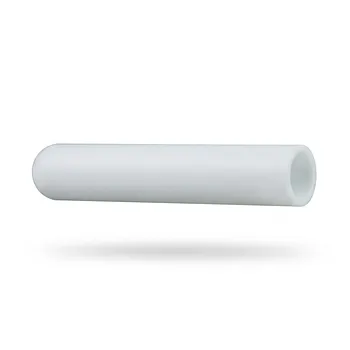
This is where Polytetrafluoroethylene (PTFE) changes the equation. PTFE isn't just another plastic; it is an engineering marvel designed for the most unforgiving environments. At KINTEK, we leverage the unique properties of PTFE to solve the root causes of fluid path failure.
- Absolute Chemical Inertness: PTFE features some of the strongest atomic bonds in nature (Carbon-Fluorine). This means it won't react with blood, drugs, or aggressive solvents. What goes in is exactly what comes out.
- The "Ultra-Smooth" Advantage: PTFE has one of the lowest coefficients of friction of any solid material. This non-thrombogenic surface inhibits bacteria and prevents the buildup of shear-sensitive biologics. In medical devices, this translates to lower insertion force and significantly reduced patient trauma.
- Sterilization Without Compromise: Unlike standard polymers, KINTEK’s PTFE products maintain their mechanical integrity across extreme temperature ranges. Whether it’s repeated autoclaving, Gamma irradiation, or harsh Clean-in-Place (CIP) chemicals, the tubing remains stable and non-porous.
- USP Class VI Compliance: Our PTFE labware and tubing are available in FDA-compliant grades, ensuring they meet the highest global standards for biocompatibility.
Beyond the Fix: Unlocking New Capabilities
When you solve the problem of material interference, you do more than just "fix a leak." You open the door to new possibilities in research and manufacturing.
With a truly inert fluid path, you can perform high-purity trace analysis without worrying about background noise from the labware. You can design thinner, more flexible catheters that navigate complex vascular anatomy with ease. In pharmaceutical production, you can eliminate "flavor or odor carry-over" between batches, allowing for more agile and efficient manufacturing lines.
By choosing precision-engineered PTFE components, you aren't just buying a tube—you are investing in the absolute predictability of your process.
Navigating the complexities of material science in the medical and pharmaceutical sectors requires more than just a catalog; it requires a partner who understands the nuances of your application. Whether you need custom CNC-fabricated PTFE manifolds or high-purity PFA labware, our team is ready to help you engineer a system that is as reliable as it is pure. Let’s discuss how we can eliminate the hidden risks in your next project. Contact Our Experts
Related Products
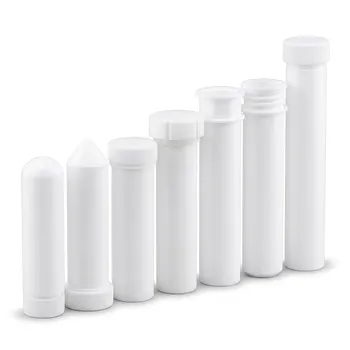
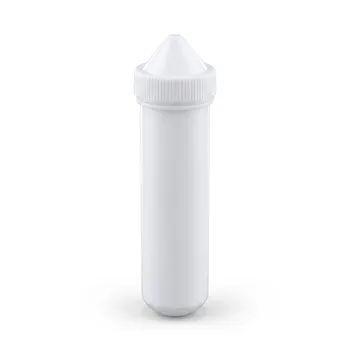
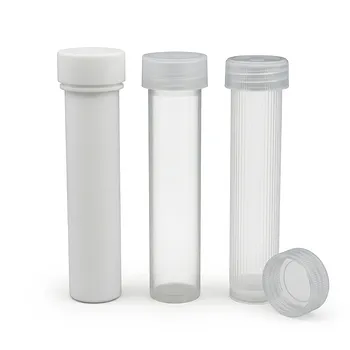
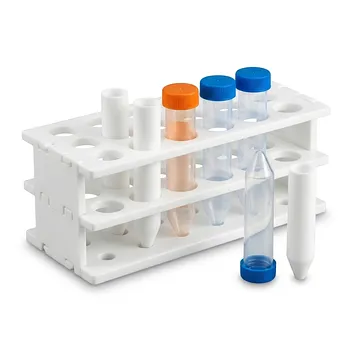
- Custom High Purity PTFE Digestion Tubes and Centrifuge Tubes for Trace Metal Analysis
- High Purity PTFE Digestion Tubes and Custom Centrifuge Tubes 100ml for Trace Analysis and Chemical Digestion
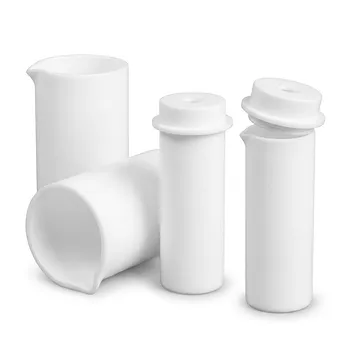
- Custom PTFE Digestion Tube Double Sided Openable High Temperature Corrosion Resistant Low Background
- Corrosion Resistant PTFE Digestion Tubes for Graphite Block Systems with Acid Reflux Caps Custom Dimensions
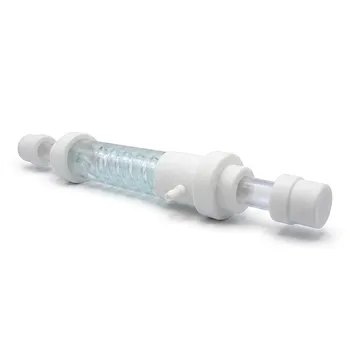
- Custom PTFE Condenser Tube 100ml Serpentine and Straight Fluoropolymer Laboratory Heat Exchanger with Flask Adapters
Related Articles
- Why Invisible Contamination Still Ruins Your High-Purity Process—and How PTFE Stops It
- Why Standard Tubing Fails in High-Performance Systems—And How High-Precision PTFE Secures the Modern Vehicle
- The "Efficiency Drift" Problem: Why Your Heat Exchangers Fail and How PTFE Stops the Cycle
- Beyond the Melting Point: Why Your Condenser Tubes Fail Under Thermal Stress—and How PTFE Solves It
- Why Trace Contamination Still Haunts Your Yields—And the Overlooked Role of Condenser Surface Integrity