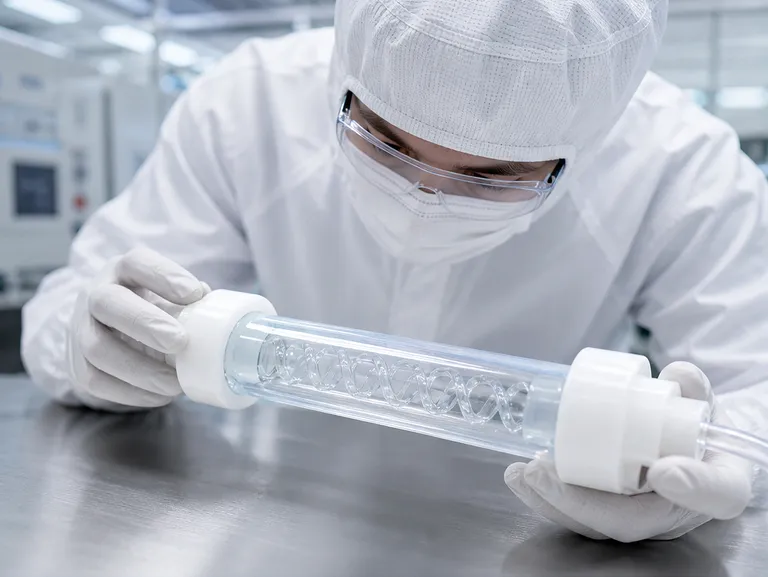
The High Cost of the "Invisible" Defect
Imagine your cleanroom is functioning perfectly, your filtration systems are top-tier, and yet, your silicon wafer yields are inexplicably dropping. You are seeing microscopic defects and ionic traces that shouldn't be there. In the world of semiconductor manufacturing, where "clean" is measured in sub-parts-per-billion (ppb), even a phantom contaminant can lead to millions of dollars in scrapped batches and delayed product launches.
When yields fluctuate, the search for a culprit usually starts with the obvious: the raw chemicals or the cleanroom air. But often, the source of the struggle isn't where the chemicals start; it’s where they are recovered and transported.
The Frustrating Cycle of Temporary Fixes
When trace contamination appears, many engineering teams default to a standard playbook: they increase the frequency of system flushes, replace expensive filters more often, or tighten the cleaning protocols for fluid lines.
While these actions might provide a temporary bump in purity, they rarely solve the underlying issue. These "solutions" treat the symptoms while ignoring the high-stakes environment inside your vapor-recovery condensers. The reality is that if your hardware is leaching ions or trapping particles at the molecular level, no amount of filtering will ever bring your process back to a state of true ultra-high purity. The result? A cycle of rising operational costs and a "good enough" yield that never quite reaches its full potential.
The Root Cause: Material Leaching and the "Dead-Leg" Trap
Why do standard recovery components fail to meet the demands of modern electronics manufacturing? The problem lies in the chemistry and the physics of the surfaces themselves.
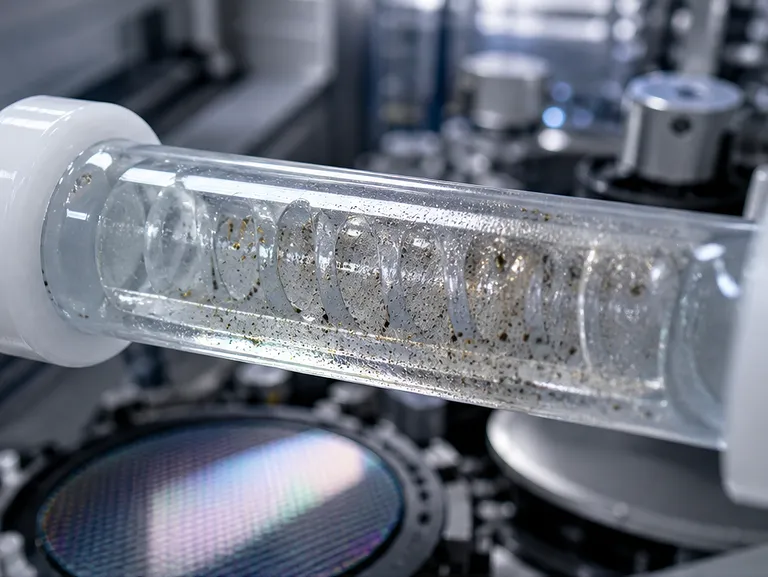
In vapor-recovery condensers, components are constantly exposed to aggressive etchants, stripping solutions, and high-purity deionized water. Traditional materials—even some high-grade plastics—are not truly inert. Under the stress of chemicals like hydrofluoric acid or peroxides, these materials can experience ionic leaching. This is the process where metallic ions are pulled out of the material and into the process stream, contaminating the very chemicals you are trying to recover.
Furthermore, microscopic surface roughness creates what engineers call "dead-legs" and entrapment zones. On a sub-microscopic level, a standard tube surface looks like a mountain range. Particles get stuck in these "valleys," only to break free later and flow into your ultra-pure stream. If your condenser tubes cannot maintain a perfectly smooth, non-reactive interface, they become a permanent source of contamination rather than a tool for purification.
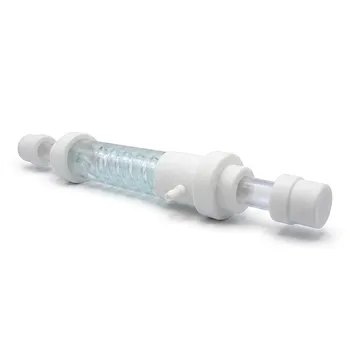
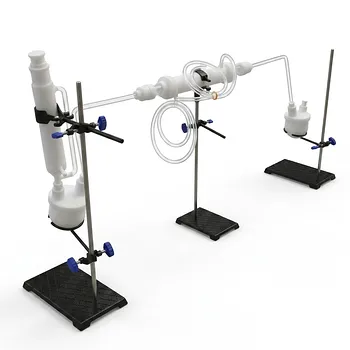
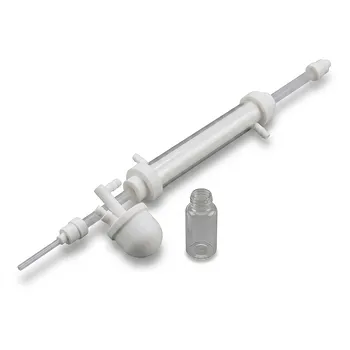
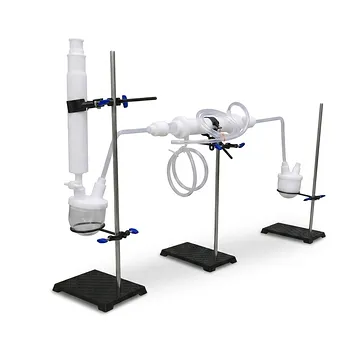
The Solution: Engineering Purity with PTFE Condenser Tubes
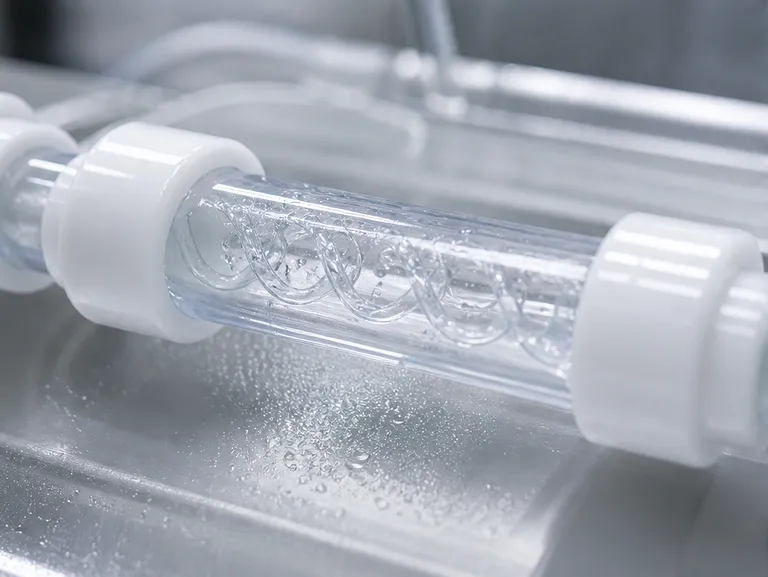
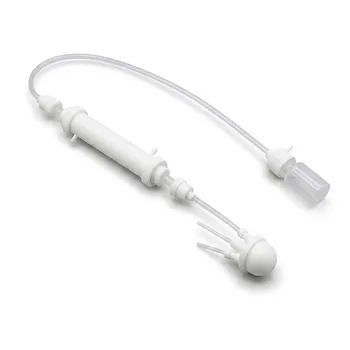
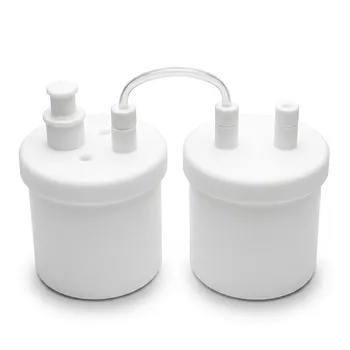
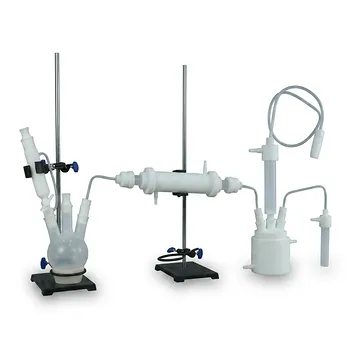
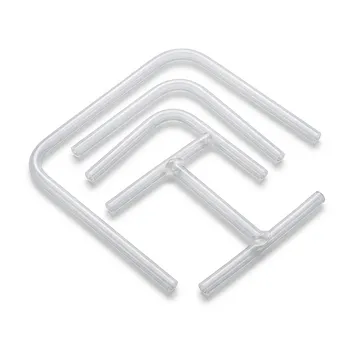
To break this cycle, you need a material and a manufacturing process designed specifically to address these two failure points: chemical reactivity and surface morphology. This is where PTFE (Polytetrafluoroethylene) condenser tubes become an essential asset.
At KINTEK, we don't just see PTFE as a plastic; we see it as a shield for your yields. Our PTFE condenser tubes solve the contamination crisis through two primary mechanisms:
- Total Chemical Inertness: PTFE is famously non-reactive. Even when exposed to the most aggressive acids and plasma environments common in wafer fabrication, it does not leach ions. This ensures that the chemical composition of your etchants remains identical from the moment they enter the condenser to the moment they are reapplied.
- Molecularly Smooth Internal Surfaces: Through high-precision CNC fabrication, we ensure that the internal bores of our tubes are exceptionally smooth. By eliminating the "valleys" where particles hide, we prevent particle entrapment and the formation of dead-legs.
By choosing PTFE components designed for sub-ppb specifications, you aren't just buying a tube; you are installing a guarantee that your recovery system will not sabotage your production.
From Troubleshooting to Scaling: What’s Possible Now?
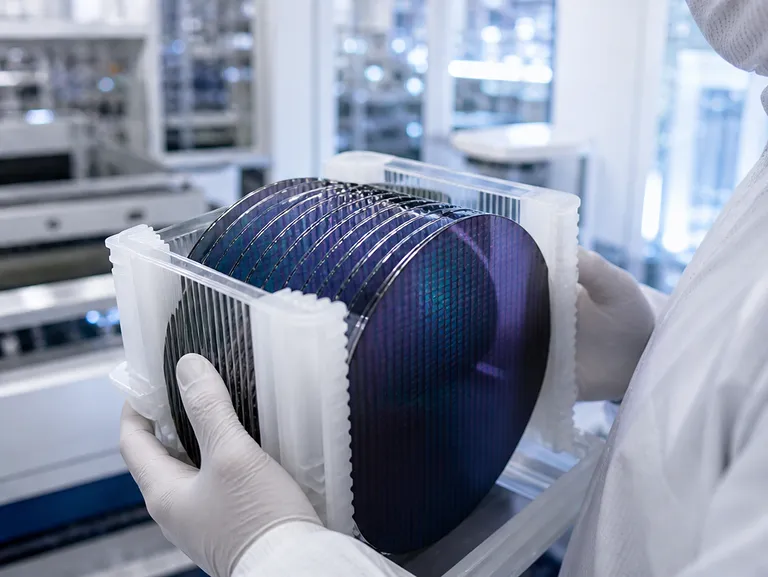
When you eliminate the "background noise" of trace contamination, the focus of your engineering team can shift from firefighting to innovation.
By stabilizing your fluid purity with high-precision PTFE components, you unlock new operational possibilities. You can extend the service life of your process chemicals, reducing waste and cost. You can achieve the consistency required for smaller nodes and more complex chip architectures. Most importantly, you gain the peace of mind that comes with a predictable, high-yield manufacturing process.
Whether you are managing a high-volume industrial line or developing specialized prototypes for the next generation of semiconductors, the integrity of your fluid path is the foundation of your success.
The challenges of sub-ppb purity require more than just standard labware; they require a partner who understands the intersection of material science and precision engineering. At KINTEK, we specialize in translating these complex requirements into high-performance PTFE and PFA solutions tailored to your specific process. To discuss how we can help you eliminate contamination risks and optimize your chemical recovery systems, Contact Our Experts.
Related Products
- Custom PTFE Condenser Tube 100ml Serpentine and Straight Fluoropolymer Laboratory Heat Exchanger with Flask Adapters
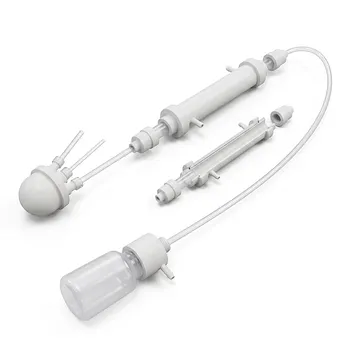
- Custom PTFE Condenser Tube Hydrofluoric Acid Resistant Reflux Device Constant Pressure Separatory Funnel
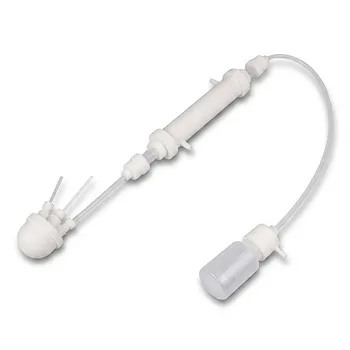
- Custom PTFE Condenser Tube Reflux Reaction Condensation Purification Device Semiconductor Chemical Lab Equipment
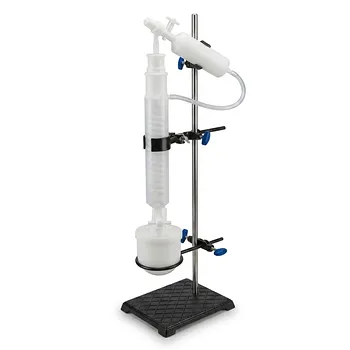
- Custom PTFE Condensation Device Reflux Condenser Tube Fluoropolymer Heat Exchanger Chemical Resistant Laboratory Apparatus
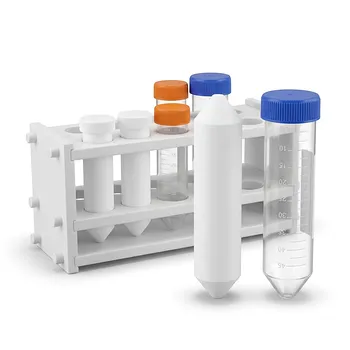
- High Purity PTFE Digestion Tubes and Custom Centrifuge Tubes 100ml for Trace Analysis and Chemical Digestion
Related Articles
- Beyond the Melting Point: Why Your Condenser Tubes Fail Under Thermal Stress—and How PTFE Solves It
- The "Efficiency Drift" Problem: Why Your Heat Exchangers Fail and How PTFE Stops the Cycle
- The Hidden Risks of Medical Fluid Transfer: Why Standard Tubing Fails and How to Solve the Purity Puzzle
- Why Your PTFE Tubing Shouldn't Be "Melted": Understanding the Power of Paste Extrusion
- Why Your High-Purity Fluid Systems Keep Failing: The Hidden Culprit in Your Connectors