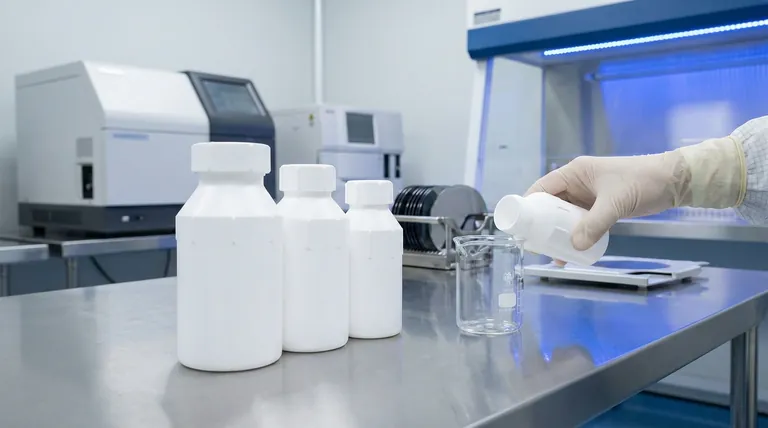
The Psychology of a Simple Choice
Inside a semiconductor cleanroom, a single stray sodium ion can render a multi-million dollar batch of microchips worthless. In a pharmaceutical lab, a trace leachable from a container can invalidate months of research into a life-saving drug.
The container holding the critical fluid—the acid, the solvent, the standard—is rarely the hero of the story. Yet, its failure is always catastrophic.
The choice of a bottle is not a trivial decision about storage. It's a profound decision about risk. It’s an act of foresight, weighing the visible cost of a specialized tool against the invisible, latent risk of catastrophic contamination or chemical attack. This is where we must think less like a procurement manager and more like a systems engineer.
The Physics of Betrayal: Why Standard Containers Fail
Common laboratory containers, like glass and standard plastics (HDPE, Polypropylene), are reliable workhorses for 99% of applications. But in that critical 1%, they have fundamental weaknesses.
- Glass, for all its transparency and rigidity, can leach metallic ions (like sodium, potassium, and boron) into high-purity contents. It is also susceptible to attack by strong bases and hydrofluoric acid.
- Standard plastics, while cheap and durable, can be dissolved by aggressive organic solvents or degraded by powerful oxidizing agents. They also contain plasticizers and other additives that can leach into a sample.
For the most demanding applications, these materials betray their contents.
PTFE: Engineering an Answer to Invisible Enemies
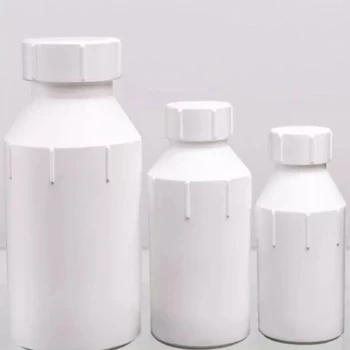
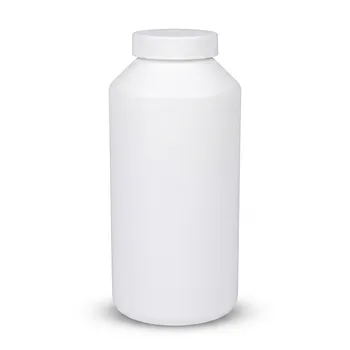
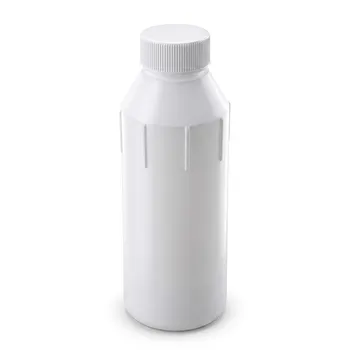
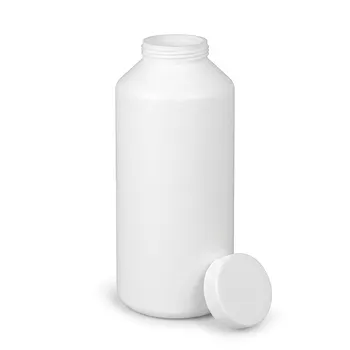
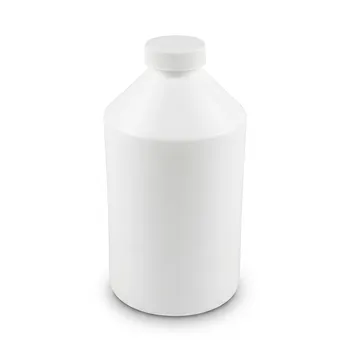
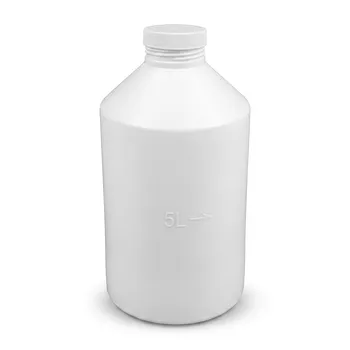
A PTFE bottle is not a better plastic bottle; it is a different category of tool altogether. Its utility is born from a unique set of material properties that directly address the failure modes of lesser materials.
Absolute Chemical Inertness
Polytetrafluoroethylene (PTFE) is famously, almost completely, inert. It refuses to react with the most aggressive acids, bases, solvents, and oxidizers.
Storing fuming nitric acid or concentrated hydrofluoric acid is not a matter of hope; it is a matter of material science. PTFE provides a level of chemical certainty that other materials simply cannot match. It is a shield against the most corrosive substances man can create.
The Virtue of Giving Nothing
In high-purity analysis, the container's greatest virtue is its refusal to participate. PTFE has exceptionally low levels of extractables and leachables.
This means it does not shed its own ions or molecules into the sample it holds. The sample you put in is the exact same sample you take out. This integrity is non-negotiable in trace-metal analysis, environmental testing, and semiconductor fabrication.
Resilience Across Extremes
From cryogenic storage to autoclaving at 260°C (500°F), PTFE maintains its structure and properties. It doesn’t become brittle when frozen or melt when heated. This wide thermal operating window allows for processes that would shatter glass or destroy other polymers.
The Promise of a Perfect Pour
The iconic non-stick, hydrophobic surface of PTFE has a critical function in quantitative work. When a precious or low-volume sample is poured, almost none of it clings to the container walls. This ensures maximum sample recovery, preventing the loss of invaluable material.
Understanding the Price of Certainty
The specialized nature of PTFE comes with trade-offs. But these are not so much "disadvantages" as they are characteristics of a high-performance tool.
- Significant Cost: PTFE is more expensive because its synthesis and molding processes are far more complex than those for commodity plastics. You aren't buying a vessel; you are investing in an insurance policy against failure.
- Lower Rigidity: PTFE is a soft, flexible material. It is not designed for high-pressure or vacuum applications without specialized engineering. It's a precision instrument, not a blunt object.
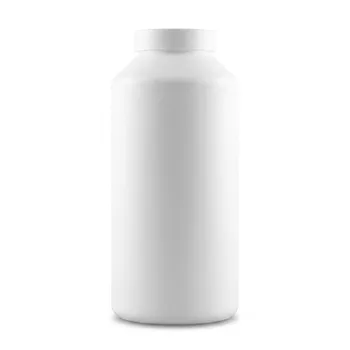
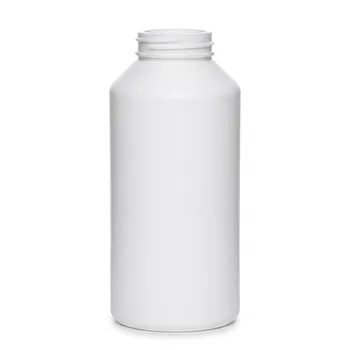
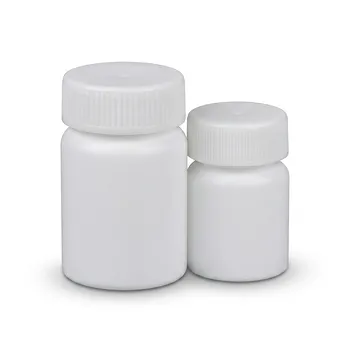
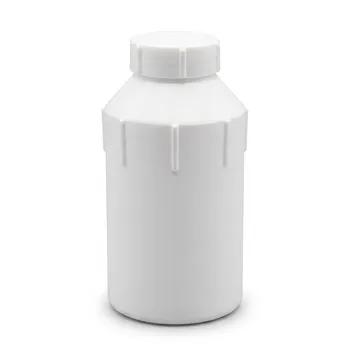
- Opacity: You cannot see through a PTFE bottle. This requires a more disciplined workflow, relying on careful measurement and labeling rather than visual inspection. It forces you to trust your process.
The Decision Matrix: When to Invest in PTFE
Choosing the right container means balancing your operational needs against the potential cost of failure.
| Application Scenario | Key Benefit of PTFE |
|---|---|
| Storing Aggressive Reagents | Unmatched resistance to acids, bases, and solvents. |
| High-Purity Sample Archiving | Extremely low leachables prevent long-term contamination. |
| Pharmaceutical & Semiconductor R&D | Maintains the absolute integrity of sensitive samples. |
| High/Low-Temperature Processes | Stable from cryogenic levels to 260°C (500°F). |
| Quantitative Analysis | Non-stick surface ensures complete sample recovery. |
If your work involves any of the above, a standard container is a liability. If you are storing benign solutions for general use, a glass or HDPE bottle is the more practical choice.
Beyond the Standard: When Your Mission Requires a Custom Solution
Sometimes, an off-the-shelf bottle isn't enough. Your process might require a unique geometry, specific port configurations for instrumentation, or a liner for a complex piece of equipment. Standard solutions solve standard problems; breakthrough work often requires custom tools.
This is where true material expertise becomes critical. At KINTEK, we specialize in manufacturing high-purity, precision PTFE components—from custom labware and bottles to seals and liners that form the backbone of industrial and semiconductor processes. We understand that in your world, the container is not just packaging; it is a functional part of your success.
For applications where purity is paramount and failure is not an option, the right material and the right partner make all the difference. Contact Our Experts
Visual Guide

Related Products
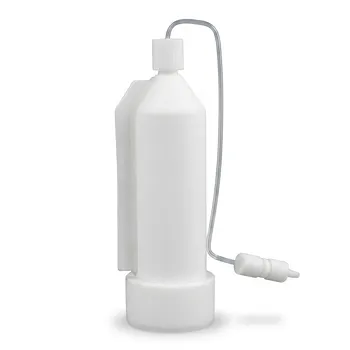
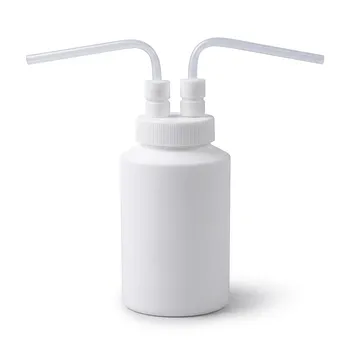
- Custom PTFE Dissolution Bottle 50ml with PFA Ultra Fine Tubing Corrosion Resistant No Leaching
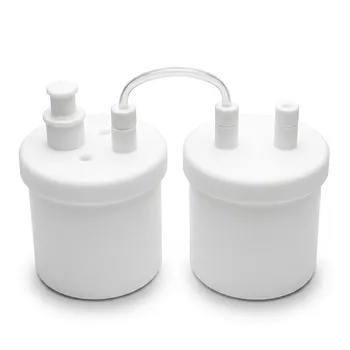
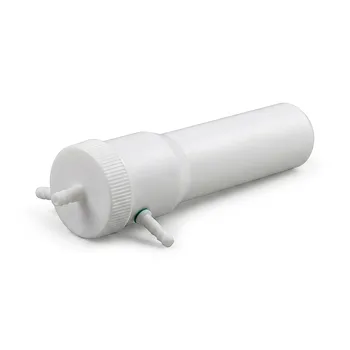
- Custom PTFE Absorption Bottle with Condensation Jacket Corrosion Resistant Low Background High Purity
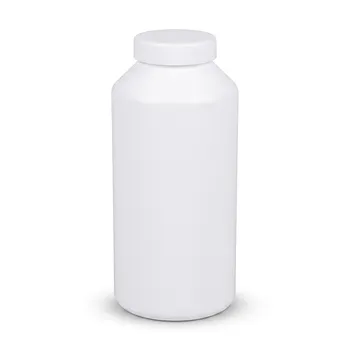
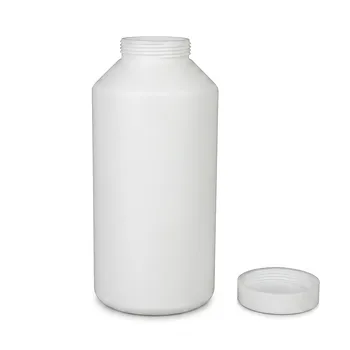
- High Purity PTFE Reagent Bottle 2000ml Corrosion Resistant Teflon Extraction Vessel for Biopharmaceutical and Chemical Laboratory Use
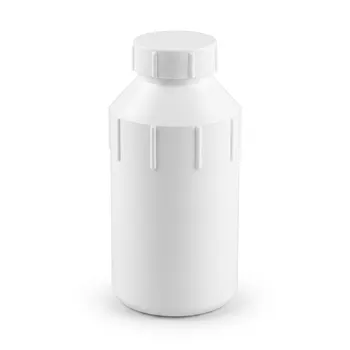
- Custom PTFE Wide Mouth Reagent Reaction Bottle Corrosion Resistant High Temperature Large Capacity Straight Body Laboratory Vessel
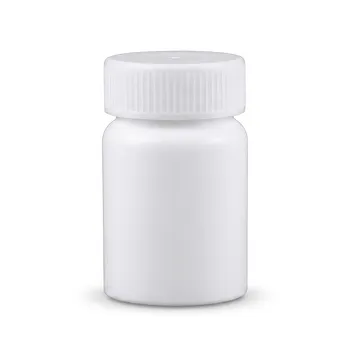
- Corrosion Resistant PTFE Small Reagent Bottle for Biopharmaceutical High Purity Sample Storage Non Stick Easy Clean Teflon Container