The High Cost of the "Invisible" Background Signal
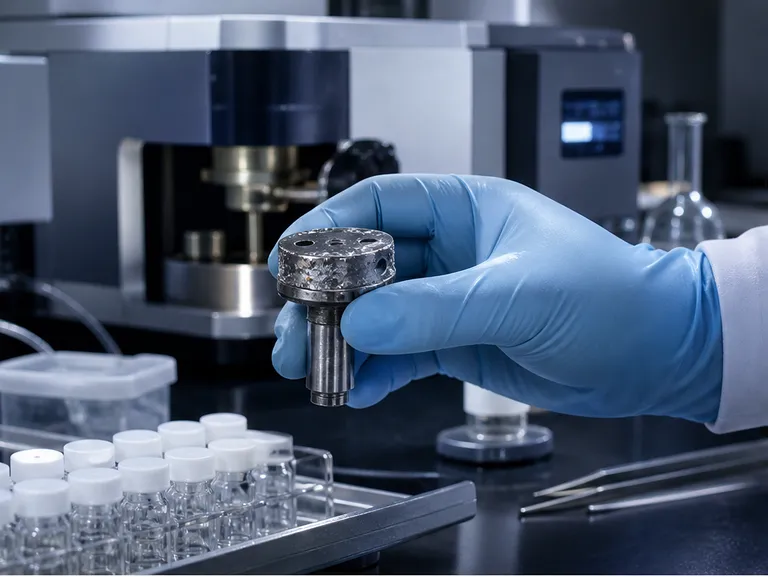
You’ve spent weeks preparing ultra-pure samples. Your calibration curves are perfect, and your lab environment is strictly controlled. Yet, when the ICP-MS (Inductively Coupled Plasma Mass Spectrometry) results come in, there is a persistent, unexplained "noise" in the trace metal data. Or worse, after only a few months of operation, your high-precision analytical instrument begins to show signs of mechanical sluggishness and erratic readings.
For many lab managers and researchers in the semiconductor and new energy sectors, this is a frustratingly common cycle. We often look at the reagents or the cleaning protocols, but we rarely look at the moving parts deep inside the fluid path—specifically, the rotors and impellers.
The Common Struggle: Why "Premium" Metals Aren't Enough
When an instrument component needs to rotate or slide at high speeds, our engineering instinct usually points toward metal. We opt for stainless steel, or perhaps "corrosion-resistant" alloys like Hastelloy or Titanium, believing their structural integrity will ensure longevity.
However, in the world of trace analysis, these materials often create more problems than they solve. Users frequently find themselves trapped in a cycle of:
- Frequent Deep-Cleaning: Attempting to "scrub away" residual ions that have adhered to the metal surface.
- Constant Recalibration: Trying to account for the shifting baseline caused by the gradual leaching of metal ions into the sample stream.
- Component Replacement: Dealing with the inevitable "pitting" and corrosion caused by aggressive acids, which leads to catastrophic equipment downtime and expensive repair bills.
The result isn't just a technical headache; it’s a business risk. Project timelines slip, and the reliability of your data—the very product of your lab—comes into question.
Revealing the Root Cause: The Myth of the "Inert" Metal
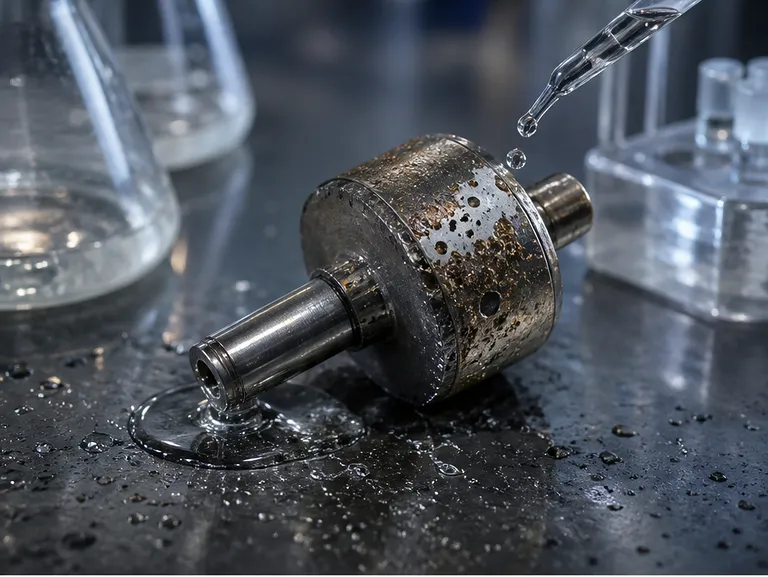
The reason these common solutions fail is that they ignore a fundamental chemical reality: in the presence of aggressive reagents, no metal is truly inert at the parts-per-trillion (ppt) level.
The struggle boils down to two core issues:
- Metal-Fluid Interaction: Even high-grade alloys undergo microscopic ion exchange when they come into contact with acidic or basic fluids. In techniques like ICP-MS, where you are searching for microgram levels of analytes, even a few atoms of iron, nickel, or chrome leaching from a rotor can completely skew your data.
- Surface Porosity and Wetting: Metals, even polished ones, have a surface energy that allows fluids to "wet" the material. This creates a microscopic film of the previous sample that is incredibly difficult to wash away, leading to "carry-over" contamination between different test runs.
Traditional rotors fail because they treat the sample as a passive fluid, rather than a chemically active environment that constantly interacts with its container.
The Solution: Engineering Out the Interaction with PTFE
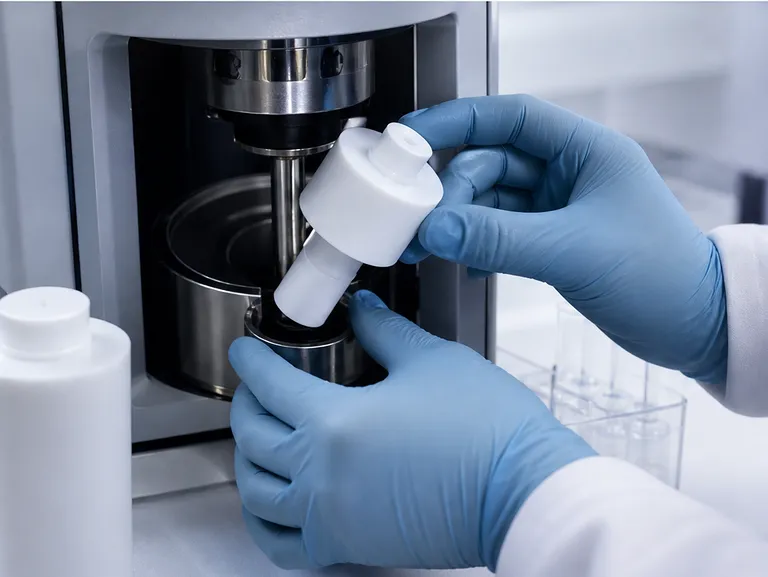
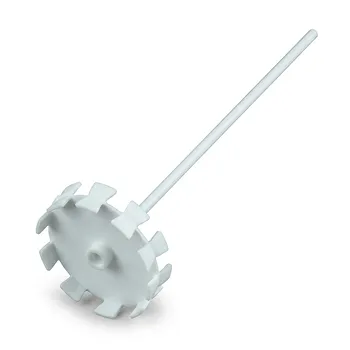
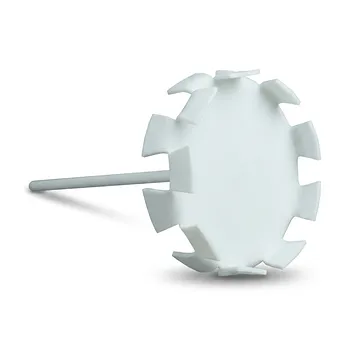
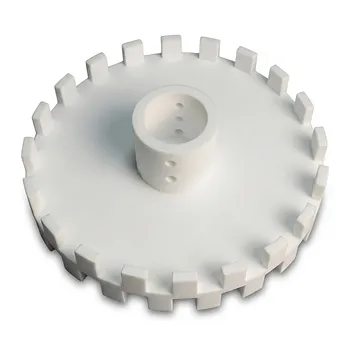
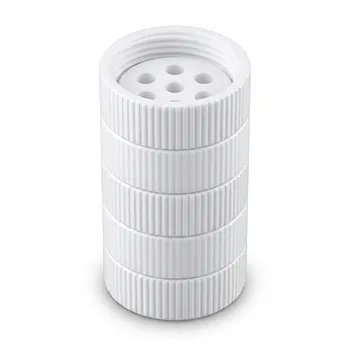
To solve the problem of trace contamination and mechanical failure, we must move away from materials that react with the sample. This is why Polytetrafluoroethylene (PTFE) has become the definitive choice for high-precision analytical rotors and impellers.
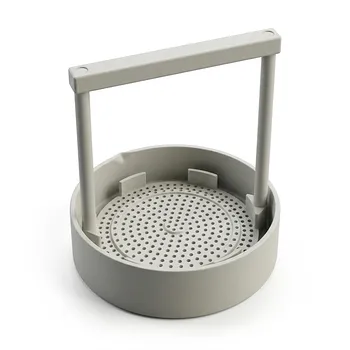
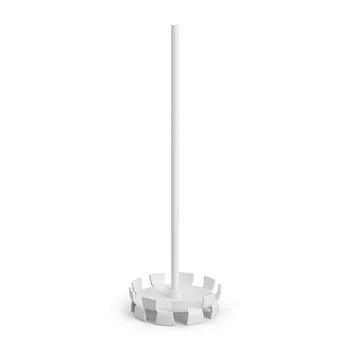
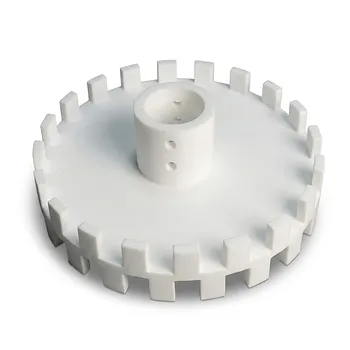
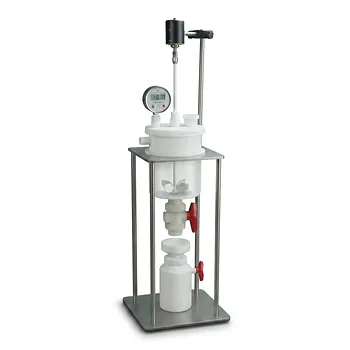
Unlike metals, PTFE provides a "near-universal" chemical resistance. It doesn't just resist corrosion; it effectively eliminates the metal-fluid interaction entirely. By utilizing PTFE for all wetted parts, you ensure that your sample only ever touches a chemically inert fluoropolymer.
At KINTEK, we don't just provide the material; we use high-precision CNC fabrication to transform PTFE into a high-performance tool that addresses the root causes of analytical failure:
- Zero Leaching: Because PTFE contains no metal ions in its polymer backbone, there is nothing to leach into your high-purity samples, ensuring absolute data integrity.
- Low Coefficient of Friction: PTFE is inherently "slippery." This self-lubricating property allows rotors to spin with minimal wear and no need for external lubricants that could contaminate the sample.
- Hydrophobic "Non-Stick" Surfaces: PTFE is non-wetting. The sample slides off the surface completely, facilitating quantitative transfer and making cleaning between runs fast and reliable.
- Extreme Temperature Stability: Whether your application involves cryogenic research at -200 °C or high-temperature synthesis up to +260 °C, the material remains dimensionally stable and chemically inactive.
Beyond the Fix: Unlocking New Analytical Potential
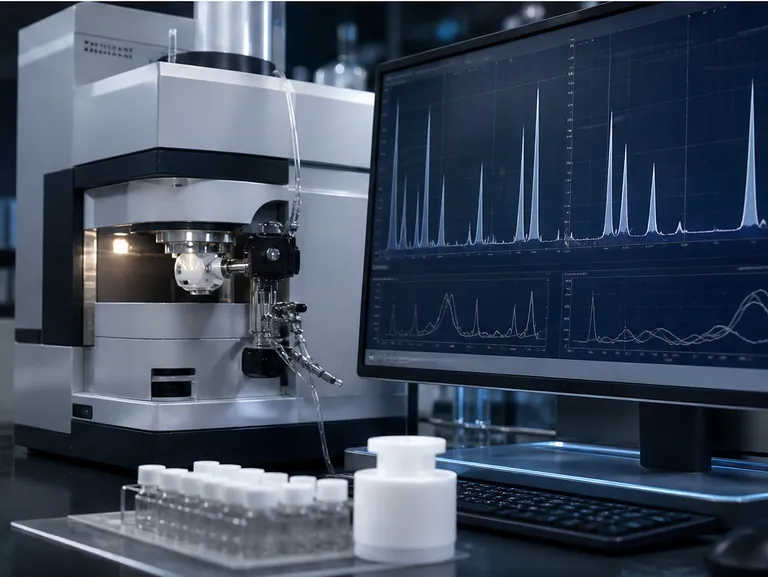
When you stop fighting with your hardware, you start advancing your science. By replacing reactive metal components with precision-engineered PTFE rotors, the "background noise" in your trace analysis disappears.
This transition allows laboratories to achieve things that were previously impossible:
- Accelerated Throughput: With a non-stick surface that minimizes residue buildup, cleaning cycles are shorter, allowing for more samples to be processed per shift.
- Enhanced Precision: You can finally trust your ppt-level data, knowing that the "spikes" you see are from your sample, not your instrument.
- Lower Total Cost of Ownership: While a PTFE component is a specialized investment, the elimination of corrosion-related downtime and the extended lifespan of the part significantly reduce long-term operational costs.
Solving the contamination problem is about more than just a better rotor; it’s about providing your team with the confidence to push the boundaries of chemical research and semiconductor manufacturing.
Whether you are struggling with inconsistent data in trace metal analysis or looking to improve the durability of your fluid transfer systems, KINTEK’s expertise in custom fluoropolymer fabrication can provide the clarity you need. Our team specializes in translating complex technical requirements into high-precision PTFE and PFA components that stand up to the most aggressive environments. Contact Our Experts today to discuss how we can help you eliminate contamination and streamline your analytical workflow.
Related Products
- Large Capacity PTFE Reaction Bottle 2L Wide Mouth Fluoropolymer Extraction Vessel Compatible with Rotary Agitators
- Customizable PTFE Rods for Advanced Industrial Applications
- Custom Graphite Filled PTFE Rods for Advanced Industrial Applications
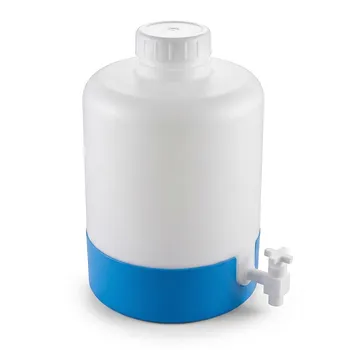
- High Corrosion Resistant PTFE Faucet Polytetrafluoroethylene Valve for Chemical Storage Drums and Fluid Transfer Systems Customizable Industrial Grade
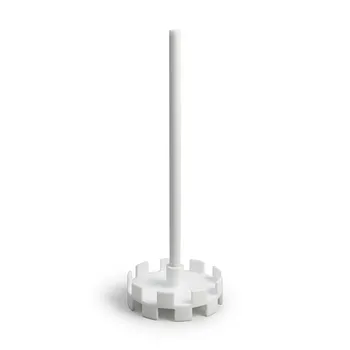
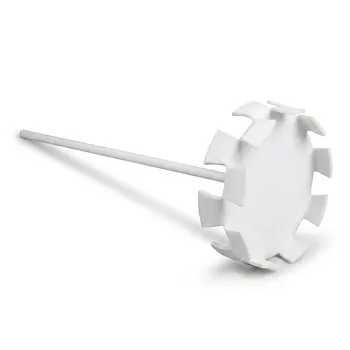
- Custom PTFE Dispersing Disc and Stirring Rod for Chemical Processing and Laboratory Mixing
Related Articles
- The 260°C Illusion: Why Your PTFE Bottle's True Limit is a System, Not a Number
- The Price of Purity: When a Simple Bottle Becomes Mission-Critical
- The Real Reason You're Losing Samples: Why Your Choice of Lab Bottle Matters More Than You Think
- Why Your High-Acidity Mixing Fails—And How PTFE Rotors Solve the Contamination Crisis
- The Anatomy of Precision: Why Your PTFE Rotor Valves Fail and How Understanding Their Structure Fixes It