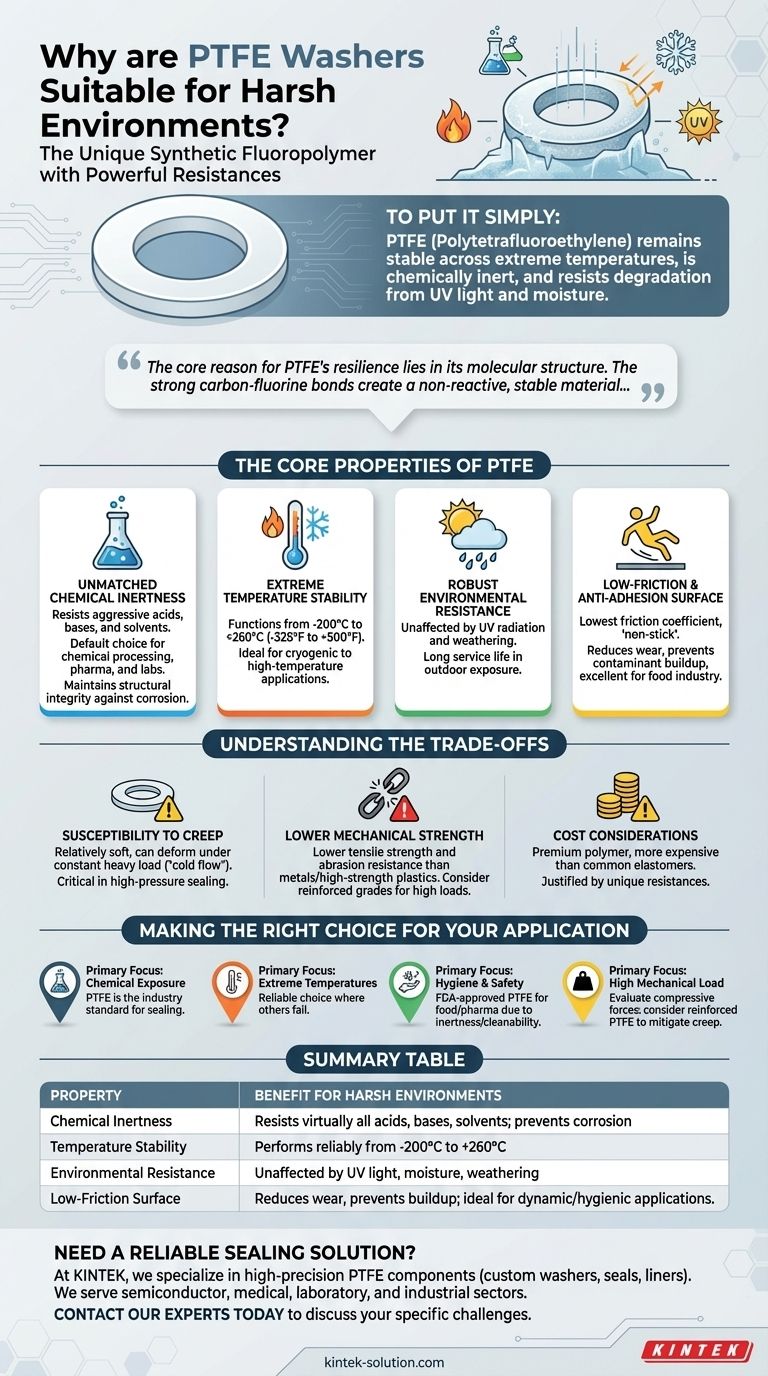
To put it simply, PTFE washers are exceptionally well-suited for harsh environments because the material they are made from, polytetrafluoroethylene, is a unique synthetic fluoropolymer with a powerful combination of resistances. It is almost completely inert to chemicals, remains stable across an extreme range of temperatures, and resists environmental degradation from factors like UV light and moisture.
The core reason for PTFE's resilience lies in its molecular structure. The strong carbon-fluorine bonds create a non-reactive, stable material that simply does not degrade when exposed to the vast majority of chemicals, heat, or radiation that would destroy metals and other plastics.
The Core Properties of PTFE
To understand why PTFE (commonly known by the brand name Teflon) is so effective, we must look at its specific material characteristics. Each one solves a critical failure point seen in lesser materials.
Unmatched Chemical Inertness
PTFE is resistant to a remarkably wide range of substances, including aggressive acids, bases, and solvents. This makes it a default choice for equipment in chemical processing, pharmaceuticals, and laboratories where exposure to corrosive media is constant.
Where other materials would corrode or dissolve, a PTFE washer maintains its structural integrity, ensuring a reliable seal or spacer.
Extreme Temperature Stability
This material demonstrates incredible thermal stability. It functions effectively in continuous service at high temperatures (up to 260°C or 500°F) and does not become brittle at cryogenic temperatures (down to -200°C or -328°F).
This makes PTFE washers ideal for applications ranging from high-temperature engines and heating systems to deep-freeze and industrial refrigeration equipment.
Robust Environmental Resistance
Unlike many plastics, PTFE is virtually unaffected by UV radiation and weathering. It does not degrade or change its properties with prolonged exposure to sunlight or moisture.
This durability ensures a long service life in outdoor applications or equipment exposed to the elements, preventing premature failure.
Low-Friction and Anti-Adhesion Surface
PTFE has one of the lowest coefficients of friction of any solid material. This "non-stick" quality is crucial in dynamic applications to reduce wear and in static applications to prevent the buildup of contaminants.
This property is also why PTFE washers are excellent for food industry applications, as they resist material buildup and can withstand aggressive cleaning regimens.
Understanding the Trade-offs
While its properties are exceptional, PTFE is not the solution for every engineering problem. An objective assessment requires understanding its limitations.
Susceptibility to Creep
PTFE is a relatively soft material and can be subject to "creep" or "cold flow." Under a constant, heavy compressive load, the washer can slowly deform over time. This is a critical consideration in high-pressure sealing applications.
Lower Mechanical Strength
Compared to metals or high-strength engineering plastics, PTFE has lower tensile strength and abrasion resistance. In applications with significant abrasive forces or high tensile loads, a different material or a filled/reinforced grade of PTFE may be necessary.
Cost Considerations
PTFE is a premium performance polymer. It is generally more expensive than common elastomers like nitrile or neoprene. The cost must be justified by the need for its unique combination of resistances that other materials cannot provide.
Making the Right Choice for Your Application
Selecting the right washer material depends entirely on the primary stress it will face in its environment.
- If your primary focus is chemical exposure: PTFE is the industry standard for sealing or isolating components from corrosive substances.
- If your primary focus is extreme temperatures: Its exceptionally wide operating range makes it a reliable choice where other plastics and elastomers would fail.
- If your primary focus is hygiene and safety: FDA-approved and food-grade PTFE is ideal for food, beverage, and pharmaceutical applications due to its inertness and cleanability.
- If your primary focus is high mechanical load: Carefully evaluate the compressive forces involved and consider reinforced PTFE grades to mitigate the risk of material creep.
Ultimately, choosing PTFE is a strategic decision for applications where reliability in harsh conditions is non-negotiable.
Summary Table:
| Property | Benefit for Harsh Environments |
|---|---|
| Chemical Inertness | Resists virtually all acids, bases, and solvents, preventing corrosion and degradation. |
| Temperature Stability | Performs reliably from -200°C to +260°C (-328°F to +500°F). |
| Environmental Resistance | Unaffected by UV light, moisture, and weathering for long service life. |
| Low-Friction Surface | Reduces wear and prevents material buildup, ideal for dynamic or hygienic applications. |
Need a reliable sealing solution for your most demanding conditions?
At KINTEK, we specialize in manufacturing high-precision PTFE components, including custom washers, seals, and liners. Our expertise ensures your equipment is protected against aggressive chemicals, extreme temperatures, and environmental stressors.
We serve the semiconductor, medical, laboratory, and industrial sectors with custom fabrication from prototypes to high-volume orders.
Contact our experts today to discuss how our PTFE components can solve your specific challenges and enhance the reliability of your applications.
Visual Guide
Related Products
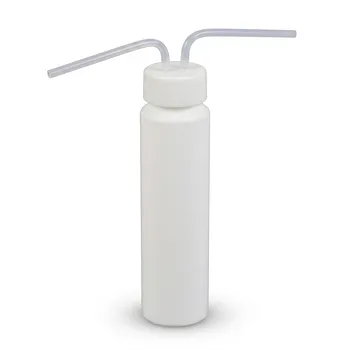
- Custom PTFE Gas Washing Bottle Corrosion Resistant Low Background Fluoropolymer Gas Absorption Vessel
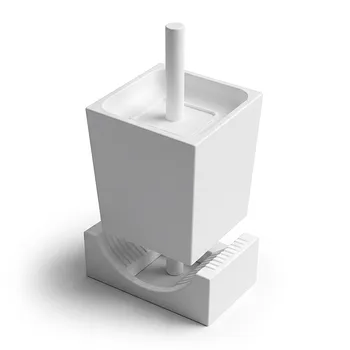
- PTFE Circular Wafer Carrier 6 Inch Acid Alkali Resistant Semiconductor Cleaning Basket Customizable
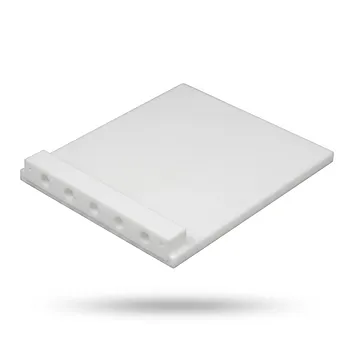
- Custom PTFE Wafer Cleaning Baskets Semiconductor Silicon Wafer Holders Low Background Fluoropolymer Cassettes
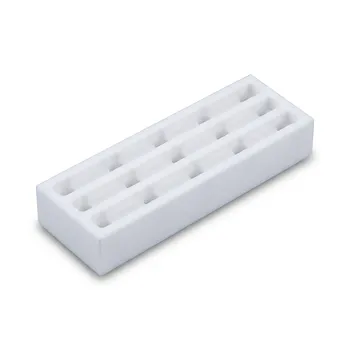
- Custom PTFE Laboratory Cleaning Basket Carrier High Purity Acid Base Resistant Wafer Holder Low Background Contamination Free Chemical Bath Rack
- Custom PTFE Wafer Carrier Cleaning Basket Corrosion Resistant Non Leaching High Polymer Experiment Support
People Also Ask
- How can the susceptibility to creep and cold flow in PTFE washers be addressed? Improve Stability with Filled PTFE or Metal Backing
- How do PTFE washers compare to rubber washers in electrical insulation? The Definitive Guide for Safety & Performance
- What factors should be considered when choosing between PTFE and rubber washers? Optimize Sealing for Extreme or Everyday Use
- What are the key properties of PTFE Teflon washers? Unlock Superior Chemical & Temperature Resistance
- What makes PTFE washers suitable for the food industry? Ensure Safety, Hygiene & Durability