In short, PTFE washers are used in nearly every demanding industry. Their unique combination of properties makes them a default choice for critical applications in sectors including aerospace, automotive, chemical processing, medical, pharmaceuticals, electronics, and food production.
The widespread adoption of PTFE washers is not due to a single feature, but its rare combination of chemical inertness, extreme temperature stability, low friction, and electrical insulation. This makes it a versatile problem-solver for environments where common materials would fail.
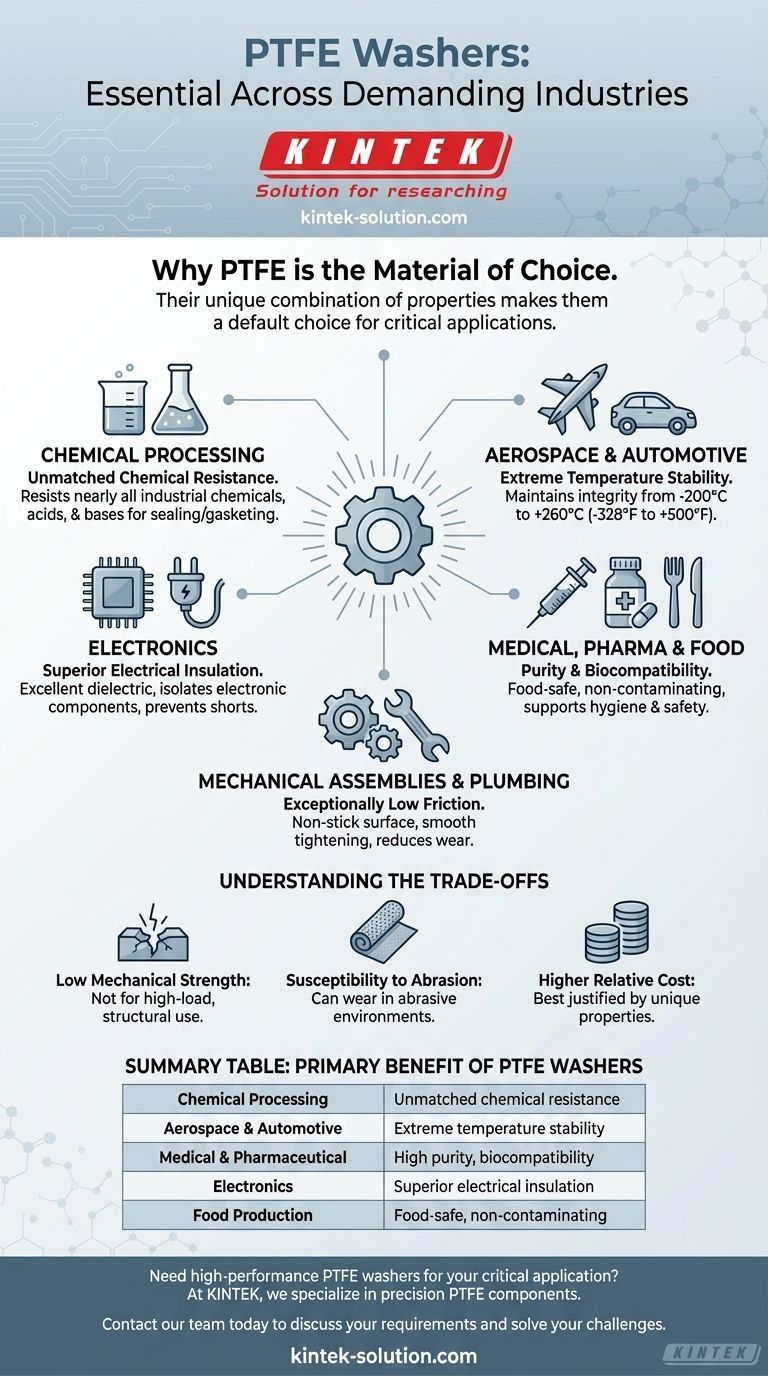
Why PTFE is the Material of Choice in Demanding Sectors
The value of a PTFE washer is not in its function as a simple spacer, but in its ability to perform reliably under extreme conditions. Different industries leverage specific properties to solve unique engineering challenges.
Unmatched Chemical Resistance
PTFE is one of the most chemically inert materials known. It resists corrosion from nearly all industrial chemicals, acids, and bases.
This property makes it indispensable in the chemical processing, pharmaceutical, and medical industries, where it is used for sealing and gasketing equipment that handles aggressive substances.
Extreme Temperature Stability
PTFE washers maintain their integrity and performance across an exceptionally wide temperature range, typically from -200°C to +260°C (-328°F to +500°F).
This stability is critical in aerospace and automotive applications, where components are exposed to severe temperature fluctuations, as well as in industrial machinery and high-power electronics.
Superior Electrical Insulation
PTFE is an excellent electrical insulator, or dielectric. It does not conduct electricity, making it perfect for isolating electronic components.
This is why it is heavily used in the electronics and electrical equipment industries to prevent short circuits and ensure signal integrity, especially in high-frequency applications.
Exceptionally Low Friction
Often marketed under the brand name Teflon, PTFE has one of the lowest coefficients of friction of any solid material. This creates a non-stick, self-lubricating surface.
In mechanical assemblies and plumbing, this property allows bolts and fittings to be tightened smoothly without galling or damaging delicate surfaces. It also reduces wear in moving parts.
Purity and Biocompatibility
Specialty grades of PTFE are available that are certified as food-safe and biocompatible. The material is non-contaminating and does not support bacterial growth.
This is a non-negotiable requirement for the food processing, medical, and pharmaceutical industries, where hygiene and purity are paramount for safety and regulatory compliance.
Understanding the Trade-offs
While incredibly versatile, PTFE is not the solution for every problem. An objective assessment requires understanding its limitations.
Low Mechanical Strength
PTFE is a relatively soft material. It is not suitable for high-load, structural applications where mechanical strength and rigidity are the primary requirements.
Under high compressive loads, it can deform or "creep," which may lead to a loss of bolt tension over time.
Susceptibility to Abrasion
While it has low friction, PTFE is not highly resistant to abrasive wear. In environments with hard, sharp particulates, the material can be worn away more quickly than harder polymers or metals.
Higher Relative Cost
Compared to common washer materials like nylon, rubber, or steel, PTFE is more expensive. Its use is best justified in applications where its unique properties are essential for performance and reliability.
Making the Right Choice for Your Application
Selecting the correct material requires matching its properties to your primary goal.
- If your primary focus is chemical resistance or purity: PTFE is the industry standard for applications in chemical, medical, or food processing.
- If your primary focus is performance at extreme temperatures: PTFE's wide operating range makes it a reliable choice for aerospace, automotive, and industrial machinery.
- If your primary focus is electrical insulation: PTFE is an excellent choice for isolating sensitive electronic components.
- If your primary focus is high mechanical load and low cost: You should investigate alternatives like stainless steel, nylon, or other high-strength polymers.
Ultimately, PTFE washers are a specialized component engineered to ensure reliability where other materials cannot.
Summary Table:
| Industry | Primary Benefit of PTFE Washers |
|---|---|
| Chemical Processing | Unmatched chemical resistance to acids and bases |
| Aerospace & Automotive | Extreme temperature stability (-200°C to +260°C) |
| Medical & Pharmaceutical | High purity, biocompatibility, and sterility |
| Electronics | Superior electrical insulation for sensitive components |
| Food Production | Food-safe, non-contaminating, and easy to clean |
Need high-performance PTFE washers for your critical application?
At KINTEK, we specialize in the precision manufacturing of PTFE components, including seals, liners, and custom labware. Whether you require prototypes or high-volume orders for the semiconductor, medical, laboratory, or industrial sectors, our expertise ensures you get components that deliver reliability under extreme conditions.
Contact our team today to discuss your specific requirements and learn how our custom fabrication can solve your most demanding sealing and insulation challenges.
Visual Guide
Related Products
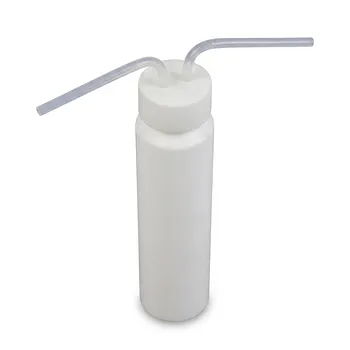
- High Purity PTFE Gas Washing Bottle with Sintered Filter Ball Corrosion Resistant Slender Laboratory Scrubber Customizable Height and Width
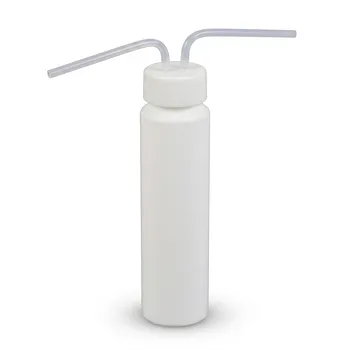
- Custom PTFE Gas Washing Bottle Corrosion Resistant Low Background Fluoropolymer Gas Absorption Vessel
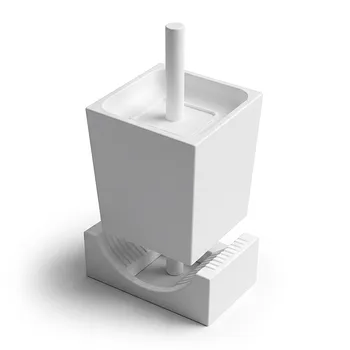
- PTFE Circular Wafer Carrier 6 Inch Acid Alkali Resistant Semiconductor Cleaning Basket Customizable
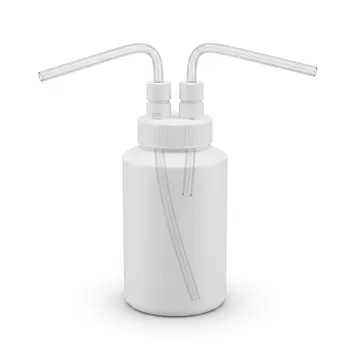
- Custom PTFE Gas Washing Bottle Corrosion Resistant Chemical Absorption Vessel with Quarter Inch Tubing Connections
- Custom PTFE Laboratory Cleaning Basket Carrier High Purity Acid Base Resistant Wafer Holder Low Background Contamination Free Chemical Bath Rack
People Also Ask
- How can the susceptibility to creep and cold flow in PTFE washers be addressed? Improve Stability with Filled PTFE or Metal Backing
- What makes PTFE washers suitable for the food industry? Ensure Safety, Hygiene & Durability
- What advantages do PTFE washers offer? Superior Chemical, Thermal, and Low-Friction Performance
- What is a key advantage of PTFE washers in terms of chemical resistance? Unmatched Protection Against Corrosives
- What are the primary applications of PTFE Teflon washers in plumbing? Ensure Leak-Proof Seals in Harsh Environments