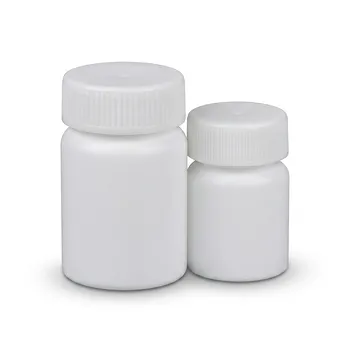
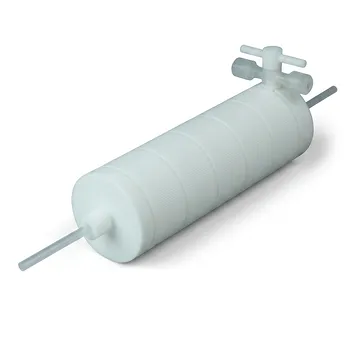
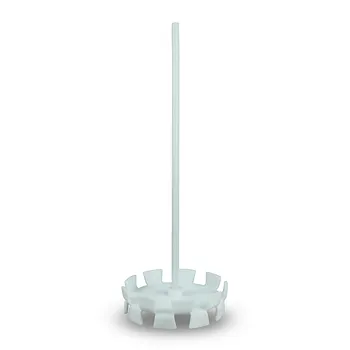
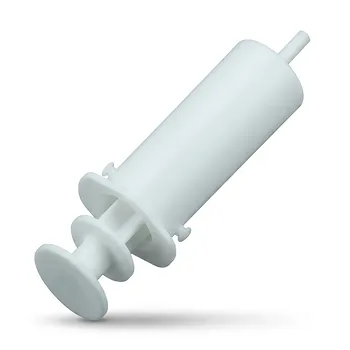
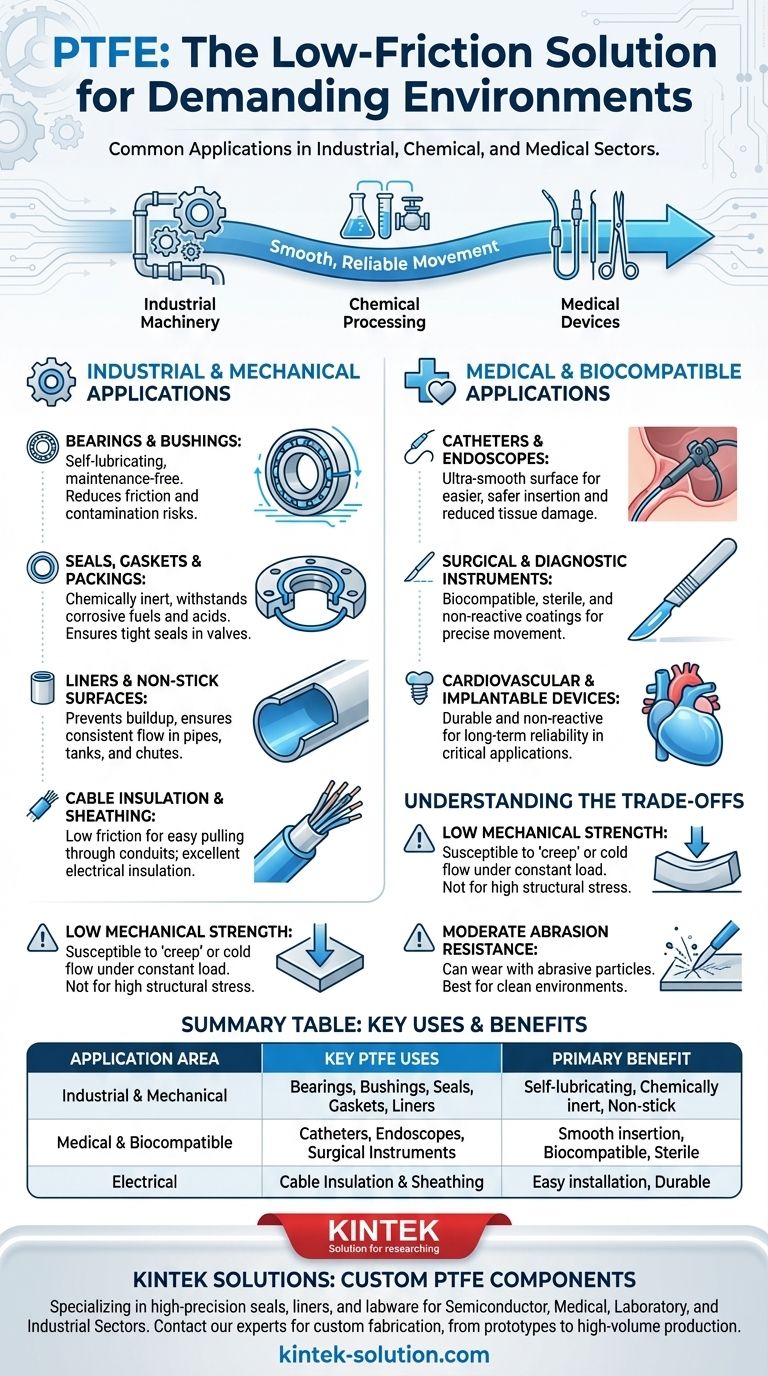
At its core, Polytetrafluoroethylene (PTFE) is most commonly applied where smooth, reliable movement is required in demanding environments. Its signature low-friction surface is used everywhere from industrial machinery and chemical processing to advanced medical devices. Key applications include self-lubricating bearings and bushings, chemically resistant seals and gaskets, non-stick coatings, and liners for catheters and surgical tools.
The true value of PTFE is not just its slipperiness, but its unique combination of near-zero friction with extreme chemical inertness and thermal stability. This makes it the default material choice for components that must move freely and reliably in harsh conditions where traditional lubrication is impossible or undesirable.
Industrial & Mechanical Applications: Where Movement Meets Hostility
The majority of PTFE applications are found in industrial settings where its properties solve critical engineering challenges related to friction, corrosion, and temperature.
Bearings, Bushings, and Wear Strips
PTFE is a premier material for components that slide against each other. Its extremely low coefficient of friction allows for the creation of self-lubricating bearings and bushings.
This eliminates the need for grease or oil, reducing maintenance and removing a potential point of contamination. Wear strips made of PTFE protect surfaces and ensure heavy equipment can move smoothly with minimal force.
Seals, Gaskets, and Packings
In chemical processing, aerospace, and hydraulic systems, effective sealing is non-negotiable. PTFE's near-total chemical inertness makes it ideal for gaskets, O-rings, and V-rings that handle corrosive fuels, acids, and industrial effluents.
Its low friction ensures a tight seal can be achieved without the components sticking or seizing, even under pressure. This is critical in valves, where PTFE packing allows for low-torque, reliable operation.
Liners and Non-Stick Surfaces
While famous for its use in non-stick cookware, this principle is applied heavily in industry. Liners for pipes, tanks, and chutes prevent viscous or sticky materials from building up, ensuring consistent flow in manufacturing plants.
In the chemical and pharmaceutical industries, PTFE stirrers and vessel liners provide a non-reactive, easy-to-clean surface.
Cable Insulation and Sheathing
The low-friction surface of PTFE makes it an excellent insulator for wiring. Its "slipperiness" is a major advantage during installation, allowing complex wire bundles to be pulled through tight conduits with minimal force and without damaging the sheathing.
Medical & Biocompatible Applications: The Hygienic Choice
In the medical field, performance must be paired with safety and sterility. PTFE’s inherent properties make it a trusted material for devices that interact with the human body.
Catheters and Endoscopes
The primary challenge for any invasive device is minimizing tissue damage. Medical-grade PTFE liners provide an incredibly smooth surface on catheters and endoscopes, allowing for easier, safer insertion into the body.
Surgical and Diagnostic Instruments
PTFE's biocompatibility ensures it does not cause adverse reactions within the body. It is frequently used to coat surgical instruments or as a liner in diagnostic equipment where frictionless, sterile movement is essential for precision.
Cardiovascular and Implantable Devices
For critical applications like cardiovascular surgery, PTFE's reliability is paramount. Its durability and non-reactive nature make it suitable for components used in minimally invasive procedures and other specialized medical devices.
Understanding the Trade-offs
Despite its remarkable advantages, PTFE is not a universal solution. An expert advisor must acknowledge its limitations to ensure it is used correctly.
Low Mechanical Strength
PTFE is a relatively soft material. It is susceptible to "creep" or cold flow, meaning it can deform over time when subjected to a constant load. It is not suitable for high-load structural components on its own.
Moderate Abrasion Resistance
While it has low friction, PTFE is not exceptionally hard. It can be worn away by abrasive particles, making it less suitable for environments with significant grit or particulate contamination unless it is filled with other materials to enhance its durability.
Making the Right Choice for Your Goal
To apply PTFE effectively, align its strengths with the primary challenge you need to solve.
- If your primary focus is self-lubricating motion: PTFE is the ideal choice for bearings, wear strips, and sliding pads where external lubricants are impractical.
- If your primary focus is sealing in a corrosive environment: Its chemical inertness makes PTFE the standard for gaskets and valve packing in the chemical, fuel, and aerospace industries.
- If your primary focus is biocompatibility and smooth insertion: Medical-grade PTFE is the definitive material for liners in catheters, endoscopes, and other invasive instruments.
- If your primary focus is supporting a high structural load: Use PTFE as a low-friction liner or coating on a stronger metal substrate rather than as a standalone part.
By understanding these applications and their underlying principles, you can confidently leverage PTFE's unique properties to solve complex engineering challenges.
Summary Table:
| Application Area | Key PTFE Uses | Primary Benefit |
|---|---|---|
| Industrial & Mechanical | Bearings, Bushings, Seals, Gaskets, Liners | Self-lubricating, Chemically inert, Non-stick |
| Medical & Biocompatible | Catheters, Endoscopes, Surgical Instruments | Smooth insertion, Biocompatible, Sterile |
| Electrical | Cable Insulation & Sheathing | Easy installation, Durable |
Need a custom PTFE component for your demanding application?
KINTEK specializes in manufacturing high-precision PTFE components like seals, liners, and labware for the semiconductor, medical, laboratory, and industrial sectors. We combine the superior low-friction and chemical resistance of PTFE with expert custom fabrication—from prototypes to high-volume production.
Contact our PTFE experts today to discuss your specific requirements and get a solution tailored to your needs.
Visual Guide
Related Products
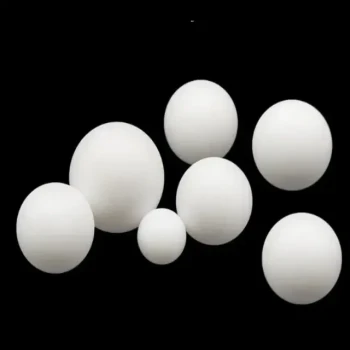
- Custom PTFE Teflon Balls for Advanced Industrial Applications
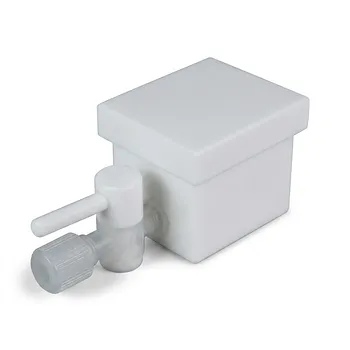
- Custom PTFE Constant Pressure Separatory Funnel Corrosion Resistant Low Background Labware for PFA Flasks
- Custom PTFE Laboratory Apparatus Corrosion Resistant Low Background Reaction Cells Precision CNC Fabrication
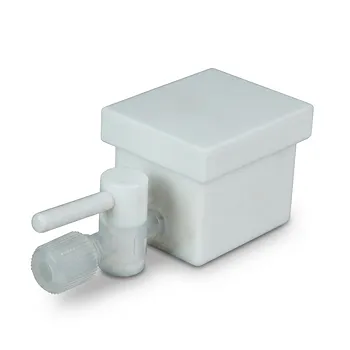
- Custom PTFE Corrosion Resistant Insulating Electrophoresis Reaction Cell with Septum and Valves for Low Background Trace Analysis
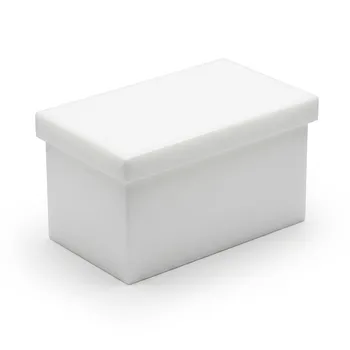
- High Purity PTFE Square Tank with Lid Corrosion Resistant Low Background Teflon Sink for Trace Analysis
People Also Ask
- In what applications are PTFE balls highly functional? Ideal for Corrosive, Self-Lubricating Systems
- How do the chemical properties of PTFE balls influence their performance? Unmatched Durability in Harsh Environments
- What materials can PTFE balls be made from? Virgin, Modified, or Filled Compounds for Specific Performance
- What are the available grades of PTFE balls? Choose the Right Grade for Your Application
- What are the key properties of PTFE balls? Unlock Superior Performance for Demanding Applications