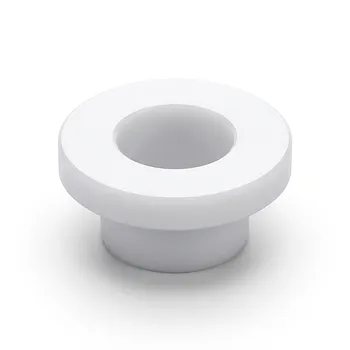
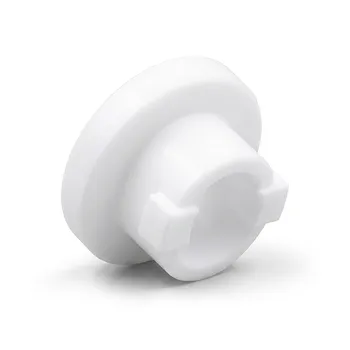
In short, PTFE gaskets are preferred in aerospace applications because they offer an exceptional combination of chemical inertness, a wide operational temperature range, and low-friction sealing performance. This unique set of properties ensures reliability in critical systems like engines, fuel lines, and hydraulics, where material failure could have catastrophic consequences.
The core reason for PTFE's dominance in aerospace is not just one superior feature, but its ability to deliver consistent, high-integrity sealing performance across the extreme and varied conditions—from cryogenic temperatures to high-heat engine components—that define aerospace operations.
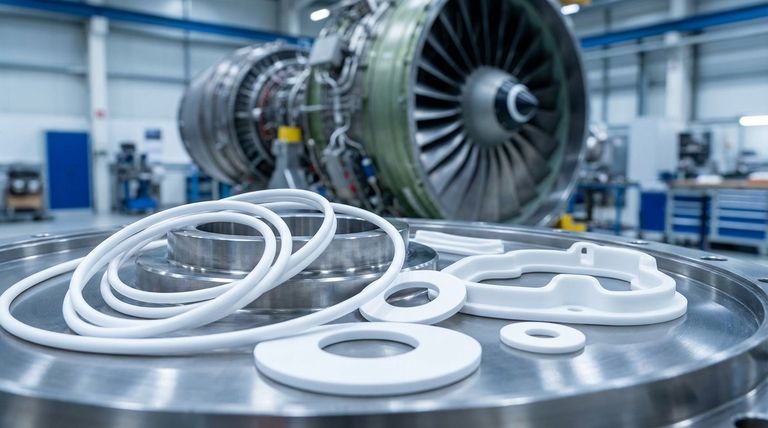
The Unique Demands of the Aerospace Environment
To understand why PTFE is the material of choice, we must first appreciate the uniquely hostile environment in which aerospace components must function. This context reveals why standard materials are often inadequate.
Extreme Temperature Fluctuations
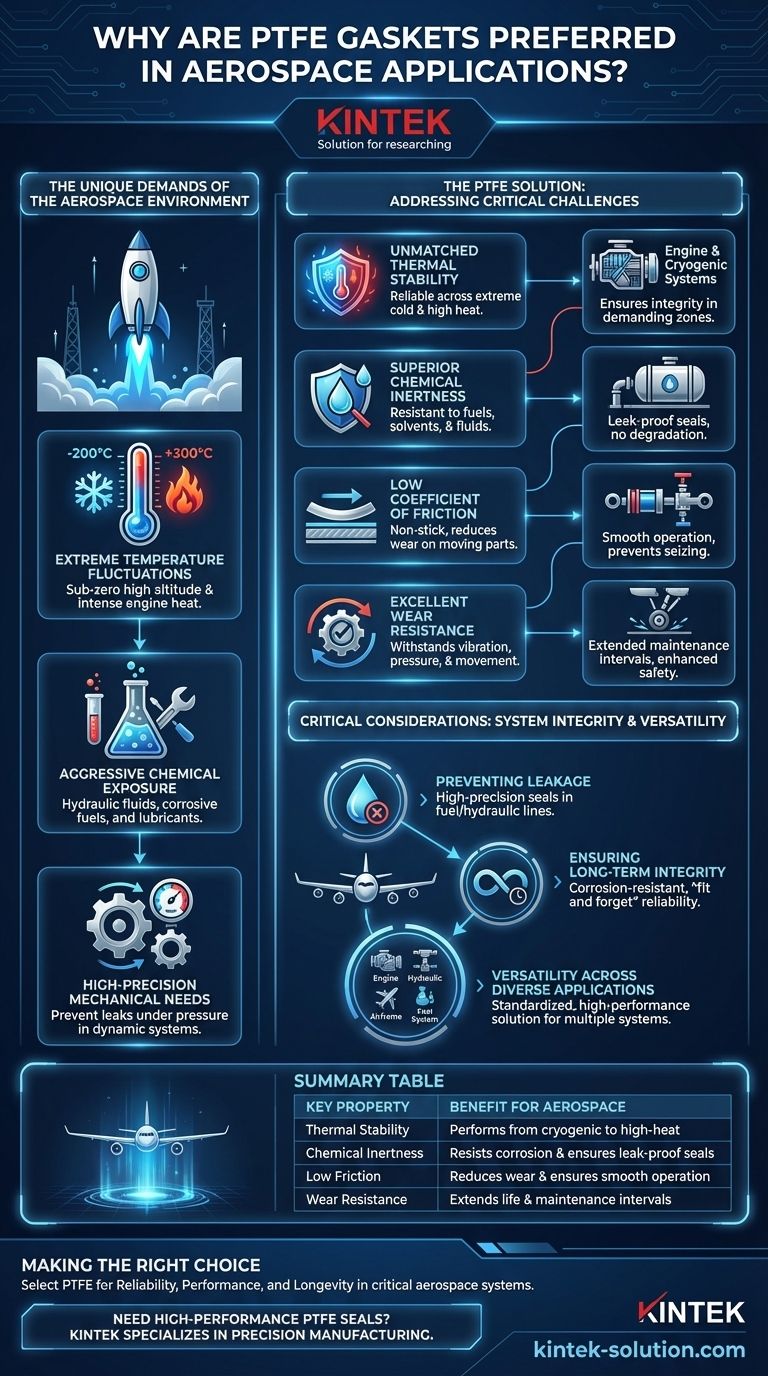
Aircraft and spacecraft operate in an environment of immense thermal stress. Components must endure the sub-zero temperatures of high altitudes and the intense heat generated by engines and propulsion systems.
Aggressive Chemical Exposure
Aerospace systems rely on a range of aggressive fluids. Gaskets and seals are in constant contact with hydraulic fluids, corrosive fuels, and various lubricants, all of which can degrade lesser materials over time.
High-Precision Mechanical Needs
Seals in aerospace systems must prevent leaks under high pressure while often being part of systems with moving components. This requires materials that are both durable and have low-friction characteristics to ensure smooth operation and longevity.
Key Properties of PTFE for Aerospace Sealing
PTFE's molecular structure gives it a combination of properties that directly addresses the challenges of the aerospace environment, making it an ideal engineering solution.
Unmatched Thermal Stability
PTFE gaskets perform reliably across an exceptionally broad temperature spectrum. Their resistance to both high and low temperatures makes them suitable for everything from engine components to systems exposed to the cold of high altitude.
Superior Chemical Inertness
PTFE is chemically resistant to virtually all industrial chemicals and solvents. This inertness ensures that gaskets will not corrode, swell, or degrade when exposed to aviation fuels or hydraulic fluids, guaranteeing a long-lasting, leak-proof seal.
Low Coefficient of Friction
With one of the lowest friction coefficients of any solid material, PTFE is ideal for dynamic sealing applications. This non-stick surface reduces wear on moving parts, prevents seizing, and ensures consistent performance over the component's life cycle.
Excellent Wear Resistance
Durability is non-negotiable in aerospace. PTFE's great wear resistance means it can withstand the mechanical stresses of vibration, pressure, and movement without failing, extending maintenance intervals and enhancing safety.
Critical Considerations for Aerospace Systems
While its core properties are impressive, the functional reliability of PTFE gaskets within an integrated system is what truly cements their value.
Preventing Leakage and Cross-Linking
The primary role of a gasket is to seal. PTFE’s ability to form a high-precision seal is critical in preventing dangerous leaks in fuel and hydraulic lines. Its inert nature also ensures it won’t react with or contaminate the fluids it contains.
Ensuring Long-Term System Integrity
The use of PTFE is a decision for long-term reliability. Its resistance to corrosion and wear means it functions as a "fit and forget" component in many applications, reducing the need for frequent replacement and inspection in hard-to-access areas like engines and airframes.
Versatility Across Diverse Applications
PTFE's adaptability makes it a valuable material across the entire aircraft. It is used in engines, hydraulic systems, airframes, and fuel systems, providing a standardized, high-performance sealing solution for multiple engineering challenges.
Making the Right Choice for Your Application
Selecting the right material is about matching its properties to the specific demands of the system. PTFE offers a clear advantage for several key aerospace priorities.
- If your primary focus is reliability in fuel and hydraulic systems: PTFE's unparalleled chemical resistance ensures the seal will not degrade upon contact with aggressive fluids.
- If your primary focus is performance in engines and high-heat zones: PTFE’s tolerance for extreme temperatures makes it one of the few materials that can maintain its integrity in these demanding environments.
- If your primary focus is longevity of high-precision parts: The combination of low friction and high wear resistance in PTFE minimizes component wear and ensures smooth, reliable operation over time.
Ultimately, selecting PTFE is a decision to prioritize safety and unwavering performance in the most demanding operational conditions.
Summary Table:
| Key Property | Benefit for Aerospace |
|---|---|
| Extreme Thermal Stability | Performs reliably from cryogenic temperatures to high-heat engine zones. |
| Superior Chemical Inertness | Resists corrosion from fuels and hydraulic fluids, ensuring leak-proof seals. |
| Low Coefficient of Friction | Reduces wear in dynamic seals, prevents seizing, and ensures smooth operation. |
| Excellent Wear Resistance | Withstands vibration and pressure, extending component life and maintenance intervals. |
Need high-performance PTFE seals for your critical aerospace systems?
KINTEK specializes in manufacturing precision PTFE components—including seals, liners, and custom labware—for the semiconductor, medical, laboratory, industrial, and aerospace industries. We prioritize precision production and offer custom fabrication from prototypes to high-volume orders to meet your exact specifications.
Contact us today to discuss how our PTFE solutions can enhance the safety, reliability, and longevity of your aerospace applications.
Visual Guide
Related Products
- Customizable High Temperature Resistant Anti Static PTFE Insulating Gaskets Flame Retardant Corrosion Proof Industrial Seals
- Custom PTFE Insulating Gaskets Corrosion Resistant Teflon Seals Tailored Engineering Plastic Components
- Custom PTFE Insulating Gaskets and Corrosion Resistant Fluoropolymer Seals for Industrial Electrical Applications
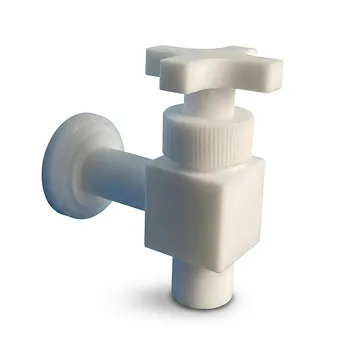
- High Corrosion Resistant PTFE Faucet Polytetrafluoroethylene Valve for Chemical Storage Drums and Fluid Transfer Systems Customizable Industrial Grade
- Custom PTFE Acid Resistant Support Rack Multi Hole PFA Hydrogen Absorption System Bracket
People Also Ask
- Why is PTFE an ideal material choice for sealing gaskets, valves, and fluid transfer tubing exposed to extremely aggressive chemicals? Discover Its Superior Chemical Resistance and Reliability
- How is PTFE utilized in seals and gaskets? Leverage Its Chemical & Temperature Resistance
- What are the key properties of PTFE that make it suitable for seals and gaskets? Unlock Superior Sealing Performance
- How does the sealing performance of PTFE gaskets benefit industrial applications? Ensure Leak-Free Reliability in Harsh Environments
- Why are PTFE gaskets used in the petrochemical industry? For Superior Chemical & Thermal Resistance