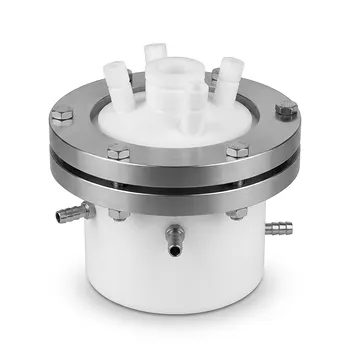
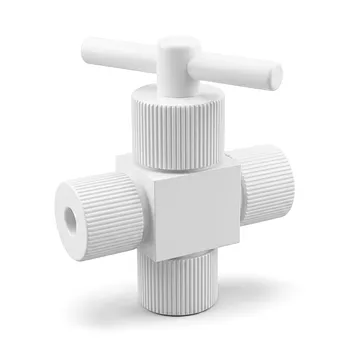
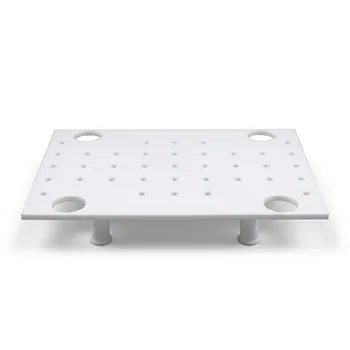
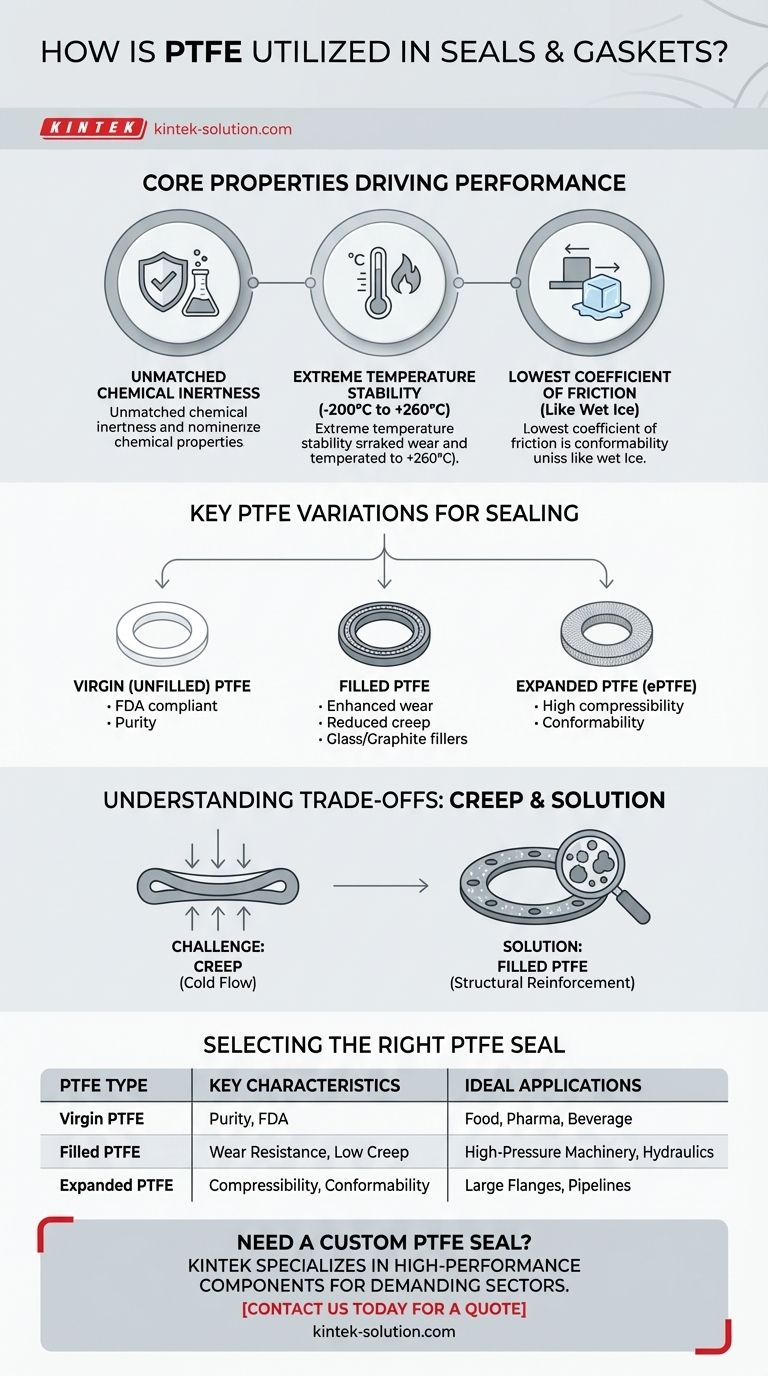
In essence, PTFE is utilized in seals and gaskets due to its unique combination of extreme chemical inertness, a very wide operating temperature range, and an exceptionally low coefficient of friction. This makes it a high-performance solution for demanding industrial environments where other materials would quickly fail, especially in dynamic applications like valve stems and hydraulic pistons where smooth movement is critical.
The true value of PTFE in sealing is not just its impressive inherent properties, but its versatility. By modifying its structure—creating filled or expanded variants—engineers can overcome its natural weaknesses and tailor it to specific, high-stakes applications, from chemical processing to hydraulic systems.
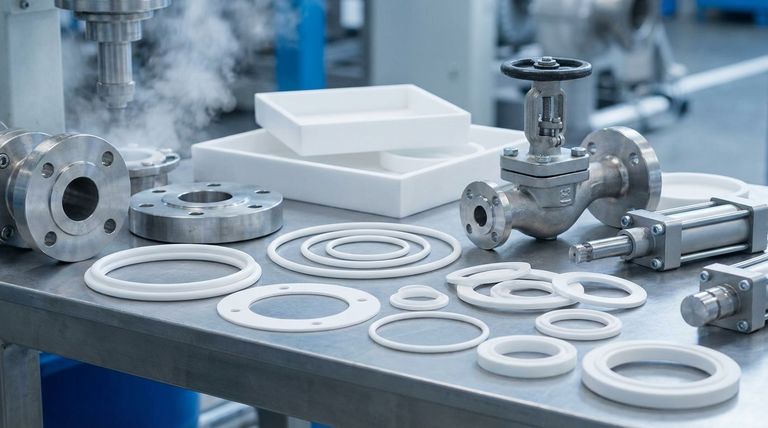
The Core Properties Driving PTFE's Sealing Performance
The selection of a sealing material is a critical engineering decision. PTFE (Polytetrafluoroethylene) is often the definitive choice because its fundamental molecular structure provides a set of properties perfectly suited for creating a durable barrier between components.
Unmatched Chemical Inertness
PTFE is virtually indestructible to most harsh substances. This makes it an essential material for gaskets and seals in chemical processing, pharmaceuticals, and any industry handling aggressive acids, bases, or solvents.
Extreme Temperature Stability
With a service temperature range from -200°C to +260°C (-328°F to +500°F), PTFE seals can function reliably in everything from cryogenic applications to high-heat industrial processes without becoming brittle or degrading.
The Lowest Coefficient of Friction
PTFE has one of the lowest friction values of any solid material, often compared to wet ice on wet ice. This is critical for dynamic seals, such as hydraulic piston rings and valve stem packing, as it ensures smooth movement, reduces wear on moving parts, and lowers energy consumption.
Excellent Conformability
PTFE gaskets can be compressed to conform to surface irregularities. This ability to flow into minor imperfections on flange faces ensures the creation of a tight, leak-proof seal, enhancing equipment safety and reliability.
Key Variations of PTFE for Sealing Applications
The term "PTFE" doesn't refer to a single material but a family of materials. Understanding the different forms is crucial for selecting the right type for a specific sealing challenge.
Virgin (Unfilled) PTFE
This is pure, unmodified PTFE. It is prized for its exceptional chemical resistance and purity, making it a common choice for washers and components in the food, beverage, and medical industries where FDA compliance is necessary.
Filled PTFE
To enhance its mechanical properties, PTFE is often blended with fillers like glass, graphite, or minerals. These additives significantly improve wear resistance and, most importantly, reduce PTFE's natural tendency to creep under load. This makes filled PTFE ideal for more structurally demanding applications.
Expanded PTFE (ePTFE)
ePTFE is a softer, more compressible form of the material. It is exceptionally well-suited for creating gaskets that seal large, damaged, or irregular flange joints, common in pipelines and large hydraulic or pneumatic systems.
Understanding the Trade-offs: Creep and Mechanical Strength
No material is perfect, and objectivity requires acknowledging a material's limitations. PTFE’s primary drawback is directly related to its strengths.
The Challenge of "Creep"
Creep, or cold flow, is the tendency of a material to slowly deform over time when under a constant load or stress. Unfilled PTFE is susceptible to this, particularly at elevated temperatures, which can compromise the integrity of a seal over its lifetime.
How Fillers Provide a Solution
This is precisely why filled PTFE grades were developed. The addition of a filler material acts as a structural reinforcement within the PTFE matrix, dramatically improving its resistance to creep and making it suitable for higher-pressure applications where maintaining gasket stress is critical.
Selecting the Right PTFE for Your Sealing Goal
Your application's specific demands will determine which form of PTFE is the most effective and reliable choice.
- If your primary focus is chemical purity and compliance: Virgin PTFE is the ideal choice for food, beverage, or pharmaceutical applications.
- If your primary focus is mechanical performance and high-pressure loads: Filled PTFE provides the necessary creep resistance and durability for demanding industrial machinery.
- If your primary focus is sealing large or irregular surfaces: Expanded PTFE (ePTFE) offers the best conformability to ensure a tight seal on pipe flanges and equipment housings.
Ultimately, understanding these variations allows you to leverage PTFE's remarkable properties to achieve a reliable and long-lasting seal in nearly any environment.
Summary Table:
| PTFE Type | Key Characteristics | Ideal Applications |
|---|---|---|
| Virgin (Unfilled) PTFE | Exceptional chemical purity, FDA compliance | Food, beverage, pharmaceutical industries |
| Filled PTFE | Enhanced wear resistance, reduced creep | High-pressure industrial machinery, hydraulic systems |
| Expanded PTFE (ePTFE) | High compressibility, superior conformability | Large or irregular flange joints, pipelines |
Need a custom PTFE seal or gasket for your demanding application?
At KINTEK, we specialize in manufacturing high-performance PTFE components—including seals, liners, and labware—for the semiconductor, medical, laboratory, and industrial sectors. Our precision production and custom fabrication services, from prototypes to high-volume orders, ensure you get a solution tailored to your specific chemical, temperature, and mechanical requirements.
Contact us today to discuss your project and get a quote!
Visual Guide
Related Products
- Custom PTFE Insulating Gaskets and Corrosion Resistant Fluoropolymer Seals for Industrial Electrical Applications
- Customizable High Temperature Resistant Anti Static PTFE Insulating Gaskets Flame Retardant Corrosion Proof Industrial Seals
- Custom PTFE Insulating Gaskets Corrosion Resistant Teflon Seals Tailored Engineering Plastic Components
- Customizable PTFE Seals Filter Holders for Versatile Applications
- Custom PTFE Sealing Caps and Corrosion Resistant Low Background Teflon Adapters
People Also Ask
- What is PTFE commonly known as and why is it used for gaskets? | Superior Sealing Solutions
- What are the common design configurations for PTFE-based industrial gaskets? A Guide to ePTFE, Filled, & Hybrid Seals
- What are the different types of PTFE gaskets available? Choose the Right Seal for Your Application
- What are the key properties of PTFE that make it suitable for seals and gaskets? Unlock Superior Sealing Performance
- What are the three primary types of PTFE available for gaskets and seals? Choose the Right Material for Your Application