All Questions
What Is The Purpose Of Comparing Spring Energized Ptfe Seals To Elastomeric Seals? A Guide To Choosing The Right Seal
Learn when to choose a spring-energized PTFE seal over an elastomeric seal for extreme temperatures, harsh chemicals, and high-pressure applications.
How Do Spring Energized Ptfe Seals Compare To Elastomeric Seals In Dynamic Service? Superior Performance In Extreme Conditions
Discover why spring-energized PTFE seals outperform elastomeric seals in high-speed, high-pressure, and extreme temperature dynamic applications.
Why Are Ptfe Seals Chemically Inert And Suitable For Extreme Temperatures? The Science Of Unmatched Stability
Discover how PTFE's unique molecular structure provides superior chemical resistance and a vast temperature range from -260°C to +300°C for demanding applications.
What Are The Key Performance Capabilities Of Spring Energized Ptfe Seals? Conquer Extreme Environments
Discover how spring energized PTFE seals excel in extreme temperatures, high pressure, and harsh chemicals, offering unmatched reliability.
How Do Ptfe Seals Perform In Dynamic And Thermal Cycling Applications? Discover Unmatched Reliability For Demanding Conditions
Learn how spring-energized PTFE seals excel in high-speed, extreme temperature applications with superior wear resistance and a wide operational range.
What Are The Different Spring Load Ratings For Ptfe Seals? Optimize Performance & Lifespan
Learn about light, medium, and heavy load PTFE seal springs. Choose the right rating for your application to balance sealing force, friction, and wear.
What Role Does The Stainless Steel Spring Play In Ptfe Seals? The Engine For Reliable Sealing Performance
Discover how the stainless steel spring in PTFE seals provides constant force for reliable sealing in extreme temperatures, chemicals, and low-pressure applications.
How Does The Spring Energizer Work In Ptfe Seals? Ensure Leak-Free Performance In Extreme Conditions
Learn how a spring energizer overcomes PTFE's lack of elasticity to create a reliable, long-lasting seal for extreme pressure, temperature, and chemical applications.
How Are Ptfe Seals Manufactured And Customized? Precision Cnc Machining For Superior Performance
Discover the two-stage process of PTFE seal manufacturing: from premium resin selection and heat treatment to precision CNC machining for custom sizes and profiles.
What Materials Are Used For Jacket Profiles And Springs In Ptfe Seals? A Guide To Material Selection
Learn about PTFE seal materials: jacket profiles (PTFE, filled PTFE) and spring energizers (stainless steel, Elgiloy, Hastelloy) for optimal performance.
How Is A Spring Energized Ptfe Seal Defined? A High-Performance Solution For Extreme Conditions
Learn how spring energized PTFE seals work, their key components, and when to specify them for extreme temperatures, chemicals, and low friction.
What Are The Three Basic Design Elements Of Ptfe Seals? Unlock Superior Sealing Performance
Discover the three core elements of PTFE seals: the PTFE jacket, energizer spring, and material properties. Learn how they work together for reliable sealing.
What Are The Advantages Of Spring Energized Ptfe Seals? Unmatched Reliability In Extreme Conditions
Discover why spring-energized PTFE seals outperform elastomers in extreme temperatures, high pressure, and harsh chemical environments.
What Are The Differences Between Teflon And Rubber Sealed Bearings? Choose The Right Seal For Speed Or Protection
Teflon seals offer low friction for high speeds, while rubber seals provide superior protection in harsh environments. Learn the key trade-offs.
Why Are Spring-Energized Ptfe Seals Preferred For Medical Equipment? Superior Sterility & Reliability
Discover why spring-energized PTFE seals are critical for medical devices. Learn about their chemical resistance, sterilization durability, and reliable performance.
What Role Do Spring-Energized Ptfe Seals Play In The Automotive Industry? Ensure Reliability In Extreme Conditions
Discover how spring-energized PTFE seals provide durable, high-performance sealing for automotive engines, transmissions, and fuel systems under extreme heat and pressure.
How Do Spring-Energized Ptfe Seals Contribute To Energy Efficiency? Minimize Friction And Reduce Energy Waste
Discover how spring-energized PTFE seals boost energy efficiency by minimizing friction and heat generation in dynamic sealing applications.
What Makes Spring-Energized Ptfe Seals Beneficial For Pharmaceutical And Food Processing Applications? Ensuring Purity And Reliability
Discover how spring-energized PTFE seals provide chemical inertness, non-stick surfaces, and reliable sealing for pharmaceutical and food processing applications.
Why Are Spring-Energized Ptfe Seals Suitable For The Aerospace Industry? Unmatched Reliability In Extreme Conditions
Discover how spring-energized PTFE seals provide leak-proof performance in aerospace, handling extreme temperatures, pressure, and aggressive chemicals.
In Which Industries Are Spring-Energized Ptfe Seals Commonly Used? Critical Applications For Extreme Conditions
Discover the key industries using spring-energized PTFE seals, including aerospace, oil & gas, and medical, for extreme temperature, pressure, and chemical resistance.
How Do Spring-Energized Ptfe Seals Perform In High-Pressure Environments? Unlock Superior Sealing Reliability
Discover how spring-energized PTFE seals leverage system pressure for superior performance in extreme conditions, from high-pressure to chemical resistance.
What Are The Advantages Of Spring-Energized Ptfe Seals? Achieve Superior Sealing In Extreme Conditions
Discover the key benefits of spring-energized PTFE seals: superior chemical resistance, extreme temperature range, low friction, and high-pressure capability.
What Are Spring-Energized Ptfe Seals? The Ultimate Sealing Solution For Extreme Environments
Discover how spring-energized PTFE seals combine PTFE jackets with metal springs for unmatched chemical, temperature, and pressure resistance.
How Does The Self-Lubricating Property Of Ptfe Rotary Shaft Seals Benefit Industrial Applications? Achieve Maintenance-Free, High-Performance Sealing
Discover how PTFE's self-lubricating seals reduce maintenance, cut costs, and ensure reliability in extreme industrial environments.
What Temperature Range Can Ptfe Rotary Shaft Seals Withstand? Operate From -200°C To +260°C
PTFE rotary shaft seals reliably operate from -200°C to +260°C, offering superior thermal stability, chemical inertness, and low friction.
Why Are Ptfe Rotary Shaft Seals Suitable For Food And Beverage Processing? Ensure Purity & Performance
Learn why PTFE seals are ideal for food processing: FDA compliance, chemical inertness, and durability for high-speed, high-hygiene applications.
What Role Do Ptfe Rotary Shaft Seals Play In Aerospace Applications? Ensuring Reliability In Extreme Conditions
Discover how PTFE seals provide critical sealing in aerospace for extreme temperatures, high speeds, and harsh chemicals, enhancing safety and reliability.
How Do Ptfe Rotary Shaft Seals Perform In Chemical Processing Environments? Unmatched Reliability In Corrosive Media
PTFE rotary shaft seals offer superior chemical resistance, high temperature tolerance, and low friction for demanding chemical processing applications.
What Industries Benefit From The Use Of Ptfe Rotary Shaft Seals? Enhance Reliability In Harsh Environments
Discover how PTFE rotary shaft seals provide superior performance in oil & gas, aerospace, chemical processing, and other demanding industries.
How Do Ptfe Rotary Shaft Seals Enhance Machine Longevity? Protect Critical Components From Friction, Heat, And Chemicals
Discover how PTFE rotary shaft seals extend machine life by reducing wear, handling extreme temperatures, and resisting harsh chemicals for superior performance.
What Advantages Do Ptfe Rotary Shaft Seals Offer In High-Speed Applications? Unlock Superior Speed And Reliability
Discover how PTFE seals excel in high-speed applications with low friction, heat resistance up to 232°C, and speeds up to 35 m/s for extended service life.
How Do Ptfe Rotary Shaft Seals Reduce Maintenance Costs? Slash Downtime & Labor Expenses
Learn how PTFE rotary shaft seals cut maintenance costs by extending service life, reducing downtime, and eliminating lubrication needs.
What Are The Key Properties Of Ptfe Rotary Shaft Seals That Make Them Effective In Reducing Maintenance?
Discover how PTFE seals' chemical resistance, self-lubrication, and thermal stability reduce maintenance and extend service life in demanding applications.
What Are The Qualities Of Ptfe Seals? The Key To Reliability In Extreme Conditions
Discover why PTFE seals are the top choice for extreme chemical, temperature, and pressure applications in industries like semiconductor and medical.
How Do Ptfe Bellow Seals Perform With Chemical Reagents? Superior Resistance To Corrosive Chemicals
Learn why PTFE bellow seals offer exceptional chemical resistance to acids, alkalis, and solvents, and understand their key operational limits.
What Is The Friction Coefficient Of Ptfe Bellow Seals? Unlock Peak Performance With Low-Friction Seals
Discover the friction coefficient of PTFE bellow seals, including how pressure, speed, and temperature affect performance for oil-free applications.
How Are Ptfe Bellow Seals Affected By Environmental Factors? Discover Their Exceptional Resilience
Learn how PTFE bellow seals withstand aggressive chemicals, extreme temperatures, high pressures, and maintain purity for demanding applications.
How Do Ptfe Bellow Seals Perform At Low Temperatures? Ensuring Reliability In Cryogenic Applications
Discover why PTFE bellow seals excel in extreme cold, maintaining integrity and flexibility down to -200°C for critical applications like LNG and aerospace.
What Is The Temperature Range For Welded Ptfe Bellow Seals? Unlock Extreme Thermal Performance
Welded PTFE bellow seals operate from -190°C to +260°C, offering reliable performance in cryogenic and high-heat environments.
What Are The Benefits Of Ptfe Mechanical Seals? Superior Chemical & Thermal Performance
Discover the key benefits of PTFE seals: extreme chemical inertness, low friction, wide temperature range, and long-term durability for demanding applications.
What Types Of Media Are Suitable For Ptfe Bellow Mechanical Seals? Sealing The Most Aggressive Chemicals
Discover the corrosive media PTFE Bellow Seals handle, from strong acids to oxidizers, and why they are essential for chemical processing.
What Are The Operating Parameters Of Ptfe Bellow Seals? Optimize Chemical & Purity Performance
Learn the key operating parameters for PTFE bellow seals: temperature, pressure, speed limits, and their unmatched chemical resistance for demanding applications.
What Is The Structure Of Ptfe Bellow Seals? A Guide To Their Chemical-Resistant Design
Learn about the 3-part structure of PTFE bellow seals: the flexible PTFE bellow, seal faces, and multi-spring assembly for superior chemical resistance.
What Industries Commonly Use Ptfe Bellow Mechanical Seals? The Ultimate Guide For Corrosive & Pure Fluid Handling
Discover which industries rely on PTFE bellow seals for chemical resistance and purity in chemical, pharmaceutical, food, and water treatment applications.
What Are The Advantages Of Ptfe As A Sealing Material? Superior Performance In Extreme Conditions
Explore the key advantages of PTFE seals: unmatched chemical resistance, extreme temperature range, low friction, and compliance for demanding industries.
Why Is A Properly Functioning Piston Seal Important? The Key To Cylinder Power And Reliability
Discover why a piston seal is critical for hydraulic & pneumatic cylinders. Learn how it prevents leaks, ensures efficiency, and avoids costly system failures.
What Is The Difference Between Single-Acting And Double-Acting Piston Seals? Choose The Right Seal For Your Hydraulic System
Learn the key differences between single-acting and double-acting piston seals to optimize performance, cost, and design for your hydraulic or pneumatic applications.
What Are The Two Types Of Piston Seals? Single-Acting Vs. Double-Acting Explained
Learn the key differences between single-acting and double-acting piston seals to choose the right seal for your hydraulic or pneumatic system.
How Is A Piston Seal Constructed? A Guide To Dynamic, Pressure-Energized Sealing
Learn how piston seals are built with elastomeric rings, anti-extrusion components, and guide rings to create reliable, pressure-energized barriers.
What Is The Purpose Of A Piston Seal? Ensure Peak Performance In Your Hydraulic & Pneumatic Systems
Learn the critical role of piston seals in preventing internal leakage, maintaining pressure, and ensuring efficient, reliable cylinder operation.
Where Are Piston Seals Mainly Used? Essential For Hydraulic & Pneumatic Systems
Learn the critical role of piston seals in hydraulic and pneumatic cylinders for industries like construction, automation, and aerospace.
What Are The Desirable Properties Of Ptfe As A Sealing Material? Unlock Superior Performance In Extreme Conditions
Discover why PTFE's chemical inertness, extreme temperature range, and low friction make it the premier sealing material for demanding applications.
In Which Systems Are Ptfe Piston Seals Typically Utilized? For High-Pressure Hydraulics & Harsh Environments
Discover why PTFE piston seals are critical for hydraulic, pneumatic, and chemical systems requiring extreme pressure, temperature, and chemical resistance.
What Are The Primary Characteristics Of Ptfe Seals? Unmatched Performance For Extreme Conditions
Explore the key properties of PTFE seals: extreme temperature range, universal chemical resistance, and low friction for demanding industrial applications.
What Are Ptfe Piston Seals Commonly Known As? The Critical Role Of Teflon™ Seals In High-Performance Applications
PTFE piston seals are commonly known as Teflon™ seals. Discover their critical uses in aerospace, medical, and industrial applications.
What Is A Disadvantage Of Ptfe As A Sealing Material, And How Is It Addressed? Mitigate Creep With Energized Seals
Learn how PTFE's tendency to creep under pressure is solved using internal energizers, ensuring reliable sealing in demanding applications.
Why Is Ptfe Considered Cost-Effective For Seals And 'O' Rings? Achieve Long-Term Savings And Reliability
Discover how PTFE seals deliver a low total cost of ownership with superior chemical resistance, thermal stability, and durability, reducing downtime and maintenance costs.
What Is The Key To Mastering Ptfe Lip Seal Selection For Peak Performance? A Guide To System-Level Design
Learn how to select PTFE lip seals by analyzing temperature, pressure, speed, and media to match the right seal and hardware system for peak performance.
Why Is Professional Consultation Recommended For Custom Seal Solutions? Mitigate Risk And Ensure Operational Integrity
Learn why expert consultation for custom PTFE seals is critical for performance in extreme conditions. Avoid costly failures and optimize your system.
How Should Application-Specific Temperature Requirements Be Assessed For Seal Selection? Avoid Failure With A Complete Thermal Profile
Learn to assess the full thermal range for seal selection, from cold start-up to peak operating temperatures, to prevent degradation and ensure reliability.
What Factors Should Be Considered When Selecting A Ptfe Lip Seal? Optimize Your Sealing System For Reliability
Learn the critical factors for selecting PTFE lip seals: temperature, chemical media, pressure, and speed. Ensure optimal performance and longevity.
What Future Advancements Are Expected In Temperature-Resistant Ptfe Seals? Discover Smarter, Tougher Sealing Solutions
Explore the future of PTFE seals with nanotechnology, smart sensors, and 3D printing for extreme temperature and predictive maintenance applications.
How Should Temperature-Related Seal Performance Issues Be Troubleshooted? A Step-By-Step Guide To Thermal Failure
Learn how to diagnose and solve seal failures caused by high or low temperatures. Ensure material compatibility and prevent costly downtime.
What Are The Common Pitfalls In High-Temperature And Low-Temperature Scenarios For Seals? Avoid Costly Seal Failures
Learn how extreme temperatures cause seal failure through softening, brittleness, and degradation. Discover key material selection strategies for reliability.
What Are The Symptoms Of Temperature-Induced Seal Failure? Diagnose Leaks And Prevent Downtime
Learn to identify the key symptoms of seal failure from high or low temperatures, including hardening, cracking, and permanent deformation.
What Are Symptoms Of Temperature-Induced Ptfe Lip Seal Failure? Identify The Cause Of Your Leaks
Learn to diagnose PTFE seal failure from high/low temperatures. Spot hardening, deformation, and brittleness to prevent costly leaks and downtime.
How Can Ptfe Lip Seals Be Enhanced For Extreme Temperature Performance? Optimize With Fillers & Design
Learn how to enhance PTFE lip seals for extreme temperatures using specialized fillers and optimized geometry to ensure reliability from cryogenic to high-heat.
What Are Some Industrial Applications Of Ptfe Lip Seals In Extreme Temperatures? Ensuring Reliability From Cryogenics To High Heat
Explore PTFE lip seal uses in aerospace, cryogenics, chemical processing & more. Learn how they withstand extreme temperatures where other seals fail.
How Do Speed And Pressure Affect Ptfe Lip Seal Temperature? Manage Heat For Optimal Performance
Learn how speed and pressure increase PTFE lip seal temperature via friction and how to balance these factors to prevent failure.
What Design Considerations Are Important For Ptfe Lip Seals In Extreme Temperatures? | Material, Geometry & Energizer
Learn key PTFE lip seal design strategies for extreme temperatures: material formulation, optimized geometry, and energizer force to ensure reliability.
What Factors Influence A Ptfe Seal's Temperature Capabilities? Maximize Performance In High-Heat Applications
Learn how PTFE seal material, geometry, and operating conditions define temperature limits for reliable sealing in demanding environments.
How Does Temperature Affect The Performance Of Ptfe Lip Seals? Ensure Reliability From -95°F To 480°F
Learn how temperature extremes impact PTFE lip seals, from thermal expansion and softening to brittleness and cracking, and how to design for reliability.
What Temperature Range Can Standard Ptfe Lip Seals Typically Withstand? A Guide To Extreme-Temp Performance
Standard PTFE seals operate from -54°C to 232°C. Learn how specialized compounds extend this range from -200°C to 260°C for extreme applications.
What Are The Key Properties Of Ptfe For Lip Seals? Master Sealing In Extreme Conditions
Discover the 4 key PTFE properties—low friction, chemical inertness, extreme temperature range, and high-speed capability—that make it ideal for demanding lip seal applications.
Why Might Friction Or Seal Wear Increase Over Time Under Stable Conditions? Uncover The Hidden Causes
Learn why seal wear increases despite stable conditions. Discover the roles of heat buildup, shaft hardening, and abrasive fillers in accelerating wear.
What Are The Benefits Of Different Spring Types Used In Ptfe Seals? Optimize Sealing Performance & Lifespan
Learn how cantilever, canted coil, and other spring energizers in PTFE seals balance sealing force, friction, and wear for your application.
Does Carbon Fiber-Filled Ptfe Damage Shafts? Ensure Longevity With Proper Material Pairing
Learn how to prevent shaft damage with carbon fiber-filled PTFE by specifying the correct shaft hardness (≥60 HRC) for durable, high-performance rotary systems.
What Is The Best Ptfe Material For Cryogenic Gas Applications? Mptfe Ensures Leak-Proof Sealing
Discover why Modified PTFE (mPTFE) is the superior choice for cryogenic gas applications, offering superior gas impermeability and flexibility.
Does Modified Ptfe (Mptfe) Always Outperform Regular Ptfe In Seal Performance? Make The Right Material Choice
Learn when to choose mPTFE vs. standard PTFE for seals. Understand the trade-offs in performance, cost, and application requirements.
What Is The Smallest Size Ptfe Seal That Can Be Manufactured? Achieve Micro-Scale Sealing For Your Precision Designs
Discover the limits of PTFE seal miniaturization, from 1/16 inch spring-energized seals to manufacturing capabilities for micro-scale applications.
Do Ptfe Backups Provide Chemical Resistance To Rubber O-Rings? The Surprising Truth About Seal Protection
Learn why PTFE backup rings are for mechanical support, not chemical protection. Ensure your O-ring material is chemically compatible to prevent seal failure.
Why Is Ptfe Used As A Coating On Nitrile Seals? Enhance Performance With A Low-Friction Surface
Discover how a PTFE coating on nitrile seals reduces friction, improves chemical resistance, and prevents stick-slip in demanding applications.
What Is The Shelf Life Of Ptfe Seals? Achieve Long-Term Reliability With Chemically Inert Seals
Discover why PTFE seals have an unlimited shelf life due to their chemical inertness and thermal stability, and learn best practices for storage.
What Are The Key Benefits Of Ptfe Oil Seals? Superior Performance In Extreme Conditions
Discover the core advantages of PTFE oil seals, including unmatched chemical resistance, extreme temperature tolerance, and low-friction operation.
What Are Ptfe Oil Seals And What Makes Them Unique? Superior Sealing For Extreme Conditions
Discover the unique properties of PTFE oil seals, including extreme temperature stability, unmatched chemical resistance, and low-friction performance.
What Is A Lip Seal And How Does It Function? A Guide To Reliable Shaft Sealing
Learn how lip seals prevent fluid leaks and block contaminants using a hydrodynamic film for reliable, low-friction sealing in rotating equipment.
What Are Some Applications Of Ptfe Seals? Discover Their Critical Role In Demanding Industries
Explore the key applications of PTFE seals across aerospace, automotive, chemical, medical, and industrial sectors. Learn why PTFE is chosen for its unique properties.
What Are Some Common Fillers Used In Ptfe Seal Materials? Enhance Performance For Your Application
Discover the essential fillers like glass, carbon, and stainless steel that boost PTFE seal performance in demanding industrial applications.
What Are Ptfe Seals Commonly Known As? Discover Teflon® Seals For Extreme Performance
PTFE seals are commonly known as Teflon® seals. Learn how their chemical inertness, temperature resistance, and low friction solve tough sealing challenges.
How Does Mechanical Stress Influence The Choice Of Ptfe Packing? Select The Right Construction For Dynamic Seals
Learn how to choose PTFE packing (braided, chevron) based on mechanical stress, vibration, and pressure to ensure a durable, reliable seal in demanding applications.
Why Are Pressure Conditions Important When Choosing Ptfe Packing? Ensure A Reliable Seal For Your System
Learn how pressure dictates PTFE packing selection to prevent leaks and equipment failure. Evaluate static, dynamic forces, and reinforcement needs.
What Role Does Chemical Exposure Play In Selecting Ptfe Packing? The Ultimate Guide To Material Compatibility
Learn how chemical exposure dictates PTFE packing selection. Ensure material compatibility, prevent seal failure, and balance temperature, pressure, and mechanical stress.
How Does Temperature Range Affect The Selection Of Ptfe Packing? Choose The Right Material For Your Application
Learn how temperature extremes impact PTFE packing performance and how to select the correct variant (standard, RPTFE, or stainless steel-filled) for your needs.
What Factors Should Be Considered When Selecting Ptfe Packing? A Guide To Optimal Sealing Performance
Learn the 5 key factors for selecting PTFE packing: chemical compatibility, temperature, pressure, mechanical stress, and equipment fit.
Why Is Selecting The Right Ptfe Packing Important? Ensure Reliable Sealing & Prevent Costly Failures
Learn why choosing the correct PTFE packing is critical for chemical resistance, thermal stability, and mechanical performance in demanding applications.
What Are The Applications Of Ptfe Chevron Packing In The Aerospace Industry? Ensure Reliability In Extreme Conditions
Explore how PTFE chevron packing provides critical sealing for aerospace hydraulic systems, actuators, and valves under extreme pressure and temperature.
How Does Ptfe Chevron Packing Accommodate Pressure Changes? Achieve A Self-Adjusting, Reliable Seal
Learn how PTFE chevron packing's V-ring design uses system pressure to automatically adjust sealing force, ensuring leak-free performance in dynamic applications.
What Are The Temperature Limits For Ptfe Packing Performance? Withstand -200°C To 260°C For Reliable Sealing
Learn the full operational temperature range of PTFE packing, from -200°C to 260°C, and why it excels in extreme thermal and chemical environments.
How Does Ptfe Packing Contribute To Equipment Efficiency And Maintenance? Boost Performance & Reduce Downtime
Discover how PTFE packing's low friction, chemical resistance, and conformability enhance equipment efficiency, extend component life, and cut maintenance costs.
Why Is Ptfe Packing Preferred In The Food And Pharmaceutical Industries? Ensure Purity And Compliance
Discover why chemically inert, non-toxic PTFE packing is essential for maintaining product purity and meeting strict FDA standards in sensitive industries.
Related Products
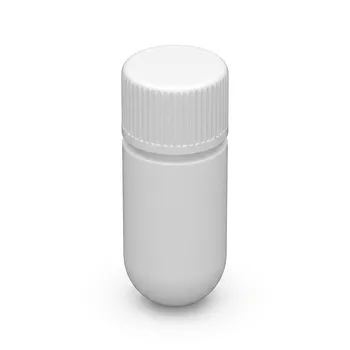
PTFE Centrifuge Tube 1.5ml U Bottom Corrosion Resistant Screw Seal Custom High Purity Labware

High Temperature Chemical Resistant 50ml PTFE Syringe Customized Teflon Injector with Threaded Seal for Trace Analysis
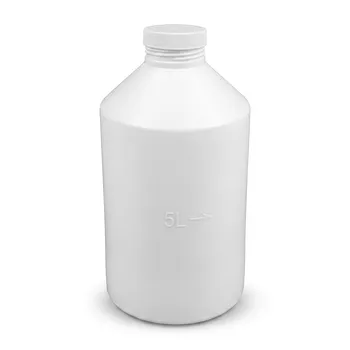
Large Capacity 5L PTFE Storage Tank and Custom Reagent Bottle Corrosion Resistant Leakproof Screw Seal Laboratory Container with PTFE Cap

PTFE Deep Evaporating Dishes Customizable Laboratory and Industrial Solutions
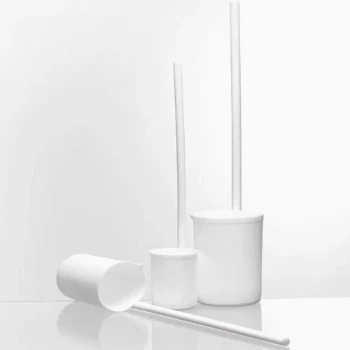
PTFE Chemical Solvent Sampling Spoon