All Questions
Why Is Ptfe Packing Preferred In The Food And Pharmaceutical Industries? Ensure Purity And Compliance
Discover why chemically inert, non-toxic PTFE packing is essential for maintaining product purity and meeting strict FDA standards in sensitive industries.
What Makes Ptfe Graphite Packing Suitable For High-Temperature Applications? Superior Heat Management For Demanding Seals
Discover how PTFE graphite packing combines PTFE's chemical resistance with graphite's thermal conductivity to excel in high-temperature, high-pressure sealing applications.
How Does Ptfe Gland Packing Differ From Other Ptfe Packing Types? Discover The Right Sealing Solution
Learn the key differences between pure PTFE gland packing and PTFE-impregnated or coated types for optimal chemical resistance and performance.
What Industrial Applications Commonly Use Ptfe Packing? Essential Sealing Solutions For Demanding Industries
Discover the key industrial applications for PTFE packing, including chemical processing, food & beverage, pharmaceutical, and petrochemical sectors.
What Are The Key Advantages Of Using Ptfe Packing? Superior Sealing For Demanding Applications
Discover the key advantages of PTFE packing: unmatched chemical resistance, low friction, and thermal stability for reliable sealing in harsh environments.
What Are The Different Types Of Ptfe Packing Available? Choose The Right Seal For Your Application
Learn about pure PTFE, PTFE/graphite, PTFE/aramid, and Chevron packing types to select the best seal for temperature, pressure, and chemical resistance.
What Is Ptfe Packing And What Are Its Primary Characteristics? Master Sealing For Extreme Conditions
Discover PTFE packing's key traits: extreme chemical resistance, low friction, and wide temperature range for demanding industrial sealing.
Where Are Ptfe Valve Seat Rings Commonly Used? Ensuring Purity And Reliability In Critical Processes
Discover the key industries & applications for PTFE valve seat rings, from chemical processing to pharmaceuticals, ensuring chemical resistance and purity.
What Advantages Do Ptfe Valve Seat Rings Offer? Achieve Superior Sealing In Demanding Environments
Discover PTFE valve seat advantages: low friction, chemical inertness, and wide temperature range for reliable, low-maintenance sealing.
What Are Ptfe Valve Seat Rings Used For? Achieve A Leak-Proof Seal In Demanding Applications
Discover the critical role of PTFE valve seat rings in creating reliable seals for chemical, pharmaceutical, and industrial valves handling aggressive media.
In Which Industries Are Ptfe O-Rings Used? Essential Seals For Extreme Conditions
PTFE O-rings are critical in chemical, pharmaceutical, food & beverage, automotive, and aerospace industries for superior chemical resistance and purity.
What Advantages Do Ptfe O-Rings Offer? Superior Sealing For Extreme Chemical & Thermal Environments
Discover the key benefits of PTFE O-rings, including unmatched chemical resistance, extreme temperature stability, and low friction for demanding applications.
Why Are Ptfe O-Rings Preferred For Sealing Systems? Superior Chemical & Thermal Resistance
Discover why PTFE O-rings excel in extreme chemical and thermal environments, offering unmatched inertness and low friction for demanding applications.
Where Are Ptfe V-Rings Commonly Applied? Sealing Solutions For Harsh Industrial Environments
Discover the key applications of PTFE V-rings in hydraulic systems, industrial valves, and chemical processing for superior chemical and temperature resistance.
What Are The Key Benefits Of Ptfe V-Rings? Achieve Superior Sealing In Extreme Conditions
Discover the core advantages of PTFE V-rings: unmatched chemical resistance, extreme temperature stability, low friction, and superior high-pressure sealing.
What Makes Ptfe V-Rings Suitable For Sealing Applications? Superior Performance In Extreme Conditions
Learn how PTFE V-rings combine chemical inertness, thermal stability, and a pressure-energized design for reliable sealing in harsh environments.
How Can Counter Rotation Failure Be Avoided In Rotary Seals? Prevent Costly Seal Failure And Downtime
Learn how to prevent rotary seal counter rotation failure by enhancing static grip and managing shaft friction to ensure reliable sealing performance.
What Is Counter Rotation In Rotary Seals And Why Is It Problematic? Prevent Catastrophic Seal Failure
Learn how counter rotation in rotary seals causes rapid failure and how to prevent it with proper design and material selection.
What Is The Recommended Pv Limit For Ptfe Seal Lips? Ensure Long-Term Reliability In Your Sealing System
Learn the critical 150,000 PV limit for PTFE seals to prevent premature failure from frictional heat in high-pressure, high-speed applications.
How Does A Stretched Ptfe Lip Rotary Shaft Seal Work? A Low-Friction, Springless Sealing Solution
Learn how a stretched PTFE lip seal uses material shape memory for low-friction, reliable sealing in rotary shaft applications.
How Does A Labyrinth Ptfe Seal Work? Achieve Frictionless, Long-Term Reliability
Discover how a Labyrinth PTFE seal uses a non-contact, tortuous path to manage lubricants and block contaminants without wear or heat.
What Are Labyrinth Ptfe Seals And Bearing Isolators? Zero-Friction Sealing For High-Speed Equipment
Discover how non-contacting labyrinth PTFE seals and bearing isolators eliminate friction, prevent wear, and extend equipment life in demanding applications.
What Is The Ring And Energizer Ptfe Seal Design? A Guide To Low-Friction Bi-Directional Sealing
Learn how the Ring and Energizer PTFE seal design uses a PTFE ring and O-ring for reliable, low-friction, bi-directional rotary sealing in various applications.
How Do Spring Energized Ptfe Seals Provide Consistent Sealing Force? A Reliable Solution For Demanding Applications
Discover how spring energized PTFE seals use a metal spring and PTFE jacket to deliver reliable, long-lasting sealing in extreme conditions.
What Are The Different Types Of Ptfe Seals Available? Find The Right Seal For Static Or Dynamic Applications
Explore static and dynamic PTFE seal types, including gaskets, lip seals, piston seals, and spring-energized designs for demanding conditions.
How Do Spring Energized Ptfe Seals Differ From Other Radial Seals? Superior Performance In Extreme Conditions
Discover how spring-energized PTFE seals outperform other radial seals in extreme temperatures, high pressures, and aggressive chemical environments.
What Are The Conditions That Necessitate The Use Of Ptfe Rotary Seals? Achieve Peak Performance In Extreme Environments
Learn when to specify PTFE rotary seals for extreme temperatures, high speeds, aggressive chemicals, and high-pressure applications.
What Is Ptfe And How Does It Compare To Elastomer Rotary Seals? Unlock Superior Sealing Performance
Explore the key differences between PTFE and elastomer seals for speed, temperature, pressure, and chemical resistance in demanding applications.
What Material Are Typical Rotary Seals Made Of And What Are Their Limitations? Choose The Right Seal For Your Application
Explore rotary seal materials: soft elastomers for low-stress use vs. durable PTFE composites for high-performance, demanding environments.
How Does Teflon Gland Packing Compare To Alternatives? Choose The Right Material For Your Seals
Compare Teflon (PTFE), graphite, and aramid gland packing. Learn which material excels in chemical resistance, high-temp, or abrasive applications.
How Should Teflon Gland Packing Be Maintained? A Guide To Preventing Leaks And Extending Lifespan
Learn to maintain Teflon gland packing, troubleshoot common issues like leaks and wear, and ensure proper installation for optimal performance.
What Are The Best Practices For Installing Teflon Gland Packing? Ensure A Reliable, Long-Lasting Seal
Learn the step-by-step process for installing Teflon gland packing, from cleaning the stuffing box to the critical break-in period, to prevent leaks and equipment damage.
What Factors Should Be Considered When Selecting Teflon Gland Packing For Equipment? Ensure Long-Term Sealing Performance
Learn the key factors for selecting Teflon gland packing, including chemical compatibility, temperature/pressure limits, and equipment type for reliable seals.
What Industries Commonly Use Teflon Gland Packing And Why? Unlock Superior Sealing Performance
Discover why chemical, food & pharma, and oil & gas industries rely on Teflon gland packing for chemical resistance, purity, and durability.
What Are The Different Types Of Teflon Gland Packing Available? Select The Right Ptfe Seal For Your Application
Compare Pure PTFE, Graphite-Impregnated, PTFE/Aramid, and ePTFE gland packing types to solve sealing challenges in chemical, high-temperature, and high-pressure systems.
What Are The Main Advantages Of Using Teflon Gland Packing? Achieve Superior Sealing And Lower Costs
Discover the key benefits of Teflon (PTFE) gland packing: unmatched chemical resistance, extreme temperature stability, and low friction for reduced wear.
How Is Teflon Gland Packing Manufactured? A Guide To Durable, Custom Seals
Learn the multi-stage process of manufacturing Teflon gland packing, from PTFE synthesis to braiding and quality control for industrial seals.
What Are The Key Properties Of Ptfe That Benefit Gland Packing? Achieve Superior Sealing Performance
Discover how PTFE's chemical resistance, low friction, and thermal stability make it the ideal material for durable, high-performance gland packing.
What Makes Teflon Gland Packing Superior To Other Types? Unmatched Chemical Resistance & Low Friction
Discover why Teflon (PTFE) gland packing excels in chemical resistance, thermal stability, and low friction for demanding industrial sealing applications.
How Have Gland Packing Materials Evolved Over Time? From Natural Fibers To High-Performance Synthetics
Explore the evolution of gland packing from natural fibers to advanced PTFE, aramid, and graphite materials for superior sealing in demanding industrial applications.
How Does Gland Packing Function In Sealing Systems? Achieve Reliable, Controlled Sealing
Learn how gland packing seals by converting axial force into radial pressure, creating a controlled leak for cooling and lubrication in pumps and valves.
What Are The Key Roles Of Gland Packing In Industrial Applications? Achieve Robust, Controllable Sealing
Discover the primary functions of gland packing: sealing moving shafts, preventing leaks, protecting bearings, and tolerating harsh industrial conditions.
What Is Teflon Gland Packing And Why Is It Important? Ensure Leak-Free Sealing In Harsh Conditions
Discover the critical role of Teflon (PTFE) gland packing in industrial sealing systems, offering unmatched chemical resistance and low friction for reliability.
What Happens When Using A Soft Rotary Shaft With Ptfe Seals? Avoid Premature Wear And System Failure
Learn why pairing PTFE seals with a soft rotary shaft causes abrasion, leaks, and failure. Discover the critical role of shaft hardness for reliable sealing.
What Are The Advantages Of Ptfe Rotary Shaft Lip Seals? Superior Performance In Extreme Conditions
Discover the key benefits of PTFE seals: low friction, extreme temperature range, chemical inertness, and high-speed capability for demanding applications.
What Material Is Ideal For Rotary Shaft Lip Seals And Why? Ptfe Offers Superior Performance
Discover why PTFE is the top material for rotary shaft seals, offering low friction, chemical resistance, and high-temperature durability for demanding applications.
What Makes Ptfe A Common Choice For Rotary Shaft Applications? Unlock Superior Performance & Reliability
Discover why PTFE's low friction, high thermal stability, and chemical inertness make it ideal for demanding rotary shaft seals, bushings, and bearings.
What Are The Common Fillers Used With Ptfe For Rotary Shaft Seals? Optimize Seal Performance & Lifespan
Explore common PTFE seal fillers like glass, carbon, graphite, and MoS2. Learn how each enhances wear, strength, and thermal conductivity for your application.
What Are The Limitations Of Virgin Ptfe For Rotary Shaft Seals? Overcome Weakness With Filled Compounds
Learn the key weaknesses of virgin PTFE seals like poor wear resistance and cold flow, and discover how filled PTFE compounds solve these issues.
What Are The Benefits Of Virgin Ptfe In Rotary Shaft Seals? Achieve Unmatched Reliability In Demanding Applications
Discover the key advantages of virgin PTFE seals for high-speed, high-temperature, and chemically aggressive rotary applications.
Why Is Filled-Ptfe Often Chosen For Rotary Shaft Seal Lips? For Unmatched Performance In Extreme Conditions
Discover why filled-PTFE seals excel in high-speed, high-pressure, and aggressive chemical environments where other seals fail. Learn about their key advantages.
What Are The Main Applications Of Rotary Shaft Seals? From Automotive To Pharma, Ensure Zero Leaks
Explore the critical uses of rotary shaft seals in automotive, aerospace, chemical, and food industries for preventing leaks and contamination.
What Types Of Ptfe Seals Are Used In The Medical Field? From O-Rings To Spring-Energized Seals
Explore the key PTFE seal types for medical devices, including spring-energized, static, and rotary seals, and their critical role in biocompatibility and reliability.
Why Are Ptfe Seals Preferred In Press Machinery In The Pharmaceutical Industry? Ensuring Purity And Performance
Discover why PTFE seals are the top choice for pharmaceutical presses, offering chemical inertness, low friction, and FDA compliance for product safety.
How Do Filler Materials Affect Ptfe Seal Properties? Enhance Performance For Demanding Applications
Learn how fillers like glass, carbon, and bronze improve PTFE seal wear resistance, creep resistance, and stability for industrial use.
What Are The Main Types Of Spring-Energized Ptfe Seals? A Guide To Sealing Force & Friction
Learn the 4 main types of spring-energized PTFE seals: finger, coil, double coil, and O-ring. Select the right one for your application's sealing force and friction needs.
What Are Spring-Energized Ptfe Seals And How Do They Work? Achieve Leak-Proof Reliability In Extreme Conditions
Discover how spring-energized PTFE seals combine a PTFE jacket with a metal spring for superior sealing in extreme temperatures, high pressure, and corrosive environments.
What Is Pv Value And Why Is It Important For Ptfe Seals? Prevent Premature Seal Failure
Learn how PV value (Pressure x Velocity) determines PTFE seal performance and prevents failure by managing frictional heat in dynamic applications.
Why Is Hardness Important For Mating Parts In Ptfe Seals? Extend Seal Life And Prevent Failure
Learn why surface hardness is critical for PTFE seal mating parts to prevent chemical adhesion and abrasive wear, ensuring long-term reliability.
How Does Surface Finish Affect Ptfe Seal Performance? Maximize Lifespan And Prevent Leaks
Learn how surface roughness impacts PTFE seal wear and leakage. A smoother finish can double seal life and ensure gas-tight performance.
Why Is Understanding Material Limits Important When Choosing Ptfe Seals? Avoid Premature Failure
Learn how to select the right PTFE seal by matching material properties like temperature, pressure, and wear resistance to your application demands.
Which Type Of Oil Seal Is Better For Extreme Temperature And Chemical Environments? The Definitive Guide To Ptfe Seals
Discover why PTFE oil seals are superior for extreme heat, cold, and chemical exposure. Learn about their two-part design for ultimate reliability.
What Factors Should Be Considered When Choosing Between Ptfe And Nbr Oil Seals? Select The Right Seal For Your Application
Compare PTFE vs. NBR oil seals on temperature, chemical resistance, lubrication, and cost. Make the right choice for your operating conditions.
How Do Ptfe And Nbr Oil Seals Compare In Terms Of Cost? Balancing Initial Price Vs. Long-Term Value
Explore the cost differences between PTFE and NBR oil seals. Learn why NBR is cheaper upfront, but PTFE offers superior value in extreme conditions.
How Do Ptfe And Nbr Oil Seals Compare In Terms Of Dry Running Capability? The Ultimate Guide For Reliability
PTFE seals excel in dry running; NBR fails without lubrication. Learn key differences in temperature, speed, and chemical resistance for your application.
How Do Ptfe And Nbr Oil Seals Compare In Terms Of Flexibility And Installation? Choose The Right Seal For Your Application
Compare PTFE vs. NBR oil seals: flexibility, installation ease, temperature range, and chemical resistance for industrial and lab applications.
How Do Ptfe And Nbr Oil Seals Compare In Terms Of Friction And Wear? Choose The Right Seal For Your Application
Compare PTFE vs. NBR oil seals: friction, wear resistance, cost, and ideal applications. Make an informed choice for your sealing needs.
How Do Ptfe And Nbr Oil Seals Compare In Terms Of Chemical Resistance? A Guide To Superior Seal Performance
PTFE seals offer near-universal chemical resistance, while NBR is cost-effective for standard oils. Learn which is right for your application.
How Do Ptfe And Nbr Oil Seals Compare In Terms Of Temperature Resistance? Choose The Right Seal For Extreme Heat
PTFE seals handle up to 260°C, while NBR is limited to 120°C. Learn the key differences in temperature, chemical resistance, and cost for your application.
What Are The Common Applications Of Ptfe Oil Seals? Master Sealing In Extreme Conditions
Explore common PTFE oil seal uses in automotive, aerospace, chemical, and food processing industries for extreme heat, chemical, and speed resistance.
What Are The Key Properties Of Ptfe Oil Seals? Superior Performance For Extreme Environments
Discover the key properties of PTFE oil seals: extreme temperature resistance, chemical inertness, low friction, and dry running capability for demanding applications.
What Are The Primary Materials Used For Oil Seals? Nbr Vs. Ptfe For Your Application
Compare NBR and PTFE oil seal materials for temperature, speed, and chemical resistance. Choose the right seal for your equipment's reliability.
What Factors Should Be Considered When Selecting Ptfe Seals? Ensure Perfect Sealing For Your Critical Applications
Learn the 4 key factors for selecting PTFE seals: material, design, operating conditions, and hardware interface. Avoid failures and ensure reliability.
What Are The Steps For Installing Ptfe Seals? A Guide To Leak-Free, Long-Lasting Performance
Learn the 5 essential steps for installing PTFE seals correctly to prevent leaks and ensure reliability in demanding applications.
What Is The Production Process For Ptfe Seals? From Raw Ptfe To Precision Sealing Components
Learn the multi-stage PTFE seal production process, from resin selection and sintering to precision CNC machining and final quality control.
What Are The Advantages Of Ptfe Seals? Superior Performance In Extreme Chemical And Thermal Environments
Discover the key advantages of PTFE seals: exceptional chemical resistance, wide temperature range, low friction, and high durability for demanding applications.
What Industries Commonly Use Ptfe Seals? The Ultimate Guide For High-Performance Applications
Discover why aerospace, medical, oil & gas, and other industries rely on PTFE seals for chemical resistance, extreme temperatures, and purity.
What Are The Different Types Of Ptfe Seals And Their Applications? Match The Right Seal To Your Application
Learn about PTFE seal types—from static gaskets to dynamic spring-energized seals—and how to select the right one for your industry needs.
What Are Ptfe Seals And What Makes Them Exceptional? Unmatched Performance In Extreme Conditions
Discover the key benefits of PTFE seals: extreme chemical resistance, wide temperature tolerance, low friction, and high pressure resistance for demanding applications.
What Are Ptfe O-Rings And Their Properties? A Guide To High-Performance Sealing
Explore PTFE O-ring properties: extreme chemical resistance, a wide temperature range (-200°C to +260°C), and low friction for demanding applications.
What Overall Benefits Does The Built-In Spring Provide To Ptfe Shaft Seals? The Key To Dynamic, Long-Lasting Sealing
Discover how the built-in spring in PTFE shaft seals ensures continuous contact, compensates for wear, and maintains performance in demanding conditions.
How Does The Built-In Spring Help Ptfe Shaft Seals Adapt To Varying Conditions? Ensure A Reliable, Long-Lasting Seal
Discover how the built-in spring in PTFE shaft seals compensates for wear, temperature changes, and misalignment to maintain a perfect seal.
How Does The Built-In Spring Compensate For Wear In Ptfe Shaft Seals? Ensure Long-Term Sealing Reliability
Learn how a spring-energized PTFE seal automatically compensates for wear to maintain a leak-tight seal under varying pressures and harsh conditions.
What Is The Purpose Of The Built-In Spring In Ptfe Shaft Seals? To Ensure A Reliable, Long-Lasting Seal
Discover how the spring in PTFE seals provides constant force for reliable sealing, compensates for wear, and adapts to temperature changes.
What Is The Advantage Of Ptfe's Self-Lubricating Properties In Shaft Seals? Achieve Reliable, Maintenance-Free Performance
Discover how PTFE's self-lubricating properties in shaft seals reduce friction, extend lifespan, and enable dry running in demanding applications.
How Does Ptfe's Flexibility Contribute To Sealing Performance? Creating A Superior, Reliable Barrier
Discover how PTFE's unique flexibility enables it to conform to surface imperfections and maintain a reliable seal under pressure, motion, and extreme temperatures.
What Are The Benefits Of Ptfe's Low Friction Coefficient In Shaft Seals? Boost Efficiency & Extend Equipment Life
Discover how PTFE's low friction coefficient in shaft seals reduces wear, lowers energy consumption, and extends service life for industrial equipment.
How Does Ptfe's High-Temperature Tolerance Benefit Shaft Seals? Ensure Reliability In Extreme Heat
Learn how PTFE seals withstand temperatures up to 260°C (500°F) to prevent leaks and extend equipment life in demanding industrial applications.
Why Is Ptfe's Chemical Resistance Significant For Shaft Seals? Ensuring Leak-Free Performance In Harsh Environments
Discover how PTFE's inertness to acids, solvents, and corrosive chemicals prevents seal degradation, ensuring reliability and longevity in demanding applications.
What Are The Key Advantages Of Ptfe Shaft Seals? Superior Performance In Extreme Conditions
Discover the key benefits of PTFE shaft seals: exceptional chemical resistance, high-temperature tolerance up to 260°C, and low friction for demanding applications.
How Do Custom Teflon Rotary Shaft Seals Contribute To Operational Efficiency? Maximize Reliability & Cut Costs
Learn how custom PTFE rotary shaft seals reduce downtime and maintenance costs with superior chemical resistance, low friction, and extended lifespan.
What Industries Benefit From The Use Of Custom Teflon Rotary Shaft Seals? Enhance Reliability In Demanding Applications
Discover how custom PTFE rotary shaft seals provide superior performance in aerospace, chemical, medical, and other industries with extreme conditions.
What Customization Options Are Available For Teflon Rotary Shaft Seals? Tailor For Performance & Reliability
Learn how to customize Teflon rotary shaft seals with specific materials, lip designs, and springs for your application's speed, chemical, and temperature needs.
What Are The Key Advantages Of Ptfe-Jacketed Spring Energized Seals? Unlock Unmatched Sealing Performance
Discover how PTFE-jacketed spring energized seals deliver extreme chemical, temperature, and pressure resistance with low friction and long life.
How Does The Flexibility Of The Lip Design In Teflon Rotary Shaft Seals Enhance Performance? Boost Reliability & Extend Equipment Life
Learn how flexible PTFE rotary seal lips compensate for shaft runout and misalignment to prevent leaks, reduce wear, and lower maintenance costs.
Where Are Ptfe Energized Seals Used In Oil And Gas Operations? Essential Sealing Solutions For Harsh Environments
Discover the critical applications of PTFE energized seals in oil and gas, from subsea systems to high-pressure valves, ensuring leak-tight performance.
What Temperature Range Can Custom Teflon Rotary Shaft Seals Withstand? Master Extreme Heat & Cryogenic Cold
Custom PTFE seals operate from -200°C to +260°C. Learn how material selection & design ensure performance in extreme environments.
How Do Ptfe-Jacketed Energized Seals Perform In Oil And Gas Environments? Ensure Reliability In Extreme Conditions
Discover why PTFE-jacketed energized seals are ideal for oil and gas, offering superior chemical resistance, extreme temperature tolerance, and high-pressure performance.
What Is The Significance Of The Low Friction Coefficient In Ptfe Rotary Shaft Seals? Achieve Higher Speeds, Less Wear, And Lower Costs
Discover how the low friction of PTFE seals enables high-speed, high-pressure operation, reduces energy consumption, and extends equipment life in demanding industries.
What Challenges Do Elastomeric Seals Face In Oil And Gas Operations? Ensuring Reliability Under Extreme Conditions
Explore the key challenges for elastomeric seals in oil & gas: extreme temperatures, high pressure, and corrosive media. Learn how to select the right seal.
Related Products
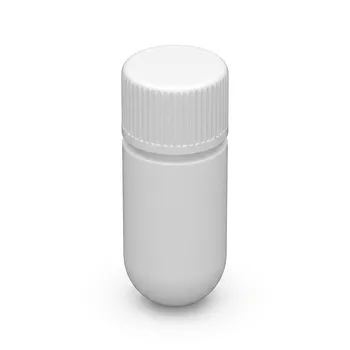
PTFE Centrifuge Tube 1.5ml U Bottom Corrosion Resistant Screw Seal Custom High Purity Labware

High Temperature Chemical Resistant 50ml PTFE Syringe Customized Teflon Injector with Threaded Seal for Trace Analysis
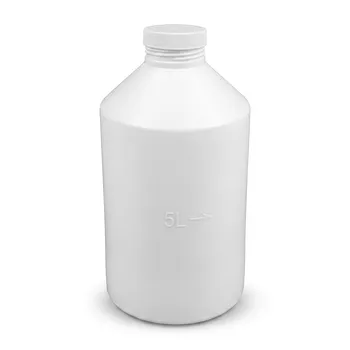
Large Capacity 5L PTFE Storage Tank and Custom Reagent Bottle Corrosion Resistant Leakproof Screw Seal Laboratory Container with PTFE Cap

PTFE Deep Evaporating Dishes Customizable Laboratory and Industrial Solutions
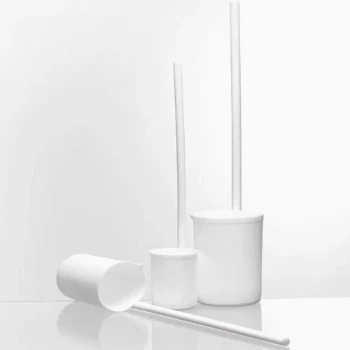
PTFE Chemical Solvent Sampling Spoon