All Questions
How Does The Chemical Resistance Of Custom Teflon Rotary Shaft Seals Benefit Industrial Applications? Ensure Unmatched Reliability In Harsh Environments
Discover how custom PTFE seals' chemical inertness and thermal stability prevent failure in corrosive, high-temperature, and high-speed industrial applications.
What Are Some Medical Applications Of Ptfe Energized Seals? Ensuring Reliability And Purity In Medical Devices
Explore the critical uses of PTFE energized seals in medical devices, surgical tools, and pharmaceutical manufacturing for superior performance and safety.
What Are The Key Advantages Of Ptfe In Rotary Shaft Seals? Superior Performance In Extreme Conditions
Discover the key advantages of PTFE seals: low friction, chemical resistance, and temperature stability for demanding industrial applications.
Why Is Ptfe A Preferred Material For Medical Device Seals? Ensuring Safety, Reliability, And Performance
Discover why PTFE is the top choice for medical seals, offering superior biocompatibility, chemical resistance, and durability for critical applications.
What Material Are Custom Teflon Rotary Shaft Seals Made From? Ptfe For Extreme Performance
Custom Teflon rotary shaft seals are made from PTFE, offering superior chemical resistance, extreme temperature tolerance, and low friction.
What Requirements Must Energized-Seal Jacket Materials Meet For Medical Devices? A Guide To Sterilizability, Biocompatibility & Strength
Learn the 3 critical requirements for medical device seal jackets: USP Class VI biocompatibility, full sterilizability, and robust mechanical integrity.
Why Are Custom Teflon Rotary Shaft Seals Preferred For Demanding Applications? Achieve Superior Reliability In Extreme Conditions
Discover why custom PTFE (Teflon) rotary shaft seals excel in extreme heat, chemicals, and high speeds, offering unmatched durability over standard elastomeric seals.
Where Are Ptfe Energized Seals Typically Used In Cryogenic Applications? Critical Seals For Lng & Aerospace
Discover where PTFE energized seals are used in cryogenics, including LNG transport and aerospace, for reliable sealing at temperatures down to -200°C.
What Properties Make Ptfe Energized Seals Suitable For Cryogenic Applications? Reliable Sealing At Ultra-Low Temperatures
Explore how PTFE energized seals maintain integrity at cryogenic temperatures with thermal stability, chemical inertness, and self-lubrication.
What Are Three Common Applications Of Ptfe Energized Seals? Critical Uses In Oil & Gas, Medical, And Aerospace
Discover how PTFE energized seals provide reliable performance in extreme environments like oil & gas, medical devices, and aerospace systems.
What Situations Typically Require The Use Of A Spring With Ptfe Seal Elements? Overcome Ptfe's Limitations For Reliable Sealing
Learn when a spring-energized PTFE seal is essential for dynamic motion, pressure changes, and extreme temperatures. Ensure leak-free performance.
What Is The Heat-Set Process For Ptfe Seal Elements? Simplify Installation And Ensure A Reliable Seal
Learn how the heat-set process for PTFE seals uses controlled heating and stretching to enable easy installation and activate a tight, high-performance seal.
How Does Interference Level Vary Between Ptfe Seal Designs? Choose The Right Fit For Your Application
Learn how spring-energized vs. non-spring PTFE seals use different interference levels to optimize friction, wear, and sealing performance.
What Design Parameter Must Be Considered When Applying Wide Contact To Spring-Activated Ptfe Lip Seals? Prevent Bell Mouthing To Avoid Catastrophic Leakage
Learn why preventing bell mouthing is the critical design parameter for wide-contact PTFE lip seals to ensure stable performance and avoid leakage.
What Are The Reasons For Intentionally Designing A Wide Contact Area In Ptfe Sealing Elements? Boost Reliability & Lifespan
Learn why a wide contact area in PTFE seals improves reliability, manages thermal stress, forgives damage, and reduces wear for longer service life.
How Does The Contact Pattern Of Ptfe Seals Compare To Elastomer Seals? The Key To Low-Friction Performance
PTFE seals use a wider contact pattern for lower unit load and superior performance in high-speed, high-temperature applications versus elastomers.
Why Is A Thin Element Design Preferred For Ptfe Seals From A Cost Standpoint? Minimize Initial Cost & Maximize Long-Term Value
Learn how thin PTFE seal designs reduce initial material costs and how their low friction and durability lower the total cost of ownership.
How Is The Body Portion Of A Ptfe Seal Element Typically Constructed? Securing Performance With Clamped Design
Learn why PTFE seal elements are clamped between metal cases to control creep and compression set, ensuring long-term sealing integrity and reliability.
What Are The Design Principles Of Ptfe Radial Lip Seals? Mastering High-Performance Sealing
Learn how PTFE radial lip seals use thin-lip geometry to overcome material stiffness for superior chemical, thermal, and high-speed sealing.
What Makes Ptfe Seals Suitable For Extreme Temperature Applications? Unmatched Stability From -200°C To +260°C
Discover why PTFE seals excel in extreme temperatures, offering wide thermal range, chemical inertness, and low friction for demanding applications.
How Do Ptfe Seals Benefit The Food And Pharmaceutical Industries? Ensuring Product Purity And Compliance
Discover how PTFE seals provide chemical inertness, regulatory compliance, and durability for safe food and pharmaceutical processing.
Why Are Ptfe Seals Ideal For The Chemical And Petrochemical Industries? Unmatched Chemical & Thermal Resistance
Discover why PTFE seals are the top choice for chemical and petrochemical applications, offering superior chemical inertness, extreme temperature tolerance, and low friction.
In Which Industries Are Mechanical Seals With Ptfe Rings Commonly Used? Essential For Harsh Chemical & High-Temp Environments
Discover the key industries that rely on PTFE mechanical seals for their chemical inertness, purity, and extreme temperature performance.
What Are The Disadvantages Of Mechanical Seals With Ptfe Rings? Understanding The Risks Of Creep And Thermal Instability
Learn the key drawbacks of PTFE seals, including poor mechanical strength, high thermal expansion, and installation complexity, to prevent seal failure.
What Are The Advantages Of Mechanical Seals With Ptfe Rings? Superior Chemical & Thermal Resistance
Discover the key benefits of PTFE mechanical seals: exceptional chemical inertness, wide temperature range, low friction, and extended service life.
In Which Components Of A Mechanical Seal Is Ptfe Commonly Used? Solve Sealing Challenges With Chemical Resistance
Discover where PTFE is used in mechanical seals—from O-rings to seal faces—for superior chemical resistance and low friction in demanding applications.
What Are The Key Properties Of Ptfe That Make It Suitable For Sealing Rings? Unmatched Chemical & Thermal Resistance
Discover why PTFE's chemical inertness, low friction, and extreme temperature range make it ideal for demanding sealing applications.
What Is Ptfe And Why Is It Used In Mechanical Seals? Unmatched Chemical Resistance & Low Friction
Learn why PTFE is the top choice for mechanical seals, offering superior chemical inertness, low friction, and a wide temperature range for demanding applications.
What Are Mechanical Seals With Ptfe Sealing Rings? High-Performance Seals For Extreme Conditions
Discover how PTFE mechanical seals offer superior chemical resistance, extreme temperature tolerance, and low friction for demanding industrial applications.
What Are The Overall Benefits Of Ptfe Spring Energized Seals For Oil And Gas Operations? Achieve Unmatched Reliability In Hpht Environments
Discover how PTFE spring energized seals provide leak-tight sealing, extreme chemical resistance, and superior durability for demanding oil and gas applications.
What Chemically Aggressive Media Are Encountered In The Oil And Gas Industry, And How Do Ptfe Seals Handle Them?
Learn how PTFE seals resist sour gas, acid gas, and extreme conditions in oil & gas applications, ensuring safety and reliability.
Which Types Of Filled Ptfe Offer High Resistance To Extrusion? Moly, Glass/Moly, And Polyimide
Discover the top filled PTFE materials for high extrusion resistance: Molybdenum Disulfide, Glass/Moly, and Polyimide. Learn their benefits and trade-offs.
What Pressure Ranges Are Common In Oil And Gas Applications, And How Do Ptfe Seals Perform? Reliable Sealing From 1,500 To 25,000 Psi
Explore PTFE seal performance in oil & gas, handling extreme pressures, temperatures, and corrosive chemicals for reliable operation.
What Is The Temperature Range For Different Types Of Ptfe Polymer Seal Jackets? Find The Right Material For Extreme Temperatures
Learn the temperature ranges for virgin, polyimide, and glass/moly-filled PTFE seal jackets, from -450°F to 500°F, to select the best for your application.
Why Are Ptfe Spring Energized Seals Preferred In The Oil And Gas Industry? Unmatched Resilience For Hpht & Corrosive Environments
Discover why PTFE spring energized seals are essential for oil & gas. They offer extreme temperature resistance, universal chemical compatibility, and superior pressure performance.
What Additional Benefits Do Ptfe Rotary Shaft Seals Offer? Achieve Superior Reliability In Extreme Conditions
Discover the advanced benefits of PTFE seals: extreme temperature and chemical resistance, high-speed capability, low friction, and extended lifespan for demanding applications.
What Are The Different Grades Of Ptfe Used In Rotary Shaft Seals? Choose The Right Filler For Peak Performance
Explore virgin, glass, carbon, and MoS2-filled PTFE grades for rotary shaft seals. Learn how fillers enhance wear resistance, thermal conductivity, and durability.
Which Regulatory Standards Do Ptfe Rotary Shaft Seals Comply With? Ensure Compliance For Your Application
Learn about key PTFE seal standards like FDA 21 CFR 177.1550, NSF/ANSI 61, and 3-A Sanitary Standards for food, water, and medical applications.
What Are The Thermal Stability Benefits Of Ptfe Rotary Shaft Seals? Operate From -459°F To 500°F
Explore PTFE rotary shaft seals' thermal stability, offering a wide -459°F to 500°F operating range for extreme industrial applications.
How Do Ptfe Rotary Shaft Seals Perform In High-Speed Applications? Master High-Speed Sealing With Low Friction
Discover how PTFE seals handle shaft speeds up to 35 m/s with low friction and superior heat management, outperforming elastomeric seals in demanding applications.
What Makes Ptfe Rotary Shaft Seals Suitable For Low Friction Or Dry Running Applications? Unlock High-Speed, Dry-Running Performance
Discover why PTFE rotary shaft seals excel in low friction and dry running applications with their self-lubricating properties and low coefficient of friction.
Why Are Ptfe Rotary Shaft Seals Preferred In Aggressive Media? Superior Chemical Resistance & Reliability
Discover why PTFE seals excel in harsh chemical, high-temperature, and high-pressure environments due to their exceptional inertness and durability.
What Are The Key Industries That Rely On Ptfe Rotary Shaft Seals? Critical Sealing For Extreme Environments
Discover why oil & gas, aerospace, chemical, and medical industries depend on PTFE rotary shaft seals for extreme chemical, temperature, and speed demands.
Why Are Ptfe Rotary Seals Becoming A Preferred Choice For Engineers And Oems? Solve Critical Performance Failures
Discover why PTFE rotary seals outperform elastomers in extreme conditions: high speeds, aggressive chemicals, and wide temperature ranges.
What Factors Should Engineers Consider When Selecting A Ptfe Rotary Seal? Ensure Long-Term Reliability For Your System
Learn the key factors for selecting PTFE rotary seals, including operating conditions, hardware compatibility, and design trade-offs for optimal performance.
What Industries Benefit From Using Ptfe Rotary Seals? Solve Extreme Environment Challenges
Discover how PTFE rotary seals provide reliable performance in aerospace, oil & gas, food/pharma, and heavy industry under extreme conditions.
How Do Ptfe Rotary Seals Compare To Rubber Seals? A Guide To Superior Performance In Extreme Conditions
Discover why PTFE seals outperform rubber in high-speed, high-temperature, and chemically aggressive applications. Learn the key differences.
What Are The Key Advantages Of Ptfe Rotary Seals Over Traditional Rubber Seals? Superior Performance In Extreme Conditions
Discover why PTFE seals outperform rubber in demanding applications with superior chemical resistance, extreme temperature tolerance, and low friction.
What Is A Ptfe Rotary Seal And How Is It Designed? A Guide To High-Performance Sealing
Learn about PTFE rotary seal design, components, and applications for high-speed, high-pressure, and chemically aggressive environments.
What Types Of Applications Commonly Use Ptfe Rotary Seals? Solve Extreme Chemical, Temperature, And Speed Challenges
Learn where PTFE rotary seals are essential for demanding applications in aerospace, chemical processing, oil & gas, and more due to their chemical inertness and extreme temperature tolerance.
What Are The Key Characteristics Of Ptfe Rotary Seals? Superior Performance For Extreme Conditions
Discover the key characteristics of PTFE rotary seals: extreme temperature tolerance, chemical inertness, low friction, and high-pressure capability.
What Industries And Applications Commonly Use Piston Seals? From Heavy Construction To Medical Devices
Explore the critical role of piston seals in industries like construction, aerospace, manufacturing, and medical, and learn how to select the right seal for your application.
What Precautions Should Be Taken For Maximum Seal Life Expectancy? Follow The 75% Rule For Longevity
Learn how to maximize seal life expectancy by derating pressure and speed, understanding the critical PV factor, and avoiding premature failure.
What Are The Typical Applications For Low-Friction Piston Seals? Optimize For Smooth Motion & Efficiency
Discover the key applications for low-friction piston seals in precision hydraulics, high-speed pneumatics, and sensitive instrumentation for smooth, efficient operation.
What Key Properties Make Ptfe An Ideal Sealing Material For Extreme Temperatures? Unmatched Thermal Stability From -270°C To 260°C
Discover why PTFE seals excel in extreme temperatures, maintaining chemical inertness and low friction from cryogenic -270°C to high heat 260°C for reliable performance.
What Are Spring-Energized Ptfe Seals And Why Are They Used? Solve Demanding Sealing Challenges
Learn how spring-energized PTFE seals combine PTFE's chemical resistance with a spring's constant force for reliable performance in extreme conditions.
In Which Applications Are Ptfe Seals Commonly Used At High Temperatures? Solve Hpht Sealing Challenges
Discover why PTFE seals are the standard for high-temperature, high-pressure applications in oil & gas, aerospace, chemical processing, and industrial machinery.
What May Be Required To Help Ptfe Seals Dissipate Heat More Quickly? Use Conductive Fillers For High-Temp Reliability
Learn how adding conductive fillers like carbon or bronze to PTFE seals enhances heat dissipation, preventing failure in high-speed, high-temperature applications.
Which Industries Commonly Use Ptfe Cryogenic Seals? Essential For Aerospace, Oil & Gas, And Pharma
Discover why PTFE cryogenic seals are critical for extreme low-temperature applications in aerospace, LNG, and pharmaceutical industries.
Why Are Cold Temperatures Challenging For Seals And How Does Ptfe Overcome These Challenges? Master Cryogenic Sealing
Discover how PTFE seals solve brittleness and lubrication failure in extreme cold, ensuring reliable performance down to -450°F.
What Are The Two Temperature Extremes Discussed For Ptfe Seals? Maximize Performance From Cryogenic To High-Heat
Learn about PTFE seals' thermal range from -260°C to +300°C for cryogenic and high-temperature applications in demanding industries.
What Is Ptfe And Why Is It Used In Sealing Applications? Unlock Superior Chemical & Temperature Resistance
Discover why PTFE (Teflon®) is the ideal sealing material for extreme chemical, temperature, and low-friction applications in demanding industries.
How Are Ptfe Seals Applied In The Oil And Gas Industry? Ensure Reliability In Extreme Hpht Environments
Discover how PTFE seals provide critical chemical resistance and HPHT performance for drilling, subsea, and LNG applications in the oil and gas sector.
What Aerospace Applications Utilize Ptfe Seals? Ensure Reliability In Extreme Conditions
Learn how PTFE seals are critical for aerospace systems like actuators, turbines, and fuel systems, offering extreme temperature and chemical resistance.
How Are Ptfe Seals Used In Medical Device And Life Sciences Applications? Essential For Sterility & Precision
Discover why PTFE seals are critical in medical devices for biocompatibility, chemical inertness, and low friction in UHPLC, surgical tools, and more.
What Are Some Industrial Applications Of Ptfe Seals? Solve Your Toughest Sealing Challenges
Explore the key industrial applications of PTFE seals in aerospace, chemical processing, medical, and food industries, and learn why PTFE is chosen for extreme conditions.
What Are Some Common Ptfe Seal Types Used In Industrial Applications? Explore Solutions For Every Motion & Environment
Discover common PTFE seal types for reciprocating, rotary, and static applications. Learn how to select the right seal for extreme conditions.
What Are Some Common Variations And Grades Of Ptfe Used In Seals? Optimize Performance With The Right Material
Learn about PTFE seal grades, including virgin, filled, and chemically modified types, to enhance wear resistance, reduce friction, and prevent creep.
What Are The Benefits Of Using Ptfe Seals? Unmatched Chemical & Temperature Resistance
Discover the key benefits of PTFE seals: extreme chemical resistance, wide temperature range (-260°C to +260°C), low friction, and high-pressure performance.
What Are Some Common Types Of Ptfe Seals? Choose The Right Seal For Static Or Dynamic Applications
Learn about PTFE seal types (gaskets, lip seals, piston seals) and how to select the right one for chemical resistance, temperature, and pressure.
What Are The Key Properties Of Ptfe That Make It Suitable For Seals? Unlock Reliability In Extreme Conditions
Discover the 4 key PTFE properties—chemical resistance, low friction, thermal stability, and non-stick—that make it the ideal sealing material for demanding applications.
What Are The Physical Properties Of Ptfe O-Rings? A Guide To Their Unique Strengths And Limitations
Explore the key physical properties of PTFE O-rings, including hardness, tensile strength, and their critical role in chemical and thermal sealing applications.
In Which Applications Are Ptfe O-Rings Commonly Used? Critical Seals For Extreme Environments
Discover the key applications for PTFE O-rings in chemical processing, aerospace, and semiconductor manufacturing where chemical resistance and high temperatures are critical.
What Are Ptfe O-Rings And What Are Their Primary Characteristics? High-Performance Seals For Extreme Conditions
Discover PTFE O-rings: chemically inert seals for extreme temperatures and low friction. Learn their properties vs. rubber seals for your application.
What Industries Commonly Use Teflon Encapsulated O-Rings For Chemical Resistance? Protect Critical Processes From Corrosion
Learn how Teflon encapsulated O-rings provide superior chemical resistance and purity for chemical, pharmaceutical, semiconductor, and oil & gas industries.
What Temperature Limits Should Be Considered For Teflon Fep And Pfa Encapsulated O-Rings? Ensure Seal Integrity In High-Temp Applications
Learn the critical temperature limits for FEP (200°C/392°F) and PFA (260°C/500°F) encapsulated O-rings to prevent seal failure in harsh environments.
What Are The Limitations Of Teflon Encapsulated O-Rings In Terms Of Chemical Resistance? Key Weaknesses To Avoid Seal Failure
Learn the specific chemical weaknesses of Teflon O-rings, including HF, molten alkali metals, and fluorinating agents, to ensure application safety.
Which Solvents Are Highly Resistant To Teflon Encapsulated O-Rings? Discover Their Superior Chemical Resistance
Learn which solvents Teflon encapsulated O-rings resist, including water, ethanol, acetone, and aggressive acids, and understand their critical limitations.
Which Acid Is Not Resistant To Teflon Encapsulated O-Rings? Avoid Hf For Seal Integrity
Hydrofluoric acid (HF) attacks Teflon O-rings. Learn which acids are safe and ensure chemical compatibility for your application.
Which Acids Show High Resistance With Teflon Fep And Pfa Encapsulated O-Rings? Ensure Leak-Free Performance In Aggressive Chemical Environments
Discover the high-resistance acids for Teflon FEP/PFA O-rings, including HCl, H₂SO₄, H₃PO₄, and CH₃COOH, and critical incompatibilities like HF.
How Is Chemical Resistance For Teflon Encapsulated O-Rings Measured? Use The 1-10 Scale For Reliable Sealing
Learn how the 1-10 chemical resistance scale works for Teflon O-rings, including key vulnerabilities, temperature limits, and selection criteria.
What Materials Are Used In Teflon Encapsulation For O-Rings? A Guide To Fep & Pfa Jackets
Learn about Teflon encapsulated O-ring materials: FEP & PFA jackets with silicone or FKM cores for superior chemical and temperature resistance.
What Are The Key Features Of Encapsulated O-Rings Designed For Chemical Resistance? Achieve Superior Sealing In Harsh Environments
Discover how encapsulated O-rings combine a flexible elastomer core with a chemically inert Teflon sheath for superior resistance to acids, solvents, and bases.
How Does The Low Friction Property Of Ptfe Benefit Sealing Applications? Achieve Reliable, Low-Stress Seals
Learn how PTFE's low friction ensures efficient force conversion for reliable seals in static and dynamic applications, preventing damage and wear.
What Are Some Alternative Names For Ptfe O-Rings? Teflon®, Tfe, And Polytetrafluoroethylene Explained
Learn the alternative names for PTFE O-rings, including Teflon® and TFE, and understand their unique properties for demanding applications.
What Is The Shelf Life Of Ptfe O-Rings? Unlock The Secret To Indefinite Storage Stability
Discover why solid PTFE O-rings have a virtually unlimited shelf life, unlike PTFE-coated versions, and learn how to choose the right type for your application.
What Are The Tensile Strength And Elongation Properties Of Ptfe O-Rings? Key Metrics For Demanding Seals
Learn the tensile strength (25-31 MPa) and elongation (300-400%) of PTFE O-rings and how they impact performance in chemical, medical, and industrial applications.
What Are The Physical Characteristics Of Ptfe O-Rings? The Ultimate Guide To Ptfe Seal Properties
Explore the key physical properties of PTFE O-rings: hardness, tensile strength, chemical inertness, and extreme temperature tolerance for demanding applications.
In Which Industries Or Applications Are Ptfe O-Rings Typically Used? Solve Extreme Sealing Challenges
Discover how PTFE O-rings provide unmatched chemical resistance and thermal stability in semiconductor, medical, aerospace, and chemical processing.
What Are The Key Properties Of Ptfe O-Rings? Unlock Superior Chemical & Thermal Resistance
Explore the key properties of PTFE O-rings: extreme chemical inertness, wide temperature range, low friction, and critical design considerations for sealing.
What Are Ptfe O-Rings And What Are They Commonly Used For? Solve Sealing Challenges In Harsh Environments
Learn about PTFE O-rings' chemical resistance, temperature stability, and low friction for use in chemical, medical, and industrial applications.
What Are Other Names For Teflon Encapsulated Silicone O-Rings? Find The Right High-Performance Seal
Discover the alternative names for Teflon encapsulated o-rings, including PTFE, FEP, and PFA encapsulated seals, and their key benefits.
What Grades Are These O-Rings Compliant With? Certified For Fda & Usp Class Vi Applications
Learn about O-rings compliant with FDA and USP Class VI standards for food, pharmaceutical, and medical device safety.
What Is The Shelf Life Of Teflon Encapsulated Silicone O-Rings? Discover Their Indefinite Durability
Teflon FEP encapsulated silicone o-rings have an unlimited shelf life due to their inert, protective construction. Learn why physical handling matters more than age.
What Is The Water Absorption Rate Of These O-Rings? Ensure Unmatched Seal Integrity In Wet Environments
Discover the critical importance of a <0.01% water absorption rate for o-rings, ensuring dimensional stability and long-term reliability in demanding applications.
What Is The Coefficient Of Friction For These O-Rings? Don't Be Misled By A Single Number
Learn why O-ring friction is a system-dependent variable and how to control it through lubrication, material choice, and design for your application.
What Is The Durometer (Hardness) Of These O-Rings? The 70A Standard Explained
Learn why 70A durometer is the industry standard for o-rings and how the ±5 tolerance impacts sealing performance in various applications.
What Is The Temperature Range For Teflon Encapsulated Silicone O-Rings? A Guide To Optimal Sealing Performance
Learn the effective temperature range of Teflon encapsulated silicone o-rings (-75°F to 400°F) and how their dual-material design impacts sealing performance.
Where Are Teflon Encapsulated Silicone O-Rings Commonly Used? For Superior Sealing In Harsh Environments
Discover the critical applications of Teflon encapsulated o-rings in chemical processing, pharmaceuticals, aerospace, and semiconductor manufacturing.
What Are The Benefits Of Using Teflon Encapsulated Silicone O-Rings? Achieve Unmatched Sealing In Harsh Environments
Discover the key benefits of Teflon encapsulated o-rings, combining PTFE's chemical resistance with silicone's flexibility for demanding applications.
Related Products
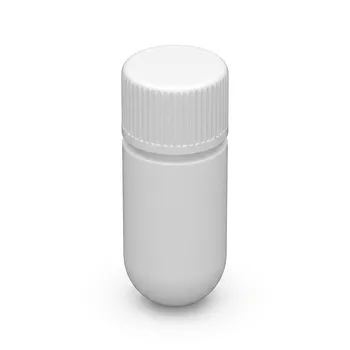
PTFE Centrifuge Tube 1.5ml U Bottom Corrosion Resistant Screw Seal Custom High Purity Labware

High Temperature Chemical Resistant 50ml PTFE Syringe Customized Teflon Injector with Threaded Seal for Trace Analysis
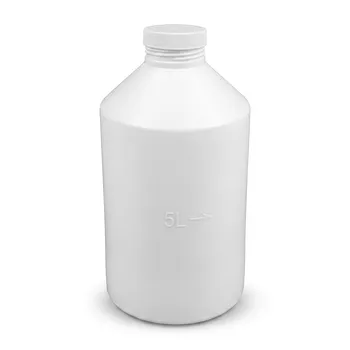
Large Capacity 5L PTFE Storage Tank and Custom Reagent Bottle Corrosion Resistant Leakproof Screw Seal Laboratory Container with PTFE Cap

PTFE Deep Evaporating Dishes Customizable Laboratory and Industrial Solutions
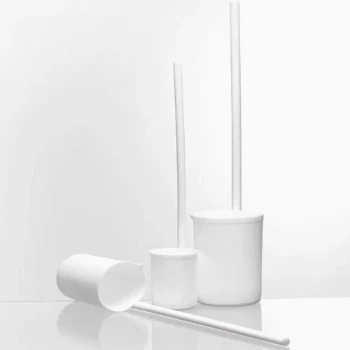
PTFE Chemical Solvent Sampling Spoon