Beyond the basics, Polytetrafluoroethylene (PTFE) rotary shaft seals provide a comprehensive upgrade in performance, especially where standard elastomeric seals fail. Their key benefits stem from an ability to operate in extreme temperatures, handle high pressures and speeds, and remain inert to nearly all chemicals. This makes them a problem-solver for the most demanding industrial, automotive, and aerospace applications.
PTFE is not merely a material substitute; it is an enabling technology. It allows machinery to operate reliably in conditions—extreme temperatures, aggressive chemical environments, and high-velocity applications—that would cause conventional seals to fail quickly.
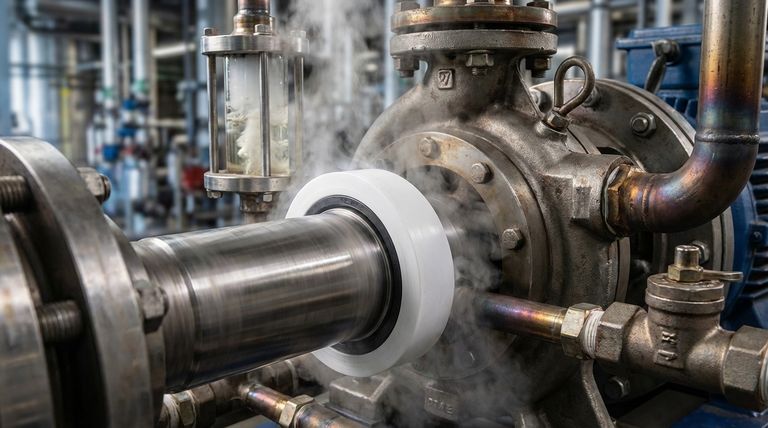
Superior Performance in Extreme Operating Conditions
The primary advantage of PTFE is its resilience when conditions become severe. It fundamentally expands the operational window for sealed systems.
Expansive Temperature Range
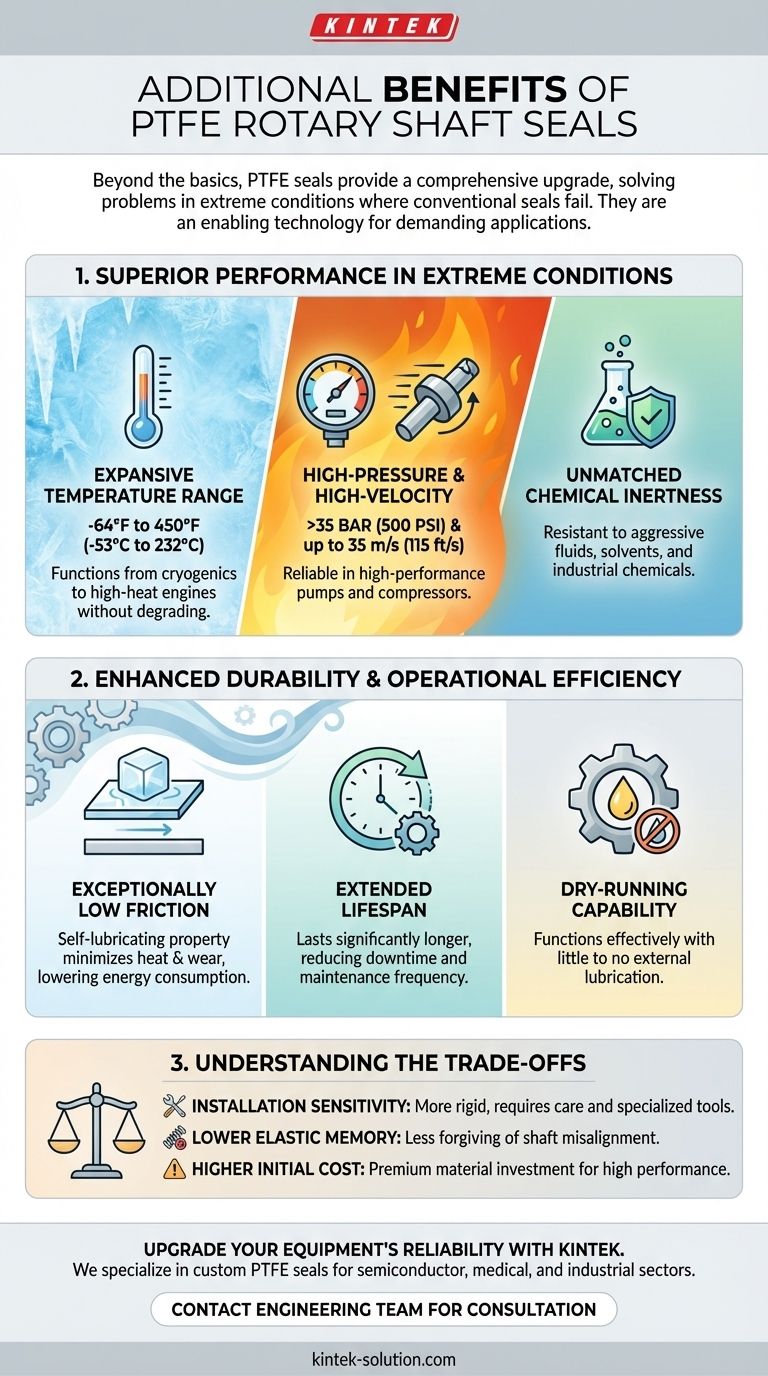
PTFE seals function effectively in an exceptionally wide temperature range, typically from -64°F to 450°F (-53°C to 232°C), with some formulations extending this even further.
This thermal stability allows them to be used in everything from cryogenic applications to high-heat automotive engines without becoming brittle or degrading.
High-Pressure and High-Velocity Tolerance
Compared to traditional seals, PTFE excels under pressure and speed. It can reliably seal pressures exceeding 35 BAR (500 PSI) and handle shaft surface velocities up to 35 m/s (115 ft/s).
This capability is critical in high-performance hydraulic pumps, compressors, and transmissions where other materials would wear out rapidly or be physically extruded from the gland.
Unmatched Chemical Inertness
PTFE is one of the most chemically inert materials available. It is resistant to a vast array of aggressive fluids, solvents, and industrial chemicals.
This property ensures the seal will not swell, harden, or break down when exposed to harsh substances, guaranteeing system integrity and preventing leaks in chemical processing, pharmaceutical, and oil and gas industries.
Enhanced Durability and Operational Efficiency
PTFE's inherent properties translate directly into longer-lasting and more efficient components, reducing the total cost of ownership.
Exceptionally Low Friction
PTFE has one of the lowest coefficients of friction of any solid material, often compared to wet ice on wet ice. This self-lubricating property minimizes heat generation and wear on the rotating shaft.
The result is lower energy consumption, smoother operation, and a significantly longer service life for both the seal and the shaft itself.
Extended Lifespan
The combination of chemical resistance, thermal stability, and low-friction wear means PTFE seals last much longer than their elastomeric counterparts, especially in aggressive environments.
This longevity reduces equipment downtime, lowers maintenance frequency, and improves overall operational reliability.
Dry-Running Capability
Because PTFE is self-lubricating, these seals can function effectively for periods with little to no external lubrication. This is a crucial advantage in applications where lubrication is undesirable or impossible, such as in food processing or certain vacuum systems.
Understanding the Trade-offs
While highly capable, PTFE seals are not a universal solution. Understanding their limitations is key to successful implementation.
Installation Sensitivity
PTFE is a much more rigid material than rubber. This lack of elasticity makes PTFE seals more challenging to install and more susceptible to damage if not handled with care. Specialized installation tools and procedures are often required.
Lower Elastic Memory
Unlike elastomeric seals that rebound easily, PTFE has poor elastic memory. It does not conform as readily to imperfections in the shaft or housing, making it less forgiving of shaft runout or hardware misalignment.
Higher Initial Cost
PTFE is a premium performance material, and the seals made from it typically have a higher upfront cost compared to standard nitrile or FKM seals. This investment must be justified by the demands of the application.
Making the Right Choice for Your Application
Selecting a PTFE seal is a strategic decision based on overcoming the limitations of conventional materials.
- If your primary focus is operating in extreme temperatures or with aggressive chemicals: PTFE's inherent thermal stability and chemical inertness make it the definitive choice where elastomers would rapidly degrade.
- If your primary focus is high-speed or high-pressure systems: PTFE's durability and low-friction properties provide the reliability needed to prevent premature wear and catastrophic failure.
- If your primary focus is reducing long-term maintenance and downtime: The extended lifespan and self-lubricating nature of PTFE seals can significantly lower the total cost of ownership, justifying the higher initial investment.
Ultimately, choosing a PTFE rotary shaft seal is an investment in reliability for applications that operate at the edge of performance.
Summary Table:
| Key Benefit | PTFE Seal Performance | Ideal For |
|---|---|---|
| Temperature Range | -64°F to 450°F (-53°C to 232°C) | Cryogenics, high-heat engines |
| Pressure & Speed | >35 BAR (500 PSI), up to 35 m/s | Hydraulic pumps, compressors, transmissions |
| Chemical Resistance | Inert to nearly all chemicals | Chemical processing, oil & gas, pharmaceuticals |
| Friction & Lifespan | Self-lubricating, very low wear | Reducing maintenance and energy consumption |
| Dry-Running | Operates with little to no lubrication | Food processing, vacuum systems |
Upgrade your equipment's reliability with high-performance PTFE components from KINTEK.
Do your applications involve extreme temperatures, aggressive chemicals, or high speeds that cause standard seals to fail? KINTEK specializes in the precision manufacturing of PTFE seals, liners, and labware for the semiconductor, medical, laboratory, and industrial sectors. We offer custom fabrication from prototypes to high-volume orders to meet your exact specifications.
Let us help you solve your most demanding sealing challenges. Contact our engineering team today for a consultation and quote.
Visual Guide
Related Products
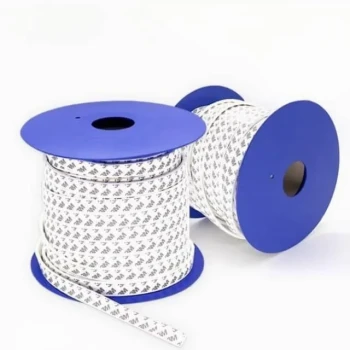
- Custom PTFE Sealing Tapes for Industrial and High Tech Applications
- Custom PTFE Insulating Gaskets and Corrosion Resistant Fluoropolymer Seals for Industrial Electrical Applications
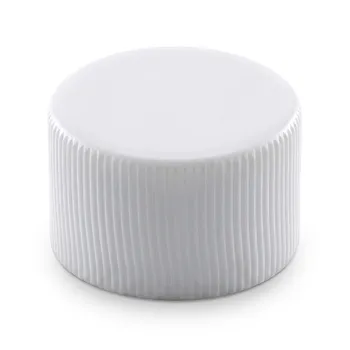
- Custom PTFE Sealing Caps and Corrosion Resistant Low Background Teflon Adapters
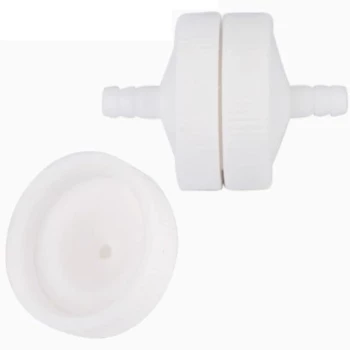
- Customizable PTFE Seals Filter Holders for Versatile Applications
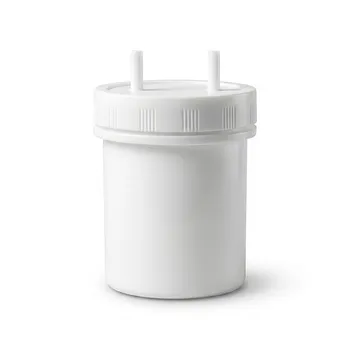
- High Purity Corrosion Resistant PTFE Fluoropolymer Raw Material Drum with Secure Screw Cap Seal for Low Background Chemical Storage and Feeding
People Also Ask
- How are custom PTFE parts used in the automotive sector? Enhance Vehicle Performance & Durability
- Why is PTFE's temperature stability important for sealing applications? Ensure Leak-Proof Performance from -200°C to 260°C
- Why is PTFE popular in the oil and gas industry? Withstand Extreme Heat, Pressure & Corrosion
- What is PTFE and why is it used for seals? The Ultimate Guide to High-Performance Sealing
- What are the key benefits of using PTFE for seals? Unlock Superior Performance in Extreme Conditions