All Questions
What Are Teflon Encapsulated Silicone O-Rings Made Of? A Hybrid Seal For Extreme Conditions
Learn how Teflon encapsulated silicone o-rings combine silicone elasticity with Teflon's chemical resistance for superior sealing performance.
What Are The Common Plumbing Applications Of Ptfe? Ensure Leak-Proof, Durable Seals
Explore PTFE's key plumbing uses: thread seal tape, washers, gaskets, and high-temperature components for reliable, long-lasting performance.
Why Is Ptfe Considered Cost-Effective For Plumbing Applications? Maximize Long-Term Value & Reliability
PTFE's chemical inertness, temperature resistance, and durability reduce maintenance costs and prevent failures in plumbing systems.
Why Might An Engineer Choose To Stick With Standard O-Rings For Long-Running Applications? Maximize Reliability & Minimize Risk
Explore the strategic benefits of standard O-rings for long-term applications, including proven reliability, global availability, and predictable performance.
What Factors Should Be Considered When Choosing Between O-Rings, Square Rings, Quad Rings, Or Flat Gaskets? Optimize Your Seal Selection
Learn the key factors for choosing between O-rings, square rings, quad rings, and flat gaskets for static vs. dynamic applications, pressure, and groove design.
Are There Reasons To Still Use Traditional O-Rings? Yes, For Proven Reliability And Global Availability.
Discover why traditional O-rings and gaskets remain the optimal choice for many applications due to standardization, reliability, and supply chain security.
How Do O-Rings And Square Rings Compare To Flat Gaskets In Terms Of Pressure Requirements? Achieve Superior Sealing With Lower Clamping Force
Discover why O-rings and square rings are self-energizing seals requiring less initial force than flat gaskets for superior high-pressure performance.
Why Are Quad Rings Preferred Over O-Rings In Dynamic Applications? Prevent Spiral Failure & Reduce Friction
Quad rings prevent spiral failure and reduce friction in dynamic sealing applications. Learn how their X-shaped profile outperforms O-rings.
What Are The Advantages Of Square Rings Over O-Rings In Static Applications? Achieve Superior High-Pressure Sealing
Discover why square rings offer superior high-pressure sealing and stability over O-rings in static applications, preventing extrusion and failure.
What Are The Standard Temperature Limits For Ptfe Teflon O-Rings? Master The -200°C To 250°C Range
Learn the standard PTFE O-ring temperature range (-200°C to 250°C) and the critical differences between virgin and filled grades for your application.
At What Low Temperature Does Ptfe Teflon O-Ring Still Maintain Compressive Plasticity? Achieve Reliable Sealing To Near Absolute Zero
PTFE O-rings uniquely maintain compressive plasticity down to cryogenic temperatures near 0 K. Learn how to design for thermal contraction and stiffness.
What Is The Continuous Operating Temperature Range For Ptfe Teflon O-Rings? Guide To -200°C To 260°C Performance
Learn the key factors defining PTFE O-ring temperature limits from -200°C to 260°C. Understand trade-offs like creep & rigidity for your application.
How Does The Working Process Affect Ptfe Teflon O-Rings? It Dictates Sealing Performance & Lifespan
Learn how PTFE O-ring manufacturing (molding, sintering, machining) critically affects density, strength, and sealing ability for your application.
What Are The Key Properties Of Ptfe Teflon O-Rings? Unmatched Chemical & Thermal Resistance
Discover the key properties of PTFE Teflon O-rings: extreme chemical inertness, a wide temperature range from -200°C to +260°C, and the lowest friction.
What Benefits Do Ptfe Spacer Rings Offer To Customers? Achieve Unmatched Reliability And Lower Costs
Discover how PTFE spacer rings extend equipment lifespan, reduce downtime, and cut maintenance costs in harsh chemical and high-temperature environments.
What Are The Key Properties Of Ptfe Spacer Rings? Unlock Superior Performance In Demanding Environments
Explore the key properties of PTFE spacer rings: unmatched chemical resistance, extreme temperature stability, low friction, and excellent electrical insulation.
What Industries Commonly Use Ptfe Spacer Rings? Solve Critical Sealing Challenges
Discover why PTFE spacer rings are vital in chemical, aerospace, food, and pharmaceutical industries for their chemical inertness, low friction, and temperature stability.
What Is The Temperature Range For Ptfe Spacer Rings? A Guide To Extreme Thermal Stability
PTFE spacer rings operate from -328°F (-200°C) to 500°F (260°C). Learn the nuances for pure vs. filled PTFE to ensure reliability in your application.
What Are The Primary Applications Of Ptfe Spacer Rings? Solve Critical Sealing & Wear Problems
Discover how PTFE spacer rings provide chemical resistance, low friction, and thermal stability for demanding applications in chemical, aerospace, and industrial equipment.
What Standards Are Referenced For Ptfe O-Rings? Ensure Interchangeability & Superior Performance
Learn about key PTFE O-ring standards (BS1806, ISO 3601, DIN 3771, JIS B2401) for dimensional fit and PTFE's unique chemical resistance.
What Precautions Should Be Taken When Installing Ptfe O-Rings? Avoid Permanent Damage And Seal Failure
Learn the critical steps for correctly installing PTFE O-rings to prevent stretching, nicking, and ensure a reliable, leak-free seal in demanding applications.
How Do Ptfe O-Rings Differ From Rubber O-Rings In Terms Of Compliance? Understanding Rigidity Vs. Elasticity
Learn the key differences in compliance between PTFE and rubber O-rings, including stiffness, creep, and design implications for sealing.
Why Is Ptfe Considered A Safe Choice For O-Ring Seals? Ensure Reliability In Extreme Conditions
Discover why PTFE O-ring seals are the safe choice for harsh chemicals, extreme temperatures, and high-pressure applications, ensuring system integrity.
What Materials Can Ptfe O-Rings Be Produced With? From Virgin Ptfe To Enhanced Compounds
Learn about PTFE O-ring materials: virgin PTFE for chemical resistance, or filled variants (glass, bronze, graphite) for enhanced wear and strength.
What Are The Unique Properties Of Ptfe O-Rings In Sealing Systems? Unlock Chemical & Thermal Resilience
Explore PTFE O-ring properties: extreme chemical inertness, a wide temperature range (-200°C to +260°C), and low friction for demanding sealing applications.
What Factors Should Be Considered When Selecting Ptfe Lip Seals? Ensure Long-Term Reliability In Demanding Applications
Learn how to select PTFE lip seals by evaluating temperature, speed, pressure, and chemical media to achieve optimal performance and service life.
What Other Specialized Applications Use Ptfe Lip Seals? Ensure Reliability In Aerospace, Medical, And Automotive Systems
Discover PTFE lip seals in aerospace, medical, and automotive applications. Learn how they handle extreme temperatures, high speeds, and harsh chemicals.
How Are Ptfe Lip Seals Utilized In Automotive Applications? A Guide To Extreme Performance Sealing
Learn how PTFE lip seals provide superior sealing for high-RPM EV motors, turbochargers, and fuel systems in extreme automotive environments.
What Aerospace Applications Use Ptfe Lip Seals? Critical Sealing Solutions For Extreme Performance
Explore PTFE lip seal uses in aerospace: APUs, turbine engines, actuators. Built for high speeds, extreme temps, and aggressive fluids.
How Are Ptfe Lip Seals Used In Industrial Applications? Solving Extreme Sealing Challenges
Discover how PTFE lip seals provide reliable sealing for high-speed, high-temperature, and chemically aggressive industrial applications.
What Are The Two Main Types Of Lip Seals? Ptfe Metal-Cased Vs. All-Polymer Seals Explained
Compare PTFE metal-cased and all-polymer lip seals. Learn their construction, performance differences, and how to choose the right seal for your application.
What Are The Main Advantages Of Ptfe Lip Seals? Superior Sealing For Extreme Conditions
Discover the key benefits of PTFE lip seals for high-pressure, high-speed, and extreme temperature applications in demanding industries.
What Are The Key Differences Between Ptfe Lip Seals And Elastomer Rubber Lip Seals? A Guide For Extreme Conditions
Learn the critical differences between PTFE and elastomer lip seals for temperature, speed, and chemical resistance to select the right seal for your application.
How Did Rotary Lip Seals Evolve Historically? From Leather To High-Performance Systems
Explore the evolution of rotary lip seals: from ancient leather to modern synthetic rubber and the shift to a systems-level engineering approach.
What Are Ptfe Rotary Lip Seals And What Applications Are They Used For? High-Performance Sealing Solutions
Discover PTFE rotary lip seals: their low friction, chemical resistance, and applications in high-speed, extreme temperature, and corrosive environments.
What Modifications Exist For Ptfe O-Ring Temperature Performance? Enhance High-Temp Stability With Fillers
Learn how fillers like glass, carbon, and graphite modify PTFE O-rings to combat cold flow, reduce thermal expansion, and boost performance from cryogenic to high temperatures.
How Do Ptfe O-Rings Compare To Teflon O-Rings? The Real Difference Between Solid And Encapsulated Designs
PTFE and Teflon O-rings are the same material. Learn the critical difference between solid PTFE and PTFE encapsulated O-rings for your application.
What Are Critical Installation Practices For Ptfe O-Rings? Avoid Leaks And Ensure A Perfect Seal
Learn the essential rules for installing PTFE O-rings, including how to prevent permanent damage from stretching and why they are single-use components.
What Special Considerations Apply To Ptfe O-Ring Groove Design? Design For Rigid, Non-Elastic Sealing
Learn key PTFE O-ring groove design principles: rigid material behavior, low 10-15% compression, and accessible geometries for reliable sealing.
What Mechanical Properties Distinguish Ptfe O-Rings? Master Sealing In Extreme Conditions
Learn the key mechanical properties of PTFE O-rings: high hardness, low friction, and excellent wear resistance for demanding static sealing applications.
What Are The Three Primary Application Areas For Ptfe O-Rings? Master Sealing In Harsh Environments
Discover the key uses of PTFE O-rings in chemical processing, food/pharma, and industrial pipelines for superior chemical resistance and temperature performance.
What Are The Limitations Of Ptfe O-Rings' Media Resistance? Avoid Common Application Traps
Learn the true chemical & mechanical limits of PTFE O-rings (solid, coated, encapsulated) to prevent seal failure in critical applications.
How Does The Temperature Resistance Of Ptfe O-Rings Compare To Other Materials? Superior Performance From -250°C To +260°C
Learn how PTFE O-rings outperform standard elastomers with a wider temperature range (-250°C to +260°C), unmatched chemical resistance, and low friction.
What Are The Five Main Advantages Of Ptfe O-Rings? Superior Sealing For Harsh Environments
Discover the 5 key advantages of PTFE O-rings: chemical inertness, wide temperature range, low friction, material purity, and long-term stability.
What Are Ptfe O-Rings And Their Key Characteristics? Solve Extreme Chemical & Thermal Sealing Challenges
Learn about PTFE O-rings' unmatched chemical resistance, extreme temperature range, and low friction for demanding industrial applications.
What Factors Should Be Considered When Choosing Between Ptfe And Conventional Oil Seals? Optimize Performance And Cost
Compare PTFE vs. conventional oil seals on temperature, chemical resistance, pressure, and cost to select the right seal for your application.
What Are The Key Advantages Of Ptfe Oil Seals Over Conventional Oil Seals? Superior Performance For Extreme Conditions
Discover the key advantages of PTFE oil seals: superior chemical resistance, high-pressure tolerance, low friction, and extended service life for demanding applications.
In Which Industries Are Ptfe Oil Seals Commonly Used? Ensuring Reliability In Extreme Conditions
PTFE oil seals are critical in aerospace, automotive, chemical, pharmaceutical, and heavy industry for extreme temperature, chemical, and pressure resistance.
What Is The Pressure Resistance Capability Of Ptfe Oil Seals Compared To Conventional Oil Seals? Discover The High-Performance Advantage
PTFE oil seals withstand 1-3 MPa, far exceeding conventional seals. Learn why their chemical & heat resistance makes them ideal for demanding applications.
How Do Ptfe Oil Seals And Conventional Oil Seals Differ In Terms Of Lubrication Requirements? Unlock Superior Performance
Discover the key differences between PTFE and conventional oil seals. Learn how PTFE's low-friction design enables operation with minimal lubrication for greater reliability.
What Are The Differences In Service Life Between Ptfe Oil Seals And Conventional Oil Seals? Achieve Superior Durability In Harsh Environments
PTFE oil seals offer significantly longer service life than conventional seals due to superior heat, chemical, and wear resistance. Learn the key differences.
How Does The Friction Performance Of Ptfe Oil Seals Compare To Conventional Oil Seals? Boost Efficiency & Durability
PTFE oil seals offer ultra-low friction (0.02) vs. conventional seals, reducing energy loss, heat, and wear for demanding applications.
What Is The Temperature Range For Ptfe Oil Seals And Conventional Oil Seals? A Guide To Extreme Vs. Standard Performance
PTFE oil seals operate from -200°C to +300°C, while conventional seals are limited to -40°C to +120°C. Learn which is right for your application.
How Does The Chemical Stability Of Ptfe Oil Seals Compare To Conventional Oil Seals? Superior Performance In Harsh Environments
Learn why PTFE oil seals offer superior chemical resistance, temperature tolerance, and pressure handling compared to conventional seals for demanding applications.
What Are The Main Materials Used In Conventional Oil Seals And Ptfe Oil Seals? Choose The Right Seal For Your Application
Compare Nitrile Rubber (NBR) vs. PTFE oil seals: key differences in temperature, chemical resistance, friction, and durability for optimal performance.
Why Are Ptfe Oil Seals Considered A Solution For 'Forbidden Sealing Areas'? Conquer Extreme Environments
Discover how PTFE seals solve sealing problems in aggressive chemical, extreme temperature, and oil-free environments where traditional seals fail.
How Does The Lifespan Of Ptfe Oil Seals Compare To Other Types? Achieve 10,000-50,000 Hours Of Reliability
PTFE oil seals last 10,000-50,000 hours, far outperforming rubber and metal seals in harsh conditions with high heat and chemicals.
What Future Advancements Are Expected For Ptfe Oil Seals? From Smart Seals To 3D Printing
Explore the future of PTFE seals: smart sensors, 3D-printed custom parts, nano-composites for strength, and sustainable materials for enhanced performance.
What Are The Limitations Of Ptfe Oil Seals, And How Are They Addressed? Overcome Material Challenges With Engineered Solutions
Explore the limitations of PTFE oil seals, including low elasticity and poor thermal conductivity, and learn how engineered solutions overcome these challenges.
How Do Ptfe Oil Seals Perform In Terms Of Cleanliness And Compliance? Ensure Purity In Critical Applications
PTFE oil seals offer superior cleanliness, FDA/USP Class VI compliance, and chemical resistance for pharmaceutical, food, and semiconductor industries.
In What Applications Are Ptfe Oil Seals Particularly Advantageous? Superior Performance In Extreme Conditions
Discover why PTFE oil seals excel in high-speed, extreme temperature, and chemical-resistant applications where traditional elastomer seals fail.
What Are The Typical Structural Designs Of Ptfe Oil Seals? A Guide To Spring-Energized, Filled, And Multi-Lip Seals
Explore the three main PTFE oil seal designs: spring-energized, filled, and multi-lip. Learn their unique benefits for extreme temperatures, chemicals, and pressure.
How Do Ptfe Oil Seals Compensate For The Material's Low Elasticity? Achieve Superior Sealing In Harsh Environments
Learn how spring-energized PTFE seals use a mechanical spring to overcome low elasticity, providing reliable sealing in extreme conditions.
What Material Properties Make Ptfe Suitable For Oil Seals? Superior Performance In Extreme Conditions
Learn why PTFE's thermal stability, chemical inertness, and low friction make it the ideal material for demanding oil seal applications.
What Are The Main Advantages Of Ptfe Oil Seals? Superior Performance In Extreme Conditions
Discover the key benefits of PTFE oil seals vs. rubber: extreme temperature resistance, chemical inertness, low friction, and a longer lifespan.
What Are The Benefits Of Ptfe Seals In Terms Of Prototyping And Production? Accelerate R&D And Ensure Elite Performance
Explore how PTFE seals offer rapid, tool-less prototyping and superior performance in harsh chemical, high-temperature, and high-pressure environments.
What Are Some Common Applications For Ptfe Rotary Seals? Sealing Solutions For Extreme Environments
Discover key applications for PTFE rotary seals in aerospace, oil & gas, food processing, and more. Learn why they excel in extreme conditions.
How Can The Bore Design Of A Ptfe Seal Be Modified For Higher Speed Or Pressure? Optimize For Extreme Conditions
Learn how to modify PTFE seal bore design with flanged or extended heel geometries to prevent rotation at high speeds and extrusion under high pressure.
What Spring Options Are Available For Ptfe Seals? A Guide To Cantilever, Canted Coil, And Helical Springs
Compare Cantilever, Canted Coil, and Helical Ribbon spring options for PTFE seals. Learn which energizer is best for your application's motion and pressure.
What Lip Style Options Are Available For High-Pressure Ptfe Seals? Choose The Right Seal For Extreme Conditions
Compare scraper vs. tapered PTFE seal lip styles for high-pressure applications. Learn how to optimize for sealing, friction, and wear resistance.
What Are The Specifications Of A High-Pressure, Low-Speed Ptfe Seal Profile? Handle 3,000 Psi With Confidence
Learn the key specs for high-pressure PTFE seals: up to 3,000 psi pressure handling, 1,000 sfpm speed limit, and the critical design trade-offs.
What Modifications Can Be Made To A Ptfe Seal To Handle Slight Shaft Runout? Compensate For Dynamic Movement
Learn how spring energizers and specialized lip designs modify PTFE seals to handle shaft runout, ensuring reliable sealing in dynamic applications.
How Can The High-Speed, Low-Pressure Ptfe Seal Profile Be Modified For Higher Pressure? Boost Seal Performance & Reliability
Learn how to modify PTFE seal profiles for higher pressure using metal bands or extended heel designs to prevent extrusion and ensure reliability.
What Are The Characteristics Of A High-Speed, Low-Pressure Ptfe Seal Profile? Maximize Performance At 5,000 Sfpm
Learn the key design traits of high-speed PTFE seals for low-pressure applications, including flexible lips, dual-lip design, and operational limits.
What Is The Temperature Range For Virgin Ptfe Seals? Withstand -328°F To 500°F
Virgin PTFE seals operate from -328°F to 500°F (-200°C to 260°C). Learn how to select the right seal for high-temp, cryogenic, and chemical applications.
What Are The Advantages Of Using Ptfe Rotary Seals Over Rubber Elastomer Seals? Superior Performance In Extreme Conditions
Discover why PTFE seals outperform rubber in extreme temperatures, high speeds, and harsh chemicals. Learn the key differences for demanding applications.
How Do Ptfe Lip Seals Perform In Turbocharger Applications? Superior Sealing For Extreme High-Speed Environments
Discover why PTFE lip seals excel in turbochargers, offering unmatched high-speed performance, thermal stability, and low friction for long-term reliability.
What Makes Ptfe Lip Seals Suitable For Aerospace Applications? Unmatched Performance In Extreme Conditions
Discover why PTFE lip seals excel in aerospace with superior temperature resistance, low friction, and chemical inertness for critical systems.
What Other Machinable Plastics Are Used For Lip Seals Besides Ptfe? Explore High-Performance Alternatives
Learn about UHMW Polyethylene, PEEK, TPE, and PCTFE as machinable plastic alternatives to PTFE for lip seals in demanding applications.
What Are The Key Advantages Of Ptfe Lip Seals? Superior Performance In Extreme Conditions
Discover the key advantages of PTFE lip seals: extreme temperature & pressure resilience, chemical inertness, and high-speed capability for demanding applications.
What Are The Primary Applications For Ptfe Lip Seals? Reliable Sealing For Extreme Conditions
Discover where PTFE lip seals excel, from high-speed compressors and chemical pumps to aerospace systems, for unmatched reliability in demanding environments.
What Are The Manufacturing Differences Between Ptfe And Elastomer Lip Seals? A Guide To Performance And Cost
PTFE seals are machined & press-fit; elastomer seals are molded. Learn how manufacturing dictates cost, speed, and chemical resistance for your application.
How Do Ptfe Lip Seals Compare To Traditional Elastomer Lip Seals? A Guide To High-Performance Sealing
Compare PTFE vs. elastomer lip seals for extreme temperatures, speeds, and chemical resistance. Learn which seal is right for your application.
What Are The Key Properties That Make Ptfe An Effective Sealing Material? Unlock Superior Performance In Harsh Environments
Discover how PTFE's chemical inertness, extreme temperature range, and low friction create durable, reliable seals for demanding industrial applications.
What Makes Ptfe An Ideal Sealing Material Overall? Superior Performance In Extreme Conditions
Discover why PTFE seals excel with unmatched chemical inertness, a vast temperature range (-200°C to +260°C), and the lowest friction for reliability.
What Are The Advantages Of Ptfe In Rotary Shaft Seals? Superior Performance For Extreme Conditions
Discover why PTFE seals excel in extreme temperatures, high speeds, and aggressive chemical environments, offering longer life and greater reliability.
What Are The High Temperature Capabilities Of Ptfe Seals? Maximize Performance Up To 600°F (316°C)
Learn how PTFE seals handle extreme heat from 500°F to 600°F. Understand virgin vs. filled PTFE grades for continuous high-temperature service.
What Are The Key Properties Of Ptfe That Make It Suitable For Sealing Applications? | High-Performance Seals For Extreme Conditions
Discover the 4 key properties of PTFE seals: extreme chemical resistance, wide temperature range (-200°C to +260°C), low friction, and malleability.
What Are The General Benefits Of Using Ptfe For Sealing Applications? Master Chemical & Thermal Resistance
Discover the key benefits of PTFE seals: superior chemical resistance, extreme temperature range (-200°C to 260°C), and low friction for demanding applications.
Why Are Ptfe Lip Seals Considered A Game-Changer In Rotary Applications? Unlock Unmatched Performance & Reliability
Discover how PTFE lip seals excel in high-speed, extreme temperature, and harsh chemical applications, outperforming traditional elastomeric seals.
What Are Some Common Industrial Applications Of Ptfe Lip Seals? Critical Uses In High-Speed, Chemical & Extreme Environments
Explore common PTFE lip seal applications in compressors, gearboxes, pumps, and chemical processing. Learn why PTFE excels in extreme conditions.
How Do Ptfe Lip Seals Contribute To Efficiency In Industrial Machinery? Boost Speed, Cut Costs & Reduce Downtime
Discover how PTFE lip seals enhance machinery efficiency by reducing friction, enabling higher speeds, and extending service life to lower operational costs.
What Are The Advantages Of Using Ptfe Lip Seals In High-Speed Rotary Applications? Achieve Superior Speed And Reliability
Discover how PTFE lip seals reduce friction, heat, and wear for high-speed applications. Learn about their temperature tolerance and chemical resistance.
What Engineering Details Contribute To The Reliability Of Ptfe Lip Seals? Master The 4 Pillars Of Seal Design
Learn how precision geometry, static seals, steel casing, and manufacturing process ensure reliable PTFE lip seals for demanding applications.
What Are The Extreme Working Conditions That Ptfe Lip Seals Can Withstand? Handle -60°C To 200°C & 60 M/S
Learn the extreme temperature, speed, and chemical resistance limits of PTFE lip seals for demanding applications in harsh environments.
What Are Ptfe Lip Seals? High-Performance Sealing For Demanding Rotary Applications
Discover PTFE lip seals: low-friction, chemical-resistant seals for high-speed, extreme-temperature rotary applications where elastomers fail.
What Are The Overall Benefits Of Investing In High-Quality Ptfe Rotary Shaft Lip Seals? Maximize Uptime And Reduce Costs
Discover how PTFE rotary shaft seals deliver superior chemical resistance, extreme temperature performance, and lower long-term costs than rubber seals.
What Role Do Ptfe Rotary Shaft Lip Seals Play In The Oil And Gas Industry? Ensure Reliability In Extreme Conditions
Discover how PTFE seals provide critical leak prevention in oil & gas, withstanding extreme temperatures, high pressure, and harsh chemicals.
How Do Ptfe Rotary Shaft Lip Seals Benefit The Food Processing Industry? Ensure Hygiene & Reliability
Discover how PTFE seals provide chemical inertness, withstand CIP/SIP cleaning, and prevent contamination in food processing equipment.
What Makes Ptfe Rotary Shaft Lip Seals Suitable For Aerospace Applications? Ensuring Reliability In Extreme Conditions
Discover why PTFE seals are essential for aerospace, offering thermal stability, low friction, and chemical resistance for engines, landing gear, and fuel systems.
Related Products
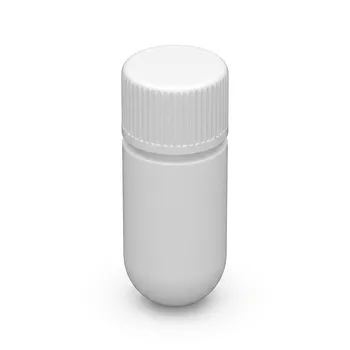
PTFE Centrifuge Tube 1.5ml U Bottom Corrosion Resistant Screw Seal Custom High Purity Labware

High Temperature Chemical Resistant 50ml PTFE Syringe Customized Teflon Injector with Threaded Seal for Trace Analysis
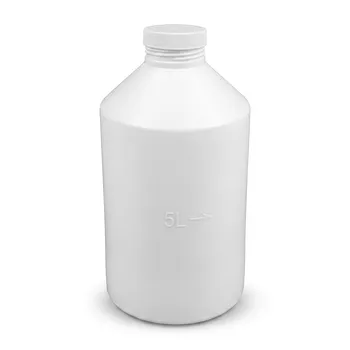
Large Capacity 5L PTFE Storage Tank and Custom Reagent Bottle Corrosion Resistant Leakproof Screw Seal Laboratory Container with PTFE Cap

PTFE Deep Evaporating Dishes Customizable Laboratory and Industrial Solutions
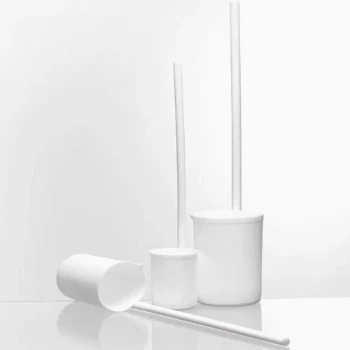
PTFE Chemical Solvent Sampling Spoon