All Questions
Why Are Ptfe Rotary Shaft Lip Seals Ideal For Chemical Processing Plants? Ensure Reliability In Corrosive Environments
Discover why PTFE rotary shaft seals excel in chemical plants with superior chemical inertness, self-lubrication, and durability for pumps and mixers.
How Are Ptfe Rotary Shaft Lip Seals Utilized In The Automotive Industry? Essential For High-Performance & Ev Systems
Explore how PTFE rotary shaft seals provide superior sealing in automotive engines, high-speed drives, and EV systems, offering low friction and extreme durability.
In Which Industries Are Ptfe Rotary Shaft Lip Seals Commonly Used? Essential For Extreme Conditions
Discover the key industries using PTFE rotary shaft seals, including automotive, oil & gas, and aerospace, for superior performance in harsh environments.
What Are The Key Advantages Of Ptfe Rotary Shaft Lip Seals In High-Pressure Applications? Achieve Superior Sealing Performance
Discover how PTFE rotary shaft seals provide low friction, extreme temperature resilience, and chemical inertness for reliable high-pressure, high-speed operations.
What Are The Advantages Of Using Ptfe As The Material For Rotary Shaft Lip Seals? Achieve Unmatched Reliability In Extreme Conditions
Discover why PTFE rotary shaft seals excel with low friction, extreme temperature resilience, superior chemical resistance, and high-pressure tolerance.
What Is A Ptfe Rotary Shaft Lip Seal And What Is Its Primary Function? Superior Sealing For Demanding Applications
Learn about PTFE rotary shaft lip seals: their function, key advantages like low friction and chemical resistance, and ideal applications in high-performance industries.
What Makes Ptfe Lip Seals Ideal For High-Speed Rotary Shaft Applications? Achieve Superior Performance And Reliability
Discover why PTFE lip seals excel in high-speed applications with low friction, thermal stability up to 260°C, and surface speeds up to 35 m/s.
Why Are Ptfe Lip Seals Suitable For Electric Vehicles? High-Speed, Low-Friction Performance For Evs
Discover how PTFE lip seals withstand extreme EV drivetrain speeds, high heat, and harsh chemicals, ensuring reliability and maximizing vehicle range.
How Are Ptfe Lip Seals Used In The Automotive Industry? Ensure Leak-Proof Performance In High-Speed, High-Temp Applications
Explore the critical role of PTFE lip seals in automotive systems like EV e-drives, turbochargers, and fuel pumps, offering superior heat and chemical resistance.
What Efficiency Benefits Do Ptfe Lip Seals Provide In Aerospace Applications? Reduce Fuel Costs & Boost Reliability
Discover how PTFE lip seals in aerospace cut fuel use by up to $1.7M annually, reduce friction, and ensure reliability in extreme conditions.
How Are Ptfe Lip Seals Used In The Aerospace Industry? Ensure Reliability In Extreme Conditions
Learn how PTFE lip seals provide critical sealing in aerospace, handling extreme temperatures, chemicals, and high speeds in engines, flight controls, and more.
In What Types Of Environments Are Ptfe Lip Seals Commonly Used? Ideal For Extreme Conditions
Discover where PTFE lip seals excel: high-speed, extreme temperature, and chemically aggressive environments in aerospace, automotive, and industrial applications.
What Benefits Do Fillers Provide For Ptfe Lip Seals? Enhance Wear, Pressure, And Thermal Performance
Discover how fillers like glass fiber and carbon transform PTFE seals, boosting wear resistance, reducing creep, and improving thermal conductivity.
What Types Of Fillers Can Be Used To Enhance Ptfe Lip Seals? Boost Performance For Demanding Applications
Learn how carbon, graphite, fiberglass, and other fillers enhance PTFE lip seal performance for wear resistance, rigidity, and thermal conductivity.
What Are The Speed Capabilities Of Ptfe Lip Seals? Achieve High-Speed Sealing In Demanding Applications
PTFE lip seals reliably operate at speeds up to 10,000 sfpm. Learn about their high-speed, high-temperature, and chemical-resistant capabilities.
How Is A Ptfe Lip Seal Constructed? A Deep Dive Into High-Performance Sealing Design
Learn how PTFE lip seals are built with a PTFE sealing element and metal case for superior performance in extreme conditions.
What Are The Advantages Of Using Ptfe Lip Seals Over Traditional Radial Shaft Seals? Maximize Performance In Harsh Conditions
Discover why PTFE lip seals offer superior low friction, extreme temperature tolerance, and unmatched chemical resistance compared to traditional seals.
What Are Some Common Applications Of Ptfe Seals? Engineered For Extreme Chemical, Temperature, And Pressure Challenges
Explore the critical uses of PTFE seals in aerospace, chemical processing, medical, and food industries for superior performance in harsh environments.
What Are The Key Features And Benefits Of Ptfe Lip Seals? Superior Performance For Extreme Conditions
Discover how PTFE lip seals offer extreme temperature tolerance, chemical inertness, and high-speed capability for demanding industrial applications.
What Metal Options Are Available For The Casing Of Ptfe Rotary Lip Seals? A Guide To Material Selection
Compare stainless steel, cold rolled steel, zinc-plated steel, and aluminum casings for PTFE seals. Select the right material for your application's needs.
What Materials Are Used To Make Ptfe Rotary Lip Seals? An Inside Look At Their Engineered Design
Discover the multi-material construction of PTFE rotary seals, including PTFE composites, metal housings, and elastomeric energizers for harsh environments.
What Are The Advantages Of A Ptfe Rotary Lip Seal Not Being Spring-Energized? Achieve Superior High-Speed Performance
Discover how non-spring-energized PTFE seals enable high-speed operation up to 10,000 sfpm with reduced friction and heat generation.
How Does A Ptfe Rotary Lip Seal Work? Unlock Low-Friction Sealing For Demanding Applications
Learn how PTFE rotary lip seals use a low-friction lip to seal against rotating shafts, ideal for high speeds, harsh chemicals, and dry-running conditions.
Why Did Ptfe Seals Fall Out Of Favor In The 1950S And 1960S? A Lesson In Material Misunderstanding
Discover why early PTFE seals failed due to cold flow, thermal expansion, and lack of elastic memory, and how modern engineering solved these issues.
When Was Ptfe Resin Discovered And When Did It Gain Notice As A Rotary Lip Seal Material?
PTFE was discovered in 1938 but its use in rotary lip seals began in the 1950s. Learn why this high-performance material is ideal for demanding applications.
What Are The Key Product Features Of Teflon Lip Seals? Engineered For Extreme Performance
Discover the key features of Teflon (PTFE) lip seals: extreme temperature, chemical resistance, low friction, and high-pressure capability for demanding applications.
What Are Some Specific Applications Of Teflon Lip Seals In Industrial Machinery? Engineered For Extreme Conditions
Explore how Teflon (PTFE) lip seals excel in demanding applications like pumps, compressors, and aerospace systems, handling extreme temperatures, pressures, and chemicals.
In What Industries Are Teflon Lip Seals Commonly Used? Essential For Extreme Chemical & Temperature Resistance
Discover why Teflon (PTFE) lip seals are critical in chemical processing, oil & gas, pharmaceutical, food & beverage, and aerospace industries.
What Are The Advantages Of Using Teflon Lip Seals? Achieve Unmatched Reliability In Extreme Conditions
Discover the key benefits of Teflon (PTFE) lip seals, including extreme temperature stability, chemical inertness, and high-speed performance.
What Are The Main Components Of A Teflon Lip Seal? A Guide To Reliable Ptfe Sealing
Learn about the main components of a Teflon lip seal, including the PTFE element, cases, gasket, and spacer, for robust sealing solutions.
When Might A Thicker Teflon Lip Seal Design Be Used? For High-Wear, Unlubricated Applications
Learn when a thicker Teflon lip seal is ideal for high-wear, dry-running conditions to extend service life and prevent premature failure.
How Is The Body Of A Teflon Lip Seal Typically Secured? Achieve Superior Sealing With Mechanical Clamping
Learn how Teflon lip seals are secured via metal cases for robust, non-rotating performance in demanding applications like semiconductor and medical equipment.
How Does The Design Of A Teflon Lip Seal Accommodate Ptfe's Stiffness? Leverage Geometry For Flexibility
Discover how a thin, flexible lip design overcomes PTFE's rigidity for dynamic sealing in demanding chemical, thermal, and high-speed applications.
What Are The Key Characteristics Of Ptfe That Make It Suitable For Lip Seals? Engineered For Extreme Performance
Discover why PTFE's chemical inertness, low friction, and wide temperature range make it ideal for high-performance lip seals in demanding applications.
What Is A Teflon Lip Seal And What Material Is It Made From? The Ultimate Guide To High-Performance Ptfe Seals
Learn about Teflon (PTFE) lip seals for extreme temperatures, high speeds, and chemical resistance. Ideal for demanding industrial applications.
What Types Of Applications Are Ptfe O-Rings Best Suited For? Solve Sealing Challenges In Extreme Conditions
Learn when to use PTFE O-rings for superior chemical resistance, extreme temperatures, and low friction in chemical, pharmaceutical, and oil & gas industries.
What Makes Ptfe O-Rings Suitable For Sealing Applications? Unmatched Chemical & Thermal Resistance
Discover why PTFE O-rings excel in harsh environments with extreme chemical inertness, a wide temperature range (-200°C to 260°C), and low friction.
What Are The Key Benefits Of Ptfe O-Rings? Superior Sealing For Extreme Conditions
Explore the key benefits of PTFE O-rings: unmatched chemical resistance, extreme temperature tolerance, and low friction for demanding applications.
How Do Ptfe O-Rings Function? A Guide To High-Performance Sealing In Demanding Environments
Learn how PTFE O-rings create superior seals using rigidity and chemical inertness for extreme temperature and corrosive applications.
What Are Ptfe O-Rings? High-Performance Seals For Extreme Conditions
Discover the benefits of PTFE O-rings: unmatched chemical resistance, extreme temperature stability, and low friction for demanding applications.
What Alternative Material Is Available For V-Rings Besides Ptfe? Discover Peek And Filled Ptfe For High-Performance Seals
Explore high-performance V-ring alternatives like PEEK and filled PTFE for superior mechanical strength, wear resistance, and extrusion prevention.
What Makes Ptfe V-Rings Effective Seals? A Guide To Robust, Low-Friction Sealing
Discover how PTFE V-rings combine a multi-lip design with PTFE's chemical resistance for superior sealing in extreme conditions.
What Are The Primary Applications Of Ptfe V-Rings? Seal Moving Parts In Demanding Systems
Discover the key uses of PTFE V-rings for dynamic sealing in hydraulic, pneumatic, and high-speed systems, ensuring reliability and low friction.
What Are The Benefits Of Ptfe Backup Rings? Enhance Seal Life In High-Pressure Systems
Discover how PTFE backup rings prevent O-ring extrusion, offer chemical resistance, and withstand extreme temperatures for reliable sealing performance.
What Are The Advantages Of Ptfe O-Rings Compared To Elastomeric O-Rings? Superior Performance In Extreme Conditions
Discover the key benefits of PTFE O-rings, including unmatched chemical resistance, extreme temperature stability, and a low friction coefficient.
What Are The Primary Applications Of Ptfe O-Rings? Essential Sealing Solutions For Harsh Environments
Discover the key uses of PTFE O-rings in chemical, pharmaceutical, and food processing industries for superior chemical and temperature resistance.
Are Ptfe O-Rings Safe For Medical Applications? Ensuring Biocompatibility For Critical Devices
Learn why PTFE O-rings are safe for medical use due to chemical inertness, biocompatibility, and non-contaminating properties for implants and devices.
Why Are Ptfe O-Rings Non-Stick? Unlock The Molecular Secret To Frictionless Sealing
Discover why PTFE O-rings are inherently non-stick due to strong carbon-fluorine bonds, providing superior chemical resistance and low friction.
What Lubrication Properties Do Ptfe O-Rings Have? Low Friction And Self-Lubricating Seals
Explore PTFE O-rings' low coefficient of friction, chemical resistance, and ideal applications for dynamic sealing in demanding environments.
What Makes Ptfe O-Rings Weather Resistant? Unmatched Chemical & Uv Immunity For Harsh Environments
Discover why PTFE O-rings offer superior weather resistance, including UV stability, chemical inertness, and extreme temperature performance.
How Do Ptfe O-Rings Perform Against Chemicals? Achieve Unmatched Chemical Resistance
Learn why PTFE O-rings offer superior chemical inertness against acids, alkalis, and solvents, with a wide temperature range from -200°C to +250°C.
What Are The Temperature Resistance Properties Of Ptfe O-Rings? Withstand -200°C To 260°C Extremes
Learn the full temperature range of PTFE O-rings, from cryogenic -200°C to high-heat 260°C, and understand their application trade-offs for sealing.
What Are The General Advantages Of O-Ring Designs? Achieve Reliable, Cost-Effective Sealing
Discover the key advantages of O-ring designs, including simplicity, compactness, ease of installation, and cost-effectiveness for various applications.
What Are The Typical Characteristics And Applications Of O-Ring Materials? Find The Right Seal For Extreme Environments
Learn the key properties of O-ring materials, including temperature resistance and chemical compatibility, to ensure reliable sealing performance.
What Are O-Rings And Why Are They Commonly Used? A Guide To Simple, Reliable Sealing
Learn how O-rings work, their benefits for static and dynamic sealing, and key factors for material selection and application success.
Why Are Ptfe O-Rings Considered Versatile For Low-Pressure, Static Applications? Unlock Superior Chemical And Thermal Resistance
Discover the unique properties of PTFE O-Rings: extreme chemical inertness, wide temperature range (-270°C to 260°C), and low friction for static seals.
What Are Static Applications And How Are Ptfe O-Rings Used In Them? Ensure Leak-Proof Seals In Demanding Environments
Learn how PTFE O-Rings create reliable static seals for corrosive chemicals and extreme temperatures in industrial, medical, and lab settings.
In Which Industries Are Ptfe O-Rings Commonly Used? Solve Extreme Sealing Challenges
Discover why PTFE O-rings are essential in aerospace, chemical, medical, and oil & gas for extreme chemical, temperature, and pressure resistance.
What Are Dynamic Applications And Why Are Ptfe O-Rings Suitable For Them? Unlock Low-Friction, Chemical-Resistant Sealing
Discover why PTFE O-rings excel in dynamic applications with low friction, chemical inertness, and extreme temperature resistance for pumps, valves, and more.
What Makes Ptfe O-Rings Superior To Those Made Of Other Materials? Unmatched Performance In Extreme Conditions
Discover why PTFE O-Rings excel with superior chemical inertness, extreme temperature stability, and the lowest friction for demanding applications.
What Is The Coefficient Of Friction For Ptfe O-Rings And Why Is It Beneficial? Achieve Smooth, Low-Friction Performance
Learn why PTFE O-Rings have an exceptionally low coefficient of friction (0.04-0.1), enabling smooth motion, reduced wear, and minimal lubrication needs.
What Types Of Fluids Can Ptfe O-Rings Repel? The Ultimate Guide To Chemical Resistance
PTFE O-Rings repel nearly all fluids, including strong acids, bases, solvents, and oils. Learn about their universal chemical resistance and key limitations.
How Do Ptfe O-Rings Perform Under High Heat Conditions? Achieve Extreme Temperature Sealing
Learn how PTFE O-Rings maintain integrity up to 260°C (500°F) with unmatched thermal stability and chemical resistance for demanding applications.
What Are The Key Properties Of Ptfe That Make It Suitable For O-Rings? Unmatched Chemical & Temperature Resistance
Discover why PTFE's chemical inertness, extreme temperature range, and low friction make it ideal for demanding O-ring applications in harsh environments.
What Alternatives To Ptfe Are Available For Sealing Applications? Find The Right Material For Your Sealing Needs
Explore PTFE alternatives like UHMW and thermoplastic elastomers for sealing applications. Learn when to choose each material based on your specific requirements.
How Can Fillers Improve The Performance Of Ptfe O-Rings? Enhance Strength, Wear, And Stability
Discover how fillers like glass, graphite, and bronze enhance PTFE O-ring performance by increasing strength, wear resistance, and thermal conductivity.
Why Is Correct Sizing More Critical For Ptfe O-Rings Than For Rubber O-Rings? Precision Is Non-Negotiable
PTFE O-rings require perfect sizing due to material rigidity, unlike elastic rubber seals. Learn the critical differences and design requirements.
What Are Spring-Energized Seals? An Active Sealing Solution For Extreme Ptfe Applications
Discover how spring-energized seals solve PTFE's cold flow and inelasticity issues, providing reliable sealing in extreme environments.
How Does The Inelasticity Of Ptfe Affect Its Use In Sealing Applications? Understand The Critical Trade-Offs For Reliability
Learn how PTFE's inelasticity makes it ideal for static seals but unsuitable for dynamic applications. Discover solutions with filled PTFE and backup rings.
What Are The Disadvantages Of Using Ptfe O-Rings? When Rigidity And Lack Of Elasticity Cause Leaks
PTFE O-rings lack elasticity, deform permanently, and are prone to leakage. Learn their key disadvantages and when to choose an alternative seal.
What Are The Main Advantages Of Ptfe O-Rings Compared To Elastomeric Compounds? Superior Sealing In Extreme Conditions
Discover why PTFE O-Rings outperform elastomers in chemical resistance, extreme temperatures, and long-term stability for demanding industrial applications.
What Are The Properties Of Teflon Pfa Encapsulated O-Rings? Achieve Superior Sealing In Extreme Environments
Explore the key properties of PFA encapsulated o-rings, including extreme chemical inertness, high temperature resistance, and low permeability for demanding applications.
What Are The Properties Of Teflon Fep Encapsulated O-Rings? A Hybrid Seal For Extreme Chemical & Thermal Resistance
Discover the unique properties of Teflon FEP encapsulated o-rings: a hybrid seal offering superior chemical inertness, a wide temperature range, and reliable elasticity.
What Are The Four Combinations Of Jacket Type And Elastomer Used In Teflon Encapsulated O-Rings? Select The Right Seal For Your Application
Learn the 4 standard Teflon encapsulated O-ring combinations (FEP/Viton, FEP/Silicone, PFA/Viton, PFA/Silicone) and how to select the best for your temperature, chemical, and pressure needs.
What Are The Advantages Of Teflon Encapsulated O-Rings? Superior Chemical & Temperature Resistance
Discover how Teflon encapsulated o-rings combine chemical inertness with reliable sealing force for demanding industrial applications.
What Are The Benefits Of Fep-Encapsulated O-Rings? Superior Sealing For Harsh Chemical & High-Temp Environments
Discover the key benefits of FEP-encapsulated O-rings: unmatched chemical resistance, wide temperature range, low friction, and compliance for demanding industries.
What Are The Primary Uses Of Teflon Encapsulated O-Rings? Seal Against Aggressive Chemicals & High Temperatures
Discover how Teflon encapsulated O-rings provide reliable static seals for aggressive chemicals, high purity, and extreme temperatures in critical industries.
What Industries Benefit From Tfe Encapsulated O-Rings And Gaskets? Ensure Reliability In Demanding Applications
Discover how TFE encapsulated seals provide superior chemical resistance and purity for chemical, pharmaceutical, semiconductor, and food processing industries.
What Are The Key Features Of Tfe Encapsulated O-Rings And Gaskets? Achieve Superior Sealing In Demanding Environments
Discover how TFE encapsulated seals combine PTFE chemical resistance with elastomer flexibility for superior performance in harsh chemical and temperature conditions.
What Factors Should Be Considered When Choosing Between Spiral And Split Ptfe Backup Rings?
Learn the key differences between spiral and split PTFE backup rings to make the right choice for your application's sealing performance and installation needs.
Which Type Of Ptfe Backup Ring Is More Convenient For Retrofitting Existing Systems? Choose Split Rings For Quick, In-Place Installation
Discover why split PTFE backup rings are the ideal choice for retrofitting, enabling easy installation without system disassembly to reduce downtime.
Which Type Of Ptfe Backup Ring Is Better For Harsh Environments? Choose Spiral Rings For Maximum Reliability
Learn why spiral PTFE backup rings offer superior extrusion resistance in high-pressure, high-temperature, and chemically aggressive environments.
What Are The Differences In Installation And Maintenance Between Spiral And Split Ptfe Backup Rings? A Guide To Maximizing Performance And Minimizing Downtime
Compare spiral vs. split PTFE backup ring installation and maintenance. Learn which is best for high-pressure sealing or easy serviceability to optimize your system.
How Do Spiral And Split Ptfe Backup Rings Compare In Terms Of Sealing Performance? High-Pressure Vs. Easy Installation
Compare spiral vs. split PTFE backup rings for sealing performance. Learn which is best for high-pressure, dynamic applications vs. easy installation.
When Are Split Ptfe Backup Rings Particularly Suitable? Ideal For Retrofitting And High-Pressure Seals
Discover when to use split PTFE backup rings for easy installation, retrofitting, and protecting O-rings from extrusion in high-pressure systems.
What Are The Advantages Of Split (Scarf Cut) Ptfe Backup Rings? Achieve Fast, Tool-Free Installation
Discover the key benefits of split PTFE backup rings, including easy installation without disassembly, simplified maintenance, and application versatility.
What Industries Are Spiral Ptfe Backup Rings Ideal For? Achieve Superior Sealing In Extreme Conditions
Discover why spiral PTFE backup rings are essential for oil & gas, aerospace, and automotive applications requiring high pressure, chemical resistance, and low friction.
What Are The Key Features Of Spiral Ptfe Backup Rings? Superior Extrusion Protection For High-Pressure Seals
Explore the key features of spiral PTFE backup rings: gapless design, low friction, chemical resistance, and high-temperature performance for reliable sealing.
What Is The Role Of Ptfe Backup Rings In Sealing Applications? Prevent Seal Extrusion Under High Pressure
Learn how PTFE backup rings support O-rings to prevent extrusion failure in high-pressure hydraulic, chemical, and thermal applications.
What Factors Should Be Considered When Selecting Teflon Encapsulated O-Rings? Ensure Chemical And Thermal Reliability
Learn how to select Teflon encapsulated O-rings by evaluating chemical compatibility, temperature range, and mechanical requirements for optimal performance.
What Are The Key Differences Between Fep And Pfa Encapsulated O-Rings? A Guide To Temperature, Flexibility & Cost
Compare FEP vs. PFA encapsulated O-rings: temperature limits, flexibility, and cost. Choose the right seal for your chemical or high-heat application.
What Are Some Common Applications For Teflon Encapsulated O-Rings? Sealing Solutions For Demanding Industries
Explore the key uses of Teflon encapsulated O-rings in chemical, pharmaceutical, semiconductor, and aerospace applications for superior chemical resistance.
How Do The Costs Of Teflon Encapsulated O-Rings Compare To Other Sealing Solutions? A Guide To Total Cost Of Ownership
Compare Teflon encapsulated O-ring costs vs. standard elastomer & solid PTFE seals. Learn why higher upfront cost leads to long-term savings in harsh environments.
Are Teflon Encapsulated O-Rings Compliant With Fda And Usp Standards? Ensuring Sealing Integrity For Regulated Industries
Learn how Teflon encapsulated O-rings meet FDA and USP Class VI standards for safe use in pharmaceutical, medical, and food processing applications.
How Resistant Are Teflon Encapsulated O-Rings To Compression Set? Achieve Long-Term Sealing Reliability
Learn why Teflon encapsulated O-rings offer superior compression set resistance for reliable, long-term sealing in demanding chemical and industrial environments.
What Is The Water Transmission Rate Of Teflon Encapsulated O-Rings? A Guide To Superior Moisture Sealing
Learn why Teflon encapsulated O-rings offer exceptionally low water transmission rates for critical sealing in semiconductor, medical, and lab applications.
How Do Teflon Encapsulated O-Rings Perform In High-Pressure Gas Applications? Achieve Superior Sealing Reliability
Learn how Teflon encapsulated O-rings provide exceptional gas permeation resistance and reliability in demanding high-pressure gas systems.
What Is The Operating Temperature Range For Teflon Encapsulated O-Rings? -60°C To +205°C Guide
Learn the operating temperature range for Teflon O-rings (-60°C to +205°C) and how the inner core material (Silicone/FKM) dictates performance.
What Is The Chemical Resistance Of Teflon Encapsulated O-Rings? The Ultimate Guide To Inert Sealing
Teflon encapsulated O-rings offer near-universal chemical resistance. Learn their strengths, key weaknesses, and critical application limits.
How Are The Dimensions Of Teflon Encapsulated O-Rings Defined? Master Id And Cs For A Perfect Seal
Learn how inside diameter (ID) and cross-section (CS) define Teflon encapsulated O-ring size and why construction impacts groove design for a reliable seal.
Related Products
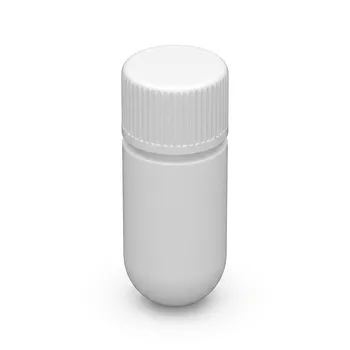
PTFE Centrifuge Tube 1.5ml U Bottom Corrosion Resistant Screw Seal Custom High Purity Labware
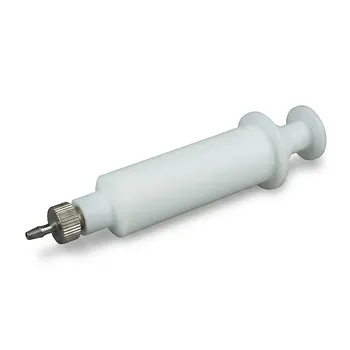
High Temperature Chemical Resistant 50ml PTFE Syringe Customized Teflon Injector with Threaded Seal for Trace Analysis
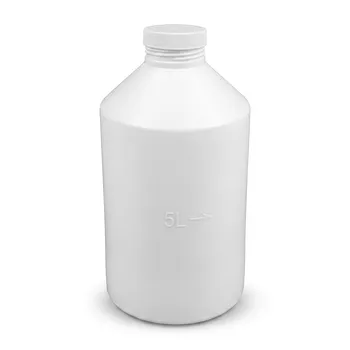
Large Capacity 5L PTFE Storage Tank and Custom Reagent Bottle Corrosion Resistant Leakproof Screw Seal Laboratory Container with PTFE Cap
PTFE Deep Evaporating Dishes Customizable Laboratory and Industrial Solutions
PTFE Chemical Solvent Sampling Spoon