In short, PTFE O-rings are best suited for specialized sealing applications where standard rubber O-rings would fail due to aggressive chemicals, extreme temperatures, or the need for very low friction. They excel in static or slow-moving systems found in industries like chemical processing, pharmaceuticals, and oil and gas.
The decision to use a PTFE O-ring is not about general-purpose sealing; it's about solving a specific problem. You choose PTFE when the operational environment is too hostile for conventional elastomers, making its unique properties of chemical inertness and thermal stability non-negotiable.
When to Choose PTFE: Core Scenarios
PTFE (Polytetrafluoroethylene) is not a direct replacement for a standard rubber O-ring. Its material properties make it a specialist component for challenging conditions.
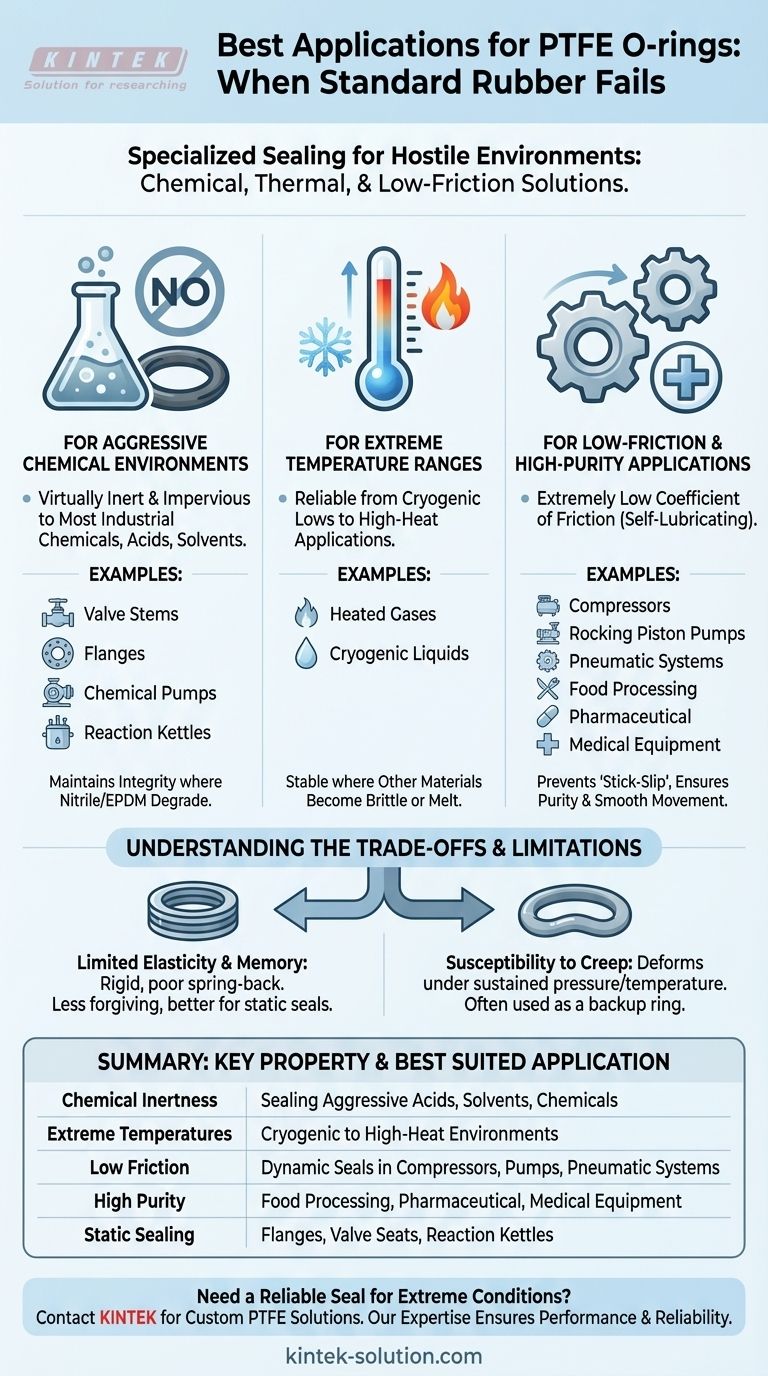
For Aggressive Chemical Environments
PTFE is virtually inert and impervious to most industrial chemicals, acids, and solvents. This makes it the default choice in chemically aggressive systems.
Other materials, like Nitrile or EPDM, would quickly degrade when exposed to such media. PTFE maintains its integrity, ensuring a reliable seal.
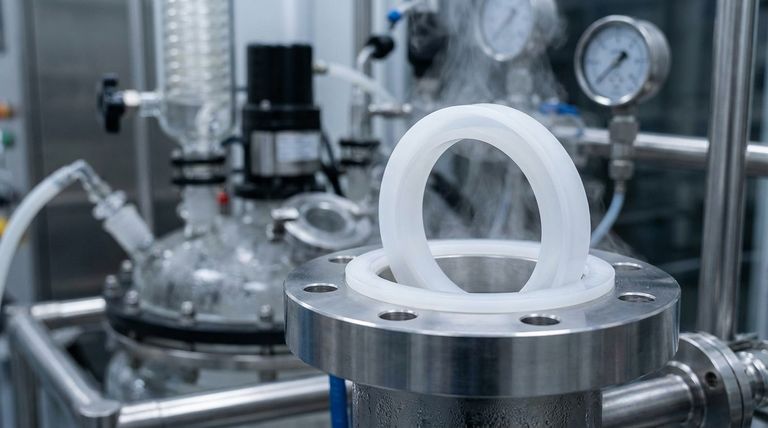
This property makes it ideal for use in valve stems, flanges, chemical pumps, and reaction kettles where the media would destroy a standard elastomer.
For Extreme Temperature Ranges
PTFE performs reliably across an exceptionally wide temperature spectrum, from cryogenic lows to high-heat applications.
It remains stable and functional in environments where other materials would become brittle or melt, making it suitable for systems handling heated gases or cryogenic liquids.
For Low-Friction and High-Purity Applications
PTFE has an extremely low coefficient of friction, meaning it is very slippery. This self-lubricating property is critical in dynamic applications where parts must move smoothly.
It prevents the "stick-slip" phenomenon common with rubber seals, making it perfect for compressors, rocking piston pumps, and pneumatic systems.
Its inherent purity and resistance to contamination also make it a primary choice for food processing, pharmaceutical, and medical equipment.
Understanding the Trade-offs and Limitations
While powerful, PTFE is not without its drawbacks. Understanding these limitations is critical to using it correctly and avoiding seal failure.
Limited Elasticity and Memory
Unlike rubber, PTFE is a rigid plastic. It has very poor elastic memory, meaning it does not spring back to its original shape after being compressed.
This makes it less forgiving of surface imperfections and less suitable for applications requiring frequent assembly and disassembly. It is a key reason why PTFE is often favored for static seals.
Susceptibility to Creep (Cold Flow)
Under sustained pressure and temperature, solid PTFE can slowly deform permanently, a phenomenon known as creep or cold flow.
This limits its effectiveness as a standalone seal in high-pressure applications. In such cases, it is often used as a backup ring to support a primary elastomer O-ring or as part of an energized seal design.
Installation Challenges
The rigidity of PTFE can make installation more difficult than with a flexible rubber O-ring. Care must be taken to avoid scratching or damaging the seal during assembly.
Making the Right Choice for Your Goal
Selecting the correct seal requires matching the material to the specific demands of the application.
- If your primary focus is sealing against aggressive chemicals or extreme temperatures: PTFE is an excellent first choice, especially for static applications like flanges and valve seats.
- If your primary focus is a low-friction dynamic seal: PTFE is a strong contender for slow-moving or reciprocating parts, but you must account for its rigidity and potential for wear.
- If your primary focus is a general-purpose, high-pressure dynamic seal: A pure PTFE O-ring is likely unsuitable due to creep and poor elasticity; consider an elastomer or an energized seal instead.
By understanding PTFE's unique profile of strengths and limitations, you can deploy it precisely where it delivers unparalleled performance.
Summary Table:
| Key Property | Best Suited Application |
|---|---|
| Chemical Inertness | Sealing aggressive acids, solvents, and chemicals |
| Extreme Temperatures | Cryogenic to high-heat environments |
| Low Friction | Dynamic seals in compressors, pumps, and pneumatic systems |
| High Purity | Food processing, pharmaceutical, and medical equipment |
| Static Sealing | Flanges, valve seats, and reaction kettles |
Need a reliable seal for extreme conditions?
PTFE O-rings from KINTEK are engineered to perform where standard elastomers fail. We specialize in manufacturing high-precision PTFE components—including seals, liners, and custom labware—for the semiconductor, medical, laboratory, and industrial sectors.
Whether you require prototypes or high-volume production, our expertise in custom fabrication ensures you get a sealing solution tailored to your specific chemical, thermal, and performance requirements.
Contact KINTEK today to discuss your application and get a quote for a PTFE sealing solution that guarantees performance and reliability.
Visual Guide
Related Products
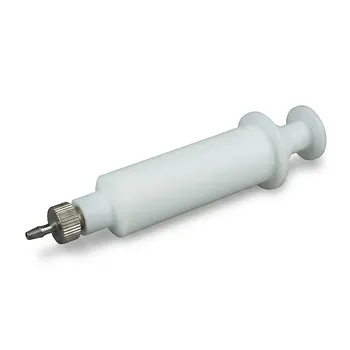
- High Temperature Chemical Resistant 50ml PTFE Syringe Customized Teflon Injector with Threaded Seal for Trace Analysis
- Customizable PTFE Rods for Advanced Industrial Applications
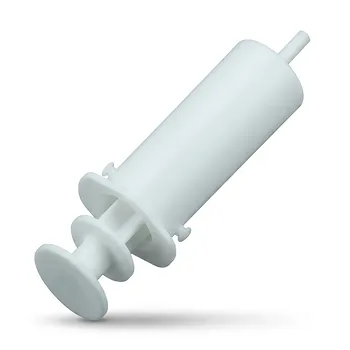
- High Purity Laboratory Grade PTFE Syringe Chemical Resistant Fluoropolymer Injector for Trace Analysis
- Custom PTFE Corrosion Resistant White Syringe with Threaded Luer Connector Compatibility
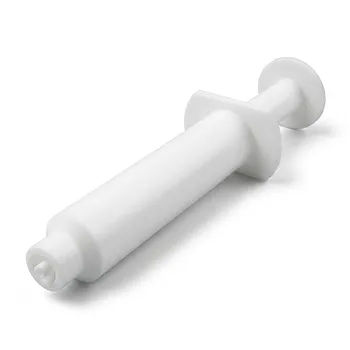
- Virgin PTFE Precision Syringe for Chemical Dispensing and Syringe Pump Integration with FEP Tubing Compatibility
People Also Ask
- In what medical devices is PTFE commonly used? Essential Components for Safety and Reliability
- Is PTFE approved for food contact applications? Ensuring Food Safety with Compliant PTFE
- What is notable about the coefficient of friction of PTFE? Achieve Unmatched Low-Friction Performance
- How chemically resistant is PTFE? Discover its near-total inertness to most chemicals
- How does PTFE's flexibility affect its performance? Unlock Durability and Sealing Power