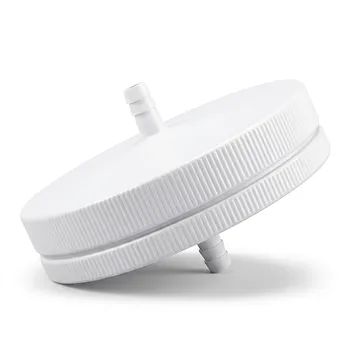
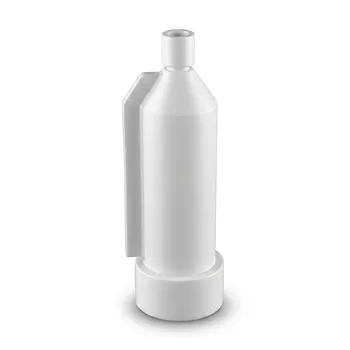
At a high level, PTFE spacer rings are indispensable components in industries where extreme conditions are the norm, including mechanical engineering, aerospace, chemical processing, automotive, and food and pharmaceutical manufacturing. Their adoption is driven by a unique set of material properties that solve critical engineering challenges related to chemical exposure, friction, and temperature.
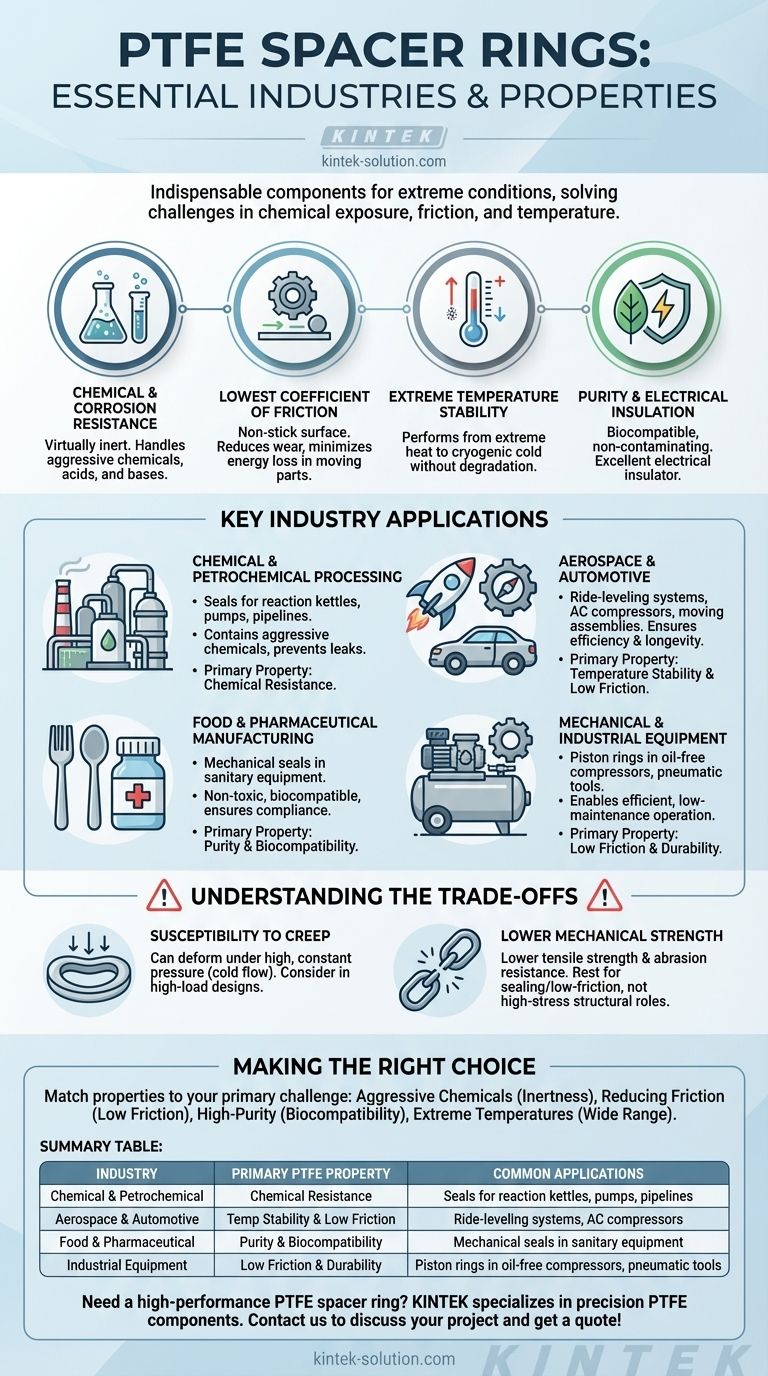
The widespread use of PTFE spacer rings is not based on a single feature, but on a powerful combination of chemical inertness, an extremely low coefficient of friction, and a wide operating temperature range. This makes PTFE a versatile problem-solver for the most demanding industrial environments.
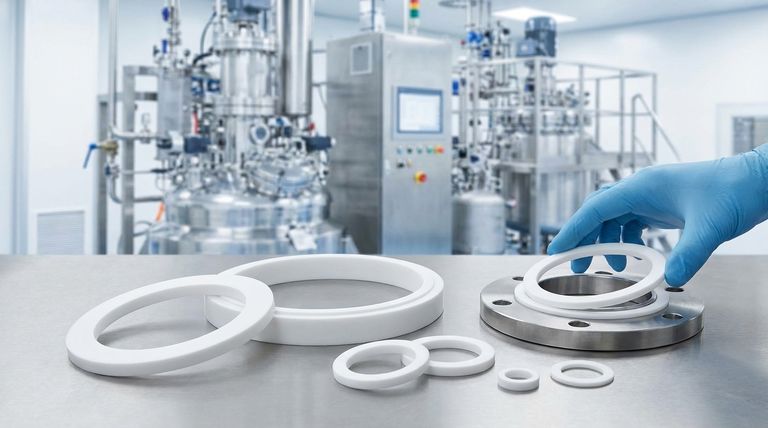
Why PTFE is the Material of Choice for Critical Applications
The value of PTFE (Polytetrafluoroethylene) in industrial applications stems directly from its core material science. Understanding these properties explains why it's so widely adopted.
Unmatched Chemical and Corrosion Resistance
PTFE is virtually inert and does not react with the vast majority of industrial chemicals, acids, and bases. This makes it an essential material for equipment that handles aggressive or corrosive substances.
The Lowest Coefficient of Friction
Known for its non-stick surface, PTFE has one of the lowest coefficients of friction of any solid material. This property is critical for reducing wear, minimizing energy loss, and ensuring smooth operation in moving parts like pistons and seals.
Extreme Temperature Stability
PTFE maintains its integrity and performance across a very broad temperature range. It can withstand extreme heat and cryogenic cold without becoming brittle or degrading, a crucial trait for aerospace and heavy industrial machinery.
Purity and Electrical Insulation
PTFE is inherently pure, biocompatible, and does not contaminate the materials it contacts. It is also an excellent electrical insulator, preventing unwanted electrical discharge in sensitive equipment.
Key Industry Applications in Detail
The theoretical properties of PTFE translate into tangible advantages across several key sectors. Each industry leverages specific characteristics to solve its unique challenges.
In Chemical and Petrochemical Processing
The primary driver here is chemical resistance. PTFE spacer rings are used in seals for reaction kettles, storage tanks, pumps, and pipelines to safely contain aggressive chemicals and prevent costly, hazardous leaks.
In Aerospace and Automotive
In these sectors, temperature stability and low friction are paramount. PTFE components are used in systems exposed to high temperatures and in parts like ride-leveling systems, air-conditioning compressors, and other moving assemblies where reducing friction is key to efficiency and longevity.
In Food and Pharmaceutical Manufacturing
Purity and chemical inertness are non-negotiable. PTFE is used for mechanical seals and spacers because it is non-toxic, biocompatible, and will not contaminate products, ensuring compliance with strict health and safety standards.
In Mechanical and Industrial Equipment
This broad category leverages PTFE's low friction and durability. It is a standard material for piston rings in oil-free compressors, gas rotary pumps, and pneumatic tools, where it enables efficient operation with minimal lubrication and maintenance.
Understanding the Trade-offs
While incredibly versatile, PTFE is not the solution for every engineering problem. Its limitations are important to consider for proper application.
Susceptibility to Creep
Under high, constant pressure, PTFE can be subject to "creep" or cold flow, where the material slowly deforms over time. This must be accounted for in high-load structural designs.
Lower Mechanical Strength
Compared to metals or other high-performance polymers, PTFE has lower tensile strength and abrasion resistance. It is best suited for sealing and low-friction applications rather than high-stress structural roles.
Making the Right Choice for Your Application
Selecting the right material depends entirely on the primary challenge you need to solve.
- If your primary focus is handling aggressive chemicals: PTFE's unparalleled inertness makes it the default choice for seals and spacers in chemical processing.
- If your primary focus is reducing friction in moving parts: Its remarkably low coefficient of friction is ideal for enhancing the efficiency of compressors, pumps, and automotive components.
- If your primary focus is high-purity or sanitary applications: PTFE's biocompatibility and non-contaminating nature are essential for the food, pharmaceutical, and medical industries.
- If your primary focus is performance in extreme temperatures: Its wide operating range makes it a reliable solution for aerospace and demanding industrial machinery.
By matching the distinct properties of PTFE to your specific operational demands, you can ensure optimal performance and reliability in your equipment.
Summary Table:
| Industry | Primary PTFE Property Utilized | Common Applications |
|---|---|---|
| Chemical & Petrochemical | Chemical Resistance | Seals for reaction kettles, pumps, pipelines |
| Aerospace & Automotive | Temperature Stability & Low Friction | Ride-leveling systems, AC compressors |
| Food & Pharmaceutical | Purity & Biocompatibility | Mechanical seals in sanitary equipment |
| Industrial Equipment | Low Friction & Durability | Piston rings in oil-free compressors, pneumatic tools |
Need a high-performance PTFE spacer ring for your specific application?
KINTEK specializes in manufacturing precision PTFE components—including custom spacer rings, seals, liners, and labware—for the semiconductor, medical, laboratory, and industrial sectors. We combine expert material knowledge with custom fabrication capabilities, from prototypes to high-volume orders, to deliver a solution that meets your exact requirements for chemical resistance, temperature stability, and low friction.
Contact KINTEK today to discuss your project and get a quote!
Visual Guide
Related Products
- Custom PTFE Insulating Gaskets and Corrosion Resistant Fluoropolymer Seals for Industrial Electrical Applications
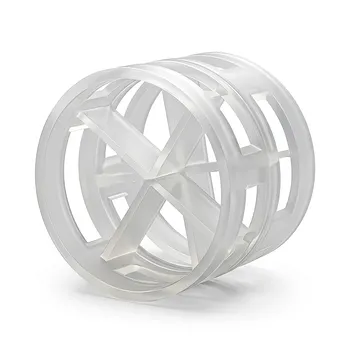
- High Purity PFA PTFE Raschig Rings for Chemical Distillation Tower Packing in Acidic and Alkaline Environments
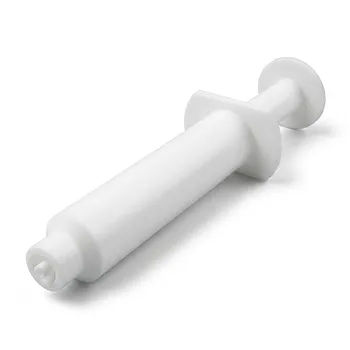
- Custom PTFE Corrosion Resistant White Syringe with Threaded Luer Connector Compatibility
- Virgin PTFE Precision Syringe for Chemical Dispensing and Syringe Pump Integration with FEP Tubing Compatibility
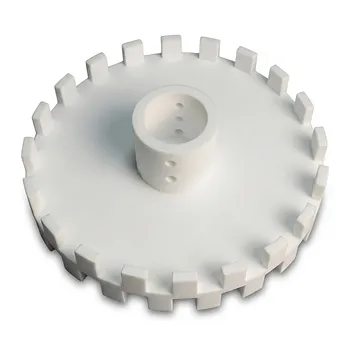
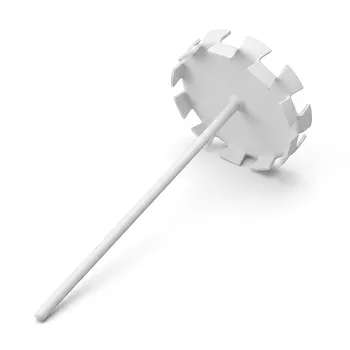
- Corrosion Resistant PTFE Stirring Disk Chemical Dispersion Plate 350mm Diameter Fluoropolymer Mixer Accessory
People Also Ask
- What are the three primary types of PTFE available for gaskets and seals? Choose the Right Material for Your Application
- Why is PTFE an ideal material choice for sealing gaskets, valves, and fluid transfer tubing exposed to extremely aggressive chemicals? Discover Its Superior Chemical Resistance and Reliability
- How is PTFE utilized in seals and gaskets? Leverage Its Chemical & Temperature Resistance
- What are the key properties of PTFE that make it suitable for seals and gaskets? Unlock Superior Sealing Performance
- How are custom PTFE parts used in the automotive sector? Enhance Vehicle Performance & Durability