In short, PTFE lip seals are used in critical industrial equipment where conventional elastomer seals fail due to extreme conditions. Common applications include centrifugal compressors, high-speed gearboxes, pumps, wind turbines, and oil & gas equipment like API 6A wellheads, as well as specialized machinery in chemical processing, food, and pharmaceutical manufacturing.
The core reason for their widespread use is straightforward: PTFE seals provide unparalleled reliability in environments with high speeds, aggressive chemicals, or extreme temperatures—from cryogenic to high heat—that would quickly destroy standard rubber seals.
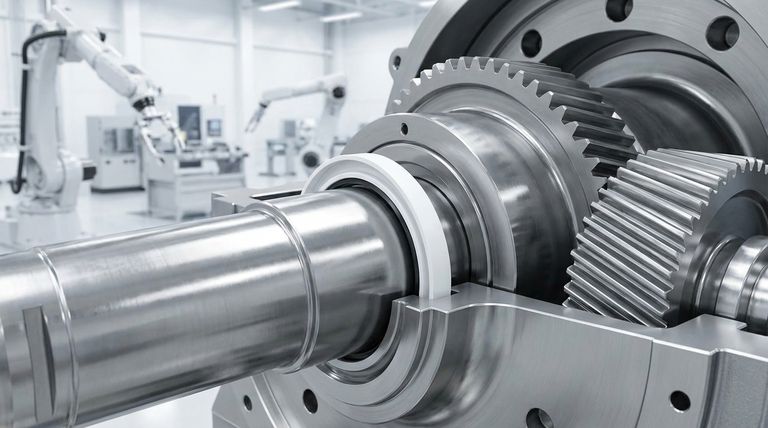
Why PTFE is the Material of Choice for Demanding Seals
The decision to use a PTFE lip seal is driven by the operational environment. Standard elastomeric (rubber) seals have limitations in temperature, chemical compatibility, and rotational speed. PTFE, or Polytetrafluoroethylene, overcomes these limitations through a unique combination of material properties.
Unmatched Chemical Resistance
PTFE is virtually inert to almost all industrial chemicals, acids, and solvents. This makes it the default choice for seals in chemical processing plants, pharmaceutical mixers, and oil and gas equipment where exposure to corrosive media is constant.
Wide Operating Temperature Range
PTFE seals maintain their integrity and performance across an exceptionally broad temperature spectrum. They are used in cryogenic applications like LNG loading arms and nozzles, as well as in high-temperature equipment like compressors and gearboxes where heat buildup is significant.
Low-Friction Performance
Known for its extremely low coefficient of friction (similar to wet ice on wet ice), PTFE is ideal for high-speed rotating shafts. This property minimizes frictional heat generation, reduces energy consumption, and prevents the "stick-slip" phenomenon that can cause vibration and wear in dynamic systems.
High-Pressure Capability
Specially designed PTFE lip seals can handle extreme pressures found in applications like API 6A wellhead equipment and high-pressure compressors. The material's strength prevents extrusion and ensures a reliable seal where elastomers would fail.
Purity and Non-Toxicity
Many grades of PTFE are compliant with FDA and other regulations for food and pharmaceutical contact. Its inert nature means it will not contaminate the processed media, making it essential for agitators, pumps, and valves in these sanitary industries.
A Closer Look at Key Industrial Applications
Understanding the "why" behind material selection helps clarify where these seals are most effective. We can group the primary applications by the core problem they solve.
Rotating and High-Speed Machinery
In equipment like gearboxes, centrifugal compressors, pumps, and wind turbines, the primary challenge is managing friction and heat on a rapidly rotating shaft. PTFE's low-friction nature allows for higher surface speeds without overheating or premature wear, ensuring longer service life and greater reliability.
Oil, Gas, and Chemical Processing
For API 6A wellheads, FPSO vessels, LNG arms, and chemical agitators, the seal must withstand aggressive chemicals and extreme temperatures or pressures. PTFE's chemical inertness and thermal stability make it one of the only viable materials for ensuring safe and leak-free operation in these hazardous environments.
Advanced Manufacturing and Automation
Equipment like machine tools, industrial robots, and manipulators requires precise, reliable movement without contamination from lubricants. PTFE seals provide smooth, low-friction operation that contributes to the accuracy and longevity of these automated systems.
Understanding the Trade-offs of PTFE Seals
While highly effective, PTFE seals are not a universal solution. Understanding their limitations is key to proper application and design.
Lower Elasticity
Unlike rubber, PTFE is a relatively rigid plastic with poor elastic memory. This means it doesn't "spring back" into shape as effectively. To compensate, most PTFE lip seals incorporate a metallic spring or energizer to maintain constant sealing force against the shaft.
Susceptibility to Creep
Under sustained pressure and elevated temperatures, PTFE can be subject to "creep" or "cold flow," where the material slowly deforms over time. Seal designs mitigate this by using fillers (like carbon, glass, or bronze) in the PTFE compound to improve dimensional stability and creep resistance.
Installation Sensitivity
Due to its rigidity, installing a PTFE seal requires more care than a flexible elastomeric seal. Specialized tools are often needed to avoid scratching or deforming the seal lip, which could compromise its performance.
Making the Right Choice for Your Application
Selecting the correct seal depends entirely on the demands of your operating environment.
- If your primary focus is high-speed rotation: Prioritize a low-friction PTFE compound to minimize heat generation and wear in equipment like gearboxes and pumps.
- If your primary focus is extreme chemical exposure: Leverage PTFE's near-universal inertness for applications in chemical reactors, mixers, and processing lines.
- If your primary focus is pressure or temperature extremes: Choose a seal design engineered specifically for the pressure and temperature range, such as those used in compressors or LNG systems.
- If your primary focus is product purity: Ensure you select an FDA-compliant or certified grade of PTFE for food, beverage, and pharmaceutical applications.
Ultimately, choosing a PTFE lip seal is an investment in reliability for your most critical and demanding industrial systems.
Summary Table:
| Application Category | Key Industries | Primary PTFE Advantage |
|---|---|---|
| Rotating & High-Speed Machinery | Gearboxes, Pumps, Wind Turbines, Compressors | Low Friction, High-Speed Capability |
| Oil, Gas & Chemical Processing | API 6A Wellheads, Chemical Reactors, LNG Systems | Extreme Chemical Resistance, High-Temp/Pressure Stability |
| Sanitary & Pure Manufacturing | Food, Pharmaceutical, Beverage | Non-Toxic, FDA-Compliant Purity |
| Advanced Manufacturing | Machine Tools, Industrial Robots | Reliable, Low-Friction Performance |
Need a Reliable PTFE Seal Solution for Your Demanding Application?
KINTEK specializes in manufacturing high-performance, custom PTFE components—including seals, liners, and labware—for the semiconductor, medical, laboratory, and industrial sectors. We prioritize precision production and offer custom fabrication from prototypes to high-volume orders.
Let us provide a sealing solution that ensures reliability in your most critical systems.
Contact us today for a consultation
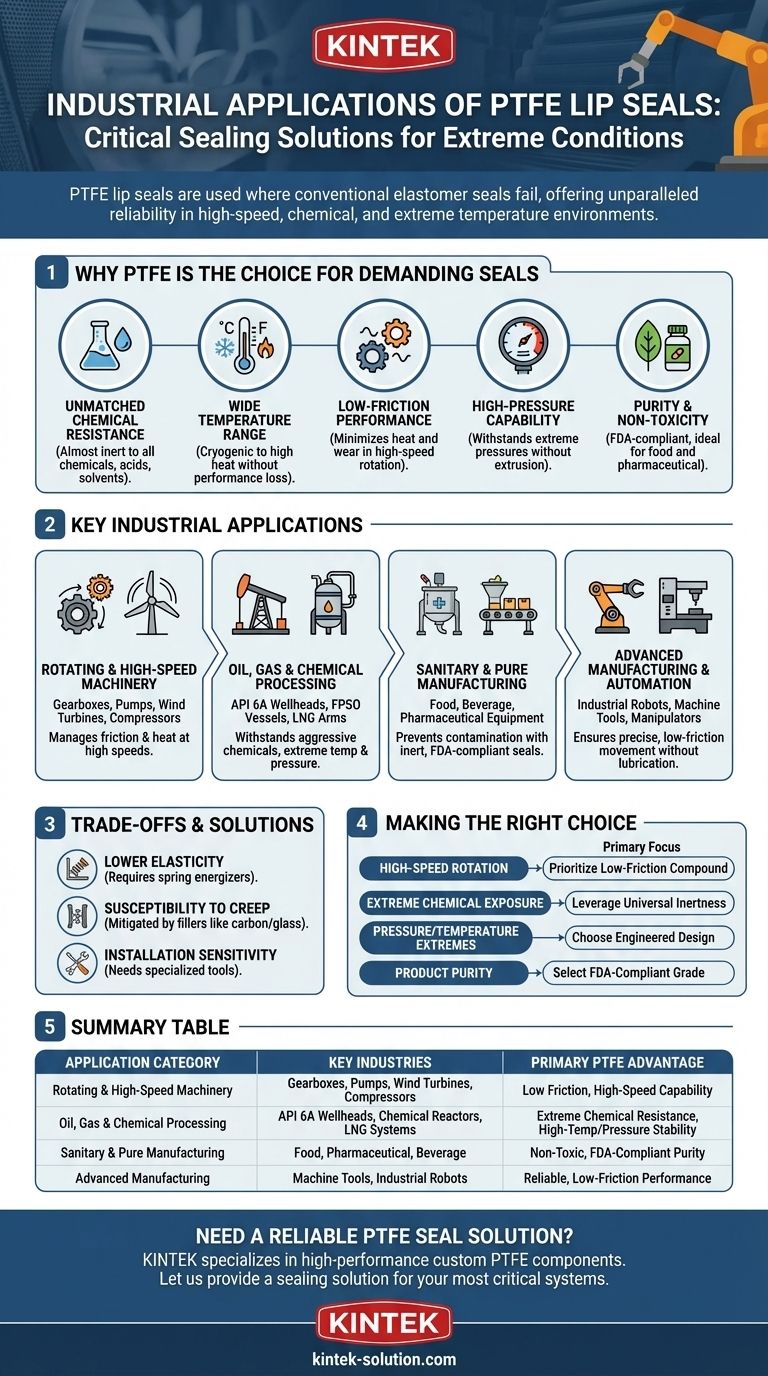
Visual Guide
Related Products
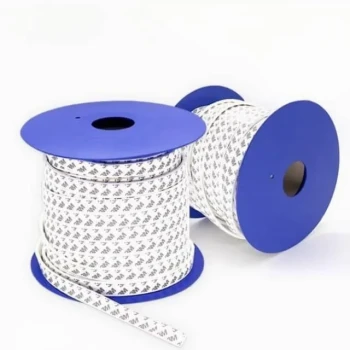
- Custom PTFE Sealing Tapes for Industrial and High Tech Applications
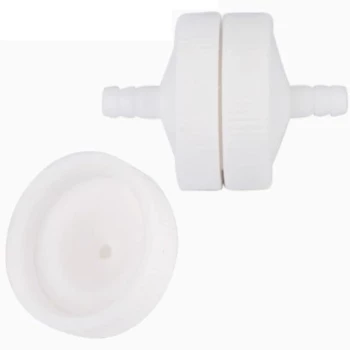
- Customizable PTFE Seals Filter Holders for Versatile Applications
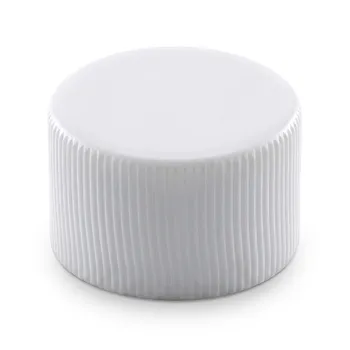
- Custom PTFE Sealing Caps and Corrosion Resistant Low Background Teflon Adapters
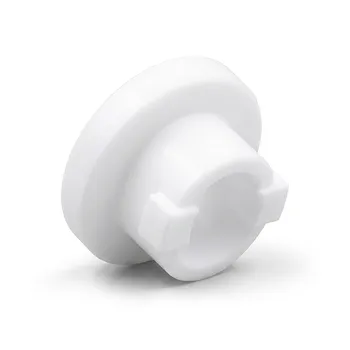
- Custom PTFE Insulating Gaskets and Corrosion Resistant Fluoropolymer Seals for Industrial Electrical Applications
- Custom PTFE Insulating Gaskets Corrosion Resistant Teflon Seals Tailored Engineering Plastic Components
People Also Ask
- How are custom PTFE parts used in the automotive sector? Enhance Vehicle Performance & Durability
- Why is PTFE's temperature stability important for sealing applications? Ensure Leak-Proof Performance from -200°C to 260°C
- Why is PTFE popular in the oil and gas industry? Withstand Extreme Heat, Pressure & Corrosion
- What is PTFE and why is it used for seals? The Ultimate Guide to High-Performance Sealing
- What are the key benefits of using PTFE for seals? Unlock Superior Performance in Extreme Conditions