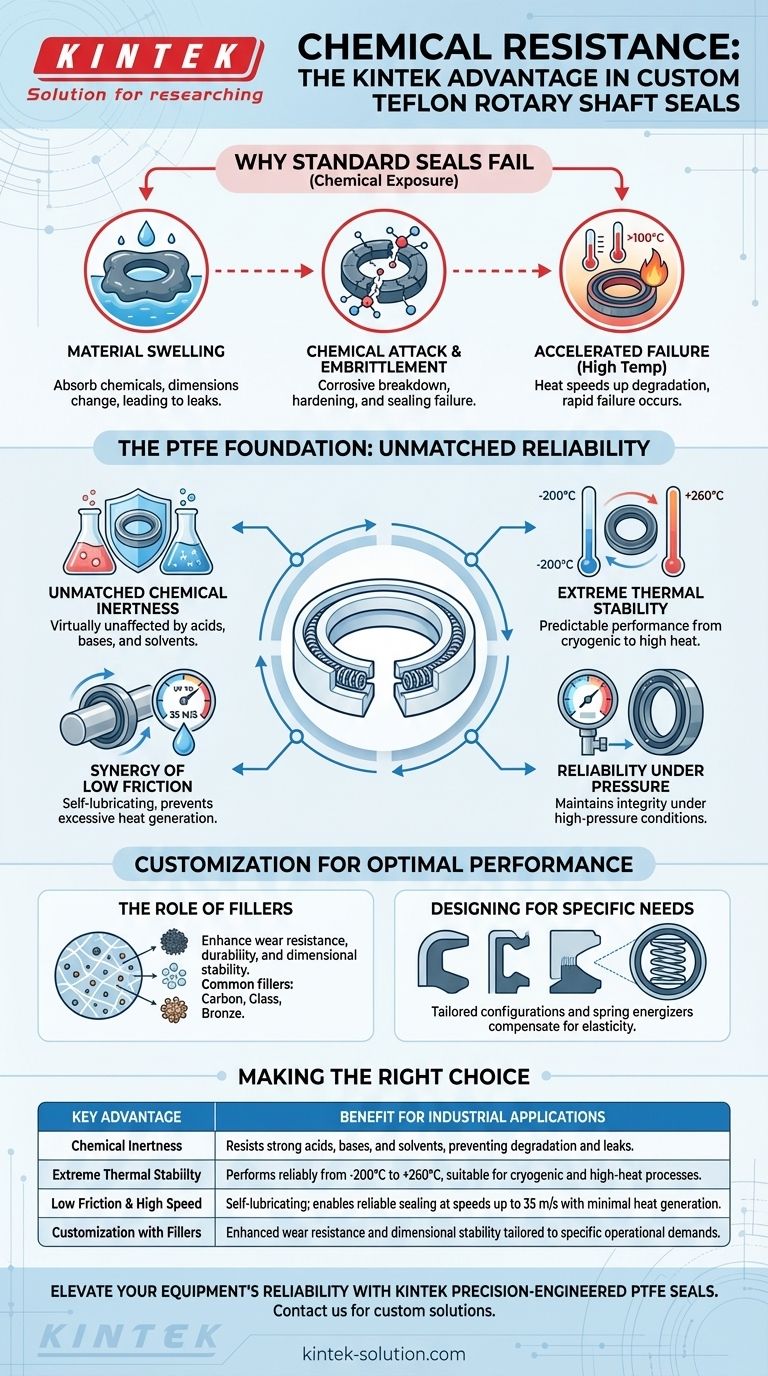
At its core, the chemical resistance of custom Teflon rotary shaft seals provides unwavering operational integrity in environments that would cause conventional seals to fail. This inertness to acids, bases, and solvents prevents material degradation, swelling, and premature failure, ensuring equipment reliability and extending service life even at extreme temperatures.
The true benefit isn't just that Teflon resists chemicals; it's that this fundamental property, combined with its thermal stability and low friction, enables reliable sealing in applications previously considered too hostile for effective, long-term operation.
Why Chemical Exposure Degrades Standard Seals
To appreciate the advantage of Teflon (PTFE), we must first understand why many other materials fail when exposed to aggressive industrial chemicals.
Material Swelling and Softening
Many elastomeric (rubber-like) seals absorb chemicals, causing them to swell. This changes the seal's dimensions, altering the designed contact pressure against the shaft and leading to leaks.
Chemical Attack and Embrittlement
Corrosive substances can break down the molecular bonds in a seal's material. This chemical attack leads to hardening, cracking, and a complete loss of sealing capability.
Accelerated Failure at High Temperatures
Elevated temperatures significantly speed up these degradation processes. A chemical that might only slowly affect a seal at room temperature can cause rapid failure when the system heats up.
The Foundational Advantages of PTFE in Sealing
Custom Teflon seals are not just a minor upgrade; they represent a different class of material science, providing a solution where others cannot.
Unmatched Chemical Inertness
PTFE is one of the most chemically inert polymers known. It is virtually unaffected by highly corrosive substances like strong acids, bases, and aggressive solvents that are common in chemical processing and manufacturing.
Extreme Thermal Stability
This chemical resistance is maintained across an exceptionally wide temperature range, typically from -200°C to +260°C. This means the seal performs predictably whether handling cryogenic fluids or high-temperature processing agents.
The Synergy of Low Friction
Teflon has an extremely low coefficient of friction. This self-lubricating property is critical because it prevents excessive heat generation at the sealing point, especially in high-speed applications up to 35 m/s. Less heat means less thermal stress on the seal and surrounding components.
Reliability Under Pressure
The inherent strength and stability of PTFE allow these seals to maintain their integrity and sealing force under high-pressure conditions, a common requirement in hydraulic systems and chemical reactors.
Customization and Performance Trade-offs
While pure PTFE is powerful, its true potential is unlocked through customization, which also involves understanding its limitations.
The Critical Role of Fillers
Pure PTFE can be susceptible to cold flow (creep) and has moderate wear resistance. To counteract this, manufacturers add fillers like carbon, glass fiber, or bronze to create a composite material. These fillers dramatically enhance wear resistance, durability, and dimensional stability to match specific application demands.
Designing for Specific Needs
Customization extends beyond material composition. The seal's lip configuration, size, shape, and the integration of a metal spring can all be tailored. A spring energizer, for example, provides consistent force to compensate for PTFE's lower elasticity compared to rubber, ensuring a tight seal over time.
Understanding the Limitations
The primary trade-off is often a higher initial cost compared to standard elastomer seals. Additionally, their relative stiffness compared to rubber requires more precise design considerations for both the seal and the housing to ensure optimal performance.
Making the Right Choice for Your Application
Selecting the correct seal material is a critical engineering decision that directly impacts equipment uptime, safety, and maintenance costs.
- If your primary focus is reliability in corrosive environments: The chemical inertness of a custom PTFE seal is the definitive choice for preventing leaks and extending service intervals.
- If your primary focus is performance at extreme temperatures: PTFE's ability to maintain its properties from cryogenic lows to high heat makes it uniquely suitable for aerospace and specialized industrial processes.
- If your primary focus is high-speed or high-pressure sealing: A filled PTFE seal provides the low-friction and high-durability characteristics necessary to prevent premature wear and failure.
Ultimately, choosing a custom Teflon seal is an investment in operational certainty where other materials present an unacceptable risk of failure.
Summary Table:
| Key Advantage | Benefit for Industrial Applications |
|---|---|
| Chemical Inertness | Resists strong acids, bases, and solvents, preventing degradation and leaks. |
| Extreme Thermal Stability | Performs reliably from -200°C to +260°C, suitable for cryogenic and high-heat processes. |
| Low Friction & High Speed | Self-lubricating; enables reliable sealing at speeds up to 35 m/s with minimal heat generation. |
| Customization with Fillers | Enhanced wear resistance and dimensional stability tailored to specific operational demands. |
Elevate your equipment's reliability with precision-engineered PTFE seals from KINTEK.
Our custom-fabricated Teflon components, including seals, liners, and labware, are designed for the most demanding applications in the semiconductor, medical, laboratory, and industrial sectors. We combine precision production with expert material science to deliver solutions that extend service life, reduce maintenance, and prevent costly downtime in hostile environments.
Whether you need a prototype or a high-volume order, our team is ready to engineer the perfect seal for your specific requirements.
Contact KINTEK today to discuss your project and request a quote.
Visual Guide
Related Products
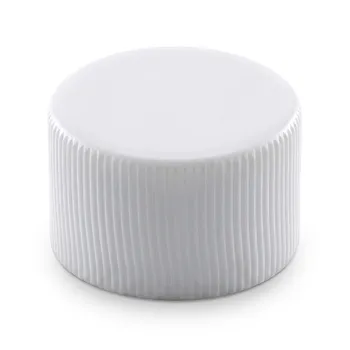
- Custom PTFE Sealing Caps and Corrosion Resistant Low Background Teflon Adapters
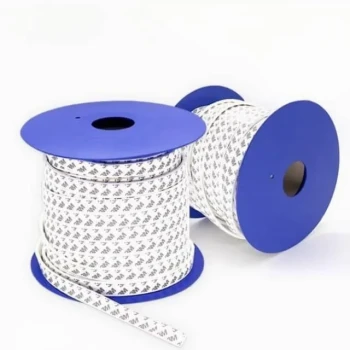
- Custom PTFE Sealing Tapes for Industrial and High Tech Applications
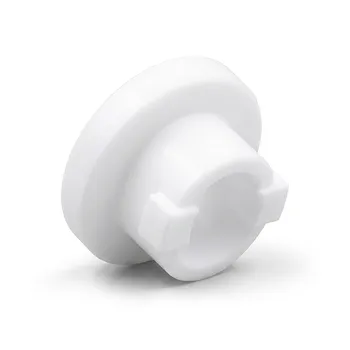
- Custom PTFE Insulating Gaskets Corrosion Resistant Teflon Seals Tailored Engineering Plastic Components
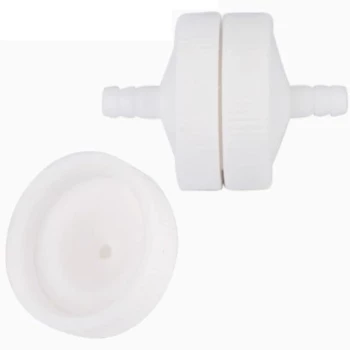
- Customizable PTFE Seals Filter Holders for Versatile Applications
- Custom PTFE Insulating Gaskets and Corrosion Resistant Fluoropolymer Seals for Industrial Electrical Applications
People Also Ask
- What material grades are available for PTFE caps? Choose the Right Grade for Purity or Performance
- What are the specialized types of PTFE caps and their uses? Ensure Sample Integrity and Safety
- How are custom PTFE parts used in the automotive sector? Enhance Vehicle Performance & Durability
- What are the electrical insulation properties of PTFE caps? Superior Dielectric Performance for Demanding Applications
- What are PTFE seals commonly known as? Discover Teflon® Seals for Extreme Performance