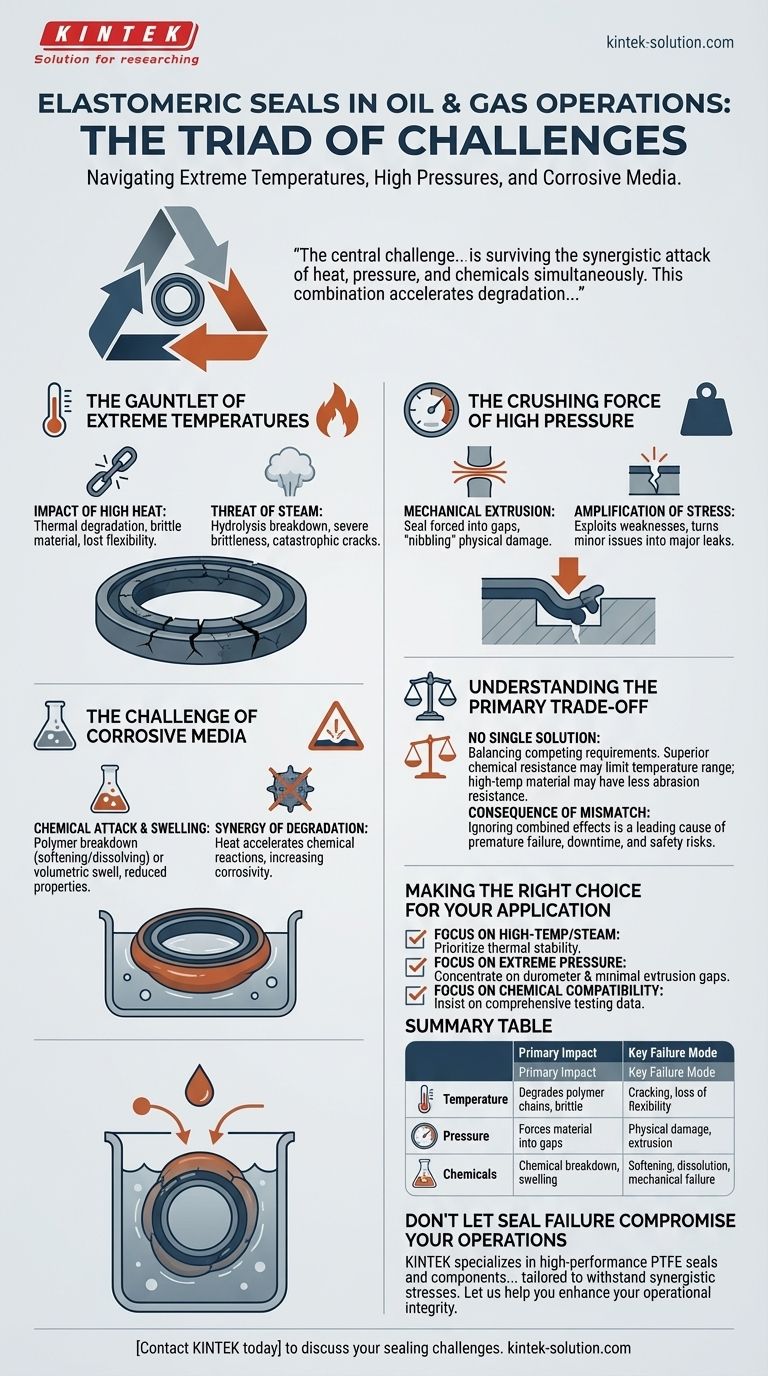
In the demanding environment of oil and gas operations, elastomeric seals are subjected to a triad of extreme conditions that relentlessly challenge their integrity. These core challenges are extreme temperatures, exceptionally high pressures, and constant exposure to corrosive chemical media. The combination of these factors, rather than any single one, is what makes sealing in this industry a significant engineering problem.
The central challenge for elastomeric seals is not weathering a single harsh condition, but surviving the synergistic attack of heat, pressure, and chemicals simultaneously. This combination accelerates degradation, leading to premature failure, costly downtime, and critical safety risks.
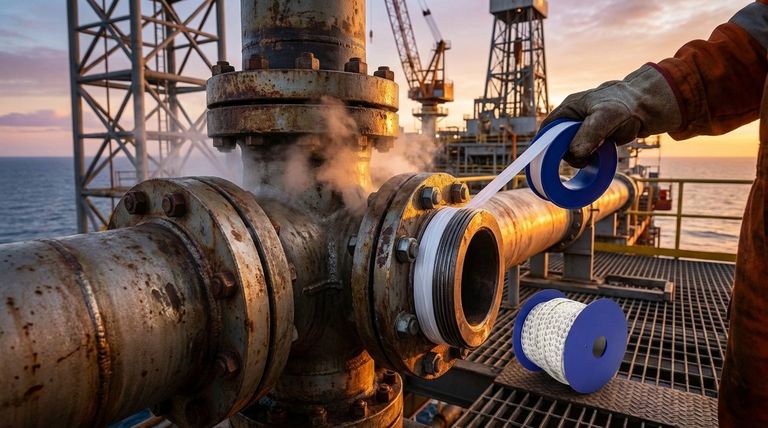
The Gauntlet of Extreme Temperatures
High temperatures are a constant threat to the fundamental properties of an elastomer. The material's ability to provide a reliable seal is directly tied to its performance under thermal stress.
The Impact of High Heat
Elevated temperatures cause the polymer chains within an elastomer to degrade. This thermal degradation results in the material becoming hard and brittle, losing the flexibility required to maintain a seal against a mating surface.
The Threat of Steam
Exposure to steam is particularly damaging. High-temperature steam can cause hydrolysis in some elastomers, a chemical breakdown that rapidly compromises the material. This often manifests as severe brittleness and a network of cracks, leading to catastrophic leak paths.
The Crushing Force of High Pressure
Operating pressures in oil and gas applications can be immense, often ranging from 1,500 to 25,000 psi. This constant force places enormous mechanical stress on the seal.
Mechanical Extrusion and Damage
Under extreme pressure, the seal material can be physically forced into the small clearance gap between metal components. This phenomenon, known as extrusion, effectively "nibbles" away at the seal, causing physical damage that quickly compromises its function.
The Amplification of Stress
High pressure ensures that any weakness in the seal—whether from heat damage or chemical attack—becomes an immediate point of failure. It exploits any loss of material integrity, turning a minor issue into a major leak.
The Challenge of Corrosive Media
Elastomers are in constant contact with a wide range of aggressive chemicals, from crude oil and natural gas to drilling fluids and injection chemicals.
Chemical Attack and Swelling
Corrosive media can cause two primary types of failure. The first is a direct chemical attack that breaks down the polymer, causing it to soften or dissolve. The second is excessive fluid absorption, which leads to volumetric swell, reducing the material's physical properties and potentially causing the seal to fail mechanically.
The Synergy of Degradation
The destructive effect of chemicals is often magnified by high temperatures. Heat accelerates the rate of chemical reactions, meaning a fluid that is moderately aggressive at room temperature can become highly corrosive at operating temperatures.
Understanding the Primary Trade-off
Selecting an elastomeric seal is not about finding one perfect material. It is an exercise in balancing competing requirements and understanding the inevitable trade-offs.
No Single Solution
There is no universal elastomer that excels across all conditions. A material offering superior chemical resistance may have limitations in its temperature range, while a high-temperature material might be less resistant to abrasion or extrusion under pressure.
The Consequence of Mismatch
Choosing a seal based on only one operating parameter is a common and costly mistake. A failure to account for the combined effects of temperature, pressure, and media is the leading cause of premature seal failure in the field. This leads directly to equipment downtime, lost production, and significant safety hazards.
Making the Right Choice for Your Application
Your final material selection must be guided by a clear understanding of the most critical stressor in your specific operational environment.
- If your primary focus is high-temperature and steam resistance: Prioritize advanced materials specifically engineered for thermal stability, as this is often the fastest path to seal degradation.
- If your primary focus is managing extreme pressure: Concentrate on material hardness (durometer) and ensuring the supporting hardware is designed with minimal extrusion gaps.
- If your primary focus is chemical compatibility: Insist on comprehensive testing data that validates the material's performance against the specific chemical cocktail it will face in your application.
A thorough understanding of these interconnected challenges is the first step toward ensuring operational integrity and safety.
Summary Table:
| Challenge | Primary Impact on Seal | Key Failure Mode |
|---|---|---|
| Extreme Temperatures | Degrades polymer chains, causes brittleness | Cracking, loss of flexibility |
| High Pressure | Forces material into gaps (extrusion) | Physical damage, nibbling |
| Corrosive Media | Chemical breakdown or excessive swelling | Softening, dissolution, mechanical failure |
Don't Let Seal Failure Compromise Your Operations
Navigating the combined challenges of extreme temperatures, crushing pressures, and aggressive chemicals requires a sealing solution engineered for performance and reliability. The right material selection is critical to preventing costly downtime and safety risks.
KINTEK specializes in manufacturing high-performance PTFE seals and components that excel in the most demanding environments, including those in the semiconductor, medical, laboratory, and industrial sectors. Our expertise in custom fabrication—from prototypes to high-volume orders—ensures you get a seal precisely tailored to withstand the specific synergistic stresses of your application.
Let us help you enhance your operational integrity. Contact KINTEK today to discuss your sealing challenges and discover how our precision PTFE components can provide a robust solution for your critical operations.
Visual Guide
Related Products
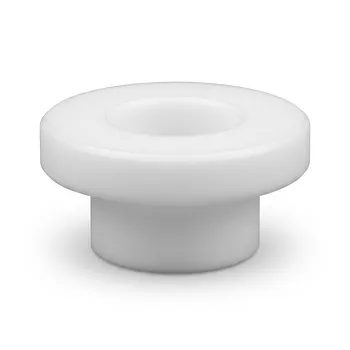
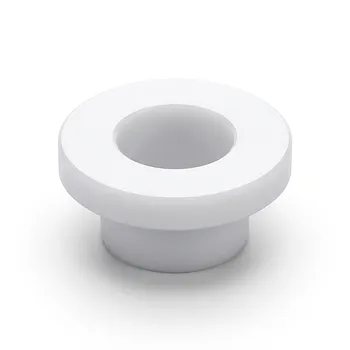
- Custom PTFE Insulating Gaskets and Corrosion Resistant Fluoropolymer Seals for Industrial Electrical Applications
- Custom PTFE Insulating Gaskets Corrosion Resistant Teflon Seals Tailored Engineering Plastic Components
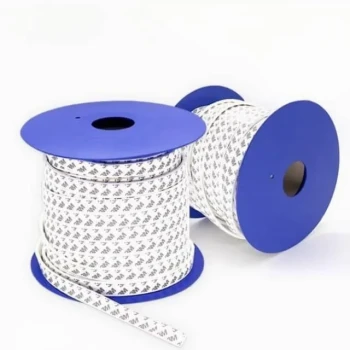
- Custom PTFE Sealing Tapes for Industrial and High Tech Applications
- Customizable High Temperature Resistant Anti Static PTFE Insulating Gaskets Flame Retardant Corrosion Proof Industrial Seals
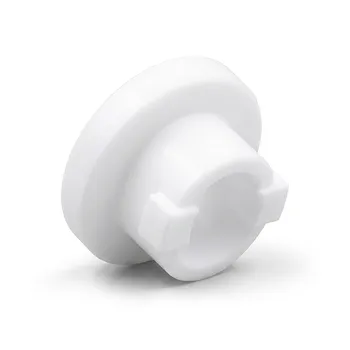
- Custom PTFE Sealing Caps and Corrosion Resistant Low Background Teflon Adapters
People Also Ask
- What are the three primary types of PTFE available for gaskets and seals? Choose the Right Material for Your Application
- Why is PTFE an ideal material choice for sealing gaskets, valves, and fluid transfer tubing exposed to extremely aggressive chemicals? Discover Its Superior Chemical Resistance and Reliability
- How is PTFE utilized in seals and gaskets? Leverage Its Chemical & Temperature Resistance
- What are the key properties of PTFE that make it suitable for seals and gaskets? Unlock Superior Sealing Performance
- How are custom PTFE parts used in the automotive sector? Enhance Vehicle Performance & Durability