All Questions
How Can Expanded Ptfe Gaskets Reduce Inventory Complexity? Consolidate Your Stock For Greater Efficiency
Learn how ePTFE gaskets replace multiple specialized materials, reducing inventory SKUs and preventing misapplication risks in chemical and industrial settings.
What Are The Advantages Of Using Expanded Ptfe Sheet Gasket Material? Superior Sealing For Demanding Applications
Discover the key benefits of ePTFE gaskets: exceptional chemical resistance, reliable low-bolt-load sealing, and superior resistance to cold flow.
How Is Expanded Ptfe (Eptfe) Material Constructed? A Deep Dive Into The Microporous Transformation
Learn how the controlled expansion of PTFE resin creates a flexible, porous, and strong ePTFE material with unique properties for demanding applications.
What Industries Commonly Use Expanded Ptfe Gaskets? A Guide To Critical Sealing Solutions
Discover why chemical, pharmaceutical, and food industries rely on expanded PTFE gaskets for superior chemical resistance, purity, and sealing performance.
What Are The Key Properties Of Expanded Ptfe (Eptfe) Gaskets? Solve Leaks On Damaged Flanges
Learn how EPTFE gaskets provide superior chemical resistance, creep resistance, and sealing on imperfect surfaces for demanding industrial applications.
Why Are Ptfe Flat Washers Ideal For Industrial Machinery? Achieve Durable, Maintenance-Free Sealing
PTFE washers offer extreme chemical resistance, low friction, and a wide temperature range for reliable performance in harsh industrial environments.
What Are The Primary Functions Of Flat Washers? Ensuring Secure, Durable, And Damage-Free Joints
Discover the core functions of flat washers: distributing load, preventing surface damage, and spanning oversized holes for reliable assemblies.
What Are The Main Characteristics Of Ptfe Flat Washers? Essential Properties For Demanding Seals
Explore the key properties of PTFE flat washers: extreme chemical resistance, wide temperature range, low friction, and superior electrical insulation.
What Is One Weakness Of Ptfe Gaskets And Sheets? Understanding Creep And Cold Flow
Learn about PTFE's key weakness: cold flow or creep deformation under pressure, and how to mitigate it for a reliable seal.
How Can Users Obtain Customized Ptfe Gaskets And Sheets? Get Precision Parts For Your Industry
Learn how to specify and order custom PTFE gaskets, sheets, and components with fillers, adhesives, and special forms for your application.
What Makes Ptfe Gaskets And Sheets Ideal For Chemical And Pharmaceutical Industries? Achieve Uncompromising Purity And Safety
Discover why PTFE's chemical inertness, non-toxicity, and durability make it the top choice for sealing in demanding chemical and pharmaceutical applications.
How Does The Versatility Of Ptfe Gaskets And Sheets Benefit Users? Achieve A Perfect Seal For Any Application
Discover how PTFE's chemical inertness, thermal stability, and customizability provide reliable sealing solutions for demanding industries.
What Temperature Range Can Ptfe Gaskets And Sheets Withstand? A Guide From -200°C To +260°C
Learn the full PTFE temperature range (-200°C to +260°C), its limits under pressure, and how to select the right gasket for your application.
Why Is Chemical Resistance Important For Ptfe Gaskets And Sheets? Ensure Unmatched Safety And Reliability
Learn why PTFE's chemical inertness is critical for sealing against aggressive acids, bases, and solvents, preventing leaks and ensuring process purity.
What Are The Key Advantages Of Using Ptfe Gaskets And Sheets? Superior Sealing For Harsh Environments
Discover the key advantages of PTFE gaskets & sheets: extreme chemical resistance, wide temperature range, non-stick surface & electrical insulation.
What Makes Ptfe Washers Suitable For The Food Industry? Ensure Safety, Hygiene & Durability
Learn why FDA-approved PTFE washers are ideal for food processing, offering chemical inertness, non-stick surfaces, and resistance to heat and cleaning agents.
Why Are Ptfe Washers Advantageous In Mechanical Assemblies? Enhance Performance & Durability
Discover how PTFE washers reduce friction, distribute loads evenly, and resist chemicals & extreme heat to protect your mechanical assemblies.
What Shapes And Forms Are Ptfe Washers Available In? From Standard Circles To Custom Profiles
PTFE washers are available in square, hexagonal, rectangular, and custom 2D profiles. Learn how to choose the right shape for sealing, spacing, or cost-efficiency.
What Are Some Common Applications Of Ptfe Washers? Ideal For Sealing, Insulation, And Low-Friction Needs
Explore common PTFE washer applications in plumbing, electronics, aerospace, and food industries. Learn how their chemical inertness, heat resistance, and low friction provide reliable performance.
Can Ptfe Washers Be Customized? Get A Perfect Fit For Your Specific Application
Learn how PTFE washers can be customized in dimensions, tolerances, colors, and with functional enhancements like adhesive backing.
What Are The Size And Thickness Ranges Available For Ptfe Washers? Find The Perfect Fit For Your Application
Discover PTFE washer sizes (OD: 0.093" to 16") & thicknesses (0.0002" to 0.125") for electronics, chemical, and industrial sealing needs.
What Are Some Unique Features Of Expanded Ptfe Gaskets? Superior Conformability & Creep Resistance
Discover the unique advantages of expanded PTFE (ePTFE) gaskets: superior chemical resistance, conformability, and creep resistance for demanding seals.
What Are The Thermal And Electrical Properties Of Expanded Ptfe Gaskets? Superior Insulation For Extreme Conditions
Explore the thermal and electrical properties of ePTFE gaskets, including their wide temperature range, dielectric strength, and sealing capabilities.
What Is The Composition Of Expanded Ptfe Gaskets? Discover The Science Behind Superior Sealing
Learn how expanded PTFE gaskets are made from pure carbon and fluorine for maximum chemical resistance and flexibility in demanding applications.
How Does Expanded Ptfe Compare To Regular Ptfe Gaskets? Unlock Superior Flexibility And Sealing
Discover why expanded PTFE gaskets offer superior flexibility, surface conformity, and creep resistance compared to rigid standard PTFE for challenging seals.
What Are The Chemical Resistance Properties Of Expanded Ptfe Gaskets? A Guide To Universal Sealing Performance
Learn why expanded PTFE gaskets offer near-universal chemical resistance to acids, alkalis, and solvents across the 0-14 pH scale.
What Is Expanded Ptfe Gasket Material And How Is It Produced? A Guide To Superior Sealing Performance
Learn about expanded PTFE (ePTFE) gaskets: their unique microporous structure, manufacturing process, and superior sealing benefits for demanding applications.
Why Are Gaskets Made Of Teflon Used In Construction? Prevent Galvanic Corrosion Between Dissimilar Metals
Learn why Teflon (PTFE) gaskets are essential for isolating dissimilar metals in construction to prevent hidden galvanic corrosion and ensure structural integrity.
What Are The Benefits Of Using Ptfe Gaskets In Industrial Sealing Applications? Achieve Leak-Free Performance In Harsh Environments
Discover the key benefits of PTFE gaskets, including superior chemical resistance, extreme temperature tolerance, and non-stick properties for reliable sealing.
What Maintenance Practices Are Recommended For Ptfe Gaskets? Ensure Long-Term Reliability And Prevent Leaks
Learn essential PTFE gasket maintenance: proactive inspection, proper handling, and managing creep to maximize service life and prevent failures.
What Are The Key Steps For Properly Installing Ptfe Gaskets? Ensure A Leak-Free Seal With Our Expert Guide.
Learn the critical steps for PTFE gasket installation, including preparation, alignment, and staged torque procedures to prevent leaks and cold flow failure.
How Are Ptfe Gaskets Used In The Petrochemical Industry? Ensure Leak-Proof Seals For Aggressive Chemicals
Learn how PTFE gaskets provide critical sealing in petrochemical applications, offering unmatched chemical resistance and temperature tolerance for safety.
What Makes Ptfe Gaskets Suitable For Aerospace Applications? Unmatched Reliability In Extreme Conditions
Discover why PTFE gaskets are the aerospace standard for sealing in extreme temperatures, harsh chemicals, and high-wear environments.
How Are Ptfe Gaskets Applied In The Automotive Industry? Ensure Reliable Seals In Harsh Environments
Discover how PTFE gaskets provide superior chemical resistance, thermal stability, and low friction for automotive engines, fuel systems, and electronics.
What Role Do Ptfe Gaskets Play In The Food And Beverage Industry? Ensuring Purity And Compliance
Learn how PTFE gaskets ensure food safety, maintain hygiene, and withstand harsh processing conditions in the food and beverage industry.
How Are Ptfe Gaskets Utilized In Pharmaceutical Manufacturing? Ensuring Purity And Compliance
Discover how PTFE gaskets ensure product purity, prevent contamination, and meet strict FDA regulations in pharmaceutical manufacturing.
What Are Some Specific Applications Of Ptfe Gaskets In The Chemical Processing Industry? Prevent Leaks In Corrosive Systems
Explore key PTFE gasket uses in chemical plants: sealing flanges, valves, pumps & reactors for superior chemical resistance and product purity.
How Does The Flexibility Of Ptfe Gaskets Contribute To Their Sealing Performance? Achieve Leak-Free Reliability
Learn how PTFE gasket flexibility creates a high-integrity seal by conforming to surface imperfections and adapting to dynamic conditions.
What Advantages Do The Low Friction And Non-Stick Properties Of Ptfe Gaskets Provide? Boost System Reliability And Purity
Discover how PTFE gasket properties like low friction and non-stick surfaces reduce maintenance, prevent contamination, and extend equipment lifespan.
Why Is The High-Temperature Tolerance Of Ptfe Gaskets Important? Ensure Reliable Sealing In Extreme Heat
Learn why PTFE gasket heat resistance up to 260°C (500°F) is critical for leak prevention in demanding industrial applications like steam systems and chemical processing.
What Are Ptfe Gaskets And Why Are They Preferred For Sealing Applications? Unlock Superior Chemical & Thermal Sealing
Discover why PTFE gaskets are the top choice for extreme chemical resistance, temperature stability (-200°C to 260°C), and reliable sealing in demanding applications.
What Are The Different Forms Of Ptfe Used For Manufacturing Gaskets And Seals? Choose The Right Material For Your Application
Compare virgin, filled, and expanded PTFE (ePTFE) for gaskets and seals. Learn which type offers the best chemical resistance, strength, or conformability.
What Are The Limitations Of Ptfe Gaskets? Understanding Mechanical Weaknesses For Better Sealing
Learn the key mechanical limitations of PTFE gaskets, including creep, cold flow, and rigidity, to prevent seal failure in demanding applications.
What Are The Key Benefits Of Ptfe (Teflon) Gaskets? Superior Chemical & Temperature Resistance
Discover the key benefits of PTFE gaskets: unmatched chemical inertness, extreme temperature stability, and non-stick properties for demanding seals.
What Are The Limitations Of Silicone Gaskets? Key Weaknesses In Strength & Chemical Resistance
Understand silicone gasket limitations: poor tear strength, high gas permeability, and incompatibility with oils, fuels, and high-pressure systems.
What Are The Standard Gasket Choices For Ptfe Rotary Lip Seals? Ensure Total System Reliability
Compare FKM, NBR, EPDM, and reinforced paper gaskets for PTFE seals. Learn how to select the right material for temperature, chemical, and cost requirements.
What Thickness Options Are Available For Ptfe Gaskets? Select The Right Seal For Your Application
Learn about standard PTFE gasket thicknesses (1-10mm) and how to choose the right type (Virgin, ePTFE, Envelope) for your sealing needs.
What Nominal Pressure Ratings Are Available For Ptfe Gaskets? Understand The Limits Of Pure Ptfe
Learn about PTFE gasket PN ratings (PN2.5 to PN100) and why pressure class is only half the story for a reliable seal.
What Nominal Sizes Are Available For Ptfe Gaskets? From Dn15 To Dn2000 And Beyond
Explore the full range of standard PTFE gasket sizes (DN15-DN2000), including critical specs for thickness, pressure rating, and material type.
What Standards Are Available For Ptfe Gaskets? Selecting The Right Standard For Reliable Sealing
Learn about PTFE gasket standards like ASME B16.20, DIN 2690, and FDA compliance to ensure a proper fit and safe, leak-free performance.
What Are The Key Features Of Ptfe Gaskets? Unlock Superior Chemical & Thermal Sealing
Discover PTFE gasket properties: extreme chemical inertness, wide temperature range (-200°C to 260°C), low friction, purity, and solutions for creep resistance.
What Is The Chemical Composition Of Ptfe Gaskets? Discover The Source Of Its Superior Performance
PTFE gaskets are made of carbon and fluorine. Learn how this simple composition creates unmatched chemical resistance and temperature stability.
What Are The Characteristics Of Virgin Grade Ptfe (Teflon) Gaskets? Unmatched Purity & Chemical Resistance
Discover the key properties of 100% pure PTFE gaskets: exceptional chemical resistance, low friction, and broad temperature range for critical applications.
What Is The Alternative To Ptfe Gaskets That Combines Its Advantages With Better Sealing Properties? Discover Enhanced Sealing Solutions
Explore alternatives to PTFE gaskets like ePTFE and FFKM for superior sealing performance without sacrificing chemical resistance.
Why Might Ptfe Gaskets Fail In Sanitary Applications? The Hidden Mechanical Flaws In A Chemically Perfect Material
Discover why PTFE gasket failure in sanitary systems stems from physical properties like hardness and creep, not chemical breakdown, and learn how to choose the right seal.
What Are The Key Advantages Of Using Ptfe/Teflon Tri-Clamp Sanitary Gaskets? Maximize Purity & Performance
Explore the key benefits of PTFE/Teflon gaskets: superior chemical resistance, extreme temperature stability, and non-stick purity for sanitary systems.
How Do Ptfe Gaskets Perform In Extreme Temperatures? From -200°C To +260°C
Explore PTFE gasket performance from cryogenic -200°C to high-temp +260°C. Learn about thermal stability, limits, and application guidelines.
What Makes Ptfe Gaskets Ideal For Marine Applications? Superior Sealing For Harsh Saltwater Environments
Discover why PTFE gaskets excel in marine settings with unmatched corrosion resistance, extreme temperature stability, and non-toxic properties.
Why Are Ptfe Gaskets Suitable For The Food And Beverage Industry? Ensure Purity, Hygiene & Performance
Learn why FDA-compliant PTFE gaskets are ideal for food processing due to chemical inertness, non-stick surfaces, and high-temperature stability.
What Are Some Common Defects Of Ptfe Gaskets And How Can They Be Managed? Mitigate Creep & Cold Flow For Reliable Seals
Learn how to manage PTFE gasket defects like creep and low compressibility. Discover strategies for filled PTFE, flange design, and material selection to prevent leaks.
What Is Ptfe Gasket Material? The Ultimate Guide To Chemical-Resistant Sealing
Explore PTFE gasket properties: unmatched chemical inertness, wide temperature range, and applications in semiconductor, medical, and industrial sealing.
What Factors Should Be Considered When Choosing Between Ptfe And Teflon For Gasket Design? Select The Right Fluoropolymer For Your Sealing Needs
Understand the key differences between PTFE, PFA, and FEP for gasket design. Learn how to select based on temperature, chemical resistance, and mechanical properties.
What Are The Main Applications Of Ptfe Gaskets? Sealing Solutions For Harsh Chemical & High-Temp Environments
Explore PTFE gasket uses in chemical processing, automotive, aerospace & electronics for superior chemical resistance, temperature stability & electrical insulation.
What Are Ptfe Gaskets And What Are Their Key Properties? Solve Sealing Challenges In Extreme Conditions
Learn about PTFE gaskets' chemical inertness, extreme temperature resilience, and low friction. Understand their trade-offs like creep and how to select the right type.
What Considerations Should Be Made When Deciding To Use Ptfe Gaskets? Balance Chemical Resistance With Mechanical Limits
Learn when to use PTFE gaskets for chemical inertness and purity, and how to manage their susceptibility to creep and cold flow under pressure.
How Does The Flexibility Of Ptfe Gaskets Contribute To Their Versatility? Sealing Imperfect Surfaces With Ease
Discover how PTFE gasket flexibility enables superior sealing on uneven surfaces and in demanding chemical & thermal environments.
What Are The Limitations Of Ptfe Gaskets In High-Pressure Applications? Overcoming Cold Flow & Creep Issues
Learn the key limitations of PTFE gaskets in high-pressure systems, including cold flow, creep, and temperature sensitivity, plus engineered alternatives.
What Makes Ptfe Gaskets Suitable For The Food Industry? Ensure Purity And Compliance
Discover why PTFE gaskets are ideal for food processing: FDA-compliant, chemically inert, non-stick, and heat-resistant for superior hygiene.
Why Are Ptfe Gaskets Considered Durable In Harsh Conditions? Unmatched Chemical & Temperature Resistance
Learn why PTFE gaskets excel in harsh environments due to their chemical inertness, extreme temperature stability, and resilience to pressure.
How Does The Chemical Resistance Of Ptfe Gaskets Benefit Industrial Applications? Achieve Unmatched Reliability
Explore how PTFE gaskets' chemical inertness enhances safety, reduces downtime, and lowers costs in demanding industrial environments.
What Are The Disadvantages Of Ptfe Gaskets? Key Limitations To Consider
Learn the key disadvantages of PTFE gaskets, including creep, cold flow, limited compressibility, and unsuitability for high-pressure applications.
What Industries Commonly Use Ptfe Gaskets And Why? Solve Demanding Sealing Challenges
Learn why chemical, pharmaceutical, food, and energy industries rely on PTFE gaskets for chemical inertness, high purity, and extreme temperature resistance.
What Is A Ptfe Gasket And What Are Its Primary Properties? Unlock Superior Chemical And Thermal Sealing
Discover the key properties of PTFE gaskets, including unmatched chemical resistance, thermal stability, and how to manage creep for a reliable seal.
What Makes Ptfe Gaskets An Excellent Choice For Compressors? Unlock Superior Sealing Performance
Discover why PTFE gaskets excel in compressors with high heat resistance, chemical inertness, low friction, and durability for reliable operation.
Why Are Ptfe Gaskets Suitable For Food Processing Plants? Ensure Purity & Compliance
Learn why FDA-approved PTFE gaskets are ideal for food processing, offering chemical inertness, non-stick surfaces, and high-temperature resistance.
How Are Ptfe Gaskets Utilized In Electrical Components? Ensure Superior Insulation & Sealing
Learn how PTFE gaskets provide critical electrical insulation and environmental sealing for transformers, motors, PCBs, and high-frequency equipment.
What Role Do Ptfe Gaskets Play In The Medical And Pharmaceutical Industries? Ensuring Purity And Safety In Critical Applications
Discover why PTFE gaskets are essential for medical and pharmaceutical applications, offering biological inertness, chemical resistance, and contamination prevention.
Why Are Ptfe Gaskets Used In The Petrochemical Industry? For Superior Chemical & Thermal Resistance
Discover why PTFE gaskets are essential for sealing in the petrochemical industry, offering unmatched chemical inertness and extreme temperature stability.
How Do Ptfe Gaskets Benefit Industrial Operations In Terms Of Maintenance? Reduce Downtime And Costs
Learn how PTFE gaskets reduce maintenance frequency, simplify replacements, and protect equipment to lower operational costs and increase uptime.
What Is Ptfe Commonly Known As And Why Is It Used For Gaskets? | Superior Sealing Solutions
Discover why PTFE (Teflon) is the top choice for gaskets in harsh environments, offering unmatched chemical resistance and extreme temperature performance.
Why Are Ptfe Gaskets Preferred In Extreme Temperature Environments? Unlock Reliable Sealing From -200°C To +260°C
Learn why PTFE gaskets excel in extreme temperatures from -200°C to +260°C, offering superior thermal stability and chemical resistance.
What Role Does High-Pressure Laminate (Hpl) Play In Ptfe Gasket Manufacturing? Prevent Cold Flow For Reliable Seals
Learn how HPL reinforcement in PTFE gaskets prevents cold flow, enabling reliable sealing in high-pressure, high-temperature industrial applications.
How Does The Non-Stick Property Of Ptfe Benefit Gasket Applications? Ensure Clean, Durable, And Low-Maintenance Seals
Learn how PTFE's non-stick nature enhances gasket performance in hygiene, mechanical integrity, and maintenance for industrial and sanitary applications.
What Are The Key Benefits Of Using Ptfe Gaskets? Achieve Unmatched Chemical & Temperature Resistance
Discover the top benefits of PTFE gaskets: superior chemical resistance, extreme temperature stability, and non-stick properties for demanding applications.
What Are The Steps Involved In The Compression Molding Process For Ptfe Gaskets? From Powder To Precision Seal
Learn the key stages of PTFE gasket compression molding: pre-forming, sintering, and machining. Achieve high-density, reliable seals for demanding applications.
What Are The Two Main Methods Used To Manufacture Ptfe Gaskets? Ensure Optimal Sealing Performance
Learn about compression molding and cutting methods for PTFE gaskets. Understand how manufacturing affects density, precision, and chemical resistance.
What Is Ptfe And What Makes It Suitable For Gaskets? The Ultimate Guide To High-Performance Sealing
Learn why PTFE's chemical inertness, thermal stability, and low friction make it a top choice for industrial gaskets in harsh environments.
What Factors Should Be Considered When Choosing A Gasket Material? A Guide To Reliable Sealing
Learn the key factors—temperature, pressure, chemical compatibility—to select the right gasket material for reliable, long-lasting seals in any system.
What Are Ptfe-Coated Gaskets And What Are Their Limitations? Understanding The Risks Of Surface Coatings
Learn the critical limitations of PTFE-coated gaskets, including flaking, contamination risks, and why they fail in demanding applications.
How Do Rubber Gaskets Compare To Ptfe Gaskets? Choose The Right Seal For Your Application
Compare rubber vs. PTFE gaskets: flexibility & cost vs. extreme chemical & temperature resistance. Make the right choice for your system.
What Are The Main Advantages Of Ptfe Gaskets? Superior Sealing For Extreme Chemical & Thermal Environments
Discover the key benefits of PTFE gaskets: unmatched chemical resistance, extreme temperature stability, and superior sealing for demanding applications.
How Do Ptfe Gaskets Prevent The Ingress Of Corrosive Fluids Into Seals? Achieve Unmatched Chemical Containment
Learn how PTFE's chemical inertness and physical impermeability create an impenetrable barrier against corrosive fluids, gases, and vapors.
How Do Ptfe Gaskets Improve Coupling Efficiency? Maximize Uptime & Safety In Harsh Chemical Processes
Learn how PTFE gaskets create leak-proof seals for chemical/petrochemical systems, preventing product loss, reducing downtime, and enhancing safety.
How Do Ptfe Gaskets Prevent The Transfer Of Grit Into Gearboxes? Create An Impermeable Barrier Against Contaminants
Learn how PTFE gaskets use conformability and chemical resistance to seal gearboxes against grit, dust, and moisture, ensuring long-term reliability.
How Do Ptfe Gaskets Stabilize Pump And Gear Housing? Prevent Degradation For Long-Term Stability
Discover how PTFE gaskets stabilize mechanical housings by sealing out contaminants, reducing internal friction, and withstanding operational stresses.
What Are The Benefits Of Using Eptfe Joint Sealant? Achieve Superior Sealing For Demanding Applications
Discover the key benefits of EPTFE joint sealant, including extreme pressure resistance, vacuum compatibility, and superior adaptability for irregular surfaces.
In Which Industries Are Eptfe Gaskets Commonly Used? Critical Sealing Solutions For Demanding Environments
Discover the top industries using ePTFE gaskets for superior chemical resistance, purity, and sealing performance in harsh conditions.
What Are The Key Properties Of Eptfe Gaskets? Superior Sealing For Extreme Conditions
Discover the key properties of ePTFE gaskets: chemical inertness, high temperature resistance, and superior sealing for demanding applications.
How Is Ptfe Utilized In Seals And Gaskets? Leverage Its Chemical & Temperature Resistance
Explore how PTFE seals and gaskets offer extreme chemical inertness, a wide temperature range, and low friction for demanding industrial applications.
How Does The Application Of Ptfe Gaskets Improve Equipment Performance? Enhance Sealing Integrity & Reliability
Discover how PTFE gaskets improve equipment performance with superior sealing, chemical resistance, and low friction to extend machinery lifespan.
Related Products

Custom PTFE Insulating Gaskets Corrosion Resistant Teflon Seals Tailored Engineering Plastic Components

Custom PTFE Insulating Gaskets and Corrosion Resistant Fluoropolymer Seals for Industrial Electrical Applications
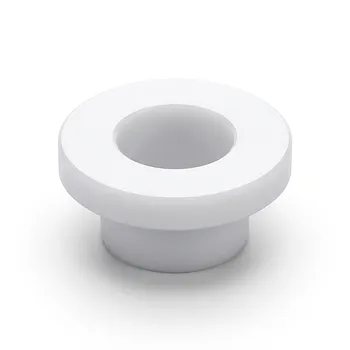
Customizable High Temperature Resistant Anti Static PTFE Insulating Gaskets Flame Retardant Corrosion Proof Industrial Seals

PTFE Deep Evaporating Dishes Customizable Laboratory and Industrial Solutions
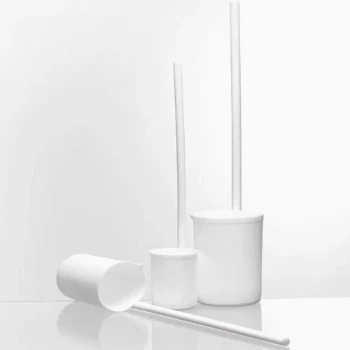
PTFE Chemical Solvent Sampling Spoon