In short, PTFE gaskets directly reduce industrial maintenance by lasting longer, simplifying the replacement process, and protecting the equipment they are installed in. Their inherent durability against chemicals and wear means they fail less often, while their non-stick, low-friction surface makes installation faster and reduces wear on expensive moving parts.
The core benefit of PTFE in a maintenance context is its ability to reduce both the frequency and the difficulty of service interventions. This translates directly to lower labor costs, increased operational uptime, and extended equipment lifespan.

The Core Principle: Reducing Replacement Frequency
The most significant maintenance saving comes from not having to perform the maintenance in the first place. PTFE's material properties are exceptionally suited to long service intervals.
Exceptional Durability and Fatigue Resistance
PTFE gaskets are engineered to withstand the stresses of industrial operations. They maintain stable performance even under long-term use and repeated cyclic loads.
This inherent toughness means they are less prone to failure from mechanical stress, a common issue with lesser materials.
Superior Chemical and Thermal Stability
One of PTFE's defining features is its near-total chemical inertness and wide temperature tolerance.
Unlike other materials that degrade when exposed to aggressive chemicals or temperature swings, PTFE remains stable. This stability means replacements are scheduled based on planned service intervals, not on unexpected material failure.
Simplifying the Maintenance Process Itself
When replacement is eventually necessary, PTFE gaskets make the job significantly easier and faster for maintenance teams.
The Non-Stick Surface Advantage
The non-stick nature of PTFE is a major advantage during disassembly. The gasket material does not adhere to flange faces or mating surfaces.
This prevents the time-consuming and potentially damaging process of scraping off old, baked-on gasket material, saving significant labor time during shutdowns.
Preventing System Contamination
Impurities and solid particles in the process media do not easily stick to PTFE's smooth surface.
This quality helps ensure the smooth operation of pipelines and equipment, preventing clogs or blockages that would otherwise require an unscheduled maintenance intervention.
Protecting Surrounding Equipment
A key, often overlooked benefit of PTFE is its ability to reduce wear and tear on the expensive equipment it serves.
Low Friction and Self-Lubrication
In dynamic applications like valves or pumps, PTFE's extremely low coefficient of friction allows components to operate smoothly.
Its self-lubricating properties minimize friction on moving parts like valve stems or shafts, reducing wear and eliminating the need for periodic lubrication—a maintenance task in itself.
Extending Component Service Life
By reducing friction and wear, PTFE gaskets and packing actively contribute to the longevity of the entire mechanical assembly.
This means fewer costly repairs or replacements of critical equipment components, shifting maintenance budgets away from reactive fixes and toward proactive improvements.
Understanding the Trade-offs
While highly effective, PTFE is not a universal solution. An objective assessment requires acknowledging its limitations.
Susceptibility to Creep
Under sustained pressure and temperature, PTFE can be subject to "creep" or "cold flow," where the material slowly deforms over time. This must be accounted for in joint design and bolt torque procedures to prevent eventual leaks.
Lower Mechanical Strength
Compared to metallic gaskets, pure PTFE has lower compressive strength. For very high-pressure applications, reinforced PTFE (filled with materials like glass, carbon, or graphite) is often necessary to provide additional rigidity and creep resistance.
Thermal Expansion
PTFE has a relatively high coefficient of thermal expansion. In systems with wide temperature fluctuations, this must be carefully managed through proper design to maintain a consistent seal.
Making the Right Choice for Your Goal
Select your gasket material based on the specific maintenance problem you are trying to solve.
- If your primary focus is maximizing uptime in harsh chemical environments: PTFE's chemical inertness is its greatest asset, ensuring fewer shutdowns for gasket failure.
- If your primary focus is reducing labor costs during planned turnarounds: The non-stick surface of PTFE flange gaskets drastically speeds up the replacement process.
- If your primary focus is extending the life of rotating or actuated equipment: The low-friction, self-lubricating properties of PTFE seals and packing will minimize wear on expensive components.
Ultimately, investing in PTFE gaskets is a strategic decision to reduce the long-term operational and financial burden of industrial maintenance.
Summary Table:
| Maintenance Benefit | How PTFE Gaskets Help |
|---|---|
| Reduces Replacement Frequency | Exceptional chemical, thermal, and fatigue resistance for long service life. |
| Simplifies Replacement Process | Non-stick surface prevents adhesion, speeding up disassembly and installation. |
| Protects Equipment | Low friction and self-lubrication minimize wear on valves, pumps, and other components. |
| Prevents Contamination | Smooth surface resists buildup, preventing clogs and unscheduled interventions. |
Ready to reduce your maintenance downtime and costs?
KINTEK specializes in manufacturing high-performance, precision PTFE components—including seals, gaskets, liners, and labware—for the semiconductor, medical, laboratory, and industrial sectors. Our custom fabrication services, from prototypes to high-volume orders, ensure you get a solution tailored to your specific operational challenges.
Contact KINTEK today to discuss how our PTFE components can enhance your equipment's reliability and longevity.
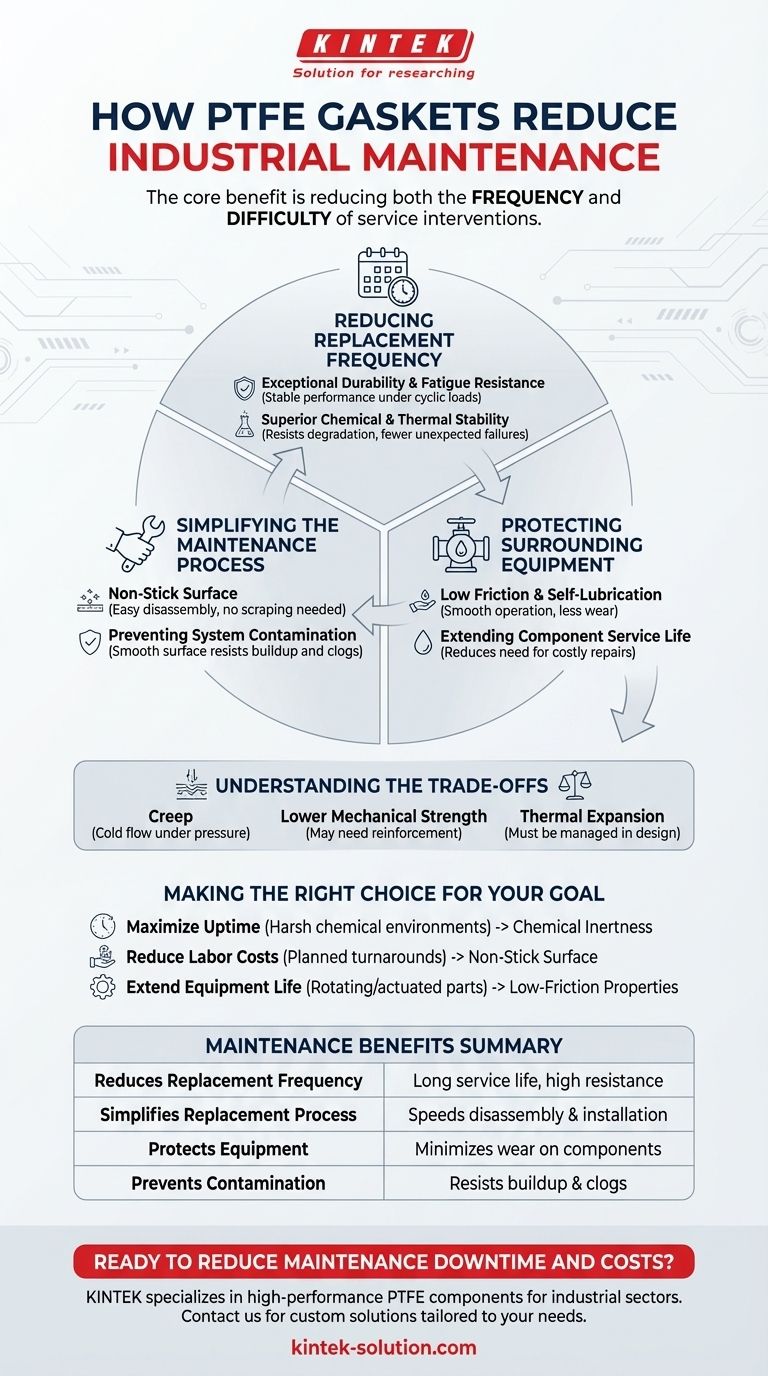
Visual Guide
Related Products
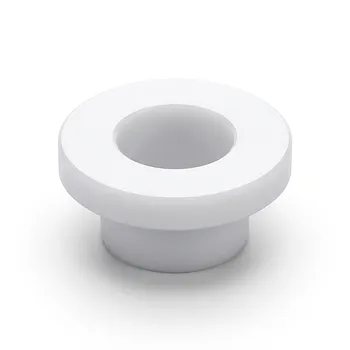
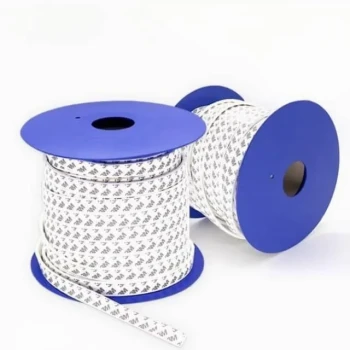
- Customizable High Temperature Resistant Anti Static PTFE Insulating Gaskets Flame Retardant Corrosion Proof Industrial Seals
- Custom PTFE Insulating Gaskets Corrosion Resistant Teflon Seals Tailored Engineering Plastic Components
- Custom PTFE Insulating Gaskets and Corrosion Resistant Fluoropolymer Seals for Industrial Electrical Applications
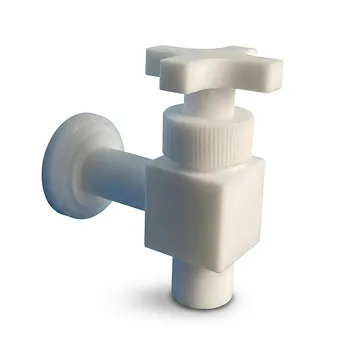
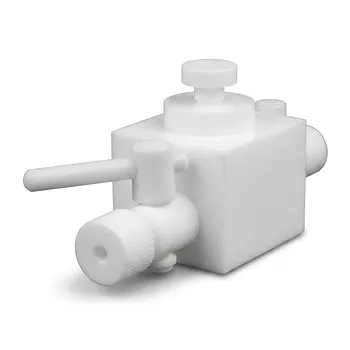
- High Corrosion Resistant PTFE Faucet Polytetrafluoroethylene Valve for Chemical Storage Drums and Fluid Transfer Systems Customizable Industrial Grade
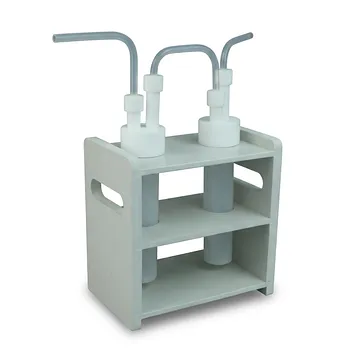
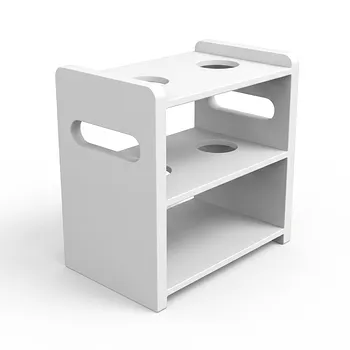
- Custom PTFE Acid Resistant Support Rack Multi Hole PFA Hydrogen Absorption System Bracket
People Also Ask
- Why is PTFE an ideal material choice for sealing gaskets, valves, and fluid transfer tubing exposed to extremely aggressive chemicals? Discover Its Superior Chemical Resistance and Reliability
- How is PTFE utilized in seals and gaskets? Leverage Its Chemical & Temperature Resistance
- What are the key properties of PTFE that make it suitable for seals and gaskets? Unlock Superior Sealing Performance
- What role do PTFE gaskets play in the food and beverage industry? Ensuring Purity and Compliance
- Why do PTFE gaskets have a long service life? Achieve Unmatched Sealing Durability & Cost Savings