All Questions
Why Are Ptfe Gaskets Preferred In Extreme Temperature Environments? Unlock Reliable Sealing From -200°C To +260°C
Learn why PTFE gaskets excel in extreme temperatures from -200°C to +260°C, offering superior thermal stability and chemical resistance.
What Role Does High-Pressure Laminate (Hpl) Play In Ptfe Gasket Manufacturing? Prevent Cold Flow For Reliable Seals
Learn how HPL reinforcement in PTFE gaskets prevents cold flow, enabling reliable sealing in high-pressure, high-temperature industrial applications.
How Does The Non-Stick Property Of Ptfe Benefit Gasket Applications? Ensure Clean, Durable, And Low-Maintenance Seals
Learn how PTFE's non-stick nature enhances gasket performance in hygiene, mechanical integrity, and maintenance for industrial and sanitary applications.
What Are The Key Benefits Of Using Ptfe Gaskets? Achieve Unmatched Chemical & Temperature Resistance
Discover the top benefits of PTFE gaskets: superior chemical resistance, extreme temperature stability, and non-stick properties for demanding applications.
What Are The Steps Involved In The Compression Molding Process For Ptfe Gaskets? From Powder To Precision Seal
Learn the key stages of PTFE gasket compression molding: pre-forming, sintering, and machining. Achieve high-density, reliable seals for demanding applications.
What Are The Two Main Methods Used To Manufacture Ptfe Gaskets? Ensure Optimal Sealing Performance
Learn about compression molding and cutting methods for PTFE gaskets. Understand how manufacturing affects density, precision, and chemical resistance.
What Is Ptfe And What Makes It Suitable For Gaskets? The Ultimate Guide To High-Performance Sealing
Learn why PTFE's chemical inertness, thermal stability, and low friction make it a top choice for industrial gaskets in harsh environments.
What Factors Should Be Considered When Choosing A Gasket Material? A Guide To Reliable Sealing
Learn the key factors—temperature, pressure, chemical compatibility—to select the right gasket material for reliable, long-lasting seals in any system.
What Are Ptfe-Coated Gaskets And What Are Their Limitations? Understanding The Risks Of Surface Coatings
Learn the critical limitations of PTFE-coated gaskets, including flaking, contamination risks, and why they fail in demanding applications.
How Do Rubber Gaskets Compare To Ptfe Gaskets? Choose The Right Seal For Your Application
Compare rubber vs. PTFE gaskets: flexibility & cost vs. extreme chemical & temperature resistance. Make the right choice for your system.
What Are The Main Advantages Of Ptfe Gaskets? Superior Sealing For Extreme Chemical & Thermal Environments
Discover the key benefits of PTFE gaskets: unmatched chemical resistance, extreme temperature stability, and superior sealing for demanding applications.
How Do Ptfe Gaskets Prevent The Ingress Of Corrosive Fluids Into Seals? Achieve Unmatched Chemical Containment
Learn how PTFE's chemical inertness and physical impermeability create an impenetrable barrier against corrosive fluids, gases, and vapors.
How Do Ptfe Gaskets Improve Coupling Efficiency? Maximize Uptime & Safety In Harsh Chemical Processes
Learn how PTFE gaskets create leak-proof seals for chemical/petrochemical systems, preventing product loss, reducing downtime, and enhancing safety.
How Do Ptfe Gaskets Prevent The Transfer Of Grit Into Gearboxes? Create An Impermeable Barrier Against Contaminants
Learn how PTFE gaskets use conformability and chemical resistance to seal gearboxes against grit, dust, and moisture, ensuring long-term reliability.
How Do Ptfe Gaskets Stabilize Pump And Gear Housing? Prevent Degradation For Long-Term Stability
Discover how PTFE gaskets stabilize mechanical housings by sealing out contaminants, reducing internal friction, and withstanding operational stresses.
What Are The Benefits Of Using Eptfe Joint Sealant? Achieve Superior Sealing For Demanding Applications
Discover the key benefits of EPTFE joint sealant, including extreme pressure resistance, vacuum compatibility, and superior adaptability for irregular surfaces.
In Which Industries Are Eptfe Gaskets Commonly Used? Critical Sealing Solutions For Demanding Environments
Discover the top industries using ePTFE gaskets for superior chemical resistance, purity, and sealing performance in harsh conditions.
What Are The Key Properties Of Eptfe Gaskets? Superior Sealing For Extreme Conditions
Discover the key properties of ePTFE gaskets: chemical inertness, high temperature resistance, and superior sealing for demanding applications.
How Is Ptfe Utilized In Seals And Gaskets? Leverage Its Chemical & Temperature Resistance
Explore how PTFE seals and gaskets offer extreme chemical inertness, a wide temperature range, and low friction for demanding industrial applications.
How Does The Application Of Ptfe Gaskets Improve Equipment Performance? Enhance Sealing Integrity & Reliability
Discover how PTFE gaskets improve equipment performance with superior sealing, chemical resistance, and low friction to extend machinery lifespan.
What Other Fields Can Ptfe Gaskets Be Used In? Beyond Chemical Plants To Electronics & Pharma
Explore PTFE gasket uses in electrical insulation, dynamic seals, and sensitive material sealing for industries like semiconductor, medical, and food processing.
What Applications Do Ptfe Gaskets Have In The Shipbuilding Industry? Ensure Leak-Free Performance In Harsh Marine Environments
Explore the critical uses of PTFE gaskets in shipbuilding for sealing pipelines, machinery, and hulls against seawater, chemicals, and extreme temperatures.
How Are Ptfe Gaskets Used In The Construction Field? Solve Sealing Challenges In Harsh Environments
Discover how PTFE gaskets provide superior chemical resistance, temperature stability, and low friction for critical seals in pipelines and steel structures.
Why Are Ptfe Gaskets Preferred In Aerospace Applications? Ensuring Reliability In Extreme Conditions
Discover why PTFE gaskets are ideal for aerospace, offering unmatched chemical inertness, extreme temperature resistance, and low-friction performance.
How Do Ptfe Gaskets Benefit The Mechanical Equipment Industry? Enhance Equipment Reliability And Longevity
Discover how PTFE gaskets provide superior sealing, reduce friction, withstand extreme conditions, and extend the service life of mechanical equipment.
What Role Do Ptfe Gaskets Play In The Energy And Power Industry? Ensuring Safety And Reliability In Critical Infrastructure
Explore how PTFE gaskets provide superior electrical insulation and sealing for power generation equipment, ensuring operational safety and minimizing downtime.
Why Are Ptfe Gaskets Suitable For Pharmaceutical And Food Equipment? Ensure Purity And Fda Compliance
Discover why PTFE gaskets are ideal for pharma and food equipment due to chemical inertness, non-toxicity, and FDA compliance, ensuring product purity and safety.
How Are Ptfe Gaskets Used In The Petroleum And Chemical Industry? Ensure Leak-Proof Sealing In Harsh Environments
Learn how PTFE gaskets provide critical chemical resistance and reliable sealing for reactors, pipelines, and tanks in corrosive industrial applications.
In Which Industries Are Ptfe Gaskets Commonly Used? Essential Sealing For Harsh Environments
Explore the key industries using PTFE gaskets, including chemical processing, pharmaceuticals, and aerospace, for superior chemical and temperature resistance.
What Is The Significance Of The Insulation Performance Of Ptfe Gaskets? Ensure Safety & Reliability
Learn why PTFE gasket insulation is critical for preventing short circuits, ensuring operational safety, and protecting sensitive electronics in harsh environments.
How Does The Anti-Adhesion Performance Of Ptfe Gaskets Benefit Equipment Operation? Ensure Purity And Reduce Wear
Discover how PTFE gaskets' non-stick surface prevents contamination, reduces friction, and extends equipment life in demanding industrial applications.
What Makes Ptfe Gaskets Resistant To Chemical Corrosion? The Molecular Fortress Explained
Discover how PTFE's unique carbon-fluorine bond structure creates a chemically inert gasket, resistant to acids, solvents, and alkalis.
How Do Ptfe Gaskets Perform Under Long-Term Operation And Cyclic Loads? Ensure Reliable Sealing In Demanding Applications
Learn how PTFE gaskets handle long-term use and cyclic loads, including their chemical inertness, thermal stability, and how to manage creep for optimal performance.
What Temperature Range Can Ptfe Gaskets Withstand? From Cryogenic -200°C To High-Temp 260°C
Learn the definitive temperature range for PTFE gaskets: -200°C to 260°C. Understand performance limits, trade-offs, and how to choose the right PTFE type.
Why Is The Low Friction Coefficient Of Ptfe Gaskets Important? Key To Durability And Efficiency
Discover how PTFE gaskets' low friction reduces wear, extends service life, and improves energy efficiency in demanding industrial applications.
How Does The Sealing Performance Of Ptfe Gaskets Benefit Industrial Applications? Ensure Leak-Free Reliability In Harsh Environments
Explore how PTFE gaskets provide superior chemical inertness, extreme temperature stability, and low friction for enhanced safety and reduced downtime.
What Are The Advantages Of Ptfe Gaskets? Superior Sealing For Extreme Chemical & Thermal Environments
Discover the key benefits of PTFE gaskets: unmatched chemical resistance, extreme temperature stability, low friction, and high purity for demanding applications.
What Are Ptfe Gaskets And How Are They Made? A Guide To High-Performance Sealing Solutions
Learn about PTFE gaskets: their types, manufacturing process, and how to select the right one for chemical resistance and high-temperature applications.
How Can The Right Ptfe Gasket Improve Equipment Service Life? Extend Lifespan With Superior Protection
Discover how the right PTFE gasket prevents leaks, reduces friction, and resists corrosion to significantly extend your equipment's service life and reliability.
What Factors Should Engineers Consider When Selecting Ptfe Gaskets? Ensure A Perfect Seal For Your Application
Learn the key factors for selecting PTFE gaskets: material type, temperature, pressure, chemical compatibility, and flange condition for optimal sealing.
Why Is Expanded Ptfe Considered Superior For Demanding Applications? Unlock Superior Sealing Performance
Discover why expanded PTFE's unique fibrillated microstructure offers superior creep resistance and sealing for demanding chemical and industrial applications.
What Are The Torque Requirements For Ptfe Gaskets According To En 1591-1? A Guide To Reliable Sealing
EN 1591-1 doesn't provide a single torque value. Learn how to calculate the correct torque range for your PTFE gasket based on material and operating conditions.
How Does En 13555 Assist In Comparing Ptfe Gaskets? Make Data-Driven Sealing Decisions
Learn how EN 13555 testing provides objective data on stress, pressure, and leakage to accurately compare PTFE gasket performance for your application.
What Are The Key Differences Between Monoaxial And Multidirectional Expanded Ptfe? Choose The Right Eptfe For Your Seal
Learn the critical difference between monoaxial and multidirectional ePTFE: fiber orientation dictates mechanical strength, stability, and ideal applications.
What Role Do Fillers Play In Structured Ptfe? Enhancing Strength, Wear, And Thermal Performance
Learn how fillers like glass and carbon transform PTFE, boosting wear resistance 1000x, improving creep resistance, and doubling thermal conductivity.
How Is Structured Ptfe Manufactured? The Process Behind High-Performance Ptfe Components
Learn how structured PTFE is made through paste extrusion, fibrillation, and sintering to create unique properties like porosity and high strength.
What Challenges Arise During The Manufacturing Of Skived Ptfe Sheets? Achieving Consistent Quality And Performance
Explore the key manufacturing challenges of skived PTFE sheets, from billet inconsistencies to internal stresses, and learn how to ensure material uniformity.
How Is Virgin Ptfe Processed Into Sheets? A Guide To Purity, Performance, And Trade-Offs
Learn the multi-step process of making virgin PTFE sheets, from powder compression to sintering and skiving, and understand its key properties and limitations.
Why Is The Quality Of Ptfe Resin Important For Structured And Expanded Ptfe? Ensure Long-Term Sealing Integrity
Learn how high-quality PTFE resin with long molecular chains provides superior creep resistance and durability for critical sealing applications.
What Are The Three Primary Classifications Of Ptfe Gasket Materials? Skived, Structured, Or Expanded Ptfe
Learn the differences between skived, structured, and expanded PTFE gaskets to select the right material for chemical resistance, pressure, and flange conditions.
What Are The Main Disadvantages Of Virgin Ptfe Products In Fluid Sealing Applications? Overcoming Creep And Cold Flow
Learn the key mechanical weaknesses of virgin PTFE seals, including high creep, low strength, and poor recovery, and discover superior alternatives.
What Are Typical Applications Of Tfe Encapsulated Gaskets? Ideal For Chemical & High-Purity Seals
Discover how TFE encapsulated gaskets provide reliable seals in chemical processing, pharmaceuticals, and more by combining PTFE inertness with resilient elastomer cores.
What Are The Advantages Of Square Cross-Section Ring Seals In Tfe Encapsulated Gaskets? Achieve Superior, Reliable Sealing
Discover the key advantages of square cross-section TFE encapsulated seals: larger sealing surface, reduced compression, and drop-in retrofitting for reliability.
What Are The Benefits Of White Tfe Encapsulated Silicone Core Gaskets? Optimize Purity & Performance
Discover the benefits of white TFE encapsulated silicone gaskets for superior chemical inertness, thermal stability, and cost-efficiency in sanitary applications.
What Are The Core Materials Used In Tfe Encapsulated Gaskets And Their Applications? A Guide To Superior Sealing
Learn about TFE encapsulated gaskets: their FEP shell, silicone/Viton core, and applications in chemical, pharmaceutical, and food industries.
What Factors Should Be Considered When Choosing Between Ptfe And Rubber Washers? Optimize Sealing For Extreme Or Everyday Use
Learn the key differences between PTFE and rubber washers to select the right material for chemical resistance, temperature, flexibility, and cost.
What Are The Key Reasons To Choose Ptfe Washers? Unmatched Performance In Demanding Environments
Discover why PTFE washers excel in chemical resistance, extreme temperatures, and low friction for semiconductor, medical, and industrial applications.
How Do Ptfe Washers Compare To Rubber Washers In Electrical Insulation? The Definitive Guide For Safety & Performance
PTFE washers offer superior dielectric strength & moisture resistance for reliable electrical insulation, while rubber washers can pose a conductivity risk.
How Do Ptfe Washers Perform In Extreme Temperature Conditions? Unmatched Stability From -200°C To 260°C
Learn how PTFE washers maintain integrity and sealing capability in extreme temperatures, from cryogenic -200°C to high-heat 260°C, for reliable performance.
What Is A Key Advantage Of Ptfe Washers In Terms Of Chemical Resistance? Unmatched Protection Against Corrosives
Discover the key advantage of PTFE washers: near-total chemical inertness for superior sealing against acids, bases, and solvents.
What Is The Primary Material Distinction Between Ptfe Washers And Rubber Washers? Choose The Right Washer For Your Application
Learn the key differences between PTFE and rubber washers: PTFE offers low friction and chemical resistance, while rubber provides superior sealing and flexibility.
What Industries Commonly Use Teflon Washers? Unlock Versatile Sealing Solutions
Discover why Teflon (PTFE) washers are essential in chemical, aerospace, food, and electronics industries for their chemical resistance and low friction.
What Are The Two Main Manufacturing Methods For Teflon Washers? Choose The Right Process For Your Project
Compare compression molding vs. machining for Teflon washers: cost, precision, and volume. Learn which method is best for your application.
How Do Teflon And Nylon Washers Differ? Choose The Right Washer For Your Application
Compare Teflon vs. nylon washers: chemical resistance, water absorption, friction, and thermal stability. Select the best material for your project.
How Are Ptfe Gaskets And O-Rings Used In Industrial And Marine Operations? Ensure Leak-Proof Sealing In Harsh Environments
Learn how PTFE gaskets and O-rings provide superior chemical resistance, temperature stability, and durability for critical sealing applications in demanding industries.
What Are Some Specific Applications Of Ptfe Gaskets? Sealing Solutions For Harsh Chemical & Thermal Environments
Explore key PTFE gasket applications in chemical, pharmaceutical, automotive, and aerospace industries for superior chemical resistance and temperature tolerance.
What Industries Commonly Use Ptfe Gaskets? Essential Sealing Solutions For Demanding Applications
Discover why PTFE gaskets are critical for chemical processing, pharmaceuticals, food & beverage, oil & gas, and aerospace industries.
Why Is Ptfe Used For Gaskets? Superior Sealing For Harsh Chemical & Temperature Environments
Discover why PTFE gaskets are essential for chemical resistance, extreme temperatures (-200°C to +260°C), low friction, and purity in demanding industries.
How Do Modified Ptfe Gaskets Differ From Pure Ptfe Gaskets? A Guide To Material Selection
Compare pure vs. modified PTFE gaskets: understand the trade-offs in chemical resistance, mechanical strength, and application suitability.
What Are The Two Main Methods For Manufacturing Pure Ptfe Gaskets? Molding Vs. Cutting Explained
Learn the pros and cons of molding and cutting methods for pure PTFE gaskets, including density, flexibility, and precision trade-offs.
What Are Some Emerging Trends In Ptfe Gasket Technology? Innovations In Materials And Manufacturing
Explore the latest trends in PTFE gaskets, including advanced fillers, ePTFE, and precision manufacturing for superior sealing performance.
What Do Industry Experts Recommend For Optimal Sealing With Ptfe Gaskets? Master The 3-Pillar Strategy
Learn the expert 3-part strategy for leak-free PTFE seals: surface prep, gasket selection, and controlled compression to manage creep.
How Can Limited Compressibility Of Ptfe Gaskets Be Managed? Master Precision Sealing For Flawless Performance
Learn to manage PTFE gasket compressibility challenges with proper flange prep, controlled installation, and avoiding cold flow for reliable seals.
What Solutions Exist For The Cold Flow Problem In Ptfe Gaskets? Prevent Leaks With Advanced Materials & Installation
Solve PTFE gasket cold flow & creep with proven strategies: selecting reinforced materials and implementing precise installation procedures for a reliable seal.
How Can The Creep Formation Issue In Ptfe Gaskets Be Addressed? Ensure A Long-Term, Leak-Free Seal
Learn how to prevent PTFE gasket failure from creep or cold flow by selecting reinforced, filled, or restructured PTFE materials for superior seal stability.
What Are The Technical Limitations Of Ptfe Gaskets? Navigating Creep, Cold Flow, And Sealing Challenges
Learn about PTFE gasket limitations like creep and cold flow, and how to mitigate them for reliable sealing in demanding chemical and thermal applications.
What Are The Three Main Types Of Filled Ptfe Gaskets And Their Properties? A Guide To Enhanced Sealing Performance
Learn about Glass, Carbon, and Graphite-filled PTFE gaskets: their key properties, trade-offs, and how to select the right one for your application.
What Are The Characteristics Of Virgin Ptfe Gaskets? The Ultimate Guide To Pure Ptfe Performance
Explore the key traits of virgin PTFE gaskets: unmatched chemical resistance, wide temperature range, purity, and their critical trade-off with creep.
How Do Expanded Ptfe (Eptfe) Gaskets Differ From Other Types? Solve Cold Flow & Seal Imperfect Flanges
Discover how ePTFE gaskets' unique fibrous structure provides superior conformability, resists creep, and seals imperfect surfaces better than standard PTFE.
What Are The Key Properties Of Ptfe Gaskets That Make Them Effective Sealing Solutions? Unmatched Chemical & Temperature Resistance
Discover the 3 key properties of PTFE gaskets: extreme chemical inertness, wide temperature range (-200°C to +260°C), and low friction for reliable sealing.
Why Are Ptfe Gaskets Important In Systems With Varying Temperatures? Ensure Leak-Proof Sealing From Cryogenic To High Heat
PTFE gaskets provide reliable thermal stability, chemical inertness, and consistent sealing performance in fluctuating temperature environments.
What Is The Temperature Rating For Ptfe Gaskets? Maximize Performance From -200°C To 260°C
Learn the full temperature range for PTFE gaskets (-200°C to 260°C) and how to select the right variant for cryogenic to high-heat applications.
What Is The Biggest Advantage Of Teflon Washers? Achieve Self-Lubricating, Low-Friction Performance
Discover the key benefits of Teflon (PTFE) washers, including self-lubrication, chemical resistance, and reliable performance in harsh environments.
Why Might Someone Choose Teflon Washers Over Other Materials? Solve Friction, Corrosion, And Wear Problems
Discover the key advantages of Teflon (PTFE) washers, including extreme chemical resistance, low friction, and electrical insulation for demanding applications.
Can Teflon Washers Be Used Without Lubricant? Yes, For Maximum Reliability And Low Maintenance
Learn why Teflon (PTFE) washers are self-lubricating and how to choose between dry use or lubrication for your specific application needs.
How Do Teflon Washers Compare To Phosphor Bronze Washers In Terms Of Wear? Choose The Right Washer For Your Application
Teflon washers protect metal surfaces from wear, while phosphor bronze offers rigidity. Learn the key differences to make the best choice for your needs.
What Are The Disadvantages Of Teflon Washers? Key Limitations For Mechanical Design
Learn the main drawbacks of Teflon (PTFE) washers, including creep, limited load capacity, high-temperature outgassing, and cost considerations.
What Are The Advantages Of Teflon Washers? Achieve Superior Performance In Harsh Environments
Discover the key benefits of Teflon washers, including low friction, chemical resistance, and durability for industrial and lab applications.
How Do Fillers Enhance The Properties Of Modified Ptfe Gaskets? Improve Strength, Wear, And Creep Resistance
Learn how fillers like glass fiber and carbon transform PTFE gaskets, boosting mechanical strength and wear resistance for demanding industrial applications.
What Are The Common Applications Of Modified Ptfe Gaskets? Solve High-Pressure & High-Temperature Sealing Challenges
Discover how modified PTFE gaskets provide superior sealing in chemical processing, high-pressure systems, and advanced electronics due to enhanced creep resistance.
What Are The Key Properties Of Ptfe Gaskets? Unlock Unmatched Chemical And Thermal Resistance
Discover the key properties of PTFE gaskets: exceptional chemical inertness, wide temperature range, low friction, and superior sealing for demanding industries.
Why Is Symmetry And Balance Important When Installing Ptfe Gasket Seals? Ensure A Perfect, Leak-Proof Seal
Learn why uniform compression is critical for PTFE gasket installation. Prevent leaks and ensure long-term reliability with proper symmetrical techniques.
What Precautions Should Be Taken During The Installation Of Ptfe Gasket Seals? Ensure A Perfect, Leak-Free Seal
Learn key PTFE gasket installation precautions for handling, surface prep, and torque control to prevent leaks and ensure long-term reliability.
What Does The Leakage Rate Indicate About Ptfe Gaskets? Understanding The Sealing Performance Trade-Off
Learn how leakage rate measures PTFE gasket sealing ability and the trade-off between chemical resistance and conformability for your application.
How Does The Shrinkage Performance Of Ptfe Gaskets Affect Their Functionality? Ensure A Perfect, Leak-Free Seal
Learn how PTFE gasket 'shrinkage' (plastic deformation) creates reliable seals by conforming to flange imperfections, preventing leaks.
What Is The Significance Of The Creep Relaxation Rate In Ptfe Gaskets? Ensure Long-Term Sealing Reliability
Learn why the creep relaxation rate is the key indicator for PTFE gasket performance, determining long-term sealing integrity and leak prevention.
Why Is Resistance To Chemical And Physical Corrosion Important For Ptfe Gasket Raw Materials? Ensure Long-Term Sealing Reliability
Discover why PTFE's superior chemical inertness and physical resistance are critical for preventing gasket failure, leaks, and ensuring system integrity in harsh environments.
What Factors Should Be Considered When Selecting Ptfe Gaskets Based On Their Raw Materials? Choose The Right Form For Your Application
Learn how to select PTFE gaskets by evaluating chemical compatibility, pressure-temperature ratings, and material forms like skived, expanded, or filled PTFE.
Why Are Ptfe Washers Considered Cost-Effective Despite Their Higher Initial Cost? Maximize Roi With Long-Term Savings
Discover how PTFE washers' durability, low maintenance, and corrosion resistance reduce long-term costs, offering superior ROI over cheaper alternatives.
What Industries Commonly Use Ptfe Washers Due To Their Versatility? Solve Critical Sealing Challenges
Discover why aerospace, chemical, medical, and electronics industries rely on PTFE washers for chemical resistance, low friction, and thermal stability.
Related Products
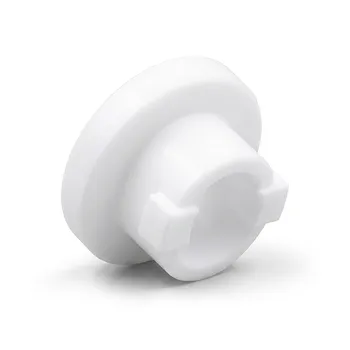
Custom PTFE Insulating Gaskets Corrosion Resistant Teflon Seals Tailored Engineering Plastic Components

Custom PTFE Insulating Gaskets and Corrosion Resistant Fluoropolymer Seals for Industrial Electrical Applications
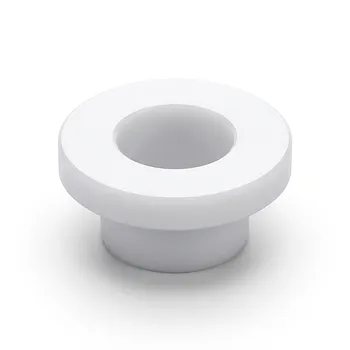
Customizable High Temperature Resistant Anti Static PTFE Insulating Gaskets Flame Retardant Corrosion Proof Industrial Seals

PTFE Deep Evaporating Dishes Customizable Laboratory and Industrial Solutions
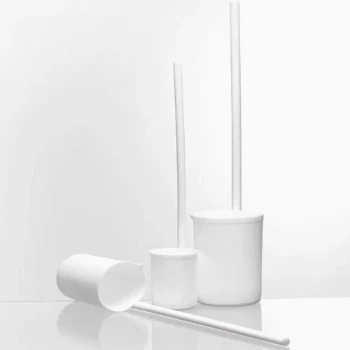
PTFE Chemical Solvent Sampling Spoon