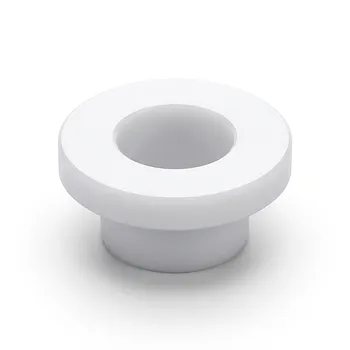
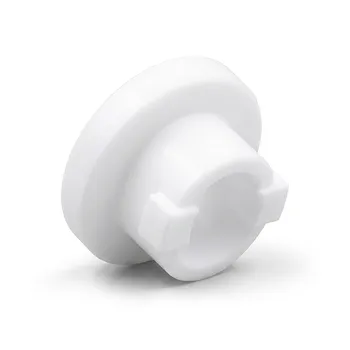
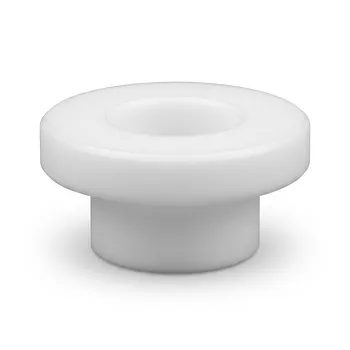
The defining properties of PTFE gaskets are their exceptional chemical inertness, a remarkably wide operational temperature range, and an extremely low coefficient of friction. This unique combination of characteristics makes Polytetrafluoroethylene (PTFE) one of the most versatile and reliable sealing materials available for demanding industrial environments.
While many materials excel in one specific area, PTFE's value comes from its rare ability to simultaneously resist aggressive chemicals and extreme temperatures without degrading. Understanding this synergy is the key to leveraging it for maximum reliability.

The Core Properties of PTFE Gaskets Explained
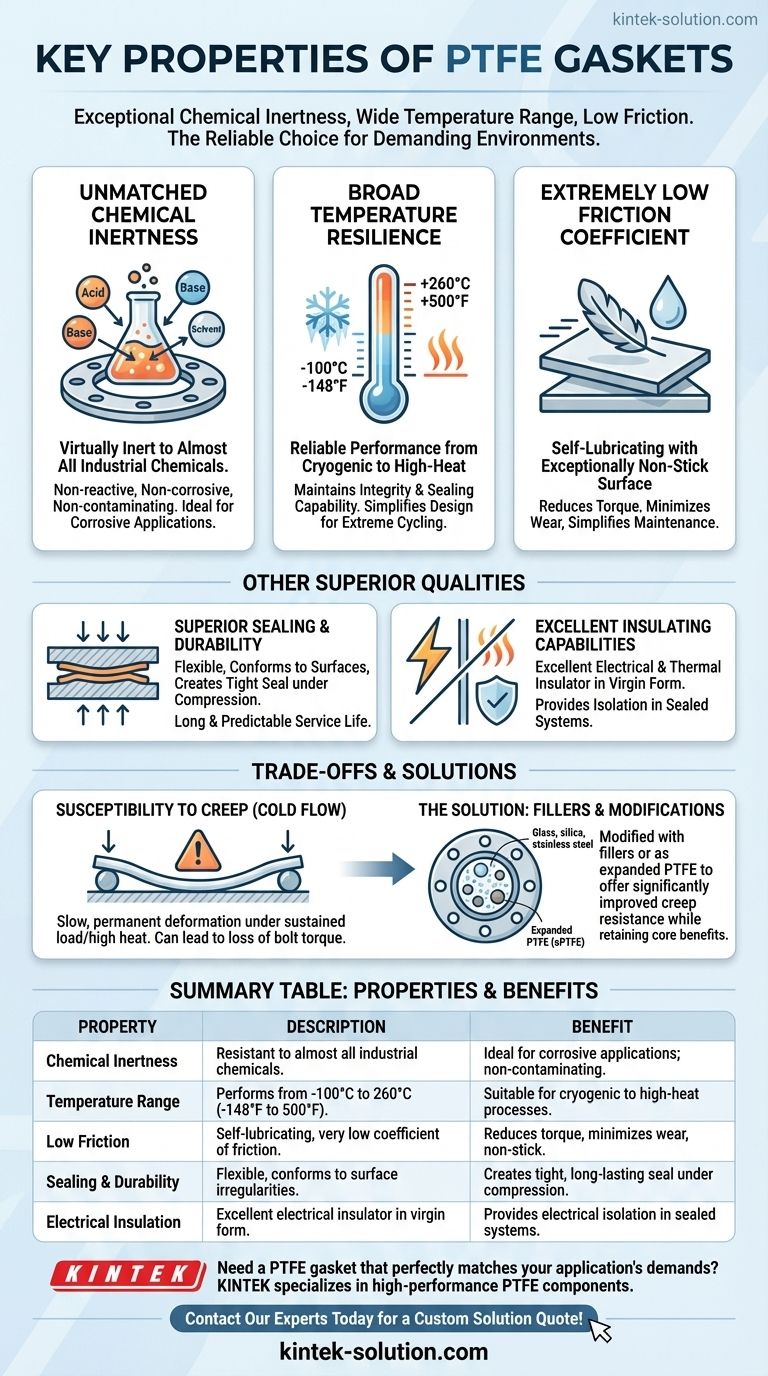
Unmatched Chemical Inertness
PTFE is virtually inert to almost all industrial chemicals and solvents, making it a "go-to" material for corrosive applications. Its non-reactive and non-corrosive nature means it will not degrade when exposed to strong acids, bases, or other aggressive substances.
This also makes it non-contaminating, non-wetting, and odorless, a critical feature for applications in the food, beverage, and pharmaceutical industries where purity is paramount.
Broad Temperature Resilience
PTFE gaskets perform reliably across a vast temperature spectrum. They maintain their integrity and sealing capability from cryogenic conditions around -100°C (-148°F) up to high-heat applications of 260°C (500°F).
This allows a single gasket material to be specified for processes that involve extreme temperature cycling, simplifying design and inventory.
Extremely Low Friction Coefficient
With one of the lowest friction values of any solid material, PTFE is inherently self-lubricating. Its surface is exceptionally non-stick.
This property reduces the torque required to tighten bolted joints, minimizes wear between flange surfaces, and simplifies cleaning and maintenance.
Superior Sealing and Durability
PTFE is flexible and can conform to surface irregularities, creating a tight and durable seal under compression.
Its inherent resistance to chemical attack and temperature extremes ensures a long and predictable service life, even in the harshest operating conditions.
Excellent Insulating Capabilities
In its virgin form, PTFE serves as an excellent electrical insulator, making it valuable for applications where electrical isolation is necessary.
It also provides effective thermal insulation, helping to maintain temperature stability within a sealed system.
Understanding the Trade-offs and Limitations
Susceptibility to Creep (Cold Flow)
The primary limitation of virgin PTFE is its tendency to "creep" or cold flow under sustained compressive loads, especially at elevated temperatures.
This slow, permanent deformation can lead to a loss of bolt torque over time, potentially compromising the integrity of the seal if not accounted for in the design.
The Role of Fillers and Modifications
To counteract creep and enhance mechanical properties, PTFE is often modified with fillers like glass, silica, or stainless steel.
Common variants like expanded PTFE (ePTFE) are specifically engineered to offer significantly improved creep resistance while retaining the material's core chemical and thermal benefits.
Making the Right Choice for Your Goal
Choosing the correct gasket depends entirely on the specific demands of your system.
- If your primary focus is handling aggressive chemicals at moderate pressures: Standard virgin PTFE offers the highest purity and maximum chemical resistance.
- If your primary focus is maintaining a seal in high-pressure or thermally cycling systems: An expanded or filled PTFE gasket is required to resist creep and ensure long-term integrity.
- If your primary focus is preventing contamination in food or pharmaceutical applications: The non-stick, non-wetting, and inert nature of virgin PTFE is the ideal choice.
Selecting the right PTFE variant ensures you harness its strengths for unparalleled reliability in the most challenging environments.
Summary Table:
| Property | Description | Benefit |
|---|---|---|
| Chemical Inertness | Resistant to almost all industrial chemicals and solvents. | Ideal for corrosive applications; non-contaminating. |
| Temperature Range | Performs from -100°C to 260°C (-148°F to 500°F). | Suitable for cryogenic to high-heat processes. |
| Low Friction | Self-lubricating with a very low coefficient of friction. | Reduces torque, minimizes wear, and is non-stick. |
| Sealing & Durability | Flexible and conforms to surface irregularities. | Creates a tight, long-lasting seal under compression. |
| Electrical Insulation | Excellent electrical insulator in virgin form. | Provides electrical isolation in sealed systems. |
Need a PTFE gasket that perfectly matches your application's demands?
At KINTEK, we specialize in manufacturing high-performance PTFE components, including seals, gaskets, liners, and labware. Whether your priority is handling aggressive chemicals in the semiconductor industry, ensuring purity in medical or pharmaceutical applications, or achieving reliable seals in demanding industrial environments, our expertise in precision production and custom fabrication—from prototypes to high-volume orders—ensures you get a solution that delivers maximum reliability and longevity.
Contact our experts today to discuss your specific requirements and get a custom solution quote!
Visual Guide
Related Products
- Customizable High Temperature Resistant Anti Static PTFE Insulating Gaskets Flame Retardant Corrosion Proof Industrial Seals
- Custom PTFE Insulating Gaskets Corrosion Resistant Teflon Seals Tailored Engineering Plastic Components
- Custom PTFE Insulating Gaskets and Corrosion Resistant Fluoropolymer Seals for Industrial Electrical Applications
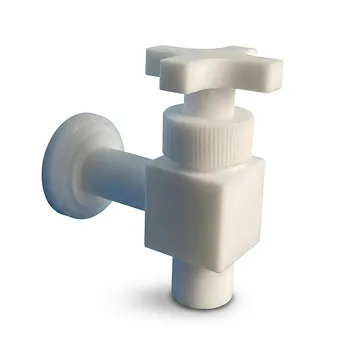
- High Corrosion Resistant PTFE Faucet Polytetrafluoroethylene Valve for Chemical Storage Drums and Fluid Transfer Systems Customizable Industrial Grade
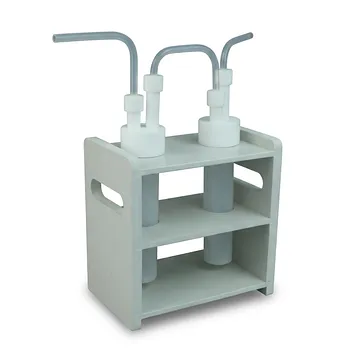
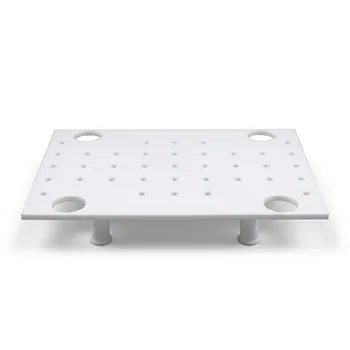
- Custom PTFE Acid Resistant Support Rack Multi Hole PFA Hydrogen Absorption System Bracket
People Also Ask
- Why is PTFE an ideal material choice for sealing gaskets, valves, and fluid transfer tubing exposed to extremely aggressive chemicals? Discover Its Superior Chemical Resistance and Reliability
- How is PTFE utilized in seals and gaskets? Leverage Its Chemical & Temperature Resistance
- What are the key properties of PTFE that make it suitable for seals and gaskets? Unlock Superior Sealing Performance
- What are the advantages of using PTFE gaskets? Achieve Superior Chemical and Thermal Sealing
- What is the alternative to PTFE gaskets that combines its advantages with better sealing properties? Discover Enhanced Sealing Solutions