All Questions
What Are The Advantages Of Ptfe Envelope Gaskets In Terms Of Handling And Installation? Simplify Your Sealing Process
Discover how PTFE envelope gaskets simplify handling and installation with non-stick surfaces, structural robustness, and superior adaptability for reliable sealing.
How Do Ptfe Envelope Gaskets Perform In Terms Of Leakage Prevention? Superior Sealing For Demanding Applications
Discover why PTFE envelope gaskets provide excellent, low-leakage sealing for gases and liquids in chemical, semiconductor, and pharmaceutical industries.
What Types Of Flange Connections Benefit From Ptfe Envelope Gaskets? Seal Fragile Flanges & Harsh Chemicals
Learn when to use PTFE envelope gaskets for sealing fragile flanges, aggressive chemicals, and in high-purity applications like food and pharma.
What Makes Ptfe Envelope Gaskets Appropriate For Food And Pharmaceutical Applications? Ensure Purity And Compliance
Discover why PTFE envelope gaskets are ideal for sanitary applications due to FDA compliance, chemical inertness, and high-temperature resistance for sterilization.
Why Are Ptfe Envelope Gaskets Suitable For High Temperature-Pressure Conditions? Superior Sealing For Extreme Applications
Discover how PTFE envelope gaskets combine chemical resistance with mechanical strength to seal reliably in high-temperature, high-pressure environments.
What Factors Should Be Considered When Choosing The Thickness Of A Ptfe Gasket? Optimize Your Seal For Flange Condition & Pressure
Learn how to select PTFE gasket thickness based on flange surface, pressure, and temperature. Balance compressibility vs. stability to prevent leaks and extrusion.
What Industries Benefit From Ptfe Gaskets Due To Their Fda Compliance? Ensure Product Purity And Safety
Discover how FDA-compliant PTFE gaskets protect product purity in food, pharmaceutical, and medical industries with superior chemical resistance.
What Makes Expanded Ptfe Gaskets Ideal For Uneven Surfaces? Achieve A Perfect Seal On Imperfect Flanges
Discover how ePTFE's micro-porous structure conforms to warped, scratched surfaces for reliable, low-torque sealing in demanding applications.
Why Are Filled Ptfe Gaskets Used In High-Pressure Settings? Enhanced Strength For Demanding Seals
Discover how filled PTFE gaskets prevent creep and maintain seals under high pressure. Learn about filler benefits and application trade-offs.
How Should One Select The Right Ptfe Teflon Gasket? A Guide To Matching Material To Your Application
Learn to select the right PTFE gasket by matching Virgin, Filled, or ePTFE to your specific chemical, temperature, and pressure requirements.
What Are The Basic Types Of Ptfe Teflon Gaskets? Choose The Right Seal For Your Application
Discover the 3 core PTFE gasket types: Virgin, Filled, and Expanded (ePTFE). Learn their strengths, weaknesses, and how to select the best one for your needs.
What Advantages Do Ptfe Gasket Materials Offer? Unmatched Chemical & Thermal Resistance
Explore PTFE gasket benefits: extreme chemical inertness, wide temperature range (-240°C to 260°C), non-stick surface, and FDA compliance.
Why Is Eptfe A Good Choice For Fragile Or Damaged Flanges? Protect Your Flanges With Low-Stress Sealing
Discover how ePTFE gaskets seal fragile or damaged flanges with minimal bolt torque, preventing cracks and leaks in semiconductor, medical, and lab equipment.
Why Are Eptfe Gaskets More Expensive? Unlocking Superior Sealing Performance
Discover why ePTFE gaskets cost more due to their complex manufacturing process, superior conformability, and unmatched chemical resistance for critical applications.
What Are The Standard Sheet Sizes For Eptfe Sheets? Get The Right Dimensions For Your Seals
Discover the standard ePTFE sheet sizes (1000x1000mm to 1500x1500mm) and learn how to select the right material for your sealing application.
Why Are Eptfe Gaskets Not Recommended For Abrasive Environments? Protect Your Seals From Premature Failure
Learn why ePTFE gaskets fail in abrasive environments and how to select the right sealing material for your process conditions.
What Are The Advantages Of Using Eptfe Sheets For Gaskets? Superior Sealing For Demanding Conditions
Discover the key benefits of ePTFE gaskets: exceptional chemical resistance, thermal stability, and superior resistance to cold flow for reliable sealing.
What Are The Disadvantages Of Using Eptfe Gasket Material? Key Limitations For Your Sealing Application
Understand the key disadvantages of ePTFE gaskets: high cost, sensitivity to abrasives, and delicate handling. Make the right material choice.
How Does The Compressibility Of Eptfe Gaskets Benefit Sealing Applications? Achieve Superior, Leak-Free Seals
Discover how ePTFE gasket compressibility creates reliable seals on imperfect surfaces, resists cold flow, and simplifies installation for critical industries.
Is Eptfe Gasket Material Safe For Food And Pharmaceutical Applications? Ensuring Purity And Compliance
Learn why ePTFE gaskets are FDA-compliant, non-toxic, and ideal for sterile, high-purity food and pharmaceutical processing environments.
Why Is Eptfe Gasket Material Suitable For High-Temperature Applications? Unlock Reliable Sealing Under Extreme Heat
Discover why ePTFE gaskets excel in high-temp applications up to 260°C/500°F. Learn about their thermal stability, creep resistance, and chemical inertness.
What Types Of Chemicals Can Eptfe Gaskets Withstand? Seal Aggressive Media With Near-Universal Resistance
Learn how ePTFE gaskets handle strong acids, bases, solvents, and gases across the full pH range, withstanding extreme temperatures and pressures.
What Are The Key Advantages Of Eptfe Gasket Material? Seal Aggressive Chemicals & Fragile Flanges
Discover the key advantages of ePTFE gaskets: superior chemical resistance, wide temperature range, and low-bolt-load sealing for fragile flanges.
What Industries Commonly Use Eptfe Gasket Material? Ensure Purity, Safety, And Reliability
Explore why ePTFE gaskets are vital for chemical, pharmaceutical, food & beverage, and other high-stakes industries requiring superior sealing performance.
How Do Ptfe Gaskets Handle Friction In Flange Connections? Achieve Low-Stress Sealing For Delicate Flanges
Discover how PTFE gaskets use ultra-low friction to seal effectively with minimal bolt load, protecting sensitive flanges from damage and ensuring reliability.
What Makes Ptfe Gaskets Resistant To Heat And Chemicals? The Molecular Secret To Unmatched Performance
Discover how PTFE's strong carbon-fluorine bonds create a chemically inert, heat-resistant shield, ideal for harsh industrial environments.
What Are Some Common Structural Types Of Ptfe Gaskets? Choose The Right Seal For Your Application
Learn about Ring, Envelope, and Expanded PTFE gaskets. Select the best structure for chemical resistance, pressure, and flange conditions.
What Are The Key Advantages Of Ptfe Gaskets? Superior Sealing For Harsh Chemical & Thermal Environments
Discover the key benefits of PTFE gaskets: unmatched chemical resistance, extreme temperature stability (-200°C to +260°C), and high purity for demanding industries.
What Type Of Gasket Is Particularly Suitable For Industries Dealing With Hazardous Chemicals? The Definitive Choice For Safety
Discover why PTFE gaskets are the industry standard for sealing hazardous chemicals, offering unmatched chemical inertness, temperature tolerance, and purity.
What Issue Can Arise When Ptfe Gaskets Are Subjected To External Pressure? Prevent Seal Failure And Deformation
Learn why standard PTFE gaskets fail under external pressure due to cold flow and deformation. Discover solutions for reliable sealing.
Why Do Ptfe Gaskets Have A Long Service Life? Achieve Unmatched Sealing Durability & Cost Savings
Discover how PTFE gaskets' chemical inertness, extreme temperature resistance, and superior sealing properties ensure a long service life and low maintenance costs.
What Industries Are Ptfe Gaskets Particularly Suitable For? Ideal For Chemical, Pharma, And Food Processing
Discover why PTFE gaskets are essential for chemical, pharmaceutical, food & beverage, and medical industries due to their chemical inertness and purity.
What Are The Advantages Of Ptfe Gaskets For Flanges? Superior Chemical & Thermal Sealing
Discover the key advantages of PTFE gaskets: unmatched chemical resistance, extreme temperature tolerance, and long-term sealing reliability.
What Factors Should Be Considered When Choosing A Ptfe Gasket Material? Ensure A Perfect Seal For Your Application
Learn how to select the right PTFE gasket by evaluating chemical compatibility, temperature, pressure, and mechanical demands for reliable performance.
How Many Types Of Ptfe Gaskets Are There And What Are Their General Uses? A Guide To Chemical-Resistant Sealing
Learn about the 4 main types of PTFE gaskets—Virgin, Filled, ePTFE, and Envelope—and their applications in chemical, pharmaceutical, and industrial sealing.
What Are The Benefits Of Using Ptfe Gasket Sheet Material? Superior Sealing For Demanding Industries
Discover the key benefits of PTFE gaskets: unmatched chemical resistance, extreme temperature range, FDA compliance, and superior sealing performance.
What Industries Commonly Use Ptfe Gasket Materials? Ensure Sealing Integrity In Demanding Environments
Discover key industries like chemical, pharmaceutical, and aerospace that rely on PTFE gaskets for chemical resistance, purity, and thermal stability.
What Are The Uses Of Expanded Ptfe Gasketing Tapes? The Ultimate Solution For Flange Sealing Problems
Discover the key uses of ePTFE gasketing tape for sealing irregular flanges, handling aggressive chemicals, and protecting fragile materials in demanding industries.
What Are The Key Characteristics Of Ptfe Gaskets? Achieve Superior Sealing In Harsh Environments
Explore the key properties of PTFE gaskets: extreme chemical resistance, wide temperature range, low friction, and how to manage creep for reliable sealing.
Why Are New Ptfe Gasket Products Entering The Market? To Solve Critical Creep And Cold Flow Issues
Discover how advanced PTFE gaskets with fillers and ePTFE structures overcome standard PTFE's mechanical weaknesses for superior sealing reliability.
How Can The Capabilities Of Ptfe Gaskets Be Further Improved? Enhance Performance With Fillers & Metal Inserts
Discover how adding fillers or metal inserts to PTFE gaskets improves creep resistance, prevents blowout, and extends seal life in demanding applications.
What Are The Three Primary Types Of Ptfe Available For Gaskets And Seals? Choose The Right Material For Your Application
Learn the differences between Virgin, Filled, and Expanded PTFE for gaskets and seals. Match material properties to your specific mechanical and chemical needs.
What Are The Performance Advantages Of Ptfe As A Gasketing Material? Superior Chemical & Thermal Resistance For Demanding Seals
Discover the key advantages of PTFE gaskets: near-universal chemical resistance, extreme temperature stability, and high purity for critical applications.
How Do Expanded Ptfe Gaskets Contribute To Longer Flange Service Life? Achieve Superior Sealing And Reliability
Learn how ePTFE gaskets extend flange life by resisting creep, conforming to imperfections, and maintaining seal integrity under stress.
In What Types Of Environments Are Expanded Ptfe Gaskets Particularly Effective? Sealing Harsh Chemical & Imperfect Flanges
Discover how ePTFE gaskets excel in aggressive chemical, high-purity, and imperfect flange environments for reliable sealing in demanding industries.
What Are The Installation Benefits Of Expanded Ptfe Gaskets? Achieve Reliable Seals On Imperfect Flanges
Discover how ePTFE gaskets simplify installation with on-site cutting, superior conformability, and low seating stress for durable, reliable seals.
What Makes Expanded Ptfe Gaskets More Suitable For Sealing Applications Than Pure Ptfe Gaskets? Solve Cold Flow For Reliable Seals
Discover why expanded PTFE gaskets resist cold flow and maintain bolt load, offering superior sealing reliability over pure PTFE in demanding applications.
What Are The Main Advantages Of Expanded Ptfe Gaskets? Superior Sealing Reliability Vs. Pure Ptfe
Discover why expanded PTFE gaskets offer superior creep resistance & conformability for reliable sealing on imperfect surfaces compared to pure PTFE.
How Does The Structure Of Expanded Ptfe Gaskets Differ From Pure Ptfe Gaskets? Unlock Superior Sealing Performance
Learn how the porous, fibrous structure of ePTFE gaskets provides superior conformability and creep resistance compared to solid PTFE.
What Is The Ph Range And Temperature Tolerance Of Pure Ptfe Gaskets? Master Extreme Chemical And Thermal Sealing
Pure PTFE gaskets offer a universal pH range of 0-14 and operate from -200°C to 260°C, ideal for extreme chemical and thermal environments.
What Are The Key Properties Of Pure Ptfe Gaskets? Unmatched Chemical & Thermal Resistance
Discover the core properties of pure PTFE gaskets: chemical inertness, extreme temperature range, and low friction for sealing applications.
How Should The Static Ring And Gland Of A Ptfe Gasket Be Installed? A Step-By-Step Guide To A Leak-Free Seal
Learn the correct sequence for installing PTFE gasket static rings and glands to ensure maximum seal longevity and prevent leaks.
What Should Be Ensured During The Installation Of A Ptfe Gasket? Achieve A Leak-Free Seal With Precision
Learn the critical steps for installing PTFE gaskets, including surface prep, alignment, and the correct bolt-tightening sequence to prevent leaks and cold flow.
What Is The First Step In Installing A Ptfe Gasket? Ensure A Perfect, Leak-Free Seal
Learn the critical first step for PTFE gasket installation: selecting the correct gasket for temperature, pressure, and chemical compatibility.
What Is The Purpose Of Ptfe Gasket Sealing Material In Mechanical Equipment? Enhance Reliability And Efficiency
Discover how PTFE gaskets provide superior sealing and lubrication to prevent leaks, reduce friction, and extend equipment life in demanding industries.
How Do Ptfe Ring Gaskets Benefit Piston Engines? Enhance Engine Reliability And Longevity
Discover how PTFE ring gaskets reduce engine wear, noise, and vibration with superior chemical, thermal, and friction resistance for piston engines.
What Material Are Ptfe Ring Gaskets Made From? Unlock Superior Chemical & Thermal Sealing
Learn about PTFE gaskets made from Polytetrafluoroethylene, offering unmatched chemical resistance, a wide temperature range, and low friction.
What Are The Primary Applications Of Ptfe Ring Gaskets? Solve Your Toughest Sealing Challenges
Discover the key uses of PTFE gaskets in chemical, automotive, pharmaceutical, and electronics industries for extreme chemical and temperature resistance.
What Makes Ptfe Gaskets An Ideal Sealing Material? Unmatched Chemical & Temperature Resistance
Discover why PTFE gaskets are ideal for harsh environments, offering extreme chemical inertness, a wide temperature range (-200°C to +260°C), and low friction.
How Do Ptfe Gaskets Improve Sealing Efficiency? Achieve Leak-Proof Performance In Harsh Environments
Discover how PTFE gaskets enhance sealing efficiency through superior conformability, chemical inertness, and extreme temperature resistance.
What Environmental Conditions Can Ptfe Gaskets Withstand? Conquer Extreme Temperatures And Chemicals
Learn how PTFE gaskets resist extreme temperatures (-200°C to 260°C), harsh chemicals, and high pressure for reliable sealing in harsh environments.
What Types Of Equipment Can Ptfe Gaskets Be Used To Seal? Discover Versatile Sealing Solutions For Demanding Applications
Learn how PTFE gaskets seal flanges, valves, containers, and brittle materials in chemical, industrial, and medical equipment with unmatched chemical resistance.
What Are The Main Advantages Of Ptfe Gaskets Over Ordinary Rubber Gaskets? Superior Chemical & Thermal Resistance
Discover why PTFE gaskets outperform rubber in extreme temperatures and harsh chemicals. Ideal for demanding industrial, semiconductor, and lab applications.
Why Are Ptfe Ring Gaskets Still Preferred Despite Their Disadvantages? For Unmatched Chemical & Thermal Resistance
Explore why PTFE gaskets are essential for harsh environments, offering superior chemical inertness and high-temperature stability over traditional materials.
What Issue Is Associated With The Leakage Rate Of Ptfe Ring Gaskets? Overcoming Inherent Sealing Challenges
Learn why PTFE gaskets have a higher leakage rate due to hardness and inelasticity, and how to mitigate it for a reliable seal.
What Is One Notable Disadvantage Of Ptfe Ring Gaskets? The Critical Trade-Off For Chemical Resistance
Discover the key disadvantage of PTFE gaskets: lack of elasticity & creep. Learn when to use them and explore superior alternatives for demanding applications.
What Are The Advantages Of Using Ptfe Ring Gaskets? Superior Sealing For Demanding Applications
Discover the key benefits of PTFE ring gaskets: extreme chemical resistance, wide temperature range (-200°C to +260°C), and high purity for critical industries.
What Material Can Enhance The Benefits Of Ring-Type Gaskets? Boost Performance With Ptfe In Harsh Environments
Discover why PTFE is the ideal material for ring-type gaskets, offering superior chemical resistance and thermal stability for demanding applications.
How Do Expanded Ptfe Gaskets Prevent Leakage In Industrial Applications? Achieve A Superior, Leak-Proof Seal
Learn how expanded PTFE gaskets use conformability and chemical inertness to create a durable, leak-proof seal for harsh industrial environments.
What Is The Expected Service Life Of Expanded Ptfe Gaskets? Maximize Sealing Longevity In Harsh Environments
Learn why ePTFE gasket life is indefinite within its chemical, thermal, and mechanical limits. Explore its unmatched durability and resistance.
How Easy Is It To Install Expanded Ptfe Gaskets? Achieve A Perfect Seal With Minimal Effort
Discover why expanded PTFE gaskets are easy to install, conform to irregular surfaces, and seal with low bolt loads for fragile equipment.
Why Do Expanded Ptfe Gaskets Have Excellent Creep Resistance? Unlock Long-Term Sealing Reliability
Discover how the unique fibrous structure of ePTFE gaskets provides superior creep resistance, ensuring stable, leak-free seals in demanding applications.
What Makes Expanded Ptfe Gaskets Resistant To Corrosion? Unmatched Chemical Inertness For Harsh Environments
Discover how expanded PTFE gaskets provide superior corrosion resistance against acids, bases, and solvents through pure PTFE's molecular stability.
How Do Expanded Ptfe Gaskets Perform In Terms Of Sealing Performance? Achieve Leak-Free Seals On Challenging Surfaces
Discover how expanded PTFE gaskets provide superior sealing with extreme conformability, chemical resistance, and low clamping force for delicate flanges.
What Are The Main Advantages Of Expanded Ptfe Gaskets? Superior Sealing For Demanding Industrial Applications
Discover the key benefits of expanded PTFE gaskets: universal chemical resistance, extreme temperature range, and superior sealing on imperfect surfaces.
Why Are Expanded Ptfe Gaskets Considered A Reliable Sealing Solution? Achieve Leak-Free Performance In Demanding Environments
Discover how ePTFE gaskets provide superior sealing with extreme chemical inertness, wide temperature range (-200°C to +260°C), and unmatched conformability for imperfect surfaces.
What Factors Should Be Considered When Selecting An Expanded Ptfe Gasket? Optimize Your Seal For Performance
Learn how to select the right expanded PTFE gasket based on chemical compatibility, temperature, pressure, and flange condition for a leak-free seal.
In Which Industries Are Expanded Ptfe Gaskets Commonly Used? Essential Sealing Solutions For Demanding Sectors
Discover how expanded PTFE gaskets provide critical sealing in chemical, pharmaceutical, food & beverage, power generation, and petrochemical industries.
What Are The Key Benefits Of Using Expanded Ptfe Gaskets? Achieve Superior Sealing In Demanding Environments
Discover the core advantages of expanded PTFE gaskets: unmatched chemical resistance, extreme temperature stability, and superior creep resistance for long-term reliability.
What Are Expanded Ptfe Gaskets And How Are They Manufactured? The Secret To Superior Sealing Performance
Learn how expanded PTFE gaskets are made and why their unique microporous structure provides superior sealing for irregular surfaces and harsh conditions.
What Are The Key Properties Of Ptfe For Food And Water Grade Gaskets? Ensure Purity And Safety
Discover why PTFE's chemical inertness, non-stick surface, and wide temperature range make it the top choice for safe, reliable food and water grade gaskets.
What Makes Expanded Ptfe Suitable For Gaskets And Sealants? Achieve A Leak-Free Seal In Demanding Applications
Discover why expanded PTFE (ePTFE) is ideal for gaskets, offering superior conformability, chemical inertness, and creep resistance for reliable sealing.
What Industries Benefit From Using Ptfe Gaskets In Ball Valves? Ensure Purity & Reliability In Critical Processes
Discover how PTFE gaskets provide unmatched chemical resistance, purity, and thermal stability for chemical, pharmaceutical, food & beverage, and energy industries.
What Makes Ptfe Gaskets Durable And Long-Lasting In Ball Valve Applications? Uncover The Key Properties
Learn how PTFE gaskets achieve durability through chemical inertness, temperature resilience, and resistance to degradation in ball valve applications.
How Do Ptfe Gaskets Prevent Leaks In Ball Valves? Achieve Superior Sealing With Low-Friction Performance
Discover how PTFE gaskets create leak-proof seals in ball valves through cold flow, chemical resistance, and low friction for reliable valve operation.
How Do Ptfe Gaskets Contribute To Smooth Operation In Ball Valves? Achieve Low-Friction, Leak-Proof Performance
Discover how PTFE gaskets ensure smooth ball valve operation with low friction, self-lubrication, and superior chemical resistance for long-term reliability.
What Temperature Range Can Ptfe Gaskets Withstand In Ball Valve Applications? From -200°C To 260°C
Learn the operational temperature range of PTFE gaskets (-200°C to 260°C) for ball valves, plus key limitations like cold creep and pressure sensitivity.
How Does The Chemical Resistance Of Ptfe Gaskets Benefit Ball Valve Applications? Ensure Leak-Free, Non-Contaminating Seals
Learn how PTFE gaskets' superior chemical inertness prevents leaks, ensures media purity, and protects ball valves from corrosive failure in demanding industries.
What Are The Key Benefits Of Using Ptfe Gaskets For Ball Valves? Achieve Superior Sealing And Reliability
Discover how PTFE gaskets provide unmatched chemical resistance, low friction, and thermal stability for reliable ball valve performance.
What Are The Features And Applications Of Ptfe Lip Gaskets? A Guide To Sealing In Extreme Environments
Explore PTFE lip gaskets: their unique lip design, extreme chemical & temperature resistance, and applications in semiconductor, medical, and industrial sectors.
Why Are Ptfe Envelope Gaskets Preferred In Pharmaceutical And Food Industries? Ensure Absolute Product Purity
Discover why PTFE envelope gaskets are the industry standard for maintaining purity, safety, and regulatory compliance in pharmaceutical and food processing.
What Are The Limitations Or Challenges Of Ptfe Envelope Gaskets? Manage Creep, Installation, And Thermal Expansion
Learn the key challenges of PTFE envelope gaskets, including creep, sensitivity to installation, and thermal expansion mismatch, to ensure reliable sealing.
What Industries Commonly Use Ptfe Envelope Gaskets? Solve Sealing Challenges In Harsh & Pure Environments
Discover how PTFE envelope gaskets provide chemical resistance and purity for chemical, pharmaceutical, food & beverage, and semiconductor industries.
What Are The Key Features And Benefits Of Ptfe Envelope Gaskets? Achieve Superior Sealing In Corrosive Environments
Discover the key benefits of PTFE envelope gaskets, including unmatched chemical resistance, enhanced mechanical strength, and reliable performance in demanding applications.
What Are Ptfe Envelope Gaskets? The Ultimate Sealing Solution For Corrosive Environments
Learn how PTFE envelope gaskets combine chemical resistance with mechanical strength for reliable sealing in chemical, pharmaceutical, and food industries.
How Do Ptfe Envelope Gaskets Perform Under High Pressure And Temperature Conditions? Unlock Reliable Sealing In Harsh Environments
Discover how PTFE envelope gaskets maintain seal integrity under extreme heat (up to 260°C) and pressure, with superior chemical resistance and design advantages.
What Makes Ptfe Envelope Gaskets Resistant To Contamination? The Key To Process Purity And Chemical Inertness
Discover how PTFE envelope gaskets' inherent chemical inertness, high-temperature resilience, and FDA/USP compliance ensure contamination-free sealing.
Why Are Ptfe Envelope Gaskets Suitable For Fda Applications? Ensuring Purity And Compliance
Discover how PTFE envelope gaskets meet FDA requirements with chemical inertness, non-toxic surfaces, and high-temperature resistance for food and pharma.
What Are The Advantages Of Ptfe Envelope Gaskets In Flange Connections? Seal Sensitive Flanges With Low Bolt Load
Discover how PTFE envelope gaskets provide a reliable seal for fragile or uneven flanges with minimal bolt force, ensuring chemical resistance and leak-free performance.
What Industries Benefit From Ptfe Envelope Gaskets? Seal Against Harsh Chemicals & High Purity Needs
Discover how PTFE envelope gaskets solve sealing challenges in chemical, pharmaceutical, food & beverage, oil & gas, and semiconductor industries.
Related Products

Custom PTFE Insulating Gaskets Corrosion Resistant Teflon Seals Tailored Engineering Plastic Components

Custom PTFE Insulating Gaskets and Corrosion Resistant Fluoropolymer Seals for Industrial Electrical Applications
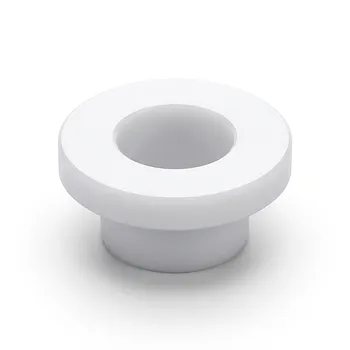
Customizable High Temperature Resistant Anti Static PTFE Insulating Gaskets Flame Retardant Corrosion Proof Industrial Seals

PTFE Deep Evaporating Dishes Customizable Laboratory and Industrial Solutions
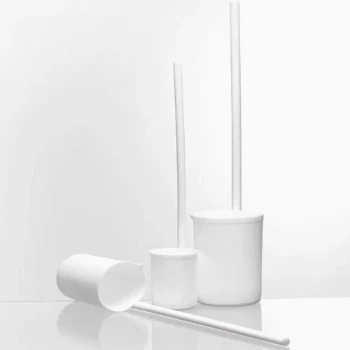
PTFE Chemical Solvent Sampling Spoon