All Questions
What Future Trends Are Expected In The Development Of Ptfe Rotary Shaft Seals? From Passive Parts To Smart System Components
Explore the 4 key trends shaping PTFE seals: advanced composites, smart sensors, hyper-customization, and sustainable manufacturing for superior performance.
Why Are Ptfe Rotary Shaft Seals Suitable For The Food And Beverage Industry? Ensure Compliance & Uptime
Discover why FDA-compliant PTFE rotary shaft seals are ideal for food & beverage, offering chemical inertness, non-stick surfaces, and durability for CIP/SIP processes.
How Does The Low Friction Property Of Ptfe Rotary Shaft Seals Benefit Machinery? Boost Efficiency & Reliability
PTFE rotary shaft seals reduce wear, lower energy consumption & enable high-speed, dry-running operation. Learn how low friction enhances machinery.
What Are The Key Properties Of Ptfe Rotary Shaft Seals? Solve Extreme Chemical, Temperature, And Speed Challenges
Discover how PTFE rotary shaft seals offer unmatched chemical resistance, extreme temperature stability, and superior performance in high-pressure, high-speed applications.
What Are Ptfe Rotary Shaft Seals And What Are They Designed For? Solve Extreme Sealing Challenges
Discover how PTFE rotary shaft seals provide superior performance in high-speed, high-temperature, and aggressive chemical applications.
What Are The Overall Benefits Of Spring-Energized Ptfe Seals? Solve Extreme Sealing Challenges
Discover how spring-energized PTFE seals provide reliable, long-lasting performance in extreme temperatures, high pressures, and aggressive chemical environments.
Why Are Ptfe Rotary Shaft Seals Essential For High-Performance Applications? Unlock Unmatched Reliability In Extreme Conditions
Discover how PTFE seals excel in high-speed, high-temperature, and chemically aggressive environments, ensuring equipment longevity and reduced maintenance.
What Performance Advantages Do Ptfe Rotary Shaft Seals Provide For Machinery? Achieve Peak Efficiency & Reliability
Discover how PTFE rotary shaft seals deliver low friction, chemical inertness, and extreme temperature resistance to reduce downtime and extend equipment life.
What Customization Options Are Available For Ptfe Rotary Shaft Seals? Tailor For High Performance
Explore PTFE rotary shaft seal customizations: lip design, casing, and material fillers. Optimize for speed, pressure, and chemical resistance.
How Do Ptfe Rotary Shaft Seals Achieve Their Sealing Performance? Engineered For Extreme Conditions
Discover how PTFE seals combine mechanical design and material properties to seal in high-speed, high-temperature, and corrosive environments.
What Industries Commonly Use Ptfe Rotary Shaft Seals? The Ultimate Guide For Extreme Conditions
Discover why PTFE seals are critical in oil & gas, chemical, medical, and automotive industries for extreme heat, speed, and chemical resistance.
What Types Of Environments Are Ptfe Rotary Shaft Seals Suitable For? Engineered For Extreme Chemical, Temperature, And Speed
PTFE rotary shaft seals handle aggressive chemicals, temperatures from -200°C to +260°C, high speeds, and low-lubrication environments. Ideal for harsh industrial applications.
What Are The Key Benefits Of Ptfe Rotary Shaft Seals In High-Performance Machinery? Maximize Uptime & Efficiency
Discover how PTFE seals deliver extreme temperature/chemical resistance, low friction, and high-speed performance for demanding industrial machinery.
What Is The Wall Thickness Range For Ptfe Encapsulated O-Rings? Optimize Seal Performance And Chemical Resistance
Learn the key PTFE encapsulation wall thickness range (0.010-0.045 in) and how it affects seal durability, flexibility, and chemical resistance for your application.
What Are The Core Material Options For Ptfe Encapsulated O-Rings? Choose Viton® Or Silicone For Your Sealing Needs
Learn the key differences between Viton® and silicone cores for PTFE encapsulated O-rings to select the right seal for temperature and chemical resistance.
What Standards Do Ptfe Encapsulated O-Rings Meet For Compression Set? Ensure Long-Term Seal Reliability
Learn how PTFE encapsulated O-rings meet L-P389A & ASTM-D-2166 compression set standards for superior chemical resistance and durability.
Are Ptfe Encapsulated O-Rings Compliant With Industry Standards? Ensure Purity & Performance In Critical Applications
Learn how PTFE encapsulated O-rings meet FDA, USP Class VI, and ISO standards for purity, safety, and performance in medical, food, and semiconductor industries.
What Are The Properties Of Ptfe Encapsulated O-Rings? Superior Sealing For Harsh Environments
Discover the key properties of PTFE encapsulated O-rings: extreme chemical inertness, wide temperature range, low friction, and high purity for demanding applications.
What Are The Advantages Of Using Ptfe Encapsulated O-Rings? A Cost-Effective Seal For Harsh Environments
Discover the benefits of PTFE encapsulated O-rings: superior chemical resistance, extreme temperature range, low friction, and durability vs. standard elastomers.
What Temperature Range Can Ptfe Encapsulated O-Rings Withstand? -60°C To 205°C, Depending On Core
PTFE encapsulated O-rings withstand -60°C to 205°C. The true range depends on the inner core material (Silicone or FKM). Learn how to choose.
How Do Ptfe Encapsulated O-Rings Compare To Solid Ptfe O-Rings? Choose The Right Seal For Your Application
Learn the key differences between solid PTFE and PTFE encapsulated O-rings. Discover which seal offers superior elasticity and long-term reliability for demanding environments.
What Are Ptfe Encapsulated O-Rings Made Of? A Hybrid Seal For Extreme Chemical Resistance
PTFE encapsulated O-rings combine a PTFE jacket for chemical resistance with an elastomer core for sealing force. Learn their composition and applications.
Why Are Teflon O-Rings Important In Industrial Applications? Achieve Unmatched Sealing Reliability
Discover how Teflon O-rings provide superior chemical resistance, extreme temperature stability, and low friction for reliable seals in harsh environments.
What Advantages Do Teflon O-Rings Offer Compared To Other Materials? Unmatched Chemical & Thermal Resistance
Discover the key benefits of Teflon (PTFE) O-rings: superior chemical inertness, extreme temperature tolerance (-250°C to +260°C), and low friction.
What Is A Teflon O-Ring? A Guide To Ptfe Seals For Extreme Chemical And Temperature Resistance
Learn about Teflon O-rings, including solid PTFE and encapsulated types, for superior chemical resistance and high-temperature sealing in demanding applications.
How Do Ptfe Seals And Rings Contribute To Environmental Compliance? Ensure Leak-Proof Operations
Discover how PTFE seals prevent hazardous leaks, withstand extreme conditions, and enhance efficiency to meet stringent environmental regulations.
What Temperature Range Can Ptfe Seals And Rings Operate Within? Withstand -200°C To +260°C Extremes
PTFE seals operate from -200°C to +260°C. Learn why their thermal stability, low friction, and chemical inertness solve extreme sealing challenges.
Which Industries Or Applications Benefit From Ptfe Seals And Rings? Solve Extreme Sealing Challenges
Discover how PTFE seals and rings provide unmatched chemical resistance, thermal stability, and low friction for aerospace, medical, chemical, and other demanding industries.
What Are The Key Properties Of Ptfe Seals And Rings? Unlock Superior Performance In Harsh Environments
Explore the extreme chemical inertness, wide temperature range, and low friction of PTFE seals for demanding applications in semiconductor, medical, and industrial sectors.
What Are The Advantages Of Ptfe Piston Rings And Guide Rings For Dry-Running Applications? Boost Efficiency And Purity
Discover how PTFE rings eliminate lubrication needs, reduce wear, prevent contamination, and lower operating costs in dry-running systems.
What Material Is Replacing Carbon In Seals And Piston Rings, And Why? Ptfe's Superior Durability & Lifespan
Discover why PTFE is replacing carbon in seals & piston rings for superior durability, longer life, and reliable performance across extreme conditions.
What Are The Drawbacks Of Using Ptfe For Sealing Needs? The Critical Trade-Offs In Chemical Vs. Mechanical Performance
Learn the key limitations of PTFE seals, including creep, cold flow, and poor flexibility, and how to choose the right material for your application.
Why Does The Spring Ptfe Sealing Ring Maintain Effective Sealing Across Its Working Pressure Range? Discover The Engineering Secret
Learn how spring-energized PTFE seals use system pressure and a metal spring to ensure reliable sealing from zero to maximum pressure.
What Happens To The Ptfe Material When Pressure Is Applied To The Sealing Ring? It Deforms To Create A Superior Seal
Learn how PTFE seal deformation under pressure creates a robust surface seal, leveraging creep and elastic sliding for high-performance applications.
How Does The Spring Ptfe Sealing Ring Achieve Initial Sealing Contact? Master The Two-Stage Sealing Mechanism
Learn how spring-energized PTFE seals use mechanical pre-load and pressure assistance for reliable sealing from vacuum to high-pressure.
What Are The Main Components Of A Spring Ptfe Sealing Ring? Unlock High-Performance Sealing For Demanding Applications
Discover the two core components of a spring-energized PTFE seal: the PTFE jacket and the metal spring energizer. Learn how they work together for superior performance.
What Are The Key Advantages Of Using Ptfe In Sealing Applications? Superior Performance In Extreme Conditions
Discover PTFE's key sealing advantages: extreme temperature stability, universal chemical resistance, and the lowest friction for reliable performance.
How Does Ptfe's Friction Coefficient Benefit Dynamic Sealing Applications? Enhance Efficiency And Longevity
Discover how PTFE's low friction coefficient eliminates stick-slip, reduces wear, and enables dry-running seals for superior dynamic sealing performance.
What Are The Thermal Properties Of Ptfe That Make It Ideal For Seals? Ensuring Reliability In Extreme Conditions
Discover how PTFE's wide temperature range, high melting point, and thermal stability make it the top choice for high-performance seals in demanding industries.
What Is Ptfe And What Makes It Suitable For Sealing Applications? Solve Extreme Sealing Challenges
Discover why PTFE seals are ideal for extreme temperatures, aggressive chemicals, and low friction. Learn how its molecular structure delivers unmatched performance.
How Do Ptfe Seals Contribute To Reducing Maintenance Costs? Slash Costs With Superior Durability
Learn how PTFE seals cut maintenance costs through extreme wear resistance, low friction, and chemical inertness, reducing downtime and parts replacement.
What Makes Ptfe Seals Suitable For High-Temperature And High-Pressure Environments? Unlock Superior Sealing Performance
Discover how PTFE seals excel in extreme conditions. Learn about thermal stability, spring-energized designs, and material enhancements for reliable sealing.
Why Are Ptfe Seals Preferred Over Traditional Rubber Seals? Superior Performance In Extreme Conditions
Discover why PTFE seals excel in harsh environments with unmatched chemical resistance, extreme temperature stability, and low friction for longer service life.
What Are The Five Outstanding Characteristics Of Ptfe Seals? Engineered For Extreme Performance
Discover the 5 key properties of PTFE seals: chemical resistance, temperature stability, low friction, high pressure & wear resistance for demanding applications.
What Are Ptfe Seals And Why Are They Considered A Reliable Solution For Extreme Environments? Engineered For Harsh Conditions
Discover why PTFE seals are the top choice for extreme environments, offering unmatched chemical resistance, wide temperature range, and low friction.
What Factors Should Be Considered When Choosing Between Ptfe And Graphite Braided Packing? Select The Right Seal For Your Application
Learn the key differences between PTFE and graphite packing to choose the right material for chemical resistance, temperature, and speed.
What Are The Benefits Of Ptfe Packing? Superior Sealing For Harsh Chemicals And High Purity
Discover the key benefits of PTFE packing: unmatched chemical resistance, low friction, and thermal stability for reliable sealing in demanding applications.
Which Industries Commonly Use Ptfe Packing? Sealing Solutions For Demanding Applications
Discover the key industries—chemical, food & beverage, pharmaceutical, pulp & paper—that rely on PTFE packing for its chemical inertness and purity.
What Are The Advantages Of Ptfe Packing Over Graphite Packing? Maximize Chemical Resistance & Purity
Learn when PTFE packing excels over graphite for superior chemical inertness, non-contamination, and protection against shaft wear and galvanic corrosion.
What Are The Advantages Of Graphite Packing Over Ptfe Packing? Superior Performance In High-Temp & High-Speed Applications
Discover why graphite packing excels in extreme heat and high-speed uses with superior thermal conductivity and self-lubrication vs. PTFE.
Are Ptfe And Graphite Packing Self-Lubricating? Choose The Right Seal For Your Application
Learn the key differences between PTFE and graphite self-lubricating packing for high-temp, chemical, and general sealing applications.
What Are The Tensile Strengths Of Ptfe And Graphite Packing? Choosing The Right Material For Your Application
PTFE packing has higher tensile strength (2,000-5,000 PSI), while graphite excels in high temperatures (-400°F to 850°F). Learn which is best for your needs.
How Do Ptfe And Graphite Packing Compare In Terms Of Thermal Conductivity? Choosing The Right Seal For Your Application
Compare PTFE vs. graphite packing: thermal conductivity, temperature, chemical resistance, and strength. Select the right material for your seal.
How Do Ptfe And Graphite Packing Compare In Terms Of Corrosion Resistance? Selecting The Right Material For Your Application
PTFE vs. Graphite packing: Compare corrosion resistance, temperature limits, strength, and conductivity to choose the best seal for your needs.
What Is The Ph Range For Both Ptfe And Graphite Packing? Selecting The Right Material For Extreme Conditions
PTFE and graphite packing share a 0-14 pH range for ultimate chemical resistance. Learn why temperature, not pH, is the key selection factor.
What Are The Temperature Ranges For Ptfe And Graphite Packing? A Guide To Selecting The Right Seal
PTFE packing operates from -328°F to 500°F, while graphite handles up to 850°F. Learn which material is right for your temperature and chemical needs.
How Do The Coefficients Of Friction Compare Between Ptfe And Graphite Packing? Ptfe Offers Lower Friction
PTFE packing has a lower coefficient of friction than graphite. Learn the key differences and how to choose the right material for your application.
What Makes Ptfe The Preferred Choice For High-Speed Rotary Shaft Seals? Unmatched Performance In Demanding Applications
Discover why PTFE seals excel in high-speed, high-temperature applications with low friction, thermal stability, and chemical resistance for superior reliability.
What Are The Color Differences Between Ptfe And Graphite Packing? Select The Right Material For Your Application
PTFE is white, graphite is black. Learn how their color signals key differences in temperature resistance, conductivity, and chemical compatibility.
What Configurations Are Available For Ptfe Rotary Shaft Seals? Optimize Performance With Lip, Shell & Material Options
Learn how to configure PTFE rotary shaft seals by selecting lip design, shell construction, and material fillers for your specific speed, pressure, and temperature needs.
What Are The Different Forms Of Ptfe Packing? Choose The Right Seal For Your Equipment
Explore the 3 core forms of PTFE packing: pure, lubricated, and dipped. Learn which type is best for your application's chemical, temperature, and speed requirements.
What Is Ptfe Packing Made Of? Discover The High-Performance Sealing Material
PTFE packing is made from a synthetic fluoropolymer, offering unmatched chemical resistance and low friction for demanding industrial applications.
Why Is Ptfe Particularly Suitable For High-Speed Rotary Shaft Seals? Achieve Superior Performance And Reliability
Discover how PTFE's low friction, thermal stability, and chemical inertness enable reliable high-speed rotary shaft seals for demanding applications.
How Does The Flexibility Of Teflon Bellow Seals Benefit Their Performance? Ensure Leak-Proof Sealing In Demanding Conditions
Discover how Teflon bellow seals use flexibility to compensate for misalignment and vibration, ensuring reliable, leak-proof performance in harsh industrial applications.
Why Are Teflon Seals Ideal For Harsh Chemical Environments? Unmatched Chemical Resistance & Reliability
Discover why Teflon (PTFE) seals are the top choice for harsh chemical environments, offering superior inertness, durability, and purity protection.
What Are The Benefits Of Teflon Bellow Mechanical Seals For Manufacturers And Suppliers? Unlock New Market Opportunities
Discover how PTFE bellow seals' chemical resistance, flexibility, and durability enable manufacturers to provide high-value, custom-engineered solutions.
What Environmental Conditions Can Teflon Seals Withstand? Master Extreme Temperatures & Chemicals
Learn how Teflon (PTFE) seals excel in extreme temperatures (-200°C to 260°C) and resist harsh chemicals, acids, and alkalis for reliable performance.
What Types Of Devices Are Teflon Bellow Mechanical Seals Used In? A Guide For Extreme Conditions
Discover where Teflon bellow seals are used—pumps, mixers, valves—for handling corrosive, high-temperature, and abrasive fluids in critical industries.
In Which Industries Are Teflon Seals Commonly Used? Essential For Chemical, Aerospace, And Medical
Discover why Teflon (PTFE) seals are critical in chemical, aerospace, medical, and other demanding industries due to their chemical inertness and temperature resistance.
What Are The Key Characteristics Of Teflon Seals? Unmatched Chemical & Temperature Resistance
Explore Teflon seals' key traits: extreme chemical resistance, wide temperature range (-40°C to 220°C), low friction, and high-pressure capability.
What Is A Teflon Seal And What Material Is It Made From? Unlock Superior Performance In Harsh Environments
Discover Teflon (PTFE) seals: their chemical inertness, extreme temperature range (-240°C to 288°C), low friction, and ideal applications.
What Makes Ptfe Rubber Seals Suitable For The Medical Industry? Ensuring Safety And Reliability In Critical Applications
Discover why PTFE seals are ideal for medical use: biocompatibility, chemical inertness, and resilience to harsh sterilization processes.
How Are Ptfe Rubber Seals Utilized In The Chemical Processing Industry? Ensuring Leak-Free Safety In Corrosive Environments
Discover how PTFE rubber seals prevent leaks in chemical plants. Learn about their applications in pumps, valves, and pipelines for superior chemical resistance and safety.
In Which Automotive Applications Are Ptfe Rubber Seals Used? Essential For High-Performance And Ev Systems
Discover where PTFE rubber seals are critical in automotive engineering, including EV e-drives, fuel systems, and turbochargers for superior performance.
What Are The Combined Characteristics Of Ptfe Rubber Products? The Ultimate Hybrid For Demanding Seals
Discover how PTFE rubber products combine chemical resistance and low friction with flexibility for superior performance in harsh environments.
How Are Ptfe Rubber Seals Constructed? Precision Engineering For High-Performance Sealing
Discover the step-by-step manufacturing process of PTFE rubber seals, from material selection to bonding, for superior chemical and temperature resistance.
What Are Some Examples Of Filled Ptfe Seals And Their Properties? Enhance Performance For Demanding Applications
Explore glass, carbon, graphite, and moly-filled PTFE seals. Learn how fillers improve wear resistance, strength, and thermal conductivity for your specific needs.
What Are Filled Ptfe Seals? Enhanced Performance For Demanding Sealing Applications
Learn how filled PTFE seals offer superior wear resistance and durability for high-pressure, high-speed, and abrasive environments.
What Manufacturing Processes Are Used For Ptfe Seals? From Molding To Machining For Peak Performance
Explore the PTFE seal manufacturing process: compression molding, extrusion, sintering, and CNC machining for chemical resistance and durability.
Why Is Low Friction Important In Ptfe Seals? Extend Lifespan And Boost Efficiency
Learn how PTFE's low friction reduces wear, heat, and energy loss to extend component life, lower costs, and improve system reliability.
What Is The Friction Characteristic Of Ptfe Seals? Achieve Unmatched Low-Friction Performance
Discover why PTFE seals have the lowest coefficient of friction (0.04) for energy-efficient, low-wear operation in demanding applications.
How Does Heat Exposure Affect Ptfe Seals? Mastering Thermal Expansion For Superior Sealing
Learn how PTFE seals expand with heat to enhance sealing, their temperature limits (~350°F), and critical design considerations to prevent failure.
What Is The Heat Resistance Capability Of Ptfe Seals? Withstand -200°C To 260°C For Unmatched Reliability
PTFE seals offer exceptional thermal resistance, operating from -200°C to 260°C. Ideal for extreme temperature cycling and high-reliability applications.
How Do Ptfe Seals Perform Under Pressurized Conditions? Achieving Reliable Sealing In Demanding Environments
Discover how PTFE seals handle high pressure, temperature, and chemicals. Learn about PV value limits for dynamic applications to ensure long-term reliability.
Are Ptfe Rotary Shaft Seals Suitable For Food Processing Applications? Ensure Superior Hygiene And Performance
Discover why FDA-compliant PTFE seals are ideal for food processing, offering non-stick surfaces, high-speed capability, and resistance to harsh cleaning.
What Is The Typical Lifespan Of Ptfe Rotary Shaft Seals? Maximize Durability In Your Application
PTFE rotary shaft seal lifespan is not fixed. Learn how speed, temperature, pressure, and media dictate longevity and how to maximize it for your needs.
Can Ptfe Rotary Shaft Seals Be Customized For Specific Needs? Tailor For Speed, Temperature & Chemical Resistance
Discover how PTFE rotary shaft seals are engineered for specific needs. Customize lip geometry, material fillers, and construction for demanding applications.
How Do Ptfe Rotary Shaft Seals Compare To Traditional Rubber Seals? Superior Performance For Extreme Conditions
PTFE seals outperform rubber in harsh environments with superior chemical resistance, wider temperature range, and lower friction for high-speed applications.
In Which Industries Are Ptfe Rotary Shaft Seals Commonly Used? The Standard For Extreme Conditions
Discover why PTFE seals are essential in chemical, oil & gas, aerospace, food, and pharmaceutical industries for superior chemical and temperature resistance.
What Are The Different Types Of Ptfe Rotary Shaft Seals And Their Applications? Choose The Right Seal For Your Machinery
Learn about single, dual, tandem, and opposed lip PTFE seals, their materials, and how to select the right one for pressure, speed, and contamination.
What Are The Main Technical Features Of Ptfe Rotary Shaft Seals? Unlock Extreme Performance & Reliability
Discover the key technical features of PTFE seals: high-speed capability, extreme temperature resistance, chemical inertness, and low friction for demanding applications.
What Are The Key Roles Of Ptfe Rotary Shaft Seals In Industrial Applications? Ensure Reliability In Extreme Conditions
Discover how PTFE rotary shaft seals prevent leaks, block contaminants, and excel in extreme temperatures, speeds, and chemical environments.
What Is The Conclusion About Ptfe-Coated O-Rings? A Guide To Their Limited, Specific Use Cases
PTFE-coated O-rings are temporary aids for installation and color-coding, not durable seals. Learn their true benefits and critical limitations.
In Which Industries Are Ptfe-Coated O-Rings Commonly Used? Enhance Sealing Performance In Demanding Applications
Discover how PTFE-coated O-rings provide superior chemical resistance, low friction, and temperature stability for chemical, aerospace, and automotive industries.
What Are The Limitations Of Ptfe-Coated O-Rings? Understand The Risks Of Wear, Flaking, And Contamination.
Learn the critical limitations of PTFE-coated O-rings, including poor wear resistance, flaking contamination, and lack of chemical protection.
What Are The Advantages Of Ptfe-Coated O-Rings? Reduce Friction & Color-Code For Easy Assembly
Learn how PTFE-coated O-rings reduce installation friction, prevent damage, and enable color-coding for error-proof assembly in critical applications.
How Are Ptfe Coatings Applied To O-Rings? Enhance Sealing Performance With Low-Friction
Learn the step-by-step process of applying PTFE coatings to O-rings, from surface prep to curing, to reduce friction and improve chemical resistance.
What Are Ptfe-Coated O-Rings? Solve Friction & Chemical Sealing Challenges
Learn how PTFE-coated O-rings combine elastomer flexibility with PTFE's low friction and chemical resistance for superior sealing performance.
Why Is It Important To Understand The Different Types Of Ptfe Lip Seals? Ensure 40,000+ Hours Of Reliability
Learn how selecting the right PTFE lip seal for speed, temperature, pressure, and media prevents premature failure and maximizes system uptime.
What Is Unique About Ptfe Waffle Seals And Their Applications? Superior Sealing With Built-In Contamination Control
Discover PTFE waffle seals: low-friction seals with a unique grid pattern that traps particles, ideal for harsh automotive, hydraulic, and chemical processing environments.
Related Products
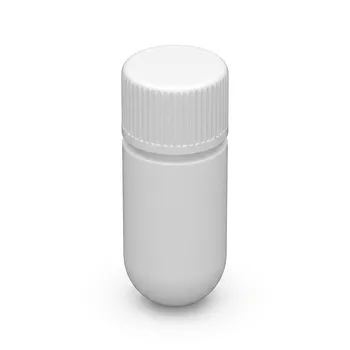
PTFE Centrifuge Tube 1.5ml U Bottom Corrosion Resistant Screw Seal Custom High Purity Labware

High Temperature Chemical Resistant 50ml PTFE Syringe Customized Teflon Injector with Threaded Seal for Trace Analysis
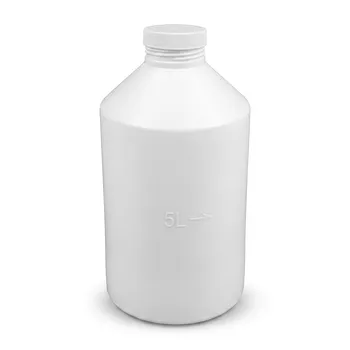
Large Capacity 5L PTFE Storage Tank and Custom Reagent Bottle Corrosion Resistant Leakproof Screw Seal Laboratory Container with PTFE Cap
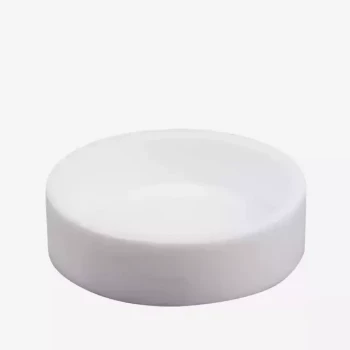
PTFE Deep Evaporating Dishes Customizable Laboratory and Industrial Solutions
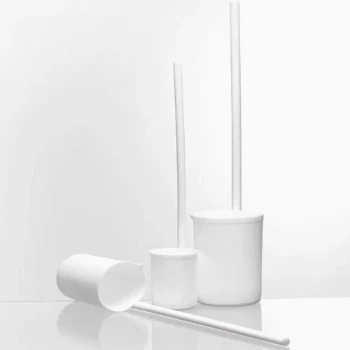
PTFE Chemical Solvent Sampling Spoon