All Questions
What Are The Key Advantages Of Using Ptfe Valves In The Chemical Industry? Enhance Safety And Purity
Discover why PTFE valves are essential for chemical handling, offering unmatched chemical inertness, high-temperature stability, and superior safety.
What Is The Operational Temperature Range Of Ptfe Lined Butterfly Valves? Ensure Reliable Performance Below 120°C
Learn the safe operating temperature limits for PTFE-lined butterfly valves, including the risks of exceeding 120°C and how to select the right valve.
What Cost Advantages Do Ptfe Lined Butterfly Valves Offer? Achieve Superior Corrosion Resistance At Lower Costs
Discover how PTFE lined butterfly valves reduce initial costs, cut maintenance expenses, and extend service life for handling aggressive media.
How Does The Design Of Ptfe Lined Butterfly Valves Improve Performance? Achieve Superior Corrosion Resistance & Zero Leakage
Discover how PTFE-lined butterfly valves combine metal strength with PTFE's inertness for unmatched corrosion resistance, tight sealing, and low maintenance.
What Are The Key Properties Of Fluoroplastics Used In Ptfe Lined Valves? Ensure Purity And Reliability
Discover the critical properties of PTFE, PFA, and FEP valve linings: chemical inertness, extreme temperature stability, and superior durability.
How Did Ptfe Lined Butterfly Valves Address Corrosion Resistance Challenges? Provide A Robust Barrier Against Corrosive Media
Discover how PTFE lined butterfly valves use a chemically inert barrier to isolate corrosive fluids from metal components, offering superior chemical resistance and durability.
Why Are Ptfe Lined Valves Considered A Reliable Choice For Industrial Processes? Achieve Unmatched Chemical Resistance & Longevity
Discover how PTFE lined valves provide superior chemical resistance, reduce maintenance, and extend equipment lifespan in harsh industrial environments.
What Is The Difference Between Teflon Valves And Ptfe Lined Valves? Choose The Right Valve For Your System
Learn the key differences between PTFE lined and solid Teflon valves. Choose based on pressure, purity, and cost for your industrial application.
How Do Ptfe Valves Compare With Pfa Valves? A Guide To Superior Chemical Resistance & Durability
PTFE vs. PFA valves: Learn the key differences in mechanical strength, pressure handling, and cost to choose the right fluoropolymer for your system.
What Are The Main Applications Of Ptfe Lined Valves? Control Corrosive & High-Purity Fluids
Discover how PTFE lined valves provide corrosion resistance, high purity, and reliability for chemical, pharmaceutical, semiconductor, and other demanding industries.
What Are The Benefits Of Using Ptfe Lined Valves? Achieve Superior Reliability In Corrosive Applications
Discover the key benefits of PTFE lined valves: exceptional chemical resistance, high thermal stability, and non-stick properties for reduced maintenance.
What Are The Key Features Of Ptfe Lined Valves? Maximize Safety And Cut Costs With Corrosion-Resistant Valves
Discover how PTFE lined valves offer exceptional chemical resistance, non-stick surfaces, and high durability for corrosive fluid handling in industrial applications.
What Is A Ptfe Lined Valve? A Cost-Effective Solution For Corrosive & High-Purity Fluids
Discover how PTFE lined valves protect against corrosion & contamination. Ideal for chemical, pharmaceutical, semiconductor, and industrial applications.
Why Are Ptfe Control Valves Important In Chemical Industries? Ensure Safety And Reliability In Harsh Environments
Discover how PTFE control valves prevent corrosion, enhance safety, and reduce costs in chemical processing. Learn key benefits and application guidelines.
How Do Ptfe Control Valves Contribute To Industrial Safety? Prevent Leaks & Ensure Process Integrity
Learn how PTFE control valves enhance industrial safety through superior chemical resistance, reliable sealing, and long-term operational reliability.
What Is The Primary Advantage Of Ptfe Control Valves? Unmatched Chemical Resistance For Harsh Fluids
Discover the primary advantage of PTFE control valves: near-universal chemical inertness for handling aggressive fluids with purity and safety.
What Types Of Chemical Solutions Are Ptfe Control Valves Suitable For? Handle Corrosive Acids, Bases & More
Discover which aggressive chemicals PTFE control valves can handle and the critical exceptions to ensure safe, reliable operation in your facility.
In Which Industries Are Ptfe Control Valves Commonly Used? Essential For Corrosive & High-Purity Fluids
Discover the key industries using PTFE control valves for handling corrosive chemicals & high-purity fluids, including chemical, pharmaceutical, and water treatment.
What Types Of Fluids Can Ptfe Control Valves Handle? Master Corrosive Chemicals With Confidence
Discover which aggressive fluids PTFE control valves handle, including acids, caustics, chlorine, and plating solutions. Learn when to choose PTFE.
What Does Ptfe Stand For In Control Valves? A Guide To Chemical Resistance And Purity
Learn why PTFE (Polytetrafluoroethylene) is critical for control valves handling corrosive chemicals and ultra-pure media in demanding industries.
What Additional Devices Can Be Equipped With The Ptfe Seat Butterfly Valve? Enhance Valve Performance With Automation
Learn how to automate PTFE seat butterfly valves with pneumatic, electric, or hydraulic actuators for improved control, efficiency, and system integration.
What Are The Operational Benefits Of The Ptfe Seat Butterfly Valve? Superior Control For Corrosive & Sensitive Media
Discover the key benefits of PTFE seat butterfly valves: exceptional chemical resistance, zero-leakage sealing, and low-torque, rapid operation for demanding applications.
How Does The Ptfe Seat Butterfly Valve Achieve Corrosion Resistance? Total Isolation From Corrosive Media
Learn how PTFE-lined butterfly valves use a thick, inert PTFE barrier to completely isolate metal parts from corrosive chemicals, ensuring long-term reliability.
What Are The Main Features Of The Ptfe Seat Butterfly Valve? Unlock Superior Corrosion Resistance & Zero-Leakage Sealing
Explore the key features of PTFE seat butterfly valves: superior chemical resistance, zero-leakage sealing, low torque, and options for automation.
In What Types Of Media Is The Ptfe Seat Butterfly Valve Widely Used? Essential For Corrosive & High-Purity Applications
Discover where PTFE seat butterfly valves excel: handling aggressive acids, solvents, and ensuring purity in pharmaceutical, food, and chemical industries.
What Are The Advantages Of Ptfe-Lined Butterfly Valves Over Lined Ball Valves In Pharmaceutical Applications? Achieve Superior Sterility And Cleanability
Discover why PTFE-lined butterfly valves are superior for pharmaceutical purity, offering a cavity-free design to eliminate contamination risk and ensure bubble-tight shutoff.
What Types Of Media Can Ptfe Lined Butterfly Valves Handle In Industrial Applications? Ensure Chemical Resistance And Purity
Discover the full range of media PTFE lined butterfly valves can handle, from aggressive acids to ultrapure substances, and their limitations with abrasive materials.
How Does The Low Friction Coefficient Benefit Ptfe Lined Butterfly Valves? Reduce Torque And Extend Valve Life
Discover how PTFE's low friction in butterfly valves reduces torque, minimizes wear, and ensures reliable, long-lasting performance in demanding applications.
How Does The Ptfe Lining Contribute To The Valve's Chemical Resistance? Achieve Unmatched Reliability In Harsh Environments
Discover how a PTFE-lined valve's inert molecular structure provides a complete barrier against strong acids, alkalis, and solvents for superior chemical resistance.
What Are The Key Advantages Of Ptfe Lined Butterfly Valves? Superior Chemical Resistance & Cost Savings
Discover how PTFE-lined butterfly valves provide extreme chemical inertness, high thermal stability, and a bubble-tight seal for corrosive media handling.
Why Are Ptfe Lined Butterfly Valves Popular In Industrial Applications? Unmatched Chemical Resistance & Reliability
Discover why PTFE lined butterfly valves are ideal for corrosive media, offering chemical inertness, a wide temperature range, and bubble-tight sealing.
Are Ptfe Lined Butterfly Valves Cost-Effective? Maximize Roi In Corrosive Applications
Discover why PTFE lined butterfly valves are a cost-effective solution, offering superior corrosion resistance and lower total cost of ownership.
What Safety Features Do Ptfe Lined Butterfly Valves Offer? Ensure Leak-Free Containment Of Hazardous Media
Discover how PTFE lined butterfly valves provide superior safety via chemical inertness, thermal stability, and non-stick properties for reliable, leak-free operation.
What Are The Performance Benefits Of Ptfe Lined Butterfly Valves? Achieve Superior Corrosion Resistance & Zero Leakage
Discover how PTFE lined butterfly valves provide unmatched chemical resistance, tight sealing, and smooth flow for harsh industrial applications.
What Materials Are Used In Ptfe Lined Butterfly Valves To Ensure Resistance To Corrosion And Leakage? The Core Components Explained
Learn how PTFE-lined butterfly valves combine a PTFE liner, rubber seat, and metal body for superior chemical resistance and a leak-proof seal.
What Type Of Valves Are Most Suitable For Highly Corrosive Or Chemical Industries? The Definitive Guide To Ptfe Lined Butterfly Valves
Discover why PTFE lined butterfly valves are the top choice for corrosive chemical applications, offering unmatched chemical resistance and leak-proof sealing.
What Support Is Available For Selecting The Right Ptfe Valve Design And Size? Get Expert Guidance For Your Application
Discover expert support for choosing the right PTFE valve. Learn how to select flow path, port type, and sealing style for high-purity systems.
How Do Ptfe Valves And Components Support High-Purity Liquid Transfer? Ensure Product Integrity With Inert Materials
Discover how PTFE's chemical inertness, non-toxicity, and non-stick surface prevent contamination in semiconductor, pharma, and lab applications.
What Are The Key Properties Of Ptfe Valves? Ensure Purity, Safety, And Reliability In Demanding Processes
Discover how PTFE valves' chemical inertness, high-temperature stability, and low friction ensure purity, safety, and reliability in industrial applications.
What Industries Commonly Use Ptfe Valves And Components? Essential For Chemical & Purity Applications
Discover the key industries that rely on PTFE components for their unmatched chemical resistance, purity, and performance in demanding environments.
How Does A Pneumatic Actuator Function In A Ptfe Pneumatic Valve? A Guide To Automated Control
Learn how pneumatic actuators use compressed air to automatically operate PTFE valves for reliable, remote control in industrial processes.
What Factors Influence The Design Variations Of Ptfe Valves? Select The Perfect Valve For Your Application
Learn how flow path, port type, and sealing mechanism dictate PTFE valve design for chemical resistance, purity, and performance in your system.
What Are The Two Major Subcomponents Of Ptfe Pneumatic Valve Assemblies? Achieve Reliable Corrosive Fluid Control
Learn the core components of PTFE pneumatic valves: the inert PTFE valve body and the pneumatic actuator, for safe automation in harsh environments.
What Is The Primary Function Of Ptfe Pneumatic Valves? Control Corrosive Media With Unmatched Reliability
Learn how PTFE pneumatic valves provide automated, corrosion-resistant flow control for harsh chemicals in semiconductor, pharma, and industrial applications.
What Are The Common Applications Of Ptfe Pneumatic Valves? Ensure Purity And Chemical Resistance In Your Process
Explore the key uses of PTFE pneumatic valves in semiconductor, chemical, pharmaceutical, and food industries for handling corrosive and ultra-pure fluids.
What Was The Final Material Selection Decision? Choosing Peek For High-Performance Ball Valve Seats
Discover why PEEK was selected for ball valve seats, offering superior thermal stability, chemical resistance, and long-term reliability for demanding applications.
What Practical Experience Exists With Peek-Seated Ball Valves In Similar Conditions? Proven Performance At 400°F
Learn from field data on PEEK-seated ball valves in high-temp steam. Understand the critical trade-off between temperature rating and actuation force.
What Are The Advantages Of Using Ptfe Lined Ball Valves In Corrosive Environments? Achieve Superior Corrosion Resistance
Discover how PTFE lined ball valves provide chemical inertness, leak-tight sealing, and low friction for handling acids, solvents, and aggressive media.
What Types Of Media Can Ptfe Lined Ball Valves Handle? Handle Corrosive Fluids Safely
Learn which corrosive media PTFE lined ball valves can handle, their temperature limits, and critical limitations for abrasive particles.
Why Is Ptfe Used As A Lining Material In These Valves? For Unmatched Chemical Resistance And Reliability
Discover why PTFE lining protects valves from corrosion, ensures media purity, and provides low friction in demanding industrial applications.
What Materials Are Used In The Construction Of Ptfe Lined Ball Valves? A Guide To Corrosion-Resistant Components
Learn about the materials in PTFE lined ball valves: steel bodies for strength, PTFE linings for chemical resistance, and fluoroplastic seals for reliable performance.
What Are The Main Applications Of Ptfe Lined Ball Valves? Control Corrosive & High-Purity Fluids Safely
Explore PTFE lined ball valve uses in chemical, pharmaceutical, and power industries for superior corrosion resistance and fluid purity.
How Does A Ptfe/Pfa Lined Ball Valve Operate To Open Or Close? Reliable Corrosive Fluid Control
Learn how PTFE/PFA lined ball valves use a quarter-turn mechanism for reliable on/off control of aggressive chemicals in demanding industries.
What Are The Flow Characteristics Of Ptfe/Pfa Lined Ball Valves? Achieve Maximum Flow With Zero Contamination
Learn how PTFE/PFA lined ball valves provide minimal flow resistance, full corrosion immunity, and reliable sealing for aggressive media.
How Does The Lining Of Ptfe/Pfa Lined Ball Valves Provide Corrosion Resistance? A Guide To Superior Chemical Handling
Learn how PTFE/PFA linings create an inert barrier for unmatched corrosion resistance against acids, alkalis, and solvents in demanding applications.
What Are The Advantages Of Ptfe/Pfa Lined Ball Valves? Superior Corrosion Resistance & Leak Prevention
Discover the key benefits of PTFE/PFA lined ball valves, including unmatched chemical resistance, reliable sealing, and high-purity performance for harsh applications.
When Should Ptfe/Pfa Lined Ball Valves Be Considered For Use? For Corrosive & High-Purity Flow Control
Learn when to use PTFE/PFA lined ball valves for handling aggressive chemicals, acids, and high-purity media in demanding industries.
In Which Industries Are Ptfe/Pfa Lined Ball Valves Commonly Used? Essential For Corrosive & High-Purity Fluids
Discover key uses of PTFE/PFA lined ball valves in chemical, pharmaceutical, semiconductor, and water treatment industries for corrosion resistance and purity.
What Control Options Are Available For Ptfe/Pfa Lined Ball Valves? Choose The Right Actuation Method
Explore manual, pneumatic, and electric control options for PTFE/PFA lined ball valves. Find the best solution for your corrosive fluid handling needs.
What Lining Materials Can Be Chosen For Ptfe/Pfa Lined Ball Valves? Select The Right Liner For Your Corrosive Process
Compare PTFE vs. PFA ball valve linings for chemical resistance, temperature, and permeability. Choose the right material for your application.
What Are Ptfe/Pfa Lined Ball Valves Designed For? Corrosion-Proof Flow Control For Aggressive Fluids
PTFE/PFA lined ball valves provide reliable shut-off and control for highly corrosive chemicals, acids, and solvents by isolating the fluid from the metal body.
Why Is The Ptfe Ball Valve Considered A Popular Choice In Various Industries? Unmatched Reliability In Demanding Environments
Discover the key advantages of PTFE ball valves, including superior chemical resistance, low friction, and long-term cost-effectiveness for industries like chemical processing and pharmaceuticals.
What Are The Advantages Of Ptfe Ball Valves In Industrial Applications? Superior Chemical Resistance & Low-Maintenance Operation
Discover the key benefits of PTFE ball valves: unmatched chemical resistance, low-friction sealing, and wide temperature versatility for industrial use.
Why Are Ptfe Ball Valves Preferred For Cryogenic Applications? Unlock Reliable Sealing At Ultra-Low Temperatures
Discover why PTFE's unique flexibility and low friction at cryogenic temperatures make it the top choice for reliable, leak-proof ball valves in demanding applications.
In Which Industries Are Ptfe Ball Valves Commonly Used? Essential For Chemical Resistance & Purity
Discover the key industries that rely on PTFE ball valves for handling aggressive chemicals and ensuring product purity, including chemical processing and pharmaceuticals.
What Materials Are Used In The Manufacturing Of Ptfe Ball Valves? Optimize For Chemical Resistance & Performance
Learn about PTFE ball valve materials: metal bodies for strength, PTFE seats for chemical inertness. Select the right valve for your application.
What Is A Ptfe Ball Valve And How Does It Function? The Ultimate Guide To Corrosion-Resistant Flow Control
Learn how PTFE ball valves provide leak-proof, chemical-resistant control for corrosive and high-purity applications in various industries.
What Are The Main Technical Features That Influence The Performance Of Ptfe Diaphragms? Optimize For Durability & Chemical Resistance
Learn how PTFE diaphragm features like material composition, thickness, and mechanical properties dictate performance in demanding applications.
What Are The Key Properties Of Ptfe That Make It Suitable For Diaphragms? Unlock Superior Chemical & Thermal Resistance
Discover how PTFE diaphragms offer unmatched chemical inertness, thermal stability, and mechanical durability for demanding applications in harsh environments.
What Makes Ptfe-Lined Diaphragm Valves Suitable For Wastewater Treatment? Ensure Reliability And Cost Savings
Discover how PTFE-lined diaphragm valves provide unmatched chemical resistance, leak-proof sealing, and durability for corrosive wastewater applications.
How Do Ptfe-Lined Diaphragm Valves Contribute To Cost Savings? Reduce Operational Costs & Downtime
Learn how PTFE-lined diaphragm valves lower total cost of ownership by minimizing maintenance, leaks, and contamination in demanding processes.
Why Are Ptfe Valves Used In Chemical Flow Applications? For Unmatched Chemical Inertness And Purity
Discover why PTFE valves are essential for chemical flow. Learn how their inertness, thermal stability, and non-stick surface ensure product purity and reliability.
What Factors Should Be Considered When Selecting A Ptfe-Lined Valve? Ensure Long-Term Reliability & Safety
Learn key factors like chemical compatibility, temperature/pressure ratings, and total cost of ownership for selecting the right PTFE-lined valve.
Why Are Ptfe-Lined Diaphragm Valves Preferred In The Pharmaceutical Industry? Ensure Sterility & Product Purity
Discover why PTFE-lined diaphragm valves are the top choice for pharma, offering chemical inertness, crevice-free design, and superior cleanability for sterile processes.
What Is The Difference Between Ptfe Valves And Pfa Valves? Choose The Right Fluoropolymer For Your System
Learn the key differences between PTFE and PFA valves, focusing on mechanical strength, durability, and application suitability for corrosive media.
How Should Ptfe-Lined Valves Be Maintained For Optimal Performance? Ensure Long-Term Reliability & Prevent Costly Downtime
Learn the 4 key maintenance pillars for PTFE-lined valves: inspection, cleaning, lubrication & part replacement. Protect your PTFE lining and avoid failures.
What Are The Operational Temperature Limits For Ptfe-Lined Diaphragm Valves? Understanding The Full System Range
Learn the key factors—from liner to pressure—that define the safe operational temperature range (-195°C to 200°C) for PTFE-lined diaphragm valves.
How Does The Ptfe Lining In Diaphragm Valves Enhance Performance? Boost Reliability In Harsh Chemical Processes
Discover how PTFE-lined diaphragm valves offer superior chemical resistance, reduced wear, and contamination-free flow for demanding industrial applications.
Which Industries Benefit The Most From Ptfe-Lined Diaphragm Valves? Essential For Corrosive & High-Purity Processes
Discover how PTFE-lined diaphragm valves provide unmatched chemical resistance and hygienic flow for chemical, pharmaceutical, semiconductor, and water treatment industries.
What Are The Key Advantages Of Ptfe-Lined Diaphragm Valves In Corrosive Environments? Maximize Safety And Lower Costs
Discover how PTFE-lined diaphragm valves provide a corrosion-proof barrier, prevent leaks, and reduce long-term costs in aggressive chemical applications.
What Are The Benefits Of Using Ptfe Valves In The Food Processing Industry? Ensure Safety, Purity, And Efficiency
Discover how PTFE valves' chemical inertness, temperature stability, and non-stick surface enhance food safety, product purity, and operational efficiency in processing.
How Long Do Ptfe Valves Typically Last? Maximize Valve Lifespan Up To 50 Years
Learn how PTFE valve longevity—up to 50 years—is influenced by chemical resistance, temperature, pressure, and media. Optimize your valve selection.
Are Ptfe Valves Non-Toxic, And Why Is This Important? Ensure Product Purity And Safety
Learn why PTFE valves are non-toxic due to chemical inertness, ensuring purity for food, pharma, and chemical processing applications.
What Advantages Do Ptfe Valves Offer In Terms Of Friction? Achieve Ultra-Low Friction And Energy Savings
Discover how PTFE valves' low coefficient of friction reduces energy use, extends lifespan, and enables dry operation without lubrication.
Why Are Ptfe Valves Considered Chemically Resistant? The Molecular Armor For Your Harsh Chemical Processes
Discover how PTFE's unique carbon-fluorine bond structure provides near-universal chemical resistance against acids, bases, and solvents for reliable valve performance.
How Do Ptfe Valves Perform Under High Temperatures? Unmatched Thermal Stability For Extreme Environments
Learn how PTFE valves maintain integrity and sealing at high temperatures up to 260°C (500°F), offering superior chemical resistance and reliability.
What Are The Key Properties Of Ptfe Valves For Food Processing? Ensure Safety, Purity, And Efficiency
Discover why PTFE valves are ideal for food processing: chemical inertness, non-stick surfaces, and high-temperature stability for superior safety and uptime.
What Are The Advantages Of Ptfe Lined Diaphragm Valves? Superior Corrosion & Purity Control
Discover the key benefits of PTFE lined diaphragm valves: unmatched chemical resistance, hygienic design, and reliable leak prevention for tough fluids.
How Does A Ptfe Lined Wafer Check Valve Function? A Guide To Reliable Backflow Prevention
Learn how PTFE lined wafer check valves prevent backflow in corrosive systems. Discover their automatic operation, compact design, and chemical resistance.
Can Ptfe Lined Check Valves Handle High-Pressure Water Systems? Yes, Up To 232 Psi.
Learn the pressure limits of PTFE lined check valves for water systems. Ideal for corrosive, high-purity water up to 1.6 MPa (232 PSI).
What Are The Applications Of Ptfe Lined Ball Valves? Control Corrosive & High-Purity Fluids Safely
Explore the key uses of PTFE lined ball valves in chemical, pharmaceutical, food & beverage, and power generation industries for superior corrosion resistance.
What Is A Ptfe Lined Check Valve For Water Pumps? Protect Your Pump From Corrosion And Backflow
Discover how PTFE lined check valves prevent backflow and corrosion in water pumps, ensuring system purity and longevity for demanding industrial applications.
What Are The Key Features Of Fully Lined Ball Valves? Engineered For Total Corrosion Resistance
Discover the key features of fully lined ball valves: complete fluoropolymer lining, full port design, and robust construction for handling corrosive media.
What Is The Significance Of The Short Valve Stroke In Ptfe Lined Check Valves? Achieve Rapid Backflow Prevention
Discover how a short valve stroke in PTFE lined check valves ensures rapid closure to protect equipment and prevent contamination in chemical and industrial systems.
What Industries Commonly Use Ptfe Lined Butterfly Valves? Essential For Corrosive & High-Purity Applications
Discover which industries rely on PTFE lined butterfly valves for chemical resistance, purity, and leak-free sealing in corrosive or sensitive processes.
How Do Ptfe Lined Check Valves Integrate With Modern Water Pump Systems? Boost Efficiency And Protect Your System
Learn how PTFE lined check valves prevent backflow, reduce energy use, and resist corrosion to enhance modern water pump system performance and longevity.
What Is A Ptfe Lined Butterfly Valve And What Are Its Main Advantages? Superior Control For Corrosive & High-Purity Fluids
Discover how PTFE lined butterfly valves provide unmatched chemical resistance, a wide temperature range, and reliable sealing for tough fluid handling.
What Technological Advancements Have Been Made In Ptfe Lined Check Valves? Boost Efficiency & Reliability
Explore key PTFE lined check valve advancements: superior materials, optimized flow dynamics, and compact designs for lower energy use and longer life.
How Do Ptfe Lined Check Valves Prevent Backflow And Maintain System Integrity? Ensure Reliable, Corrosion-Resistant Flow Control
Discover how PTFE lined check valves use a mechanical barrier and inert lining to prevent backflow and ensure long-term system integrity in harsh environments.
Why Are Ptfe Lined Check Valves Ideal For Commercial Environments? Ensure System Integrity In Corrosive Applications
Discover how PTFE lined check valves offer unmatched chemical resistance, thermal stability, and purity for corrosive and high-purity fluid systems.
Related Products
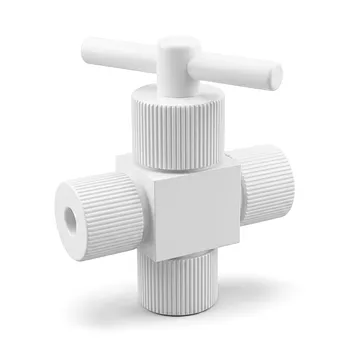
Corrosion Resistant PTFE Valves Customizable 2 Way 3 Way 4 Way High Temperature Teflon Fluid Control Solutions
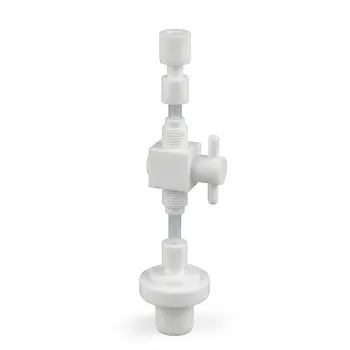
High Purity PFA PTFE Flare Stop Valves Customizable 2-Way 3-Way Reducing Fluoropolymer Fluid Control Solutions
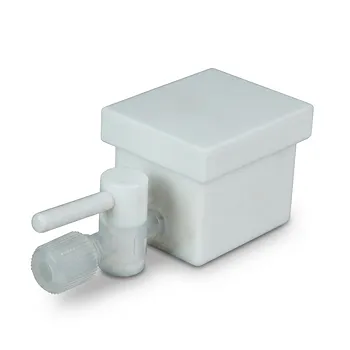
Custom PTFE Corrosion Resistant Insulating Electrophoresis Reaction Cell with Septum and Valves for Low Background Trace Analysis
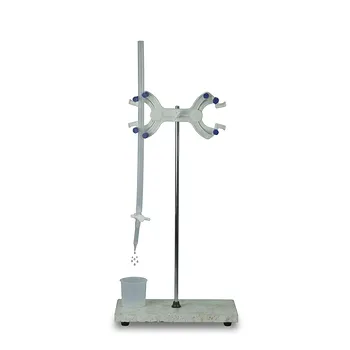
High Purity PFA Translucent Volumetric Burette with PTFE Valve for Acid Base Titration and Corrosive Reagent Handling
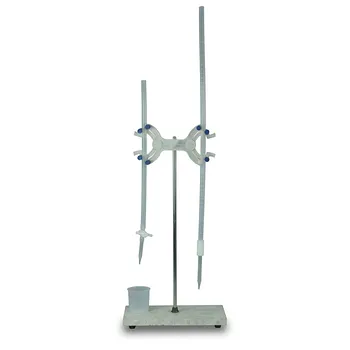
PFA Acid and Base Burette with PTFE Valve for Corrosive Chemical Analysis and Hydrofluoric Acid Resistance Customizable Labware