All Questions
What Are The Advantages Of Using High-Precision Ptfe Valves And Fittings? Optimize Chemical Purity And Fluid Control
Discover the benefits of high-precision PTFE valves and fittings for chemical synthesis, from corrosion resistance to leak-proof fluid paths.
Why Are High-Precision Ptfe Valves And Fittings Preferred For Fluid Transport In Chemical Laboratory Applications?
Discover why high-precision PTFE valves and fittings are the industry standard for leak-proof, high-purity fluid transport in chemical laboratories.
What Advantages Do Customized Pfa Valves And Fittings Provide In Fluid Transfer And Chemical Reagent Delivery Systems?
Discover how customized PFA valves and fittings ensure high purity, chemical inertness, and zero-leakage for semiconductor and lab fluid systems.
What Is The Working Principle Of Flow-Path Alignment In A Ptfe Multi-Port Rotary Valve? Mechanical Indexing & Sealing
Learn how PTFE multi-port rotary valves use indexed rotation and mechanical overlap to achieve precise fluid routing and bubble-tight sealing.
What Are The Primary Components Of A Standard Ptfe Rotor Valve Assembly? Essential Elements For Precise Fluid Routing
Explore the key components of PTFE rotor valve assemblies, including rotors and stators, designed for leak-tight, high-purity fluid routing in labs.
In Which Heavy Industrial Applications, Such As Mining And Paper Production, Are Ptfe Valves Most Effective? Top Industrial Uses For Ptfe Valves.
Discover why PTFE valves are critical for mining and paper production, offering superior corrosion resistance and cost-effective fluid control.
What Technical Considerations Are Required To Address The Creep Or Cold Flow Of Ptfe In Valve Design? Key Strategies
Master PTFE cold flow mitigation in valve design. Learn about live-loading, mechanical containment, and RPTFE for durable, leak-proof sealing.
How Does The Low Coefficient Of Friction Of Ptfe Benefit Valve Actuation And Maintenance? Optimize Valve Performance
Discover how PTFE's low friction reduces actuation torque, eliminates contamination, and extends valve life for efficient fluid control systems.
Why Are Ptfe Valves Used In Food And Beverage Processing Equipment? Ensure Purity, Safety, And Easy Cleaning
Discover why PTFE valves are vital for food processing, offering FDA compliance, non-stick hygiene, and resistance to aggressive CIP/SIP cycles.
What Role Do Ptfe Valves Play In Contamination Control For Semiconductor Manufacturing? Secure Ultra-High Wafer Yields.
Learn how PTFE valves prevent chemical leaching and particle shedding in semiconductor fabrication to maintain sub-ppb purity and high wafer yields.
How Do Ptfe Valves Ensure Product Purity In Pharmaceutical Applications? Achieve Contamination-Free Fluid Handling.
Learn how PTFE valves ensure high purity in pharma and biotech through chemical inertness, zero leaching, and superior CIP/SIP cycle resistance.
What Specific Advantages Do Ptfe Valves Offer? Unmatched Corrosion Resistance For Industrial Chemical Handling
Discover the benefits of PTFE valves for aggressive chemicals: universal inertness, low maintenance, and superior process purity in harsh environments.
How Are Ptfe-Lined Valves Constructed To Balance Mechanical Strength With Chemical Resistance? Expert Design Insights
Learn how PTFE-lined valves utilize dual-material architecture to combine metallic structural strength with superior chemical inertness.
What Is The Typical Operating Temperature And Pressure Range For Ptfe Valves? Key Specs For Optimal Performance
Learn the standard operating limits for PTFE valves (-29°C to 204°C), ASME pressure ratings, and how to manage material creep for lab safety.
What Material Properties Make Ptfe Suitable For High-Performance Valve Applications? Key Insights For Fluid Control.
Explore why PTFE's chemical inertness, low friction, and thermal stability make it the top choice for high-performance valve seats and seals.
What Technical Principles Govern The Sealing Performance Of Ptfe-Based Valve Components? Achieve Near-Zero Leakage
Learn how contact stress, viscoelasticity, and dynamic energizers ensure PTFE seal performance in chemically aggressive environments.
How Does A Ptfe Diaphragm Valve Achieve Isolation? Learn How The Ptfe Membrane Ensures Zero Leakage And High Purity.
Discover how PTFE diaphragm valves achieve total fluid isolation through membrane sealing, ensuring high purity and zero leak paths in your process.
What Are The Operational Advantages Of Using Ptfe-Lined Plug Valves For Viscous Media Or Slurries? Achieve Zero Stiction
Discover how PTFE-lined plug valves prevent seizure, resist corrosion, and ensure bubble-tight shutoffs in viscous media and slurry applications.
How Does The Sealing Mechanism Function In A Ptfe-Lined Butterfly Valve? Master Leak-Proof Fluid Control
Understand the sealing mechanics of PTFE-lined butterfly valves, featuring high-interference fits and resilient energizers for leak-proof performance.
What Is The Working Principle Of A Ptfe-Lined Ball Valve In Flow Control Applications? Master Corrosion-Resistant Sealing.
Understand the mechanics of PTFE-lined ball valves for reliable, corrosion-resistant flow shut-off in demanding laboratory and industrial settings.
What Is The Typical Structural Composition Of A Ptfe-Lined Valve Used In Corrosive Environments? Structural Synergy.
Learn about the dual-material design of PTFE-lined valves: combining metal strength with fluoropolymer chemical resistance for corrosive environments.
How Do Industrial Valve Designs Compensate For The Cold Flow Or Creep Characteristics Of Ptfe? Sealing Design Guide
Master PTFE sealing in valves. Explore dynamic energizers, live-loading, and RPTFE strategies to eliminate cold flow and ensure leak-proof performance.
What Are The Primary Chemical And Thermal Properties Of Ptfe For Valves? Maximize Reliability In Extreme Environments
Explore how PTFE’s chemical inertness and -200°C to +260°C temperature range optimize valve sealing and performance in corrosive environments.
What Are The Unique Features Of Ptfe Lined Pressure Seal Valves? The Ultimate Solution For High-Pressure, Corrosive Applications
Discover how PTFE Lined Pressure Seal Valves combine a pressure-energized bonnet with a seamless PTFE lining for extreme pressure and corrosion resistance.
What Are The Benefits And Drawbacks Of Ptfe Lined Plug Valves? Weighing Corrosion Resistance Vs. Operational Demands
Explore the pros and cons of PTFE-lined plug valves, including unmatched chemical resistance, high sealing performance, and the trade-offs of high torque and flow restriction.
How Does A Ptfe Lined Plug Valve Work? A Guide To Superior Corrosion Resistance
Learn how a PTFE lined plug valve provides bubble-tight shutoff for aggressive chemicals. Explore its mechanism, advantages, and key applications.
What Are The Disadvantages Of Ptfe Lined Globe Valves? Key Limitations To Consider
Learn the operational drawbacks of PTFE lined globe valves, including high pressure drop, temperature limits, and vulnerability to abrasion and creep.
What Are The Common Uses Of Ptfe Lined Globe Valves? Essential For Corrosive & High-Purity Flow Control
Learn how PTFE lined globe valves provide precise flow regulation for corrosive chemicals, high-purity systems, and critical industrial utilities.
What Are The Pros And Cons Of Ptfe Lined Gate Valves? Unlock Reliable Corrosion Control
Explore the advantages and limitations of PTFE-lined gate valves for superior chemical resistance and positive shut-off in corrosive applications.
What Are The Characteristics Of Ptfe Lined Gate Valves? Ideal For Full-Bore Flow And Tight Shut-Off
Explore PTFE lined gate valves: key features, pros/cons, and how they compare to other valves for corrosive applications.
What Are The Installation Requirements For Ptfe Lined Butterfly Valves? Ensure Long-Term Reliability & Prevent Failure
Learn the critical 6-pipe-diameter spacing rule for PTFE lined butterfly valves to prevent liner damage, ensure a tight seal, and guarantee reliable performance.
How Does A Ptfe Lined Butterfly Valve Operate? A Guide To Corrosive Flow Control
Learn how PTFE lined butterfly valves use a quarter-turn mechanism and inert liner to safely control aggressive chemicals and prevent contamination.
What Are The Advantages And Disadvantages Of Ptfe Lined Ball Valves? Specialized Corrosion Control For Your Process
Explore the pros and cons of PTFE lined ball valves, including chemical inertness, low torque, and limitations for throttling or abrasive media.
How Does A Ptfe Lined Ball Valve Function? Achieve Reliable Flow Control In Corrosive Environments
Learn how PTFE lined ball valves provide superior chemical resistance and reliable on/off control for corrosive and high-purity applications.
What Are The Main Types Of Ptfe Lined Valves? Find The Right Valve For Your Corrosive Application
Discover the main types of PTFE lined valves—ball, butterfly, check, plug, gate, and globe—and how to select the right one for corrosive fluids.
What Challenges In Pharmaceutical Manufacturing Do Ptfe Diaphragm Valves Help Address? Ensuring Purity, Uptime, And Cost Control
Discover how PTFE diaphragm valves prevent contamination, reduce downtime, and lower costs in pharmaceutical manufacturing. Learn key benefits for your process.
What Long-Term Business Benefits Can Ptfe Diaphragm Valves Provide To Pharmaceutical Companies? Boost Yield & Cut Costs
Discover how PTFE diaphragm valves increase pharmaceutical production yield, ensure purity, and reduce operational costs for a lower total cost of ownership.
What Is The Significance Of Low Surface Adhesion In Ptfe Diaphragm Valves For Pharmaceutical Research? Ensure Sample Integrity And Process Reliability
Discover how PTFE's low surface adhesion in diaphragm valves prevents contamination, ensures accurate dosing, and maintains sterility in pharmaceutical research.
Why Is Chemical Compatibility Important For Diaphragm Valves In Pharmaceutical Applications? Ensure Product Purity & Patient Safety
Learn why chemical compatibility is critical for diaphragm valves in pharma to prevent contamination, ensure sterility, and avoid costly process failures.
How Does The High Cycle Life Of Ptfe Diaphragm Valves Benefit Pharmaceutical Manufacturing? Boost Uptime & Purity
Discover how PTFE diaphragm valves' high cycle life reduces downtime, lowers costs, and ensures product purity in pharmaceutical manufacturing.
What Are The Main Advantages Of Ptfe Diaphragm Valves In The Pharmaceutical Industry? Ensure Purity, Sterility, And Reliability
Discover how PTFE diaphragm valves prevent contamination, ensure sterility, and reduce maintenance in pharmaceutical manufacturing. Learn key benefits and applications.
What Are Some Common Fillers Used To Improve Ptfe Properties For Valve Seats? Boost Performance & Durability
Discover how fillers like glass fiber, carbon, and bronze enhance PTFE valve seats for superior strength, wear resistance, and thermal management.
What Are The Pressure-Temperature Limitations For Polymer Seats In High Performance Butterfly Valves? Avoid Costly Valve Failures
Learn the critical pressure-temperature relationship for PTFE valve seats. Select the right high-performance butterfly valve for your application.
What Is The Significance Of Valve Design In Preventing Ptfe Seat Deformation? Ensure Long-Term Sealing Integrity
Learn how trunnion-mounted vs. floating ball valve designs impact PTFE seat longevity and prevent cold flow deformation in high-pressure systems.
What Are The Key Considerations For Selecting Ptfe Material For High Performance Butterfly Valves? Ensure Long-Term Reliability
Learn how to select PTFE for butterfly valves based on chemical inertness, temperature stability, and creep resistance to prevent premature failure.
What Operating Conditions Are Ptfe-Lined Plug Valves Particularly Suitable For? Control Corrosive & High-Purity Fluids
Learn when to use PTFE-lined plug valves for leak-free control of corrosive chemicals, high-purity fluids, and sensitive media in demanding applications.
What Maintenance Practices Ensure Optimal Performance Of Ptfe-Lined Plug Valves? A Proactive Guide To Reliability
Learn the 4 pillars of PTFE-lined plug valve maintenance: inspection, cleaning, lubrication, and leakage testing. Ensure safety, purity, and uptime.
What Are The Key Advantages Of Ptfe-Lined Plug Valves? Superior Sealing For Corrosive And Hazardous Media
Discover the top benefits of PTFE-lined plug valves, including unmatched chemical resistance, bubble-tight sealing, and low maintenance for demanding applications.
What Industries Commonly Use Ptfe-Lined Plug Valves And Why? Ensure Safety And Purity In Demanding Applications
Discover why chemical, pharmaceutical, and food industries rely on PTFE-lined plug valves for superior corrosion resistance, product purity, and leak-proof sealing.
How Does The Construction Of Ptfe-Lined Plug Valves Provide Chemical Resistance? Achieve Unmatched Corrosion Protection
Learn how PTFE-lined plug valves use a seamless PTFE barrier to provide superior chemical resistance against acids, alkalis, and solvents.
What Are Ptfe-Lined Plug Valves And Their Primary Purpose? Achieve Superior Control For Corrosive & High-Purity Fluids
Learn how PTFE-lined plug valves use a PTFE barrier for precise flow control of corrosive or high-purity fluids, ensuring safety and reliability.
How Does The Ptfe Lining Extend The Valve's Service Life? The Ultimate Shield Against Corrosion And Wear
Discover how a PTFE lining protects valves from chemical corrosion, reduces mechanical wear, and ensures long-term reliability in demanding industrial applications.
What Operational Advantages Do Ptfe Lined Butterfly Valves Offer? Superior Flow Control For Harsh Chemical Environments
Discover how PTFE lined butterfly valves provide unmatched chemical resistance, low maintenance, and reliable sealing for demanding industrial applications.
What Makes Ptfe Suitable For Lining Butterfly Valves? Unlock Superior Corrosion Resistance And Purity
Discover why PTFE's chemical inertness, low friction, and wide temperature range make it ideal for lining butterfly valves in demanding industries.
What Factors Should Be Considered When Selecting A Ptfe Lined Butterfly Valve? Ensure Long-Term Performance In Harsh Environments
Key factors for selecting PTFE lined butterfly valves: chemical compatibility, pressure/temperature ratings, flow control, and installation needs for corrosive media.
How Does A Ptfe Lined Butterfly Valve Compare To Other Valve Types? A Guide To Superior Sealing & Chemical Resistance
Compare PTFE lined butterfly valves vs. metal-seated, ball, and plug valves. Learn about their superior sealing, chemical resistance, and ideal applications.
What Are The Main Benefits Of Ptfe Lined Butterfly Valves? Superior Performance For Corrosive & High-Purity Media
Discover the key benefits of PTFE lined butterfly valves: exceptional chemical resistance, wide temperature range, and reliable sealing for demanding applications.
What Are The Key Components Of A Ptfe Lined Butterfly Valve? The Engineered System For Corrosive & High-Purity Media
Discover the 4 core components of a PTFE lined butterfly valve and how its unique PTFE liner provides superior chemical resistance and sealing.
What Is A Ptfe Lined Butterfly Valve? A Guide To Corrosion-Resistant Flow Control
Learn how PTFE lined butterfly valves use an inert PTFE barrier to isolate corrosive or high-purity fluids, ensuring system safety and integrity.
What Are The Characteristics Of Fully Pfa Or Ptfe Lined Butterfly Valves? Maximize Corrosion Resistance & Reliability
Discover the key characteristics of PFA/PTFE lined butterfly valves: superior chemical inertness, wide temperature range, and cost-effective sealing for corrosive applications.
What Is The Function Of Pfa And Ptfe Lined Check Valves In Chemical Plants? Prevent Corrosive Backflow And Protect Equipment
Discover how PFA and PTFE lined check valves prevent backflow and corrosion in chemical plants, ensuring process safety and equipment longevity.
What Are The Advantages Of Pfa Lined Ball Valves In Chemical Plants? Achieve Superior Chemical Resistance And Reliability
Discover how PFA lined ball valves provide unmatched chemical inertness, prevent contamination, and ensure operational reliability in demanding chemical plants.
What Are The Key Benefits Of Using Ptfe Lined Valves In Chemical Plants? Boost Safety And Cut Costs
Discover how PTFE lined valves provide unmatched corrosion resistance, enhance safety, and reduce maintenance costs in chemical processing.
What Type Of Media Should Not Be Used With Ptfe Lined Butterfly Valves? Avoid These 2 Critical Failure Points
Learn why abrasive media and vacuum conditions are critical failure points for PTFE-lined butterfly valves and how to select the right valve for corrosive fluids.
What Pressure Conditions Should Be Maintained For Ptfe Lined Butterfly Valves? Avoid Costly Valve Failure
Learn the critical pressure & temperature limits for PTFE lined butterfly valves to prevent liner detachment and seal rupture in corrosive applications.
Why Should Negative Pressure Be Avoided In Ptfe Lined Butterfly Valves? Prevent Catastrophic Liner Collapse
Learn why vacuum conditions cause PTFE valve liner failure, leading to seized discs and process shutdowns. Essential for engineers and operators.
What Temperature Limitations Should Be Considered When Using Ptfe Lined Butterfly Valves? Ensure Safe & Reliable Operation
Learn the critical temperature limits for PTFE-lined butterfly valves: max 150°C for short spikes, 120°C continuous. Avoid seal failure and leakage.
What Is The Operating Principle Of A Ptfe Lined Butterfly Valve? Engineered For Corrosive & High-Purity Flow Control
Learn how a PTFE lined butterfly valve uses a quarter-turn mechanism and an inert liner to safely control aggressive chemicals and maintain product purity.
How Are Ptfe Lined Butterfly Valves Installed? Achieve A Perfect, Leak-Free Seal
Step-by-step guide to installing PTFE lined butterfly valves. Learn the critical clamping technique and torque sequence for a reliable, corrosion-resistant seal.
How Is The Bolt Length Determined For Ptfe Lined Butterfly Valves? Ensure A Safe, Leak-Proof Seal
Learn the critical formula to calculate PTFE butterfly valve bolt length for a secure, reliable flange connection and avoid installation failures.
What Is The Primary Function Of A Ptfe Lined Butterfly Valve? Control Corrosive, Toxic, And High-Purity Fluids
Learn how PTFE lined butterfly valves provide a complete corrosion barrier for reliable shut-off and flow control in demanding chemical and industrial applications.
What Factors Should Be Considered When Choosing Between Ptfe Lined And Hard Seal Butterfly Valves? Ensure Optimal Performance And Safety
Learn the key differences between PTFE lined and hard seal butterfly valves to select the right one for your application's temperature, pressure, and chemical needs.
How Do Ptfe Lined And Hard Seal Butterfly Valves Differ In Sealing Performance? Unlock The Trade-Off For Your Application
PTFE lined valves offer zero-leakage sealing, while hard seal valves excel in extreme conditions. Learn which is right for your system's needs.
What Are The Structural Differences Between Ptfe Lined And Hard Seal Butterfly Valves? A Guide To Sealing Mechanisms
Learn the key structural differences between PTFE-lined and hard seal butterfly valves to select the right valve for your application's sealing, temperature, and chemical needs.
What Are The Main Differences Between Ptfe Lined Butterfly Valves And Hard Seal Butterfly Valves? Choose The Right Seal For Your Application
Compare PTFE-lined vs. hard seal butterfly valves: learn key differences in sealing, temperature, chemical resistance, and durability for optimal valve selection.
How Does Teflon Lining On The Internal Wall Of Valves Improve Performance? Enhance Valve Life And Purity
Discover how Teflon-lined valves provide superior corrosion resistance, non-stick flow, and cost savings for handling aggressive chemicals and sensitive processes.
How Does A Teflon Check Valve Impact Industrial Operations? Boost Uptime & Protect Purity
Learn how Teflon (PTFE) check valves prevent corrosion, ensure product purity, and reduce downtime in demanding industrial applications.
Why Is Flow Regulation Important In Control Systems? Ensure Stability, Safety, And Efficiency
Learn why precise flow regulation is critical for process stability, product quality, and safety in industrial control systems.
What Are Some Variations Of Control Valve Designs? A Guide To Linear Vs. Rotary Motion Valves
Explore control valve designs: linear motion (globe, cage) for precision, rotary motion (ball, butterfly) for high flow. Choose the right valve for your application.
How Are Control Valves Customized For Different Processes? Tailor Performance For Your Application
Learn how control valves are custom-engineered with specific bodies, trim, and actuators to match fluid type, pressure, temperature, and control needs.
What Is The Function Of A Teflon Check Valve In Control Systems? Prevent Backflow In Corrosive & High-Temp Processes
Learn how Teflon check valves enforce one-way flow, prevent contamination, and protect equipment in aggressive chemical and high-temperature control systems.
Why Are Ptfe Lined Butterfly Valves A Good Choice For Industrial Applications? Superior Chemical Resistance & Cost-Efficiency
Discover how PTFE lined butterfly valves provide unmatched chemical resistance, reliable sealing, and cost savings for corrosive industrial applications.
How Should Ptfe Lined Butterfly Valves Be Maintained? A Proactive Guide To Maximize Uptime
Learn the essential maintenance protocol for PTFE lined butterfly valves, focusing on proactive inspections to prevent leaks and extend valve lifespan.
What Are The Key Considerations For Ptfe Lined Butterfly Valve Installation? Protect Your Liner For A Leak-Proof Seal
Learn critical PTFE lined butterfly valve installation steps: disc position, bolt torque pattern, and gasket use to prevent liner damage and ensure reliability.
How To Choose The Right Ptfe Lined Butterfly Valve? A Guide For Maximum Chemical Resistance & Reliability
Learn how to select a PTFE lined butterfly valve by evaluating media compatibility, pressure, temperature, size, and actuation for leak-free performance.
What Are The Disadvantages Of Ptfe Lined Butterfly Valves? Understanding Key Operational Limits
Learn the critical limitations of PTFE lined butterfly valves, including vacuum sensitivity, temperature constraints, and mechanical stress vulnerabilities.
What Are The Advantages Of Ptfe Lined Butterfly Valves? Superior Chemical Resistance & Cost-Effective Performance
Discover the key benefits of PTFE lined butterfly valves: exceptional chemical resistance, wide temperature range, and leak-proof sealing for demanding industries.
What Are Ptfe Lined Butterfly Valves? A Guide To Corrosive Fluid Control
Learn how PTFE lined butterfly valves provide cost-effective, reliable control for corrosive and high-purity fluids in industrial applications.
What Role Does The Ptfe Lining Play In These Valves? Achieve Superior Chemical Resistance And Purity
Discover how a PTFE lining protects valves from corrosion, ensures chemical inertness, and maintains process purity in demanding industrial applications.
What Industries Commonly Use Ptfe Lined Dual Plate Check Valves? Essential For Corrosive & High-Purity Applications
Discover how PTFE lined dual plate check valves protect systems in chemical, pharmaceutical, water treatment, and food processing industries from corrosion and contamination.
What Are The Disadvantages Of Ptfe Lined Dual Plate Check Valves? Understand The Limitations Before You Buy
Learn the key drawbacks of PTFE lined check valves, including temperature limits, pressure sensitivity, and cost, to ensure optimal valve selection.
What Are The Advantages Of Ptfe Lined Dual Plate Check Valves? Superior Corrosion Resistance & Flow Efficiency
Discover the key benefits of PTFE lined dual plate check valves: exceptional chemical resistance, low maintenance, and efficient flow for demanding applications.
How Does A Ptfe Lined Dual Plate Check Valve Operate? Prevent Backflow In Corrosive & High-Purity Systems
Learn how a PTFE-lined dual plate check valve uses spring-loaded plates and a PTFE liner for non-slam, corrosion-resistant backflow prevention.
What Is A Ptfe Lined Dual Plate Check Valve? A Guide To Corrosion-Resistant Backflow Prevention
Learn how a PTFE lined dual plate check valve prevents backflow in corrosive and high-purity fluid systems with unmatched chemical resistance.
What Industries Benefit From Ptfe And Pfa Lined Check Valves? Ensure Safety And Purity In Harsh Processes
Discover how PTFE/PFA lined check valves prevent corrosion and contamination in chemical, pharmaceutical, semiconductor, and water treatment industries.
Why Are Ptfe Lined Valves Non-Reactive With Aggressive Chemicals? The Molecular Shield Explained
Discover how PTFE's unique molecular structure creates a non-reactive barrier, ensuring chemical inertness and purity for aggressive media.
What Are The Benefits Of Low Friction In Ptfe Lined Valves? Achieve Smoother Operation And Lower Costs
Discover how low friction in PTFE lined valves reduces operating torque, minimizes wear, and boosts energy efficiency for industrial applications.
How Do Ptfe Lined Valves Ensure Longevity In Harsh Chemical Environments? Achieve Decades Of Reliable Service
Learn how PTFE lined valves create a chemically inert barrier to prevent corrosion, ensuring long-term reliability and cost savings in aggressive chemical applications.
What Temperature Range Can Ptfe Lined Valves Operate In? Ensuring Safe & Reliable Performance
Learn the precise temperature range for PTFE lined valves, typically -75°C to +260°C, and key factors like pressure and chemical resistance.
How Do Ptfe Lined Valves Provide Excellent Chemical Resistance? The Ultimate Guide To Inert Fluid Handling
Learn how PTFE lined valves use strong carbon-fluorine bonds and seamless liners to isolate corrosive media, ensuring superior chemical resistance and purity.
Related Products
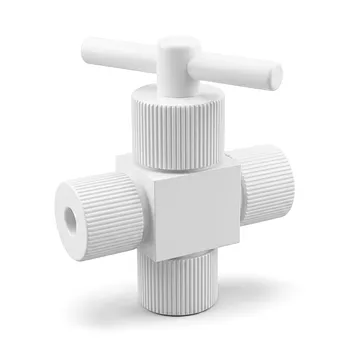
Corrosion Resistant PTFE Valves Customizable 2 Way 3 Way 4 Way High Temperature Teflon Fluid Control Solutions
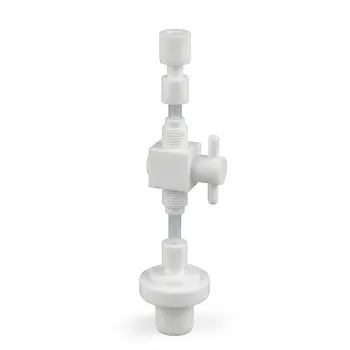
High Purity PFA PTFE Flare Stop Valves Customizable 2-Way 3-Way Reducing Fluoropolymer Fluid Control Solutions
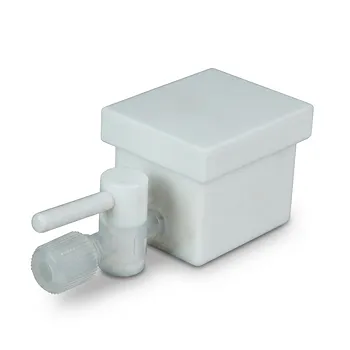
Custom PTFE Corrosion Resistant Insulating Electrophoresis Reaction Cell with Septum and Valves for Low Background Trace Analysis
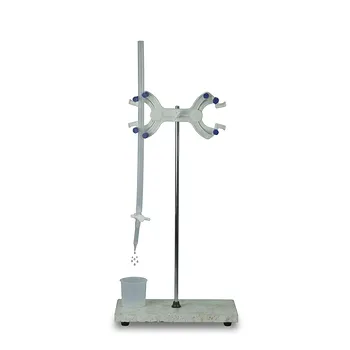
High Purity PFA Translucent Volumetric Burette with PTFE Valve for Acid Base Titration and Corrosive Reagent Handling
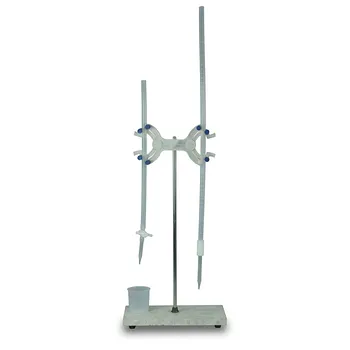
PFA Acid and Base Burette with PTFE Valve for Corrosive Chemical Analysis and Hydrofluoric Acid Resistance Customizable Labware