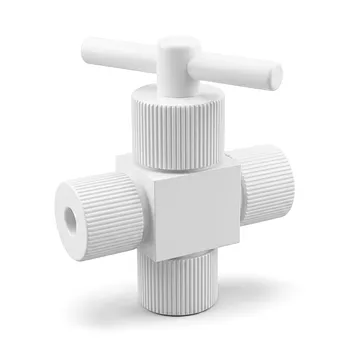
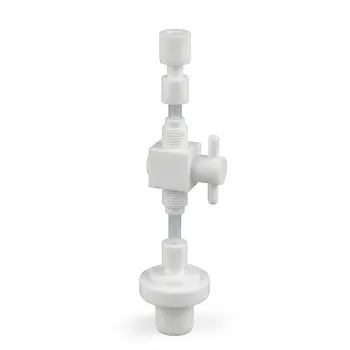
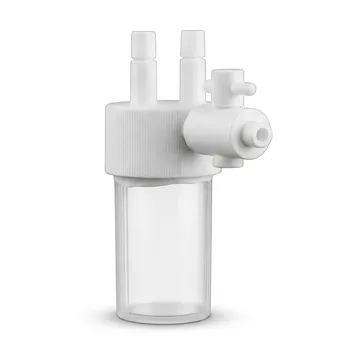
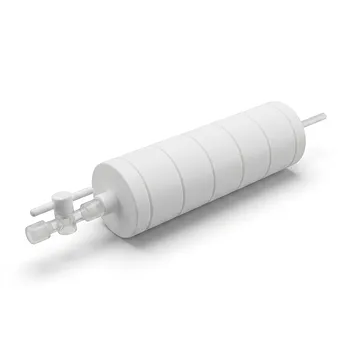
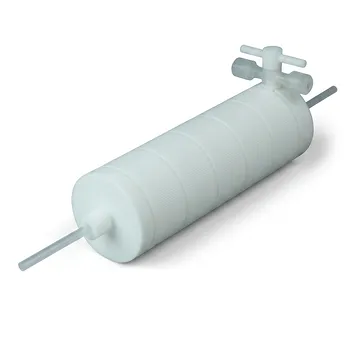
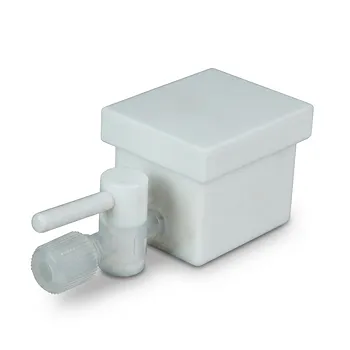
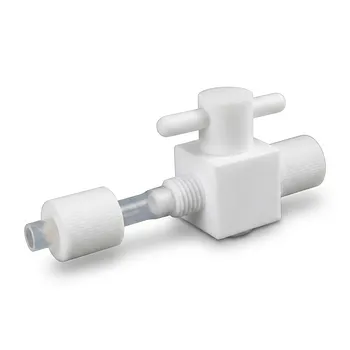
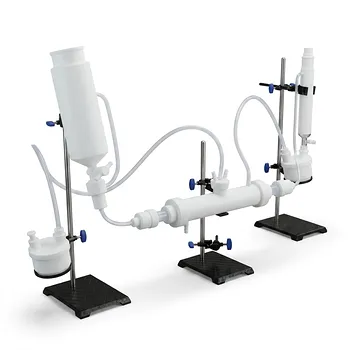
PTFE valves represent the gold standard for chemical handling because they offer near-complete chemical inertness and a non-stick surface that eliminates media buildup. In the chemical processing industry, these valves provide a critical barrier against aggressive acids, alkalis, and reactive halogens that would rapidly degrade standard metallic or elastomer components.
Core Takeaway: PTFE valves provide universal chemical resistance and a low-friction interface that ensures process purity, reduces maintenance frequency, and maintains structural integrity under high-pressure conditions through a hybrid metal-and-liner design.
Exceptional Chemical Inertness and Purity
Near-Universal Chemical Resistance
PTFE is virtually non-reactive to almost all chemicals, including strong oxidants, reductants, and organic solvents. This inherent stability prevents the material from swelling, seizing, or degrading when exposed to harsh reagents like hydrofluoric or sulfuric acid.
Prevention of Catalytic Contamination
Unlike metal valves, PTFE-lined components do not release metal ions into the process stream. This is vital for maintaining the purity of the final product and ensuring the integrity of sensitive synthetic pathways in pharmaceutical or fine chemical manufacturing.
Reliability in Corrosive Environments
By utilizing PTFE for all wetted parts, industrial plants can prevent unforeseen accidents caused by corrosion-related leaks. This exceptional corrosion resistance acts as a primary safety barrier, protecting both the workforce and the environment from hazardous chemical releases.
Operational Efficiency and Longevity
Low Friction and Reduced Torque
The naturally low friction coefficient of PTFE allows for lower actuation torque compared to unlined metal alternatives. This reduces the wear on actuators and manual levers, significantly extending the service life of the valve assembly.
Non-Stick Surface and Flow Consistency
The non-stick properties of the PTFE liner minimize the accumulation of precipitates, polymers, and residues. This prevents the "clogging" common in reactive fluid transfer, ensuring consistent flow coefficients and reducing the need for frequent cleaning cycles.
Wide Thermal Stability
PTFE components can maintain their structural stability and sealing integrity across a massive temperature range, typically from cryogenic levels up to 260°C. This versatility allows a single valve specification to handle both hot chemical streams and cold storage applications.
Structural Integrity and High-Pressure Performance
The Hybrid Advantage
High-performance PTFE valves often feature a metal outer body with a thick PTFE inner lining. This combination provides the chemical resistance of plastic with the mechanical strength of metal, allowing the valve to withstand significant impact and high pressure.
Resistance to Pressure-Temperature Fluctuations
While all-plastic piping systems may lose pressure ratings as temperatures rise, PTFE-lined metal valves maintain their sealing integrity more effectively. This makes them suitable for industrial-scale fluid delivery where high-pressure and high-temperature conditions coexist.
Understanding the Trade-offs
Potential for Permeation
While PTFE is chemically inert, it is slightly porous at a microscopic level, meaning certain small-molecule gases (like chlorine or steam) can permeate the liner over time. If the permeation reaches the metal housing, it can cause "hidden" corrosion behind the liner.
Cold Flow and Deformation
Under constant high pressure, PTFE has a tendency to "creep" or cold flow, which can lead to a loss of sealing tightness if the valve is not designed with proper energized seats or support structures.
Temperature Limitations Compared to Exotic Alloys
While PTFE handles up to 260°C well, it cannot compete with specialized nickel alloys in extreme high-heat applications. In processes exceeding these thermal limits, the PTFE liner may soften and lose its structural shape.
How to Apply This to Your Project
Making the Right Choice for Your Goal
To determine if a PTFE valve is the correct solution for your specific chemical processing environment, consider your primary operational priority:
- If your primary focus is product purity: Utilize PTFE valves to eliminate metal ion leaching and ensure that your synthetic pathway remains uncontaminated by reactive valve materials.
- If your primary focus is reducing maintenance costs: Leverage the non-stick and low-friction properties of PTFE to prevent residue buildup and extend the interval between valve overhauls.
- If your primary focus is safety in high-pressure systems: Specify PTFE-lined metal valves rather than all-plastic alternatives to ensure the system can handle mechanical stress and pressure spikes.
Choosing the right PTFE-lined component ensures a robust, reliable, and safe fluid control system capable of withstanding the most demanding chemical environments.
Summary Table:
| Feature | Key Advantage | Industrial Impact |
|---|---|---|
| Chemical Inertness | Resists nearly all acids, alkalis, and solvents | Prevents corrosion leaks and ensures safety |
| Non-Stick Surface | Prevents media buildup and scaling | Reduces cleaning frequency and maintains flow |
| Low Friction | Lowers actuation torque | Extends valve life and reduces actuator wear |
| Hybrid Design | PTFE liner with metal structural body | Combines chemical resistance with high-pressure strength |
| Thermal Range | Stable from cryogenic to 260°C | Versatile for both hot streams and cold storage |
Optimize Your Fluid Control with KINTEK’s High-Performance PTFE Solutions
Ensure maximum safety and process purity in your most demanding chemical environments. KINTEK manufactures virtually all imaginable laboratory supplies crafted from high-performance PTFE and PFA. From everyday basic labware—including beakers, measuring cylinders, crucibles, and reagent bottles—to specialized fluid transfer components like tubing, fittings, and precision valves, we provide the durability your project demands.
Our expertise extends to advanced reaction apparatus, such as electrochemical cells, hydrothermal synthesis liners, and microwave digestion vessels. Backed by end-to-end custom CNC fabrication, KINTEK is equipped to deliver everything from complex non-standard machined parts and bespoke laboratory setups to high-volume orders.
Ready to upgrade your laboratory setup? Contact KINTEK today to request a quote or discuss your custom fabrication needs!
Related Products
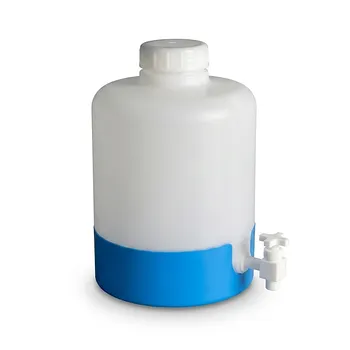
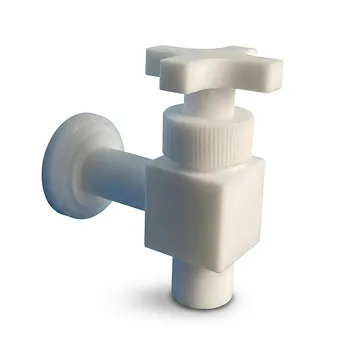
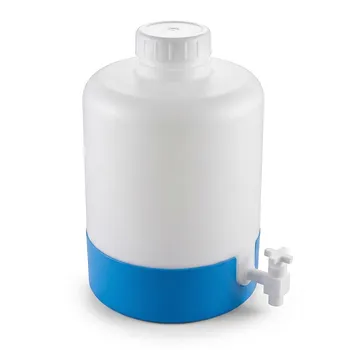
- High Corrosion Resistant PTFE Faucet Polytetrafluoroethylene Valve for Chemical Storage Drums and Fluid Transfer Systems Customizable Industrial Grade
- Corrosion Resistant PTFE Polytetrafluoroethylene Valve and Customizable Laboratory Fluid Dispensing Faucet for Aggressive Chemical Handling in Industrial Storage Tanks and Plastic Drums
- High Purity PTFE Faucet Corrosion Resistant Polytetrafluoroethylene Drum Valve Customizable Lab Chemical Fluid Control
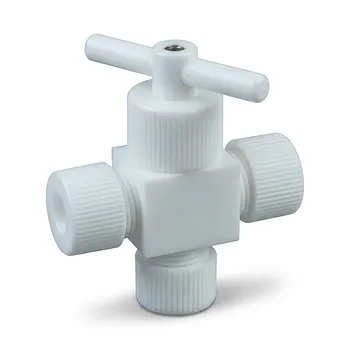
- Custom PTFE Valve 2-Way 3-Way Corrosion Resistant Low Background Virgin Fluoropolymer Industrial Fluid Control
- Corrosion Resistant PTFE Valves Customizable 2 Way 3 Way 4 Way High Temperature Teflon Fluid Control Solutions
People Also Ask
- What is the typical operating temperature and pressure range for PTFE valves? Key Specs for Optimal Performance
- What industries commonly use PTFE valves and components? Essential for Chemical & Purity Applications
- How do PTFE valves and components support high-purity liquid transfer? Ensure Product Integrity with Inert Materials
- What are the key properties of PTFE valves? Ensure Purity, Safety, and Reliability in Demanding Processes
- What factors influence the design variations of PTFE valves? Select the Perfect Valve for Your Application