PTFE's exceptionally low coefficient of friction is a transformative property for valve design. By reducing the physical resistance between moving components, it enables smoother operation with less force while simultaneously extending the mechanical lifespan of the valve. This unique characteristic directly leads to smaller hardware requirements, enhanced precision, and significantly reduced maintenance intervals.
Core Takeaway: The low friction of PTFE (approximately 0.05) minimizes torque and wear, allowing for energy-efficient actuation and a self-lubricating environment that eliminates the need for external lubricants and prevents process contamination.
Enhancing Actuation Performance and Efficiency
Lowering Actuation Torque
The primary benefit of PTFE's low friction is the significant reduction in actuation torque. Because internal parts glide with minimal resistance, less force is required to open or close the valve.
This reduction in torque allows engineers to specify smaller, more energy-efficient actuators. Smaller actuators reduce the overall footprint of the valve assembly and lower the initial capital expenditure.
Improving Precise Flow Control
Low friction ensures that the valve responds immediately to control signals without the "jerky" movement often found in high-friction materials. This is essential for applications requiring precise flow control and easy handling.
Systems utilizing PTFE liners or seals experience smoother transitions during operation. This predictability is critical for maintaining the stability of industrial processes.
Maximizing Energy Efficiency
By reducing the effort required to operate the valve, PTFE contributes to a more sustainable operation. Lower energy consumption during each cycle translates to significant cost savings over the life of the system.
Reducing Maintenance and Total Cost of Ownership
Eliminating External Lubricants
PTFE is self-lubricating, which eliminates the need for external greases or oils. This is a critical advantage in industries like food processing or pharmaceuticals, where external lubricants could contaminate the process fluid.
The absence of external lubricants also simplifies the maintenance schedule. Technicians do not need to perform periodic re-greasing, reducing labor costs and downtime.
Extending Component Life
The low coefficient of friction directly reduces wear and tear on critical moving parts, such as stem packings, seats, and balls. PTFE components maintain their integrity and sealing efficiency over much longer periods than metals or other plastics.
In components like bellows, PTFE allows for repeated compressions without experiencing fatigue or damage. This durability significantly lowers the risk of leaks that could lead to system failure.
Reliability in High-Cycle Systems
In systems characterized by frequent use, PTFE's ability to maintain performance over time is invaluable. It reduces the risk of mechanical failure and ensures that the valve remains operational even under demanding cycles.
By minimizing the frequency of part replacements, PTFE lowers the total cost of ownership (TCO). Facilities can operate longer between planned maintenance shutdowns.
Understanding the Trade-offs and Challenges
Manufacturing and Machining Difficulty
The same slipperiness that benefits valve operation creates challenges during the machining process. With a coefficient of friction of approximately 0.05, PTFE is prone to slipping while being cut.
This slippage can adversely affect machining accuracy and the quality of the surface finish. Manufacturers must use specialized techniques to ensure that PTFE components meet tight dimensional tolerances.
Material Limitations
While PTFE excels in friction reduction, it may not be suitable for every environment. It is essential to ensure that the chemical compatibility and temperature range of the process fluid align with PTFE’s specific material properties.
How to Apply This to Your System
Selecting PTFE components should be based on your specific operational priorities:
- If your primary focus is preventing contamination: Use PTFE-lined valves and self-lubricating seals to eliminate the need for external greases that could taint your product.
- If your primary focus is reducing hardware costs: Leverage the low actuation torque of PTFE to downsize your actuators and reduce the overall weight and cost of the valve assembly.
- If your primary focus is high-cycle reliability: Implement PTFE seats and bellows to ensure the valve can withstand frequent movement without premature wear or leakage.
By capitalizing on the low friction of PTFE, you can create a more efficient, reliable, and cost-effective fluid control system.
Summary Table:
| Benefit | Impact on Valve Performance | Key Advantage |
|---|---|---|
| Low Torque | Enables smaller, energy-efficient actuators | Lower capital & energy costs |
| Self-Lubrication | Eliminates the need for external greases | Zero process contamination |
| High Durability | Minimizes wear on seats, stems, and seals | Extended maintenance intervals |
| Precise Control | Provides smooth, non-jerky actuation | Enhanced process stability |
Maximize Your System Efficiency with KINTEK
Elevate your fluid control and laboratory operations with KINTEK, your expert partner in high-performance fluoropolymer solutions. From everyday basic labware like beakers, crucibles, and reagent bottles to comprehensive fluid transfer components—including tubing, fittings, and valves—we provide the reliability your processes demand.
Our capabilities extend to advanced reaction apparatus, including electrochemical cells, hydrothermal synthesis liners, and microwave digestion vessels, all crafted from premium PTFE and PFA. Whether you need high-volume consumables or bespoke, complex non-standard machined parts via our end-to-end custom CNC fabrication, KINTEK delivers absolute precision.
Ready to reduce maintenance and enhance performance? Contact us today to discover how our exclusive focus on high-performance materials can benefit your specific application.
Related Products
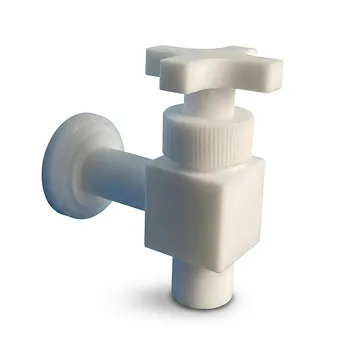
- Corrosion Resistant PTFE Polytetrafluoroethylene Valve and Customizable Laboratory Fluid Dispensing Faucet for Aggressive Chemical Handling in Industrial Storage Tanks and Plastic Drums
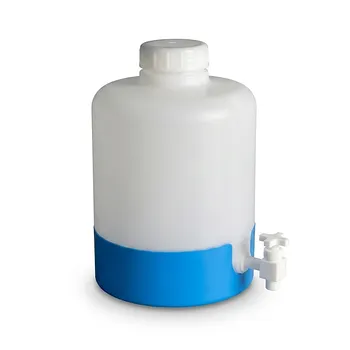
- High Corrosion Resistant PTFE Faucet Polytetrafluoroethylene Valve for Chemical Storage Drums and Fluid Transfer Systems Customizable Industrial Grade
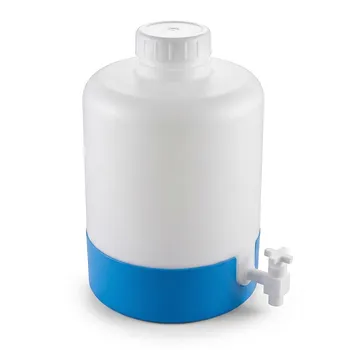
- High Purity PTFE Faucet Corrosion Resistant Polytetrafluoroethylene Drum Valve Customizable Lab Chemical Fluid Control
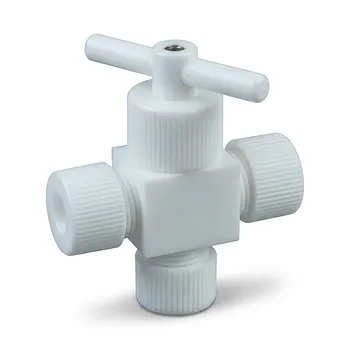
- Custom PTFE Valve 2-Way 3-Way Corrosion Resistant Low Background Virgin Fluoropolymer Industrial Fluid Control
- Corrosion Resistant PTFE Valves Customizable 2 Way 3 Way 4 Way High Temperature Teflon Fluid Control Solutions
People Also Ask
- What specific advantages do PTFE valves offer? Unmatched Corrosion Resistance for Industrial Chemical Handling
- What industries commonly use PTFE valves and components? Essential for Chemical & Purity Applications
- How do PTFE valves and components support high-purity liquid transfer? Ensure Product Integrity with Inert Materials
- What are the key properties of PTFE valves? Ensure Purity, Safety, and Reliability in Demanding Processes
- What is the typical operating temperature and pressure range for PTFE valves? Key Specs for Optimal Performance