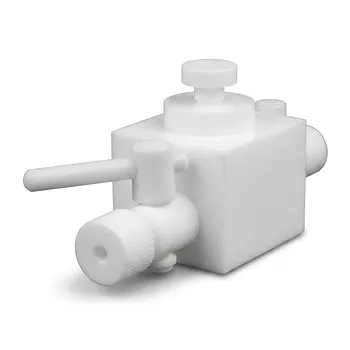
Polytetrafluoroethylene (PTFE) is a high-performance fluoropolymer defined by its near-universal chemical inertness and an expansive functional temperature range from -200°C to +260°C. These properties, combined with an extremely low coefficient of friction (0.05–0.10), make it the premier material for valve seats, seals, and linings in corrosive or high-purity industrial environments.
PTFE provides a unique combination of extreme thermal stability and chemical resistance that allows valves to operate reliably in environments where almost all other elastomers and plastics would fail. Its primary value lies in its ability to maintain sealing integrity and low operating torque under harsh conditions.
Universal Chemical Resistance and Surface Integrity
Near-Universal Inertness
PTFE is virtually unaffected by the majority of industrial chemicals, including concentrated acids, strong bases, and highly reactive agents like hydrofluoric acid. This inertness stems from the strong bond between carbon and fluorine atoms, which creates a protective "shield" around the polymer chain.
Prevention of Media Buildup
The material’s non-stick characteristics prevent the accumulation of process media on valve internals. This is critical for maintaining flow rates and ensuring that sediments do not interfere with the tight shut-off capabilities of the valve.
Suitability for Sanitary Processes
Because PTFE is non-toxic and corrosion-resistant, it is an ideal choice for the pharmaceutical, food and beverage, and semiconductor industries. It ensures that no contaminants leach into the process stream, maintaining the purity of the media.
Thermal Stability Across Extreme Ranges
Cryogenic to High-Heat Performance
PTFE maintains its physical and molecular properties from cryogenic temperatures of -200°C up to continuous service temperatures of +260°C. It remains flexible and functional at temperatures as low as -79°C, where other materials would become brittle and crack.
Melting Point and Brief Extremes
While the standard operating limit is 260°C, the material has a high melting point of 327°C and can briefly withstand excursions up to 300°C. This provides a safety margin during unexpected process temperature spikes.
Thermal Conductivity and Expansion
PTFE has a relatively low thermal conductivity (0.25 W m⁻¹ K⁻¹), acting as an effective insulator. However, engineers must account for its coefficient of thermal expansion (100-160 x10⁻⁶ K⁻¹), which is significantly higher than that of the metal valve body.
Mechanical Performance and Efficiency
Reducing Operating Torque
The extremely low coefficient of friction (0.05 to 0.10) is one of PTFE's most valuable mechanical traits for valve design. It significantly reduces the force required to actuate the valve, allowing for smaller, more cost-effective actuators.
Self-Lubricating Properties
PTFE acts as a self-lubricating seal, which eliminates the need for external lubricants that could contaminate the process media. This property ensures smooth operation over thousands of cycles, even in dry-running conditions.
Understanding the Trade-offs
Resistance to Deformation (Cold Flow)
The primary limitation of PTFE in valve applications is its tendency to "creep" or "cold flow" under sustained mechanical load. At 1.8MPa, the heat-deflection temperature drops to 54°C, meaning the material can deform if pressure and temperature are not carefully balanced.
Pressure Limitations
While chemically robust, virgin PTFE lacks the structural stiffness of metals or reinforced plastics. In high-pressure applications, PTFE seals may require reinforcement with glass or carbon fibers to prevent the seal from extruding out of its seat.
Applying PTFE Properties to Your Valve Selection
Recommendations for Specific Goals
- If your primary focus is Chemical Purity: Utilize virgin PTFE to ensure zero leaching and maximum resistance to aggressive cleaning agents or etching chemicals.
- If your primary focus is High-Pressure Sealing: Opt for "filled" or reinforced PTFE grades to mitigate the risk of cold flow and seat deformation while maintaining chemical resistance.
- If your primary focus is Cryogenic Service: Leverage PTFE's ability to remain flexible at -200°C, ensuring the valve maintains a bubble-tight seal in liquid nitrogen or LNG applications.
- If your primary focus is Reducing Actuation Costs: Take advantage of the 0.05 friction coefficient to specify smaller, more efficient electric or pneumatic actuators.
By aligning the unique chemical and thermal strengths of PTFE with specific process requirements, you can achieve a valve system that offers both high reliability and a long service life.
Summary Table:
| Property | Metric/Value | Impact on Valve Performance |
|---|---|---|
| Chemical Resistance | Near-Universal Inertness | Prevents corrosion from acids, bases, and reactive agents. |
| Operating Temperature | -200°C to +260°C | Ensures reliability in cryogenic and high-heat processes. |
| Friction Coefficient | 0.05 – 0.10 | Reduces operating torque and enables smaller actuators. |
| Melting Point | 327°C | Provides a safety margin during process temperature spikes. |
| Surface Tension | Extremely Low (Non-stick) | Prevents media buildup and ensures consistent flow rates. |
| Mechanical Limit | Cold Flow (Creep) | May require glass/carbon reinforcement for high-pressure. |
Precision Fluoropolymer Solutions for Your Toughest Applications
At KINTEK, we translate the unique chemical and thermal advantages of PTFE and PFA into high-performance tools for your lab and production line. Whether you require everyday basic labware (beakers, crucibles, reagent bottles) or advanced reaction apparatus (custom electrochemical cells, battery testing fixtures, microwave digestion vessels), our exclusive focus on fluoropolymers ensures unmatched durability and purity.
Why partner with KINTEK?
- Comprehensive Range: From fluid transfer components (tubing, valves, fittings) to high-purity trace analysis instruments.
- Custom Engineering: Backed by end-to-end custom CNC fabrication, we deliver everything from complex non-standard machined parts to bespoke laboratory setups.
- Scalable Manufacturing: We are equipped to handle both high-volume orders and specialized one-off designs with absolute precision.
Ready to enhance your process efficiency with high-performance fluoropolymer materials? Contact KINTEK today to discuss your specific requirements and let our experts deliver the perfect solution for your most demanding environments.
Related Products
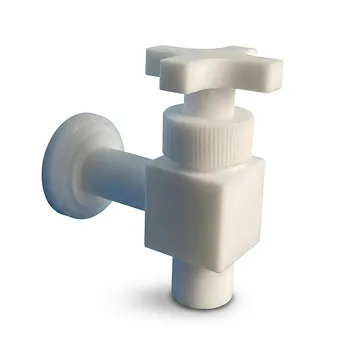
- Corrosion Resistant PTFE Polytetrafluoroethylene Valve and Customizable Laboratory Fluid Dispensing Faucet for Aggressive Chemical Handling in Industrial Storage Tanks and Plastic Drums
- High Corrosion Resistant PTFE Faucet Polytetrafluoroethylene Valve for Chemical Storage Drums and Fluid Transfer Systems Customizable Industrial Grade
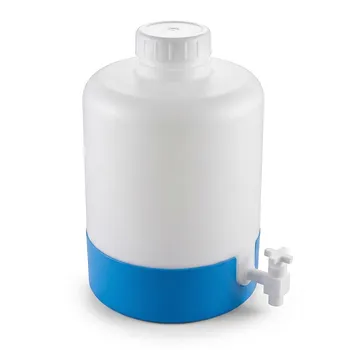
- High Purity PTFE Faucet Corrosion Resistant Polytetrafluoroethylene Drum Valve Customizable Lab Chemical Fluid Control
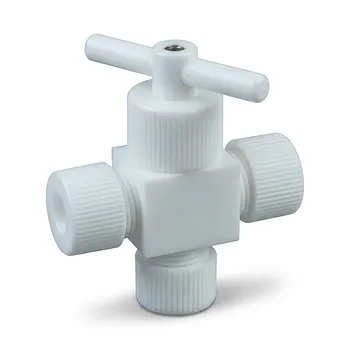
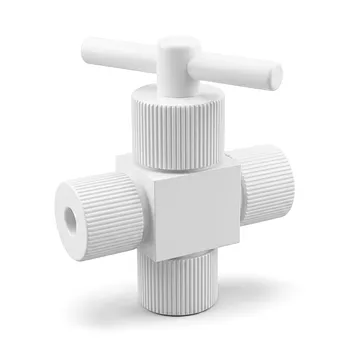
- Custom PTFE Valve 2-Way 3-Way Corrosion Resistant Low Background Virgin Fluoropolymer Industrial Fluid Control
- Corrosion Resistant PTFE Valves Customizable 2 Way 3 Way 4 Way High Temperature Teflon Fluid Control Solutions
People Also Ask
- What specific advantages do PTFE valves offer? Unmatched Corrosion Resistance for Industrial Chemical Handling
- How do PTFE valves and components support high-purity liquid transfer? Ensure Product Integrity with Inert Materials
- What industries commonly use PTFE valves and components? Essential for Chemical & Purity Applications
- What are the key properties of PTFE valves? Ensure Purity, Safety, and Reliability in Demanding Processes
- What is the typical operating temperature and pressure range for PTFE valves? Key Specs for Optimal Performance