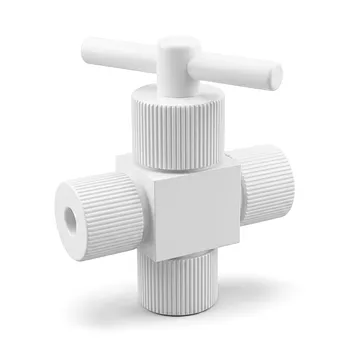
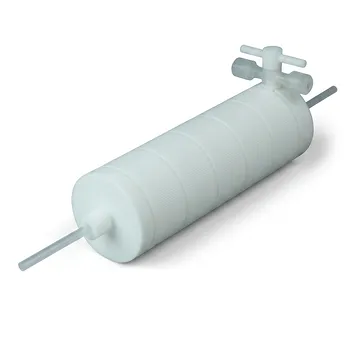
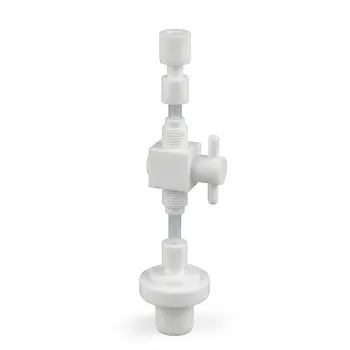
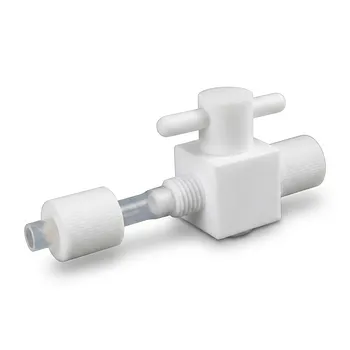
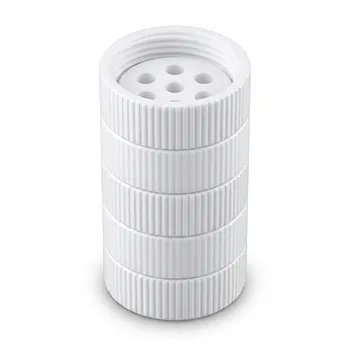
The standard PTFE rotor valve assembly is a precision-engineered device designed for high-purity fluid routing. It fundamentally consists of a precision-machined PTFE rotor, a stationary stator featuring multiple ports, and a pressure-loaded mechanism such as a Belleville washer stack. This combination ensures a chemically inert flow path and a leak-tight seal capable of withstanding various analytical and industrial environments.
The core of a PTFE rotor valve’s performance lies in the interface between its moving rotor and stationary stator. By applying consistent axial force through a pressure-loading mechanism, the assembly maintains a hermetic seal that prevents cross-port leakage and external contamination.
The Architecture of Fluid Control
The Precision-Machined PTFE Rotor
The rotor is the only moving part of the internal assembly and is typically shaped as a flat disc or a cylinder. It contains internal flow pathways or grooves that are precisely machined to connect specific ports on the stator as it rotates. Because it is made of PTFE, it offers a low coefficient of friction and near-universal chemical resistance, which is vital for maintaining the integrity of the fluid being handled.
The Stationary Stator Interface
The stator serves as the fixed housing for the fluid's inlet and outlet ports. While often made of PTFE to match the rotor, it can also be constructed from harder fluoropolymers like PCTFE or high-performance plastics like PEEK to enhance durability. The stator's flat surface must be polished to an extreme degree to ensure that the rotor can glide across it without allowing fluid to bypass the intended channels.
The Pressure-Loading Mechanism
To prevent leaks between the rotor and stator, a pressure-loading mechanism provides a constant axial force. This is usually achieved through a spring or a stack of Belleville washers that pushes the rotor firmly against the stator face. This mechanism is critical because it compensates for any minor material wear over time, ensuring the seal remains "fluid-tight" throughout the valve's operational life.
Actuation and Integration
In automated systems, the PTFE valve assembly is often paired with a pneumatic or electric actuator. The actuator provides the torque necessary to turn the rotor to specific positions. While the actuator is a separate subcomponent, it is essential for the "assembly" to function as a dynamic part of a larger fluidic system.
Understanding the Trade-offs
Material Softness vs. Seal Integrity
PTFE is a relatively soft material, which is an advantage for creating a tight seal because it can conform to minor surface imperfections. However, this same softness makes the rotor susceptible to "cold flow" or deformation if excessive pressure is applied by the loading mechanism. Finding the balance between enough force to seal and too much force that causes deformation is a common engineering challenge.
Friction and Component Wear
Even though PTFE has a very low coefficient of friction, the constant movement of the rotor against the stator will eventually cause mechanical wear. Over time, the internal flow pathways can become blurred or the sealing surface can become scored, especially if the fluid contains abrasive particles. This necessitates periodic inspection and replacement of the internal "wetted" parts to prevent cross-contamination between ports.
How to Apply This to Your Project
When selecting or maintaining a PTFE rotor valve assembly, consider the specific demands of your application to ensure longevity and performance.
- If your primary focus is Chemical Inertness: Ensure both the rotor and stator are made of virgin PTFE to prevent any reaction with aggressive reagents or solvents.
- If your primary focus is High-Pressure Durability: Opt for a stator made of PEEK or PCTFE, as these harder materials provide better structural support and resist deformation under high axial loads.
- If your primary focus is System Longevity: Implement a regular maintenance schedule to inspect the rotor surface for scoring and ensure the Belleville washer stack is still providing adequate tension.
Selecting the right combination of materials and tension ensures your fluidic system remains precise, uncontaminated, and reliable over thousands of cycles.
Summary Table:
| Component | Primary Function | Common Materials |
|---|---|---|
| PTFE Rotor | Moving disc with flow paths to route fluid | Virgin PTFE |
| Stator | Fixed housing with inlet/outlet ports | PTFE, PEEK, PCTFE |
| Pressure Mechanism | Maintains axial force for a leak-tight seal | Belleville Washers |
| Actuator | Provides torque for automated rotation | Pneumatic or Electric |
Elevate Your Fluid Management with KINTEK’s Precision Engineering
Need high-performance components for your most demanding analytical or industrial applications? At KINTEK, we specialize in the absolute focus on high-performance fluoropolymer materials like PTFE and PFA. Whether you require everyday basics like beakers and reagent bottles or complex fluid transfer components including tubing, fittings, and valves, we have you covered.
Our expertise extends from sample prep tools (separatory funnels, filters, pipettes) to advanced reaction apparatus such as electrochemical cells and microwave digestion vessels. Backed by end-to-end custom CNC fabrication, KINTEK can deliver everything from high-volume standard orders to bespoke, non-standard machined parts tailored to your unique specifications.
Ensure total chemical inertness and leak-tight reliability in your lab. Contact KINTEK today to discuss your custom project or bulk order!
Related Products
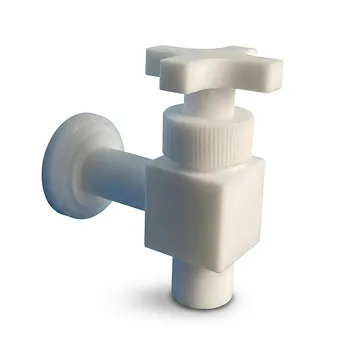
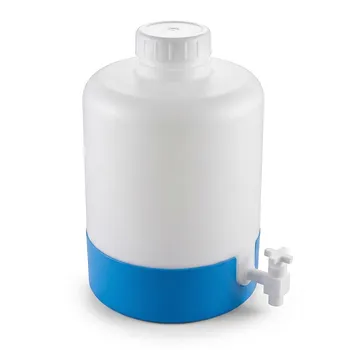
- Corrosion Resistant PTFE Polytetrafluoroethylene Valve and Customizable Laboratory Fluid Dispensing Faucet for Aggressive Chemical Handling in Industrial Storage Tanks and Plastic Drums
- High Purity PTFE Faucet Corrosion Resistant Polytetrafluoroethylene Drum Valve Customizable Lab Chemical Fluid Control
- High Corrosion Resistant PTFE Faucet Polytetrafluoroethylene Valve for Chemical Storage Drums and Fluid Transfer Systems Customizable Industrial Grade
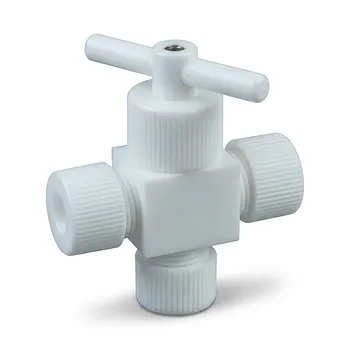
- Custom PTFE Valve 2-Way 3-Way Corrosion Resistant Low Background Virgin Fluoropolymer Industrial Fluid Control
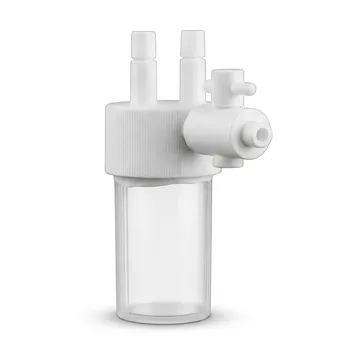
- Custom PTFE Reaction Lid with Integrated Valve and Fitting Corrosion Resistant No Leaching PFA FEP Bottle Cap System
People Also Ask
- What specific advantages do PTFE valves offer? Unmatched Corrosion Resistance for Industrial Chemical Handling
- What industries commonly use PTFE valves and components? Essential for Chemical & Purity Applications
- How do PTFE valves and components support high-purity liquid transfer? Ensure Product Integrity with Inert Materials
- What are the key properties of PTFE valves? Ensure Purity, Safety, and Reliability in Demanding Processes
- What is the typical operating temperature and pressure range for PTFE valves? Key Specs for Optimal Performance