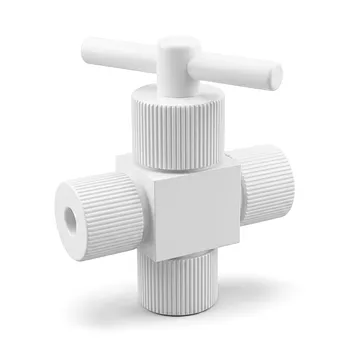
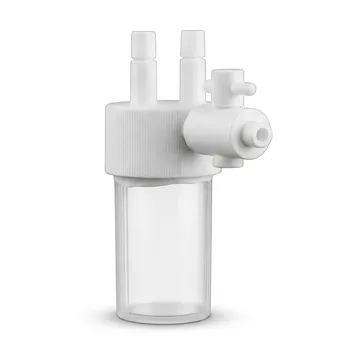
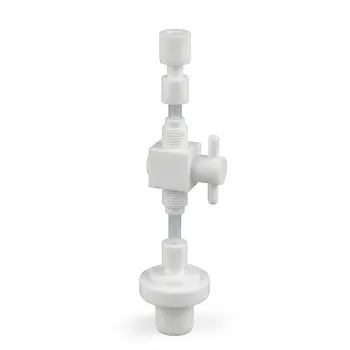
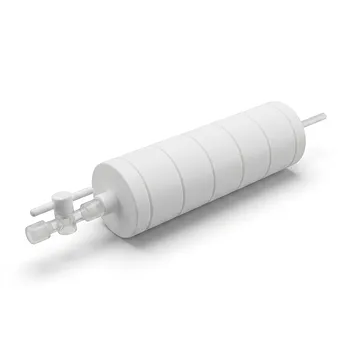
PTFE-based sealing is governed by the fundamental principle of maintaining contact stress that exceeds the pressure of the sealed media. This is achieved through mechanical interference during installation, the material's unique viscoelastic ability to conform to surface irregularities, and the use of dynamic energizers to compensate for material creep. These mechanisms work in tandem to create a "near-zero leakage" interface even in chemically aggressive or high-cycling environments.
The excellence of PTFE seals lies in their ability to balance material softness—allowing for microscopic conformability—with mechanical reinforcement that prevents deformation. By utilizing spring or elastomer energizers, designers ensure that the seal remains effective despite PTFE’s inherent tendency to "cold flow" under sustained load.
The Mechanics of the Interface
Microscopic Conformability
PTFE functions as a soft-seated interface, meaning it can deform slightly to fill the microscopic peaks and valleys (asperities) of the mating hardware. This viscoelastic response ensures that no leak paths exist at the molecular level, which is critical for handling gases and low-viscosity fluids.
Mechanical Interference and Contact Stress
The primary seal is established during installation through mechanical interference, where the PTFE component is slightly oversized for its cavity. This compression creates an initial positive barrier by ensuring the contact stress between the seal and the hardware is higher than the pressure of the fluid it is containing.
Self-Energization in Pressurized Systems
In many valve designs, the seal acts as a self-energized component. As system pressure increases, the media itself forces the PTFE lip or seat harder against the mating surface, naturally increasing the contact stress in direct proportion to the internal pressure.
Sustaining the Seal Over Time
Dynamic Compensation for Cold Flow
A critical challenge with pure PTFE is "cold flow," or the tendency of the material to deform permanently under constant load. To counter this, manufacturers integrate energizers—such as O-rings, leaf springs, or helical springs—to apply a continuous, outward force that maintains the seal integrity even if the PTFE begins to shift.
Locking Geometries and Liner Integrity
To prevent the PTFE from migrating or "extruding" under high pressure or vacuum, components are engineered with specific locking geometries. These physical anchors and carefully calculated liner thicknesses distribute mechanical stress evenly and prevent the material from delaminating from the valve body.
Low Friction and Self-Lubrication
PTFE’s exceptionally low coefficient of friction ensures that the seal does not degrade during the opening and closing of the valve. This self-lubricating property minimizes wear on the sealing surface, allowing the component to maintain its original geometry and sealing effectiveness over thousands of cycles.
Understanding the Trade-offs
The Risk of Extrusion
Because PTFE is relatively soft, it can be squeezed into the extrusion gap (the radial clearance between hardware parts) if pressures are too high. Designers must strictly control these clearances and often use harder "back-up rings" to support the PTFE jacket in high-pressure applications.
Thermal Expansion Sensitivity
PTFE has a high coefficient of thermal expansion compared to the metal hardware of a valve. Significant temperature fluctuations can cause the seal to expand and increase friction, or contract and lose its interference fit, necessitating the use of spring-loaded V-ring packing to maintain constant pressure.
Surface Finish Requirements
While PTFE is conformable, it is highly sensitive to the surface finish of the mating hardware. If the metal ball or shaft is too rough, it will act like a file and abrade the PTFE; if it is too smooth, the seal may struggle to "bed in" properly, leading to premature failure.
How to Apply This to Your Project
Making the Right Choice for Your Goal
- If your primary focus is Chemical Resistance: Prioritize thick-walled PTFE liners and virgin PTFE material to ensure maximum inertness against strong acids and alkalis.
- If your primary focus is High-Cycle Reliability: Select components with internal spring energizers and polished mating surfaces to compensate for wear and maintain contact stress.
- If your primary focus is Vacuum or High-Pressure Service: Ensure the design utilizes locking geometries and minimal extrusion gaps to prevent the seal from deforming out of its seat.
The technical superiority of PTFE in valve components is not just a result of the material itself, but of the precise mechanical systems engineered to support its unique physical properties.
Summary Table:
| Sealing Principle | Mechanism | Primary Benefit |
|---|---|---|
| Contact Stress | Mechanical interference during installation | Exceeds media pressure to prevent leaks |
| Viscoelasticity | Conforming to surface irregularities | Molecular-level sealing for gases/fluids |
| Dynamic Energizing | Integration of springs or elastomers | Compensates for cold flow and material creep |
| Self-Lubrication | Low coefficient of friction | High-cycle reliability with minimal wear |
| Self-Energization | System pressure-assisted sealing | Maintains seal integrity as pressure increases |
Upgrade Your Fluid Control with KINTEK’s Precision Fluoropolymer Engineering
At KINTEK, we understand that critical sealing requires more than just material—it requires precision engineering. We manufacture a comprehensive range of laboratory supplies crafted from PTFE and PFA, ensuring your systems achieve "near-zero leakage" even in the most aggressive environments.
Our expertise spans from everyday labware (beakers, crucibles, reagent bottles) and fluid transfer components (tubing, fittings, valves) to advanced reaction apparatus like custom electrochemical cells and microwave digestion vessels. Backed by end-to-end custom CNC fabrication, we deliver everything from high-volume standard consumables to complex, bespoke non-standard machined parts tailored to your specific technical requirements.
Ensure absolute performance for your lab—Contact KINTEK today to discuss your custom project or bulk needs!
Related Products
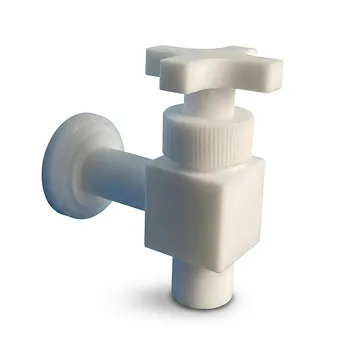
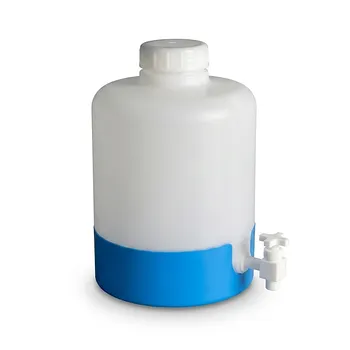
- Corrosion Resistant PTFE Polytetrafluoroethylene Valve and Customizable Laboratory Fluid Dispensing Faucet for Aggressive Chemical Handling in Industrial Storage Tanks and Plastic Drums
- High Corrosion Resistant PTFE Faucet Polytetrafluoroethylene Valve for Chemical Storage Drums and Fluid Transfer Systems Customizable Industrial Grade
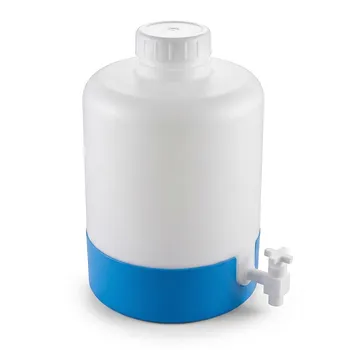
- High Purity PTFE Faucet Corrosion Resistant Polytetrafluoroethylene Drum Valve Customizable Lab Chemical Fluid Control
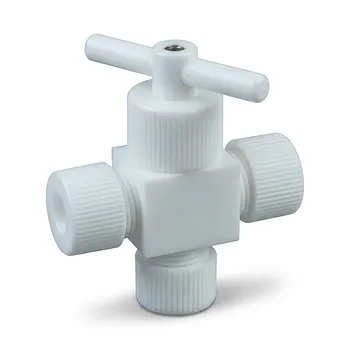
- Custom PTFE Valve 2-Way 3-Way Corrosion Resistant Low Background Virgin Fluoropolymer Industrial Fluid Control
- Corrosion Resistant PTFE Valves Customizable 2 Way 3 Way 4 Way High Temperature Teflon Fluid Control Solutions
People Also Ask
- What specific advantages do PTFE valves offer? Unmatched Corrosion Resistance for Industrial Chemical Handling
- What industries commonly use PTFE valves and components? Essential for Chemical & Purity Applications
- How do PTFE valves and components support high-purity liquid transfer? Ensure Product Integrity with Inert Materials
- What are the key properties of PTFE valves? Ensure Purity, Safety, and Reliability in Demanding Processes
- What is the typical operating temperature and pressure range for PTFE valves? Key Specs for Optimal Performance