PTFE-lined valves achieve a critical balance of performance by utilizing a dual-material architecture. This design combines a high-strength metallic outer shell with a chemically inert Polytetrafluoroethylene (PTFE) internal lining. The metal body provides the necessary structural integrity to withstand high system pressures, while the PTFE liner—typically between 0.8 mm and 3 mm thick—acts as a comprehensive barrier that prevents aggressive media from ever contacting the metal.
Core Takeaway: By nesting a molded or bonded PTFE barrier within a carbon steel or ductile iron housing, engineers can safely manage highly corrosive fluids at industrial pressures without the prohibitive cost of exotic alloys.
The Foundation of Mechanical Strength
The Role of the Metallic Housing
The outer body of the valve is constructed from robust materials like carbon steel, stainless steel, or ductile iron. These metals are chosen for their ability to handle mechanical stresses, including internal line pressure, piping loads, and external impacts.
Pressure Containment and Durability
Because PTFE lacks the structural rigidity to contain high-pressure fluids on its own, the metal shell acts as a pressure vessel. This allows the valve to operate in demanding industrial environments while maintaining its shape and sealing integrity over long service cycles.
The Barrier of Chemical Resistance
Total Media Isolation
The internal wetted parts are protected by a molded or bonded PTFE liner, ensuring that the aggressive media only contacts the chemically inert fluoropolymer. This design eliminates the risk of rust and internal corrosion, which are the primary causes of valve failure in chemical processing.
Wide-Spectrum Chemical Inertness
PTFE is highly resistant to a vast range of substances, including concentrated sulfuric acid, alkalis, and halogens like chlorine gas. This makes these valves indispensable for pharmaceutical, food and beverage, and chemical processing sectors where purity and safety are paramount.
Surface Performance and Flow
Beyond chemical resistance, the low coefficient of friction and non-stick properties of PTFE prevent materials from adhering to the valve surfaces. This ensures a smooth, uninterrupted fluid flow and reduces the torque required to operate the valve.
Understanding the Trade-offs and Limitations
Thermal and Pressure Boundaries
While PTFE is non-flammable and stable, it has specific temperature and pressure limits compared to all-metal valves. At extreme temperatures, the liner may expand or soften, which can lead to "cold flow" or deformation if not properly engineered.
Permeation and Vacuum Risks
In certain high-pressure gas applications, molecules can permeate the thin liner over time, potentially attacking the metal housing from behind the barrier. Additionally, in vacuum services, the liner may collapse or pull away from the body if it is not mechanically bonded or sufficiently thick.
Chemical Exceptions
Despite its broad resistance, PTFE is not universal. It can be attacked by fluorine, fluorine derivatives, and extremely violent reducing agents, which can degrade the liner and lead to catastrophic failure.
How to Apply This to Your Project
When selecting a PTFE-lined valve, your choice should be dictated by the specific chemical and physical demands of your process.
- If your primary focus is maximum corrosion resistance: Ensure the liner thickness is optimized (closer to 3 mm) to provide a robust barrier against aggressive acids and oxidants.
- If your primary focus is high-pressure safety: Prioritize a ductile iron or carbon steel housing that meets the specific pressure rating of your piping system.
- If your primary focus is fluid purity: Leverage the non-stick and non-reactive properties of PTFE to prevent batch contamination in food or pharmaceutical applications.
The strategic integration of a rigid metal exterior and a resilient PTFE interior remains the industry standard for handling the world's most challenging fluids safely and efficiently.
Summary Table:
| Component | Material Example | Primary Function | Key Advantage |
|---|---|---|---|
| Outer Shell | Carbon Steel, Ductile Iron | Structural Integrity | Withstands high pressure and piping loads |
| Internal Liner | High-purity PTFE | Chemical Barrier | Prevents corrosion from acids and alkalis |
| Liner Thickness | 0.8 mm – 3.0 mm | Media Isolation | Ensures total protection of the metal body |
| Interface | Molded or Bonded | Uniform Seal | Reduces friction and prevents internal leaks |
Optimize Your Performance with KINTEK’s Fluoropolymer Excellence
From everyday basic labware like beakers, crucibles, and reagent bottles to advanced reaction apparatus such as custom electrochemical cells, battery testing fixtures, and microwave digestion vessels, KINTEK manufactures virtually all imaginable laboratory supplies crafted from high-performance PTFE and PFA.
Whether you need standard consumables—including stirring bars, O-rings, and seal tapes—or complex, bespoke non-standard machined parts, our end-to-end custom CNC fabrication is equipped to deliver high-volume orders with precision. We focus exclusively on high-performance fluoropolymers to ensure your fluid transfer components, sample prep tools, and filtration systems withstand the most aggressive chemical environments.
Ready to upgrade your lab's durability and purity? Contact KINTEK today to discuss your standard or custom requirements and see how our expertise can benefit your next project!
Related Products
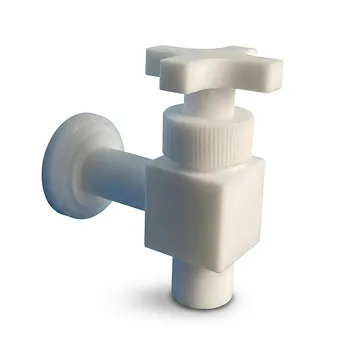
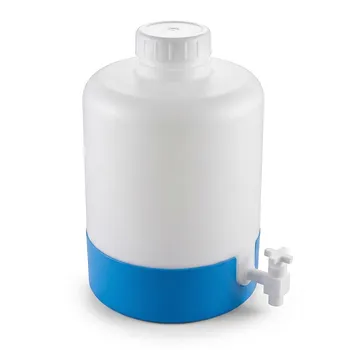
- High Corrosion Resistant PTFE Faucet Polytetrafluoroethylene Valve for Chemical Storage Drums and Fluid Transfer Systems Customizable Industrial Grade
- Corrosion Resistant PTFE Polytetrafluoroethylene Valve and Customizable Laboratory Fluid Dispensing Faucet for Aggressive Chemical Handling in Industrial Storage Tanks and Plastic Drums
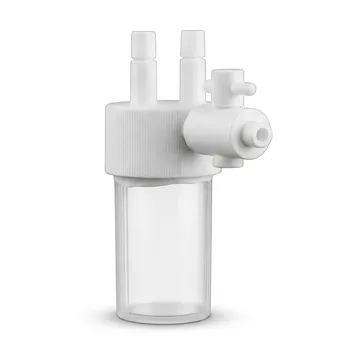
- PTFE Lined High Pressure Digestion Vessel 50ml High Temperature Hydrothermal Synthesis Tank
- High Purity PTFE Faucet Corrosion Resistant Polytetrafluoroethylene Drum Valve Customizable Lab Chemical Fluid Control
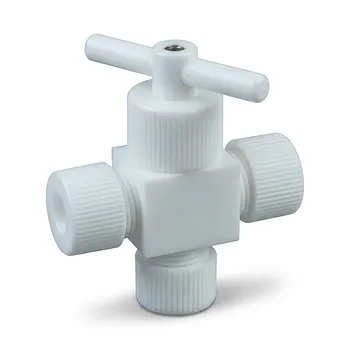
- Custom PTFE Valve 2-Way 3-Way Corrosion Resistant Low Background Virgin Fluoropolymer Industrial Fluid Control
People Also Ask
- What is the typical operating temperature and pressure range for PTFE valves? Key Specs for Optimal Performance
- What industries commonly use PTFE valves and components? Essential for Chemical & Purity Applications
- How do PTFE valves and components support high-purity liquid transfer? Ensure Product Integrity with Inert Materials
- What specific advantages do PTFE valves offer? Unmatched Corrosion Resistance for Industrial Chemical Handling
- What are the key properties of PTFE valves? Ensure Purity, Safety, and Reliability in Demanding Processes